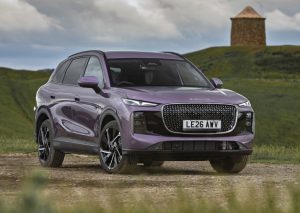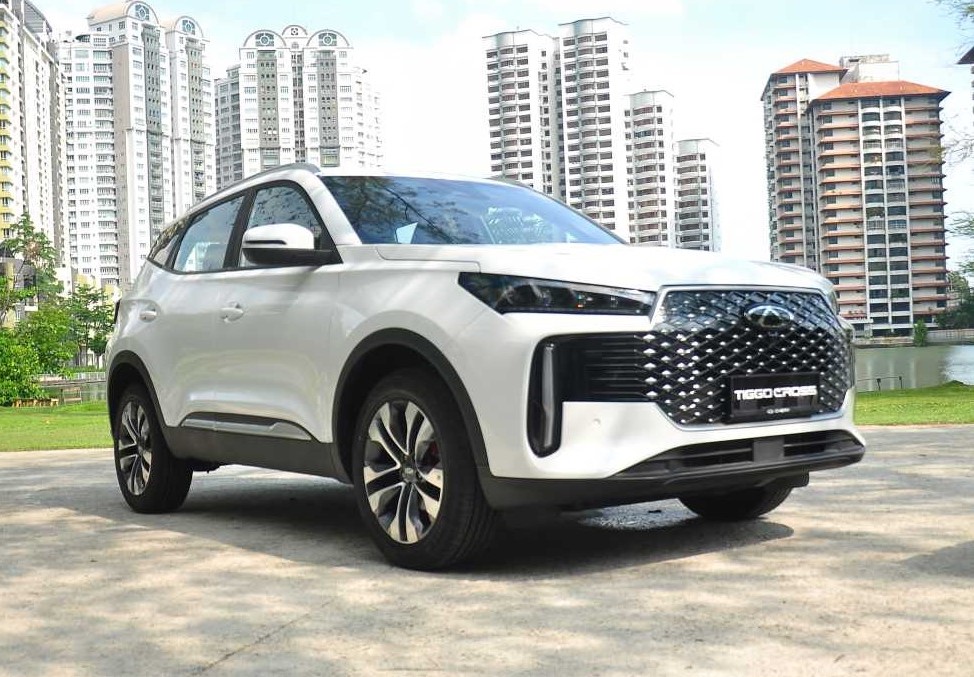
WHILE its current offerings are large sports utility vehicles (SUVs), Chery Auto Malaysia has expanded into the smaller B-segment the recently launched Tiggo Cross.
Introduced in two variants, the entry-level Tiggo Cross is the 1.5-litre Turbo priced at RM88,800 on-the-road without insurance.
The top-of-the-line version is the Chery Super Hybrid (CSH) variant costing RM99,800.
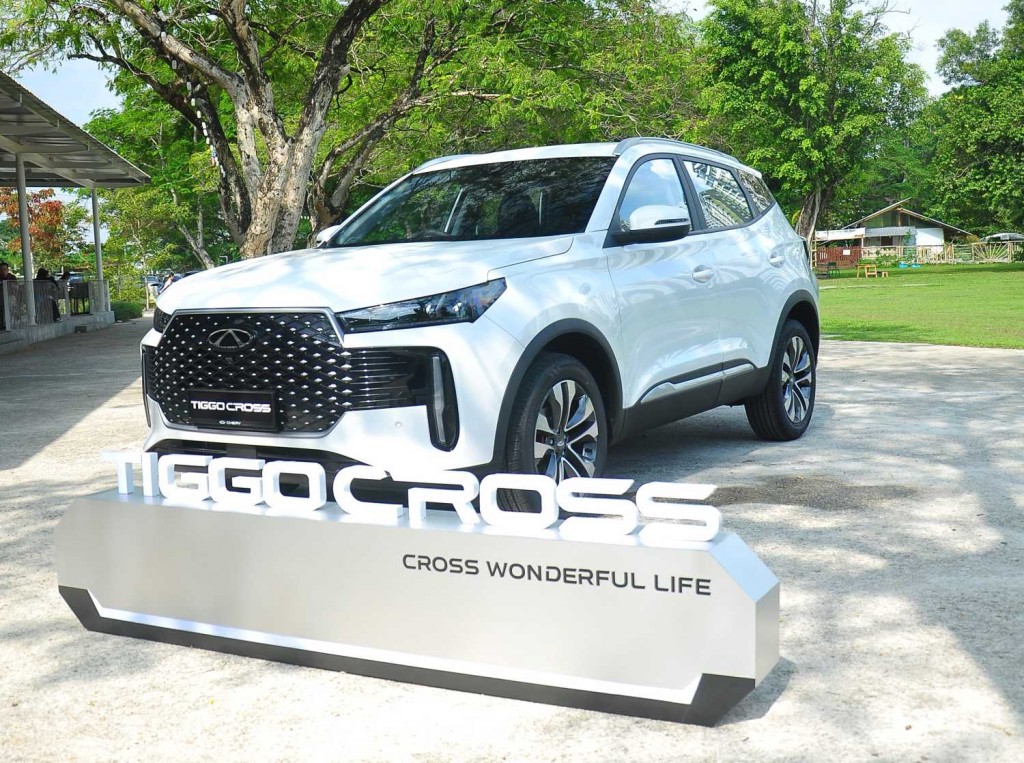
Before the launch, Chery organised a short drive for the media to check out the two variants at the scenic area around Subang Jaya, Selangor.
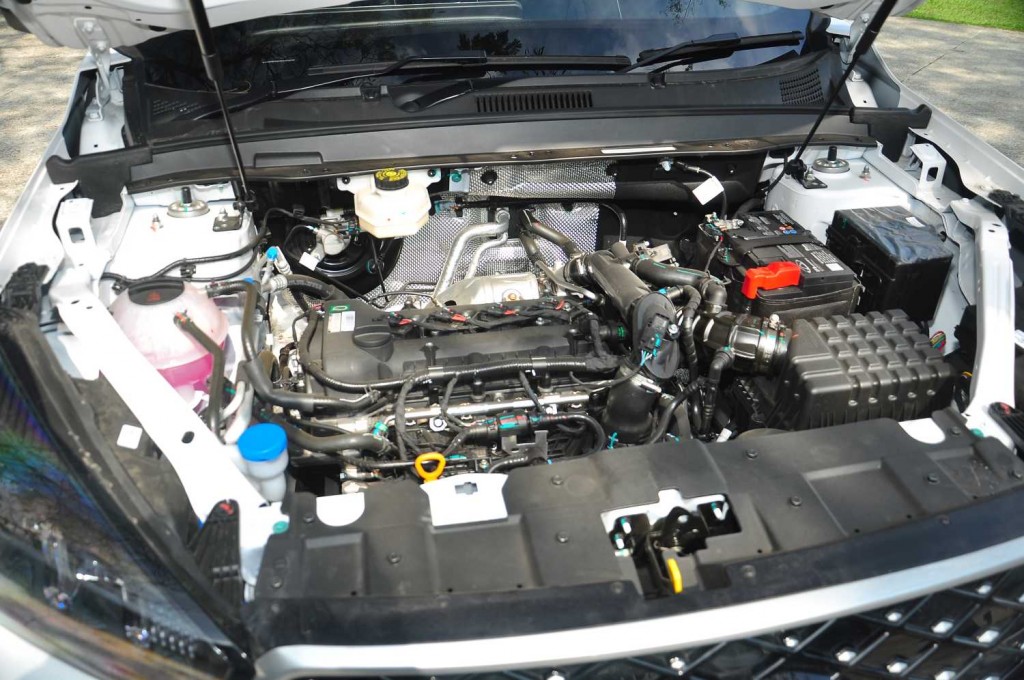
As standard, the Turbo comes with 147PS and 210Nm of torque on tap, while a six-speed dual-clutch transmission manages power to the front wheels.
There are Eco, Normal and Sport modes, a 0 to 100kph sprint of 10.3 seconds and a fuel consumption rated at 6.3L/100km at best.
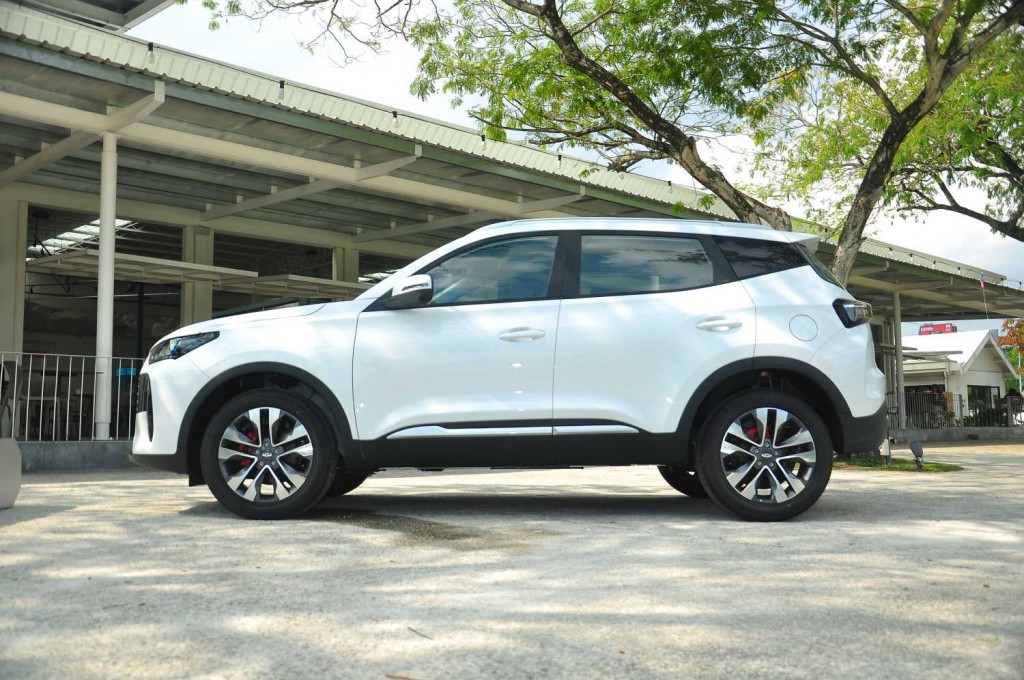
The suspension utilises front MacPherson struts and a rear torsion beam setup while having a 2,610mm wheelbase and measuring 4,318mm in length, 1,830mm in width and 1,670mm in height.
Stopping power comes from disc brakes all-round that gets partially hidden by 18-inch wheels with 215/55 series tyres.
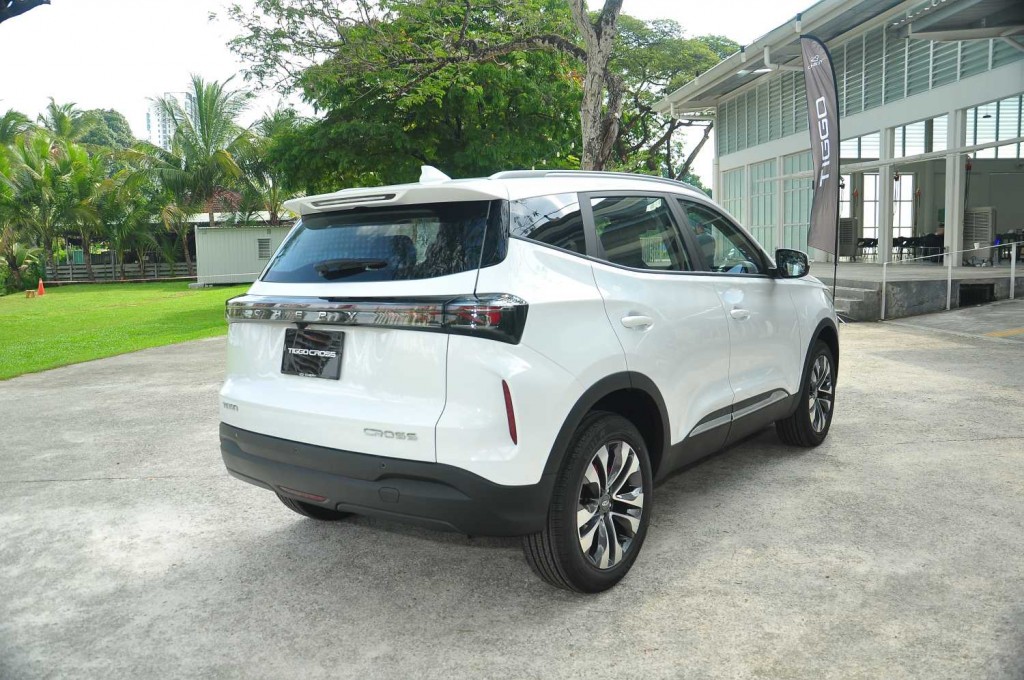
Among the list of standard equipment are the LED headlights, electric parking brakes with auto-hold function, follow-me-home function, automatic headlights, LED daytime running lights, rear LED light clusters, rear fog lights, roof rails and a rear sport spoiler.
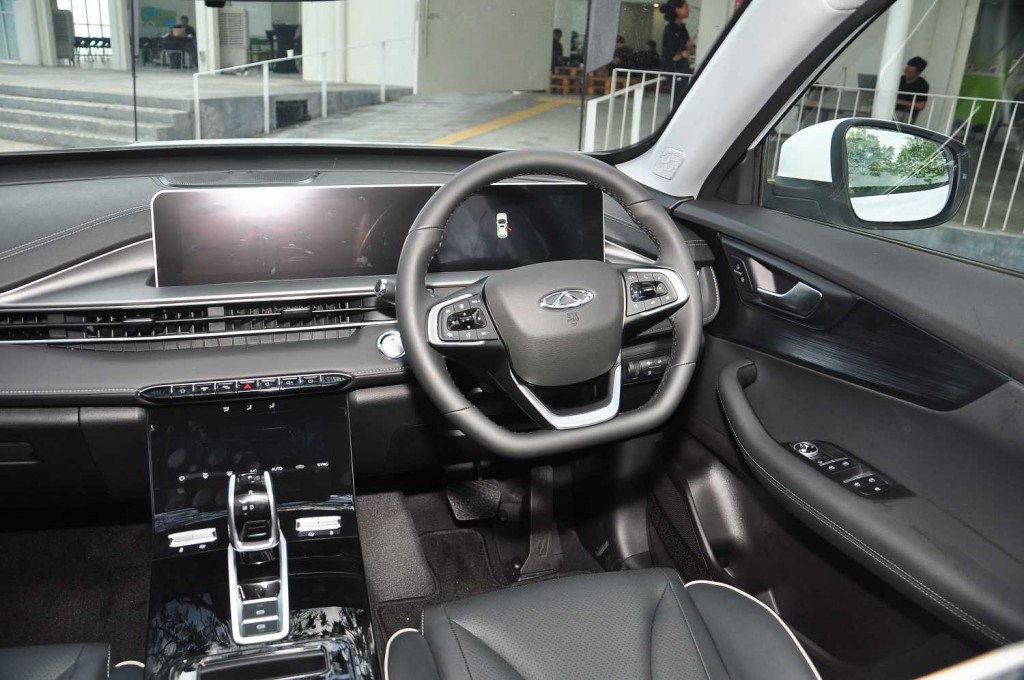
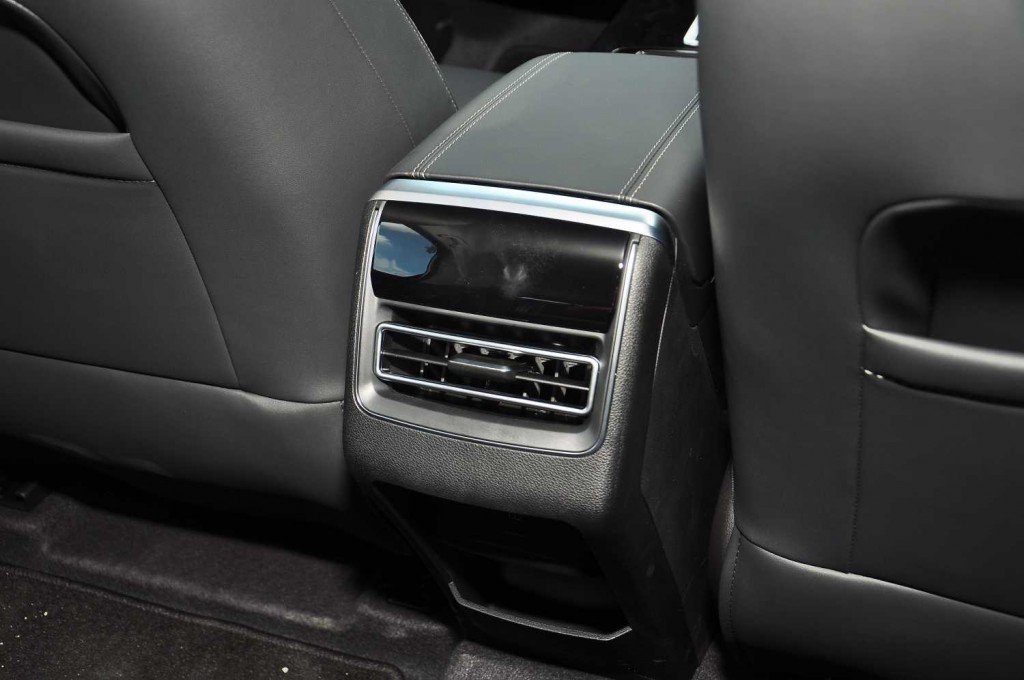
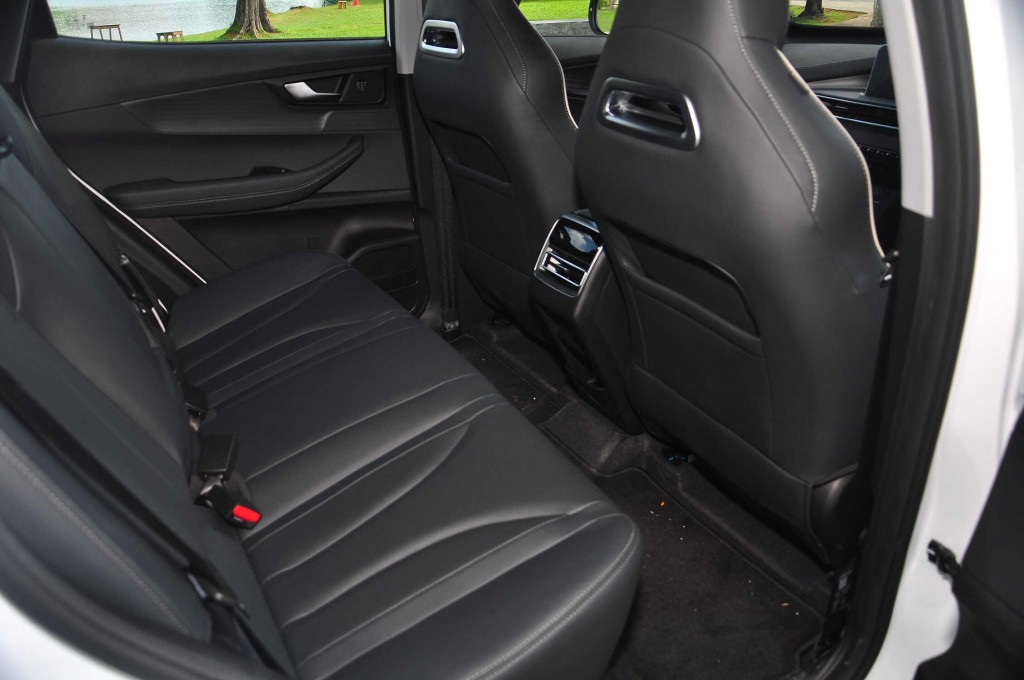
Inside, the blacked-out cabin features faux leather upholstery 15W wireless charger, dual-zone automatic climate controls, rear air vents, soft-touch instrument panel, two USB-A ports (front) and one USB-A port (rear).
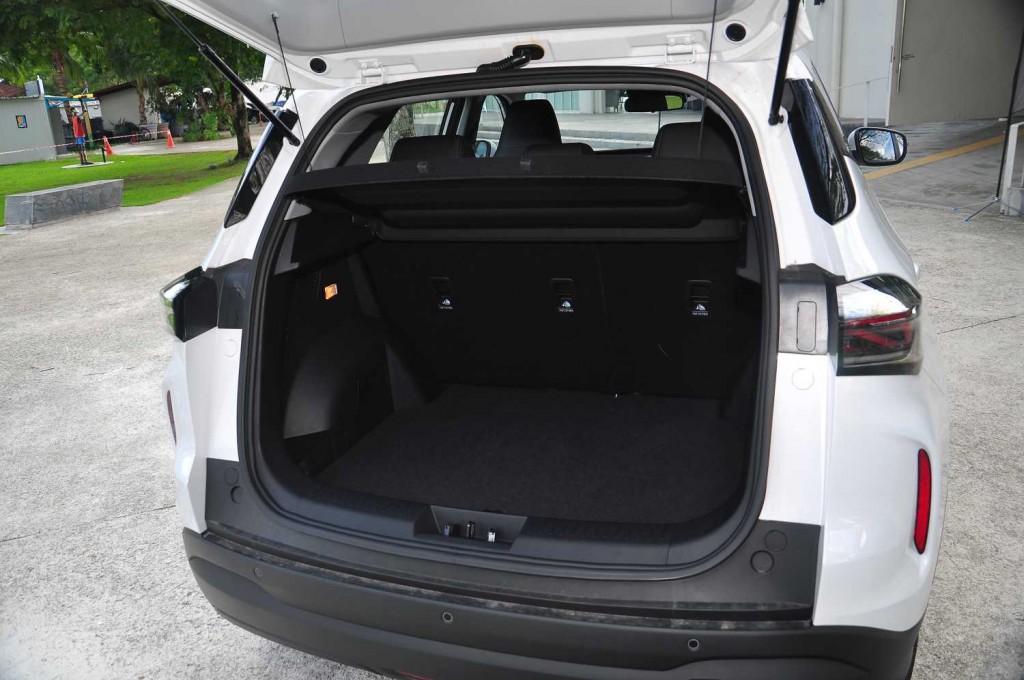
There’s also keyless-entry with push-start button and remote engine-start, 12V start-stop system, powered tailgate, automatic wipers, six-way driver’s power seat, and four-way manual front passenger seat.
Adding sophistication to the cabin is a 10.25-inch digital instrument cluster, 10.25-inch infotainment display that powers a six-speaker sound system with wireless Apple CarPlay and Android Auto, voice control and a 540-degree HD panoramic camera.
For safety, the lineup comes with six airbags, brake assist, electronic stability programme, hill start assist, emergency brake assist, traction control, mechanical child safety lock, tyre pressure monitoring system and speed limiter reminder.
To further bolster safety are advanced driver aid systems such as lane departure warning, blind-spot detection system, rear cross-traffic alert, intelligent headlight control, lane departure prevention, adaptive cruise control, forward-collision warning, and autonomous emergency braking system.
The range-topping CSH adds on 97kg from the turbo variant at 1,565kg (kerb) as well as an electric lumbar support for the driver’s powered seat.
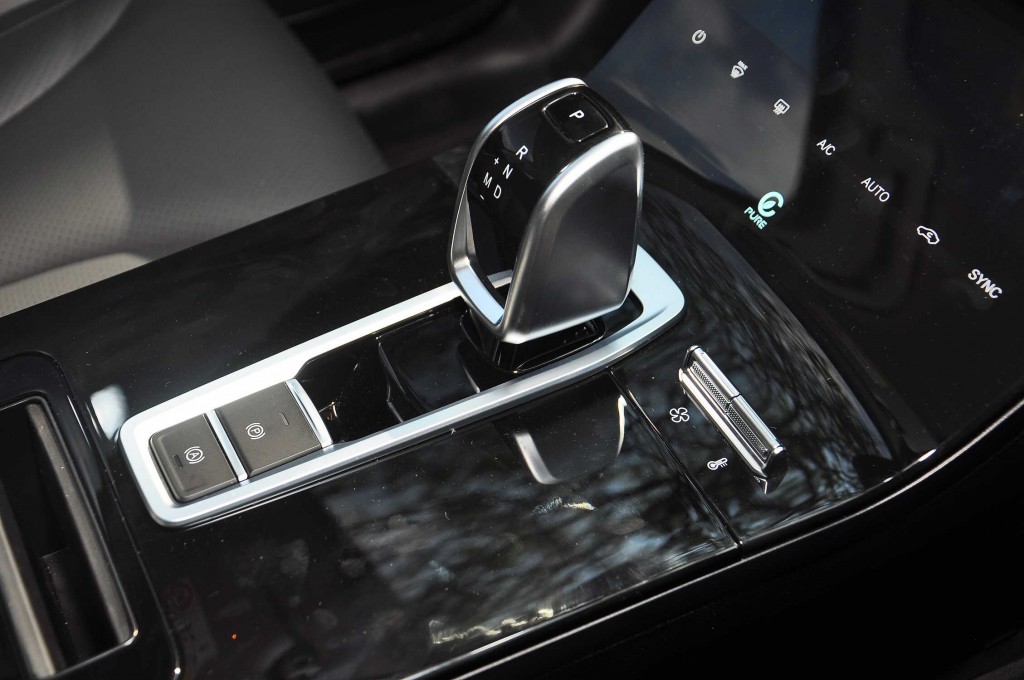
Here, the engine is now a naturally-aspirated 1.5-litre block with 96PS and 120Nm of torque which gets further supplemented by an electric motor producing 204PS and 310Nm powered by a 1.8kWh Lithium-iron phosphate battery.
With the added twist, the CSH is able to sprint from 0 to 100kph in 8.9 seconds or 1.4 seconds quicker and lower fuel consumption of 5.4L/100km.
Although the Turbo variant has three driving modes for choice, the CSH only has Eco and Sport modes to play with.
Furthermore, it uses a dedicated hybrid transmission (DHT150) to transmit power to the front wheels that wear smaller 17-inch wheels fitted with 215/60 series tyres for the front and rear.
Additionally, it now has seven airbags (one extra) before adding on door opening warning, rear collision warning, rear cross traffic braking, lane change assist, emergency lane keeping, multi-collision brake, traffic jam assist, integrated cruise control and smart vehicle speed.
During a short test drive, the Turbo displayed a smooth disposition about it in Eco Mode thanks to a dulled throttle response.
Swap the mode to Normal or Sport and the throttle automatically sharpens up, however, the disparity between Normal and Sport modes seemed rather minimal, while the steering feel remained surprisingly boosted to take away that expected sportiness.
Thanks to the larger wheels and lower profile tyres, the Turbo felt nimble and agile, willing to obey its driver’s whims and fancies – despite having a rather slower century sprint time.
Regardless, this variant is undoubtedly the instigator of play, while the CSH variant takes on a more stately disposition.
Turbo.
Despite being more powerful, the CSH does little justice to allow its driver to want to put all that twist down on the road.
It just doesn’t feel as agile nor nimble as its turbocharged counterpart, and under full throttle, the engine will be screaming to provide power.
Ideally, it would seem that the CSH would suit urban settings more aptly – quietly crawling about, allowing it to remain calm, composed and more importantly, quiet.
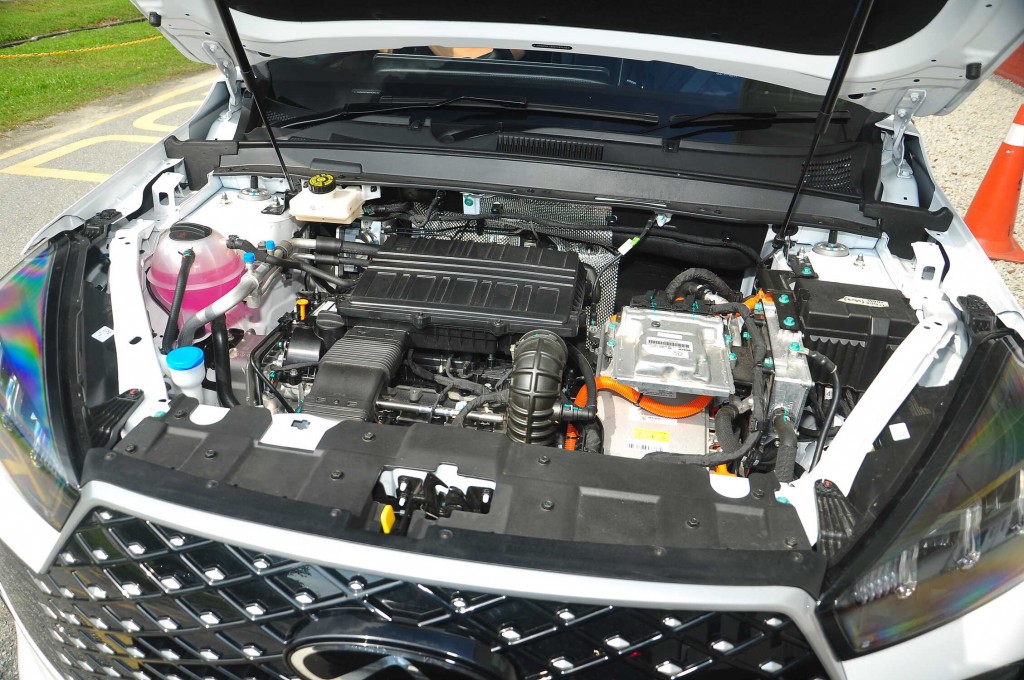
CSH.
Although both variants have their respective characters, they do share some commonalities such as a cosy cabin and tall driver’s seating position, while the stalks have been placed a tad more further away from the driver’s hands than usual.
Also, the suspension isn’t as refined as one might expect, it will provide an adequate amount of compliance, though speeding over a few cracks in the road will have passengers feeling it.
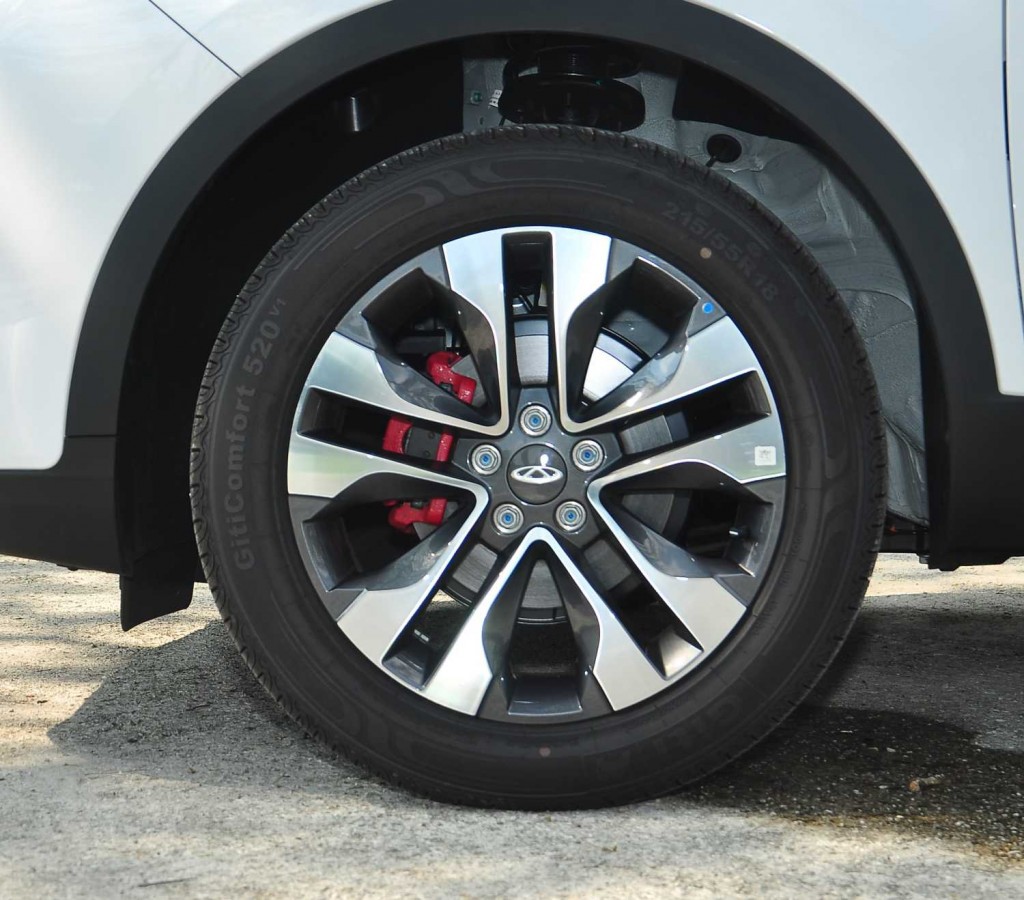
Turbo.
With regard to choice, these two variants can still provide a compelling drive for budding owners, only they will need to properly identify which variant truly attracts them and how it will fit into their daily lives.
Answering this will identify the variant for discerning buyers, but doing so will force them to compromise between the two.
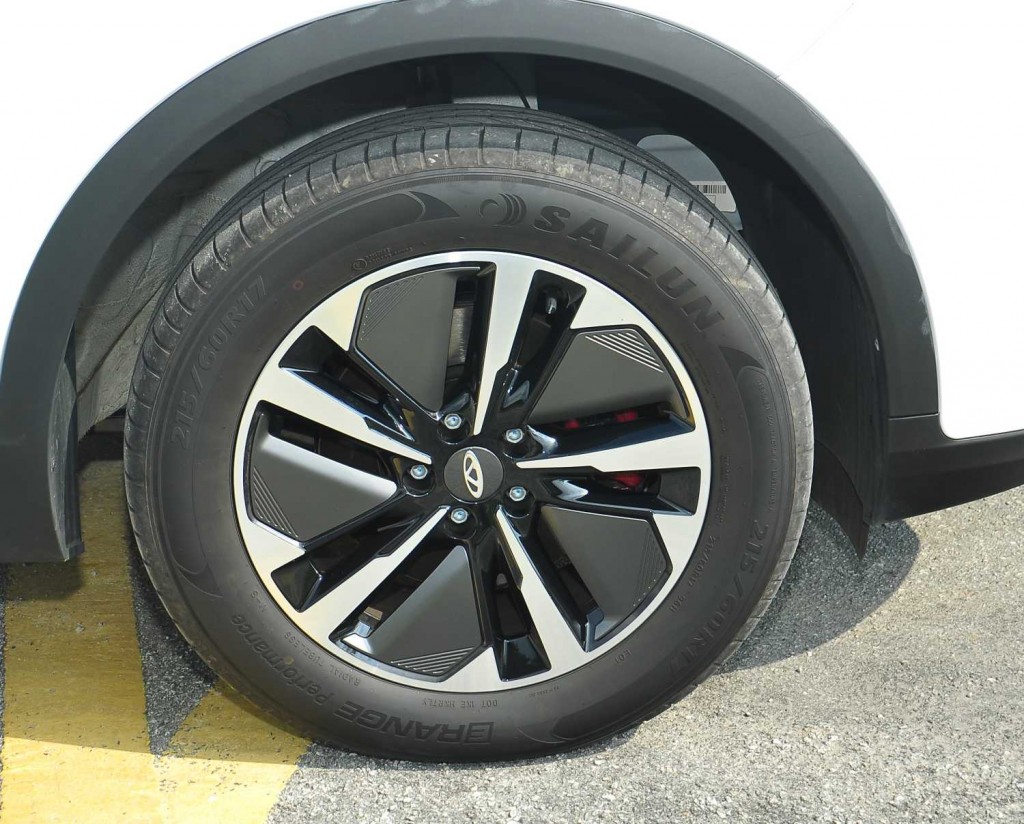
CSH.
While the Turbo provides good amounts of play time, better-looking alloy wheels and high-speed stability over long distances, it could do better with more ADAS features.
On the other hand, the CSH will have many interested in its long range capability and well-loaded safety suite despite lacking the playful nature of its turbocharged sibling.