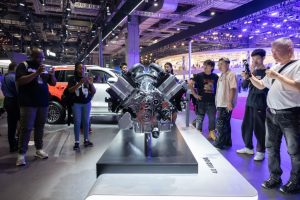
HYBRID vehicles are reportedly said to be gaining ground in the Malaysian car market against both EVs (electric vehicles) and ICE (internal combustion engine) rivals.
Honda Malaysia says its e:HEV range contributed to 30% of total hybrid vehicle sales in 2024 and the number is growing.
The company also achieved a milestone of more than 60,000 hybrid vehicles sold in Malaysia since 2004.
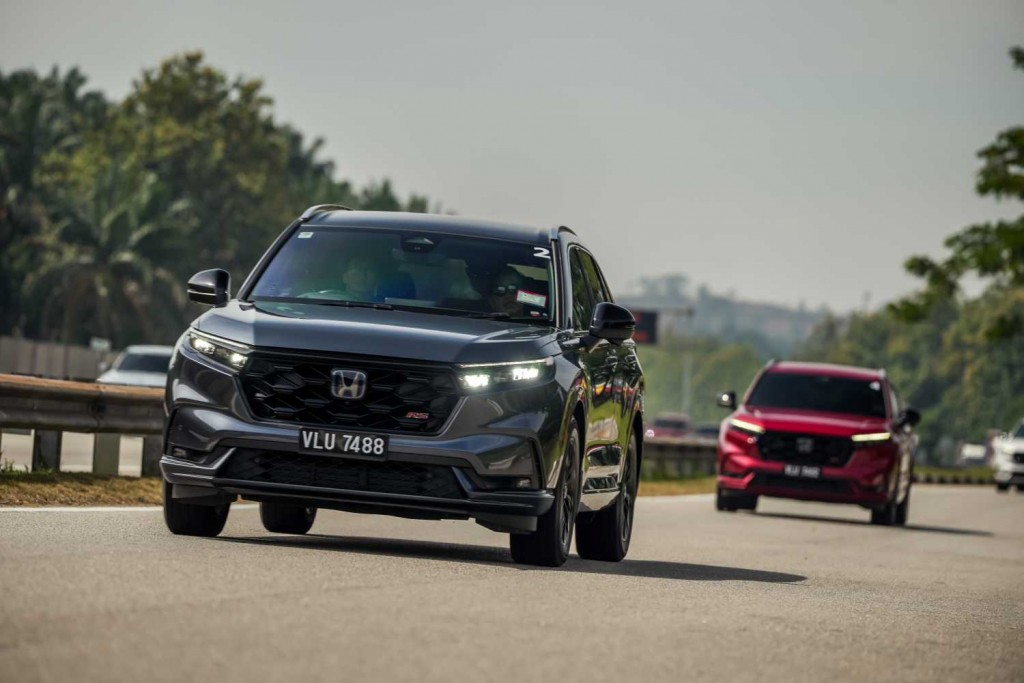
The Honda e:HEV (Hybrid Electric Vehicle) variants available locally covers almost all the model range, these being the CR-V, HR-V, Civic and City.
For every 10 Honda cars sold, the e:HEV range comprises some 20% to 25% and the better selling models are the HR-V and CR-V.
Being the top-spec RS models, these Honda SUVs find greater appeal among customers looking for very good mileage and decent, yet clean, performance.
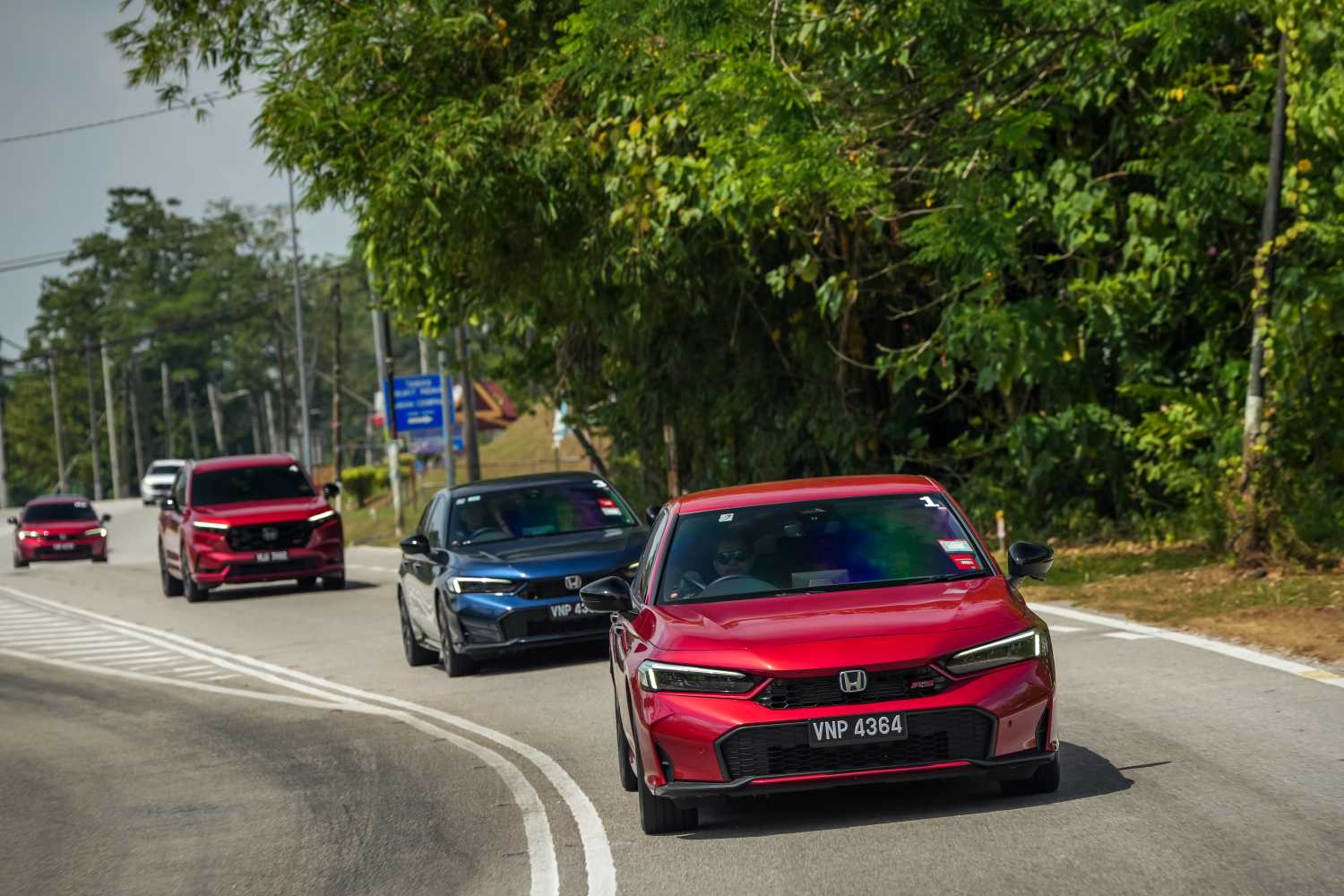
We have participated in a few economy runs that Honda Malaysia organised involving the e:HEV variants of the Civic and City Hatchback in 2023 and 2024 respectively.
We returned mileages of above 25km per litre with both models (yet our achievements weren’t the highest in the media group) and based on the fuel tanks of above 40 litres, the City and Civic are capable of a total mileage exceeding 1,000km on a full tank when driven normally.
It is in the urban scenario that these Honda e:HEVs excel as they are moving often on electric power and battery regeneration occurs frequently, and a full tank could easily last two weeks of city driving.
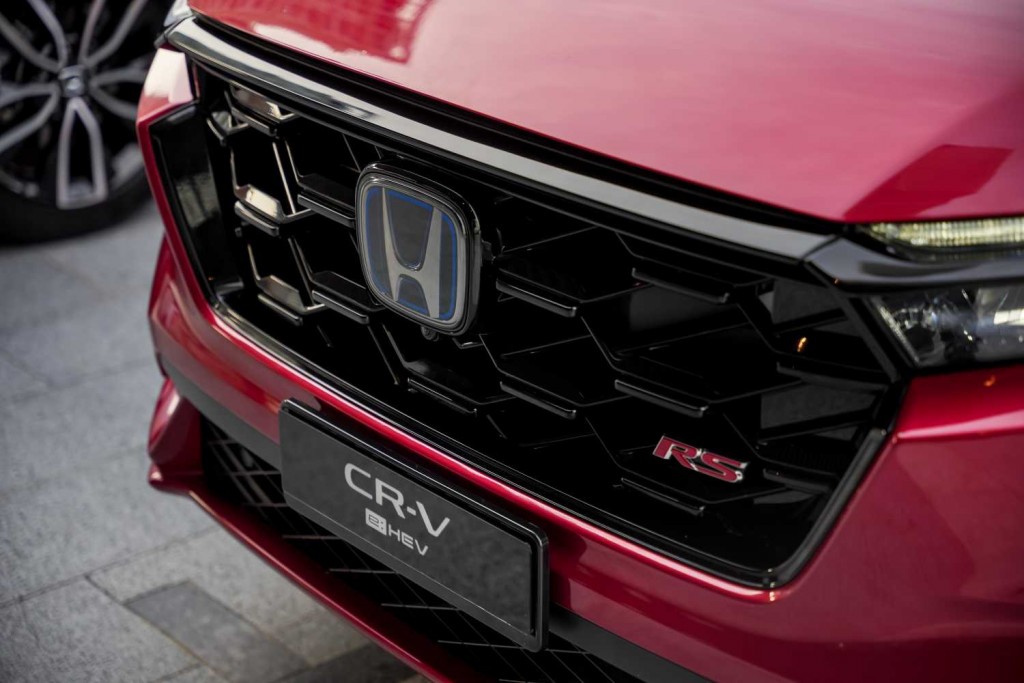
Honda e:HEV variants have their H logos in blue tone.
In that respect, hybrid vehicles are the best alternative to EVs with its combination of EV and ICE power output.
There are different forms of hybrid cars in the market, ranging from mild hybrids to plug-in hybrids with the difference being the type and power capacity of the rechargeable battery that is used.
The plug-in hybrids (PHEV) come with a higher capacity battery that allows you to run on electric power over a longer distance between charges.
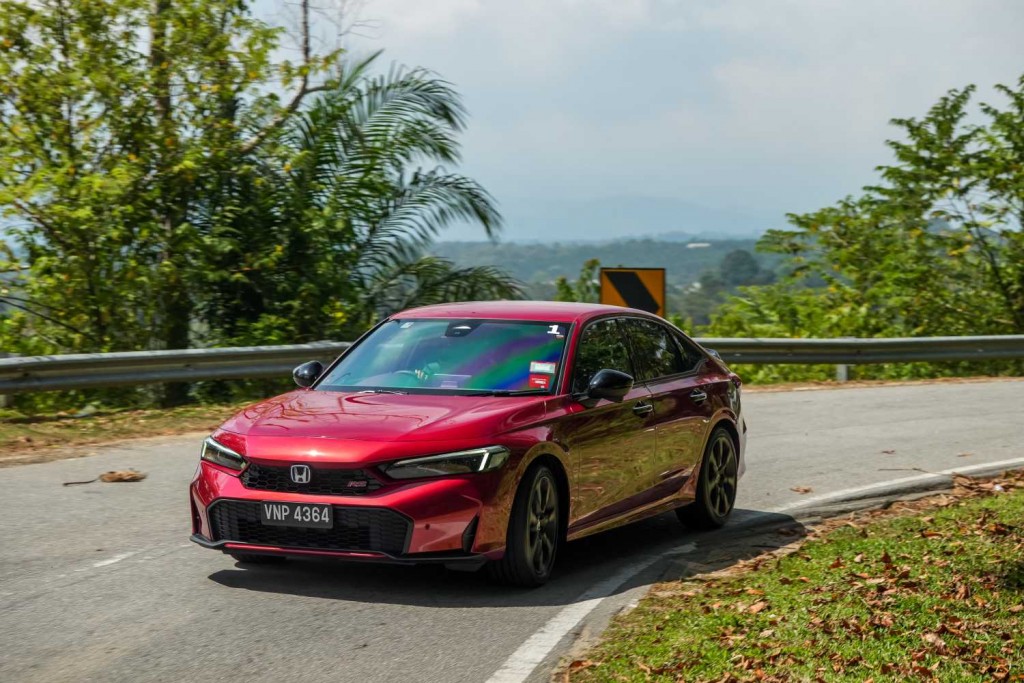
Civic e:HEV.
There are also different ways in which the ICE is being used in the respective hybrid system; one of them uses the engine purely as a battery generator.
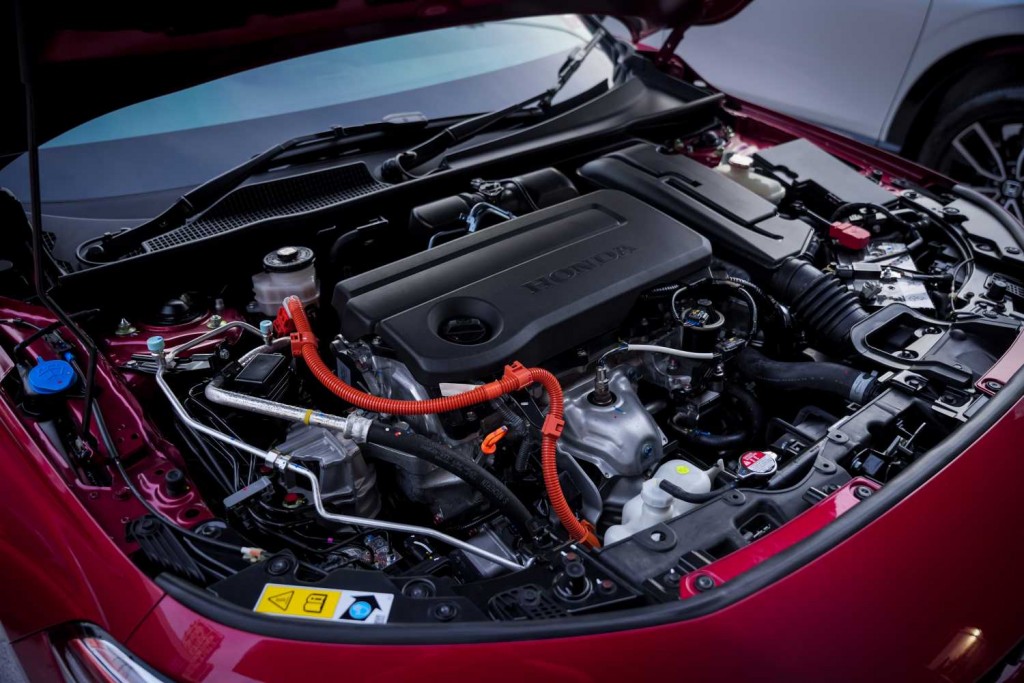
The Honda e:HEV system uses the engine as a generator but has a high-efficiency two electric motor system through which it charges the battery and powers the drive wheels in tandem with electric power when the battery is fully charged.
On moving off, the 1kWh battery supplies electricity to the drive motor to power the vehicle in pure EV mode.
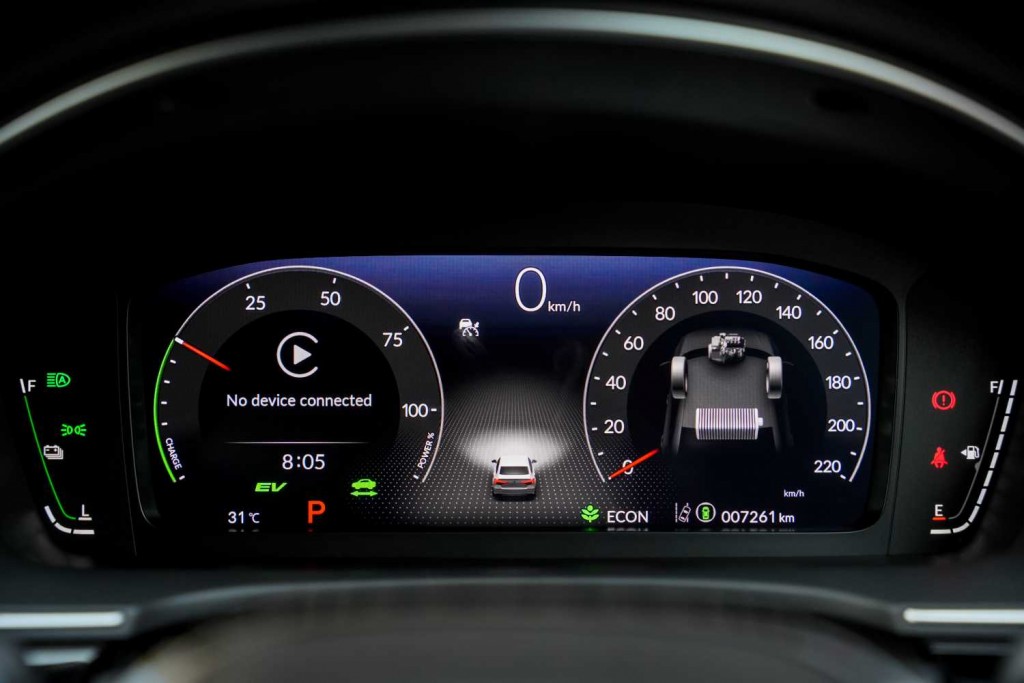
Remaining hybrid battery energy can be monitored via the instrument cluster.
When its electric level runs low, the engine is activated to regenerate the battery; likewise, battery regeneration also takes place when going down a long downhill stretch.
To prevent the battery from being overcharged, the regeneration operation stops and the regenerative energy is converted to other energy and discarded.
This protects the battery from deterioration as it is meant to be used within the Honda car’s operating lifespan.
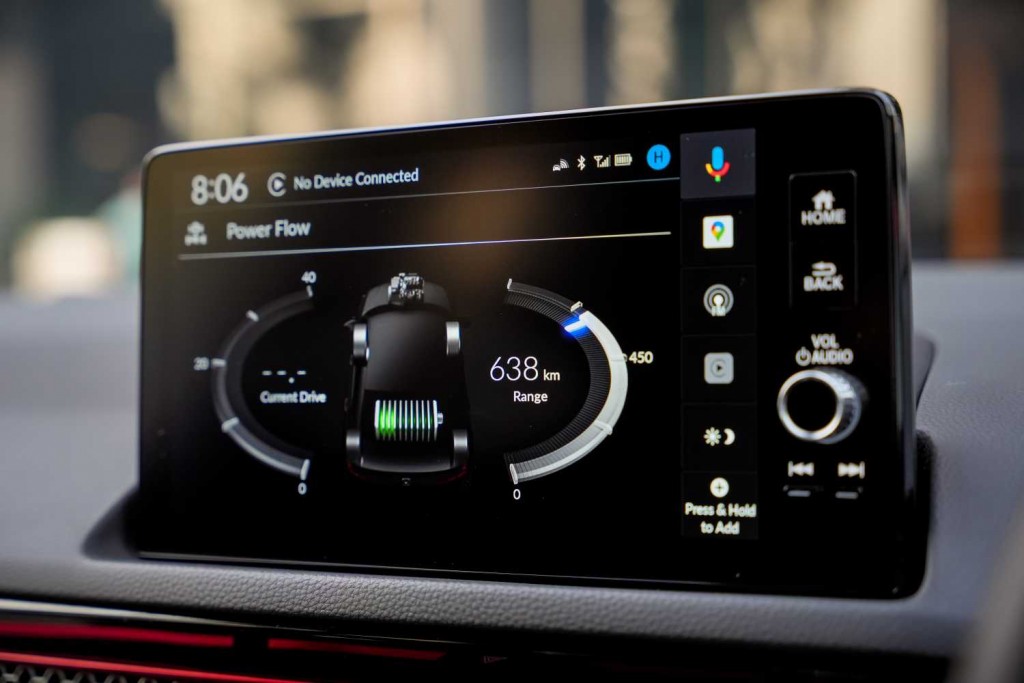
Using the centre screen to monitor energy usage.
And if Sports mode is selected, the Atkinson engine would power the drive wheels directly via a lock-up clutch, complete with an electrically-generated sporty acceleration note to boot.
This happens at above 70kph for high-speed cruising and when engine fuel consumption would be at its highest.
Honda’s foray into the hybrid market isn’t a new thing as its roots began in 1999 with an IMA (Integrated Motor Assist) system.
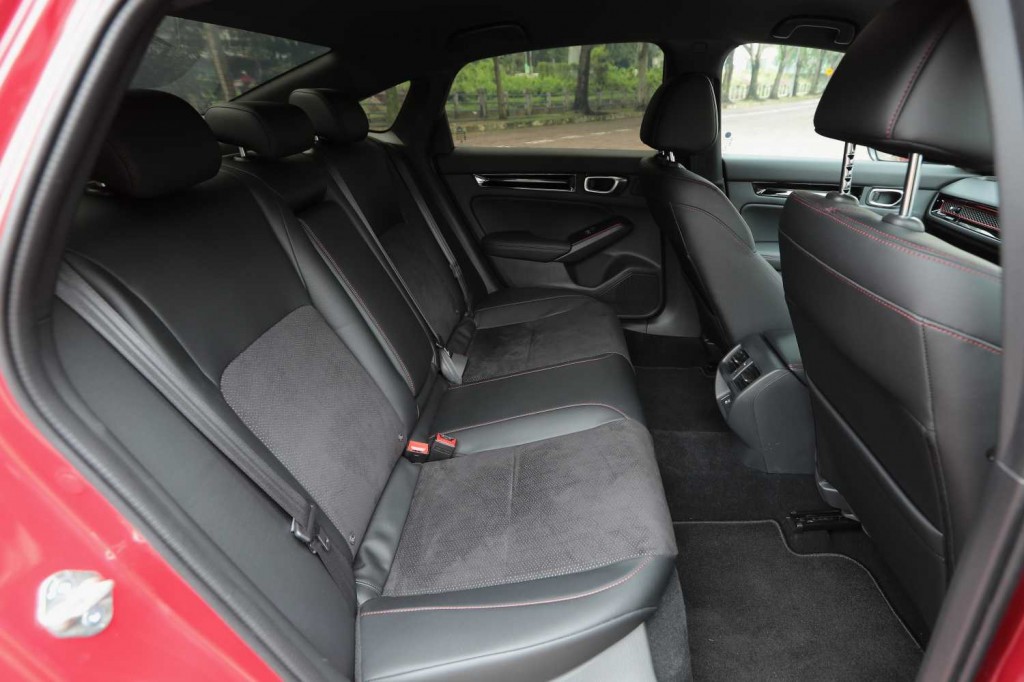
Civic e:HEV's spacious rear seats.
It was a parallel hybrid system that combines a petrol engine and a flat electric motor, located between the engine and transmission, to enhance fuel efficiency and performance.
We recalled driving such a Honda model during our visit to its proving ground in Japan back then but couldn’t quite comprehend its potential at that time.
For the Malaysian scenario, the hybrid journey began in 2004 with the introduction of a Civic IMA model that was imported.
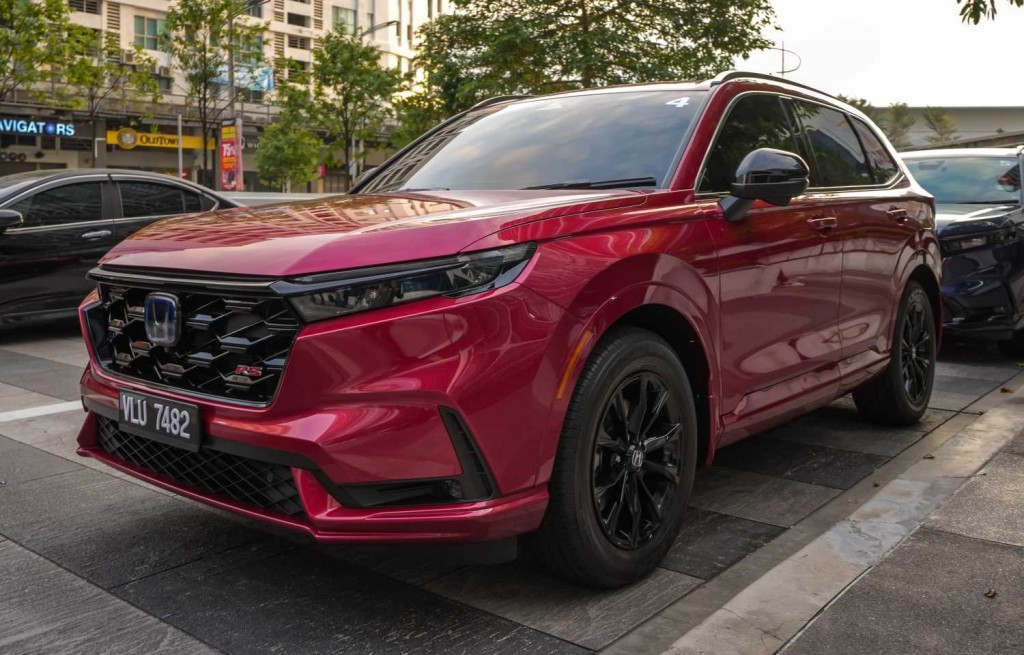
CR-V e:HEV.
This was followed by the second-generation Civic IMA in 2007, Insight Hybrid (2010) and CR-Z Hybrid (2011).
Honda Malaysia became the first non-national vehicle manufacturer to produce hybrid vehicles locally in 2012 (at that time, only Japan and US produce such vehicles).
It was also in 2012 that the company celebrated the 10,000th Honda Hybrid owner (there were three hybrid models then – Insight, Jazz and Civic).
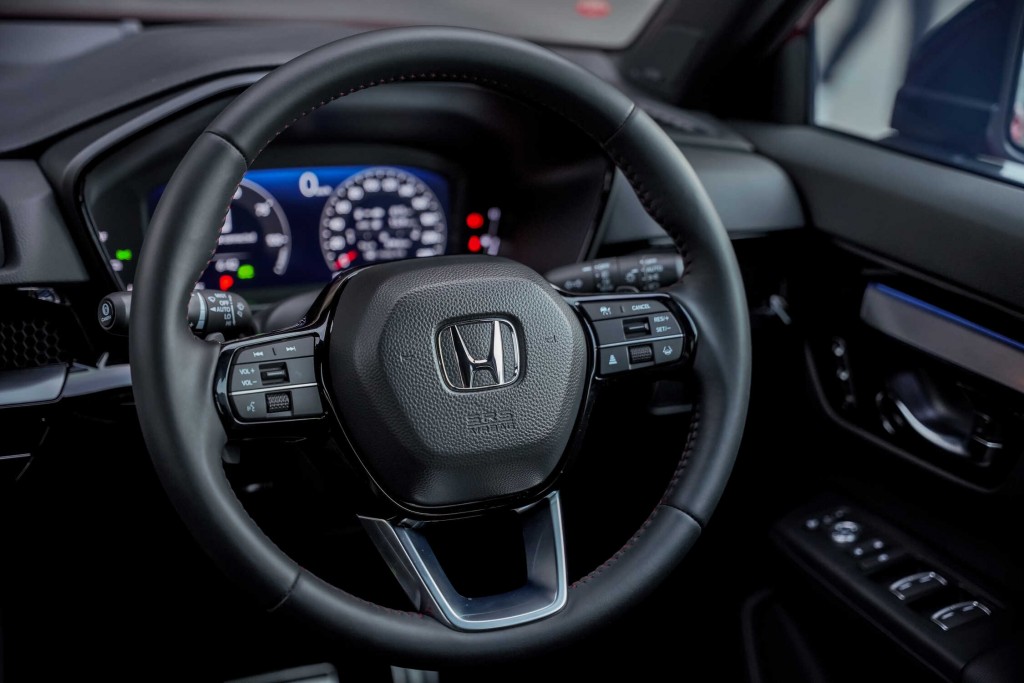
CR-V e:HEV.
The next version of the hybrid system came in 2017 in the world premiere of Jazz Sport Hybrid i-DCD (intelligent Dual Clutch Drive).
It combines a 1.5-litre engine with an electric motor and a seven-speed dual clutch transmission that switches between EV and hybrid mode (combining engine and electric motor power).
Malaysia became the first Asean country to launch the City Sport Hybrid i-DCD model that very same year.
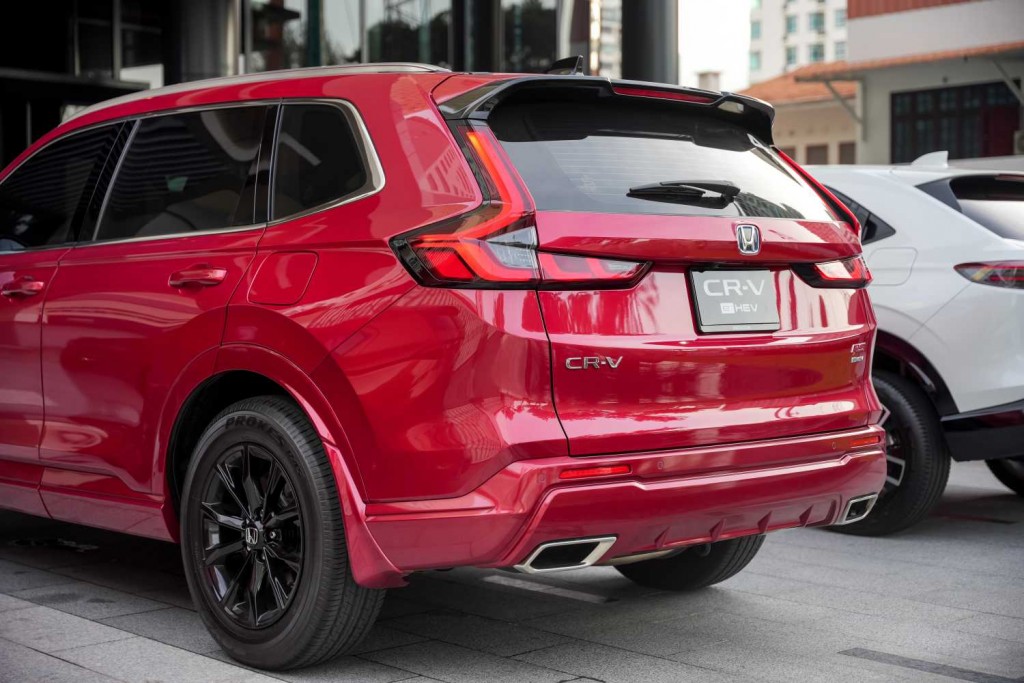
CR-V e:HEV.
By 2019, Honda Malaysia achieved the 10,000th milestone in locally assembled hybrid models sold – Jazz, City and HR-V.
It was in 2020 that Honda announced the world premiere of the City e:HEV RS and this was followed shortly with the first local Hybrid Battery Assembly in Malaysia starting with the City model.
The e:HEV range grew from there – City Hatchback in 2021, HR-V and Civic in 2022, and the CR-V in 2023.
To celebrate the 21 years since the first Honda hybrid system was introduced to the Malaysian market, Honda Malaysia invited the media to be re-acquainted with its e:HEV motoring in the Civic and CR-V.
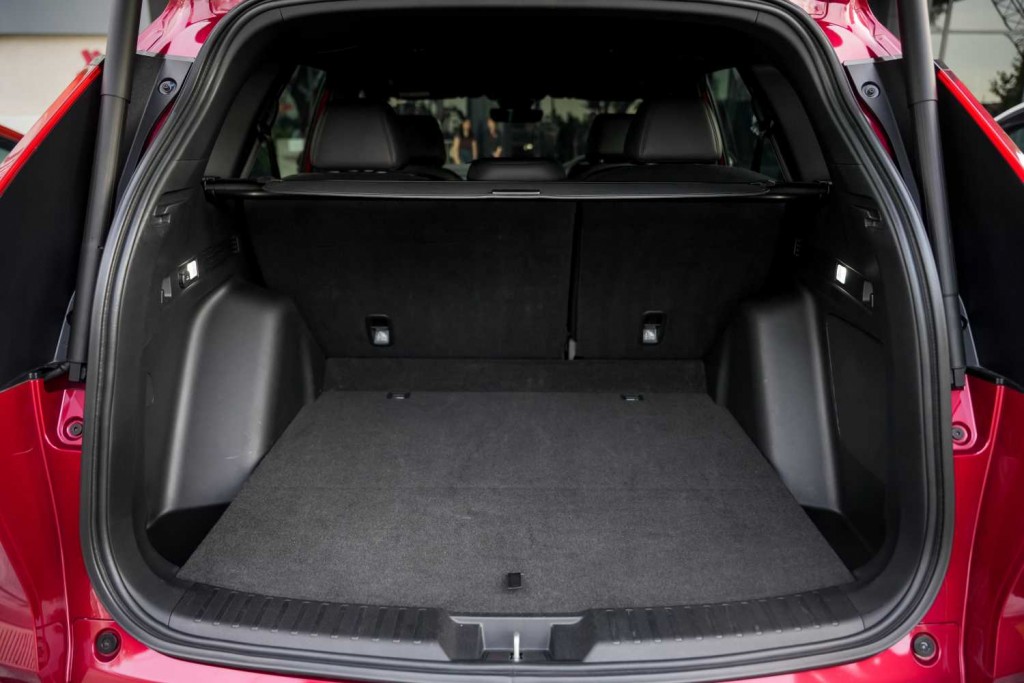
CR-V e:HEV.
It involved mostly a highway drive to Penang with a detour in Kampar that covered some twisty B roads.
The computed fuel consumption at the end of the drive was about 17km/l, which was pretty good given the mix of robust highway and normal driving.
The Honda e:HEV range might be at the top of the respective price range but the money should be worth it with the lower fuel cost against ICE alternatives.