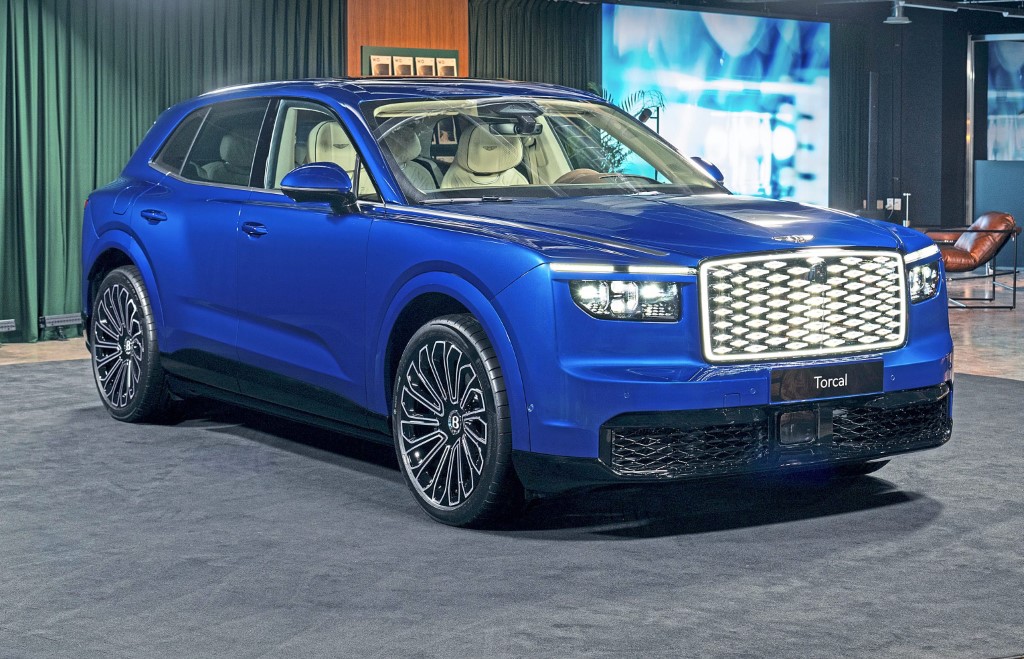
BENTLEY wants a younger generation to discover the marque through the Torcal, but its first electric vehicle (EV) is about more than chasing extraordinary horsepower figures.
That was the message at the luxury sports utility vehicle’s (SUV) Asia-Pacific debut in Seoul on Oct 15, where Bentley introduced its fourth model line alongside the Continental GT, Flying Spur and Bentayga.
Bentley chairman and chief executive Dr Frank-Steffen Walliser told journalists that the Torcal was positioned as a more accessible entry into the brand.
The smaller electric SUV was designed to attract younger customers without replacing the larger Bentayga.
The Seoul debut coincided with Bentley’s 20th anniversary of direct operations in South Korea, where sales peaked at 810 units in 2023 before declining to 393 last year.
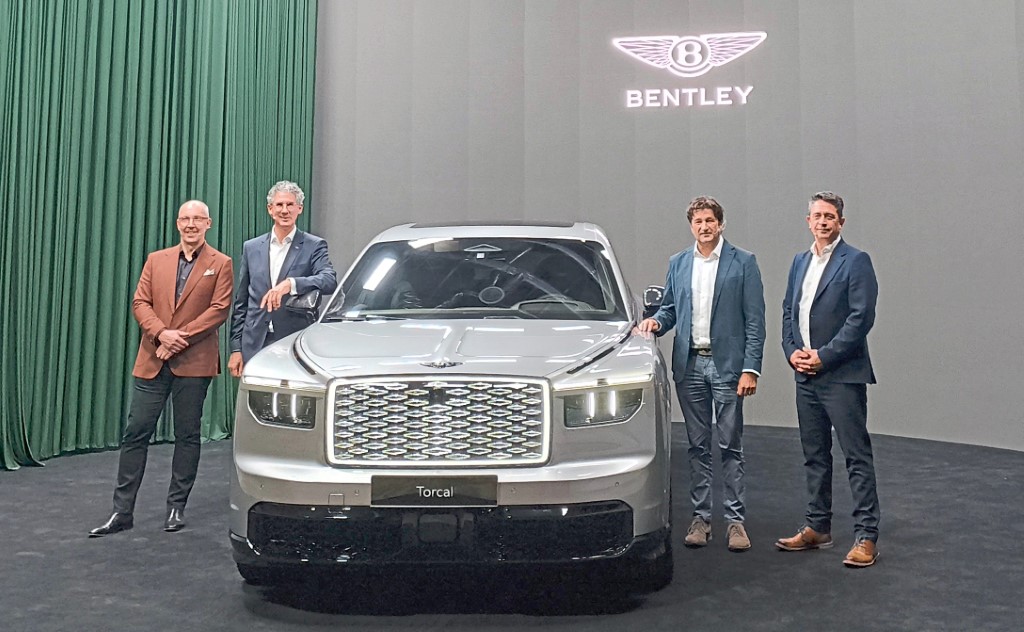
Walliser described the country as a trend-setting market.
He said longer EV ranges, faster charging and greater public acceptance had improved the timing of Bentley’s electric debut.
Combustion and plug-in hybrid models would remain part of the range.
Yet the Torcal is hardly restrained on paper.
The standard dual-motor, all-wheel-drive model develops 604kW (821PS) and 1,194Nm, accelerating from 0–100kph in 3.4 seconds.
The sportier Torcal S raises output to 653kW (888PS) and 1,350Nm with Launch Control activated, cutting the sprint to 2.9 seconds.
Walliser argued that sheer power did not automatically translate into driving pleasure. Natural response, ride comfort and sporting ability were more important than pursuing four-digit horsepower figures.
The Torcal introduces Bentley’s first fully active suspension, complemented by standard rear-wheel steering.
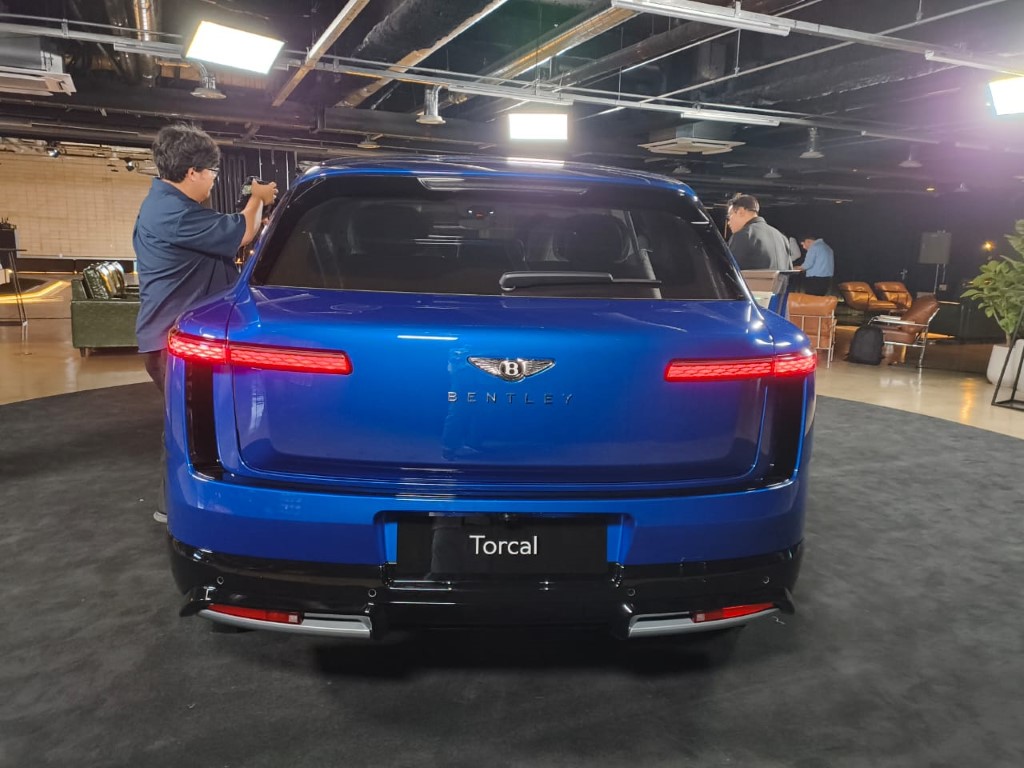
Despite measuring 5,008mm long, its turning circle is just 11.1 metres.
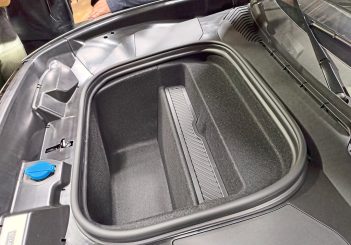
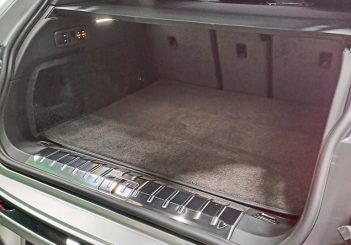
Practicality has not been overlooked, with a 460-litre boot and 90 litres of storage beneath the bonnet.
There is another kind of engineering in the soundtrack.
Bentley Dynamic Symphony draws on performances using real instruments, including drums, viola and bass guitar, with rhythms inspired by the marque’s V8 engines.
The sound responds to vehicle speed and driver torque demand, becomes more assertive in Sport mode and can be switched off entirely.
Bentley board member for sales and marketing Christophe Georges described sound as an important part of the connection between driver and machine.
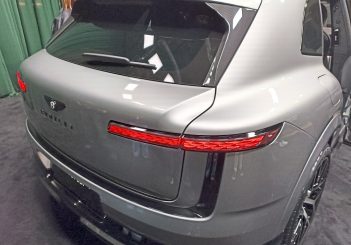
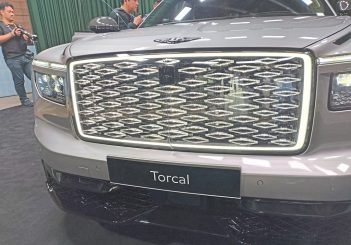
Design director Robin Page was equally concerned that the Torcal should remain unmistakably Bentley rather than become another anonymous electric SUV.
“The rest of it was about designing the next great Bentley,” he said following the Torcal launch in Seoul.
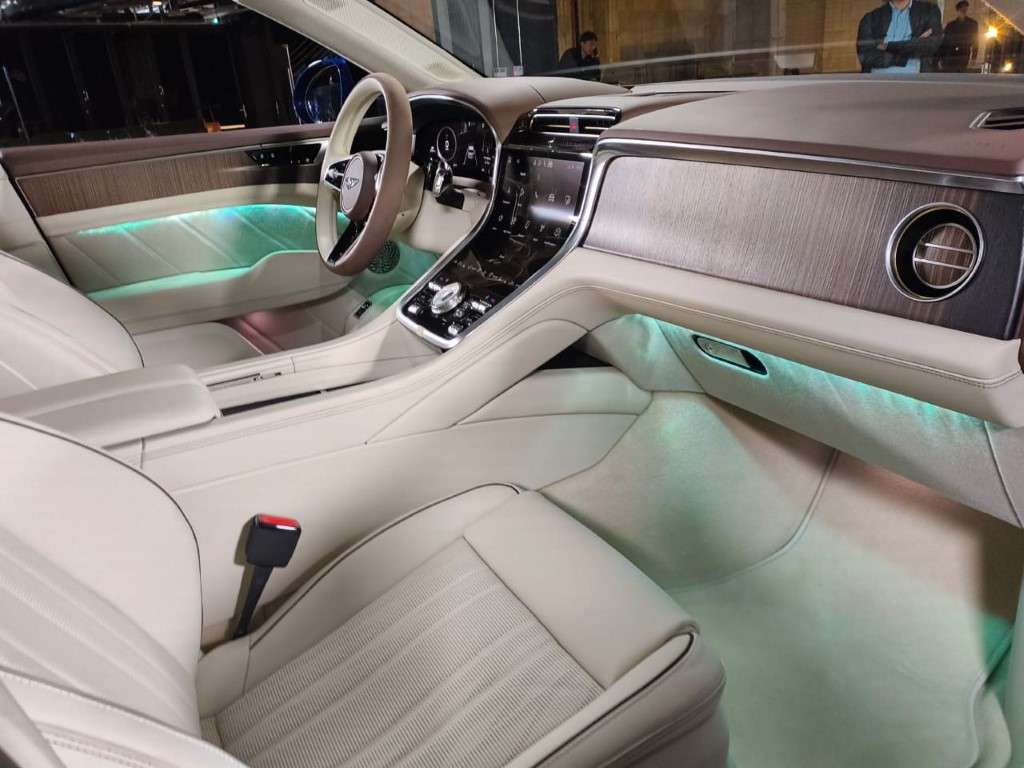
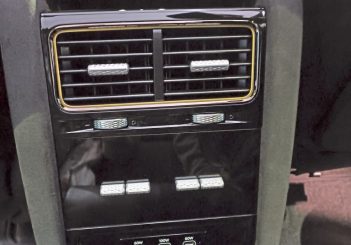
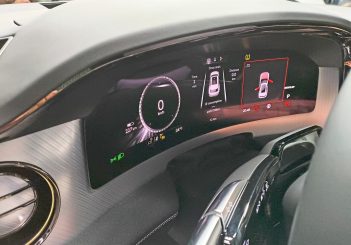
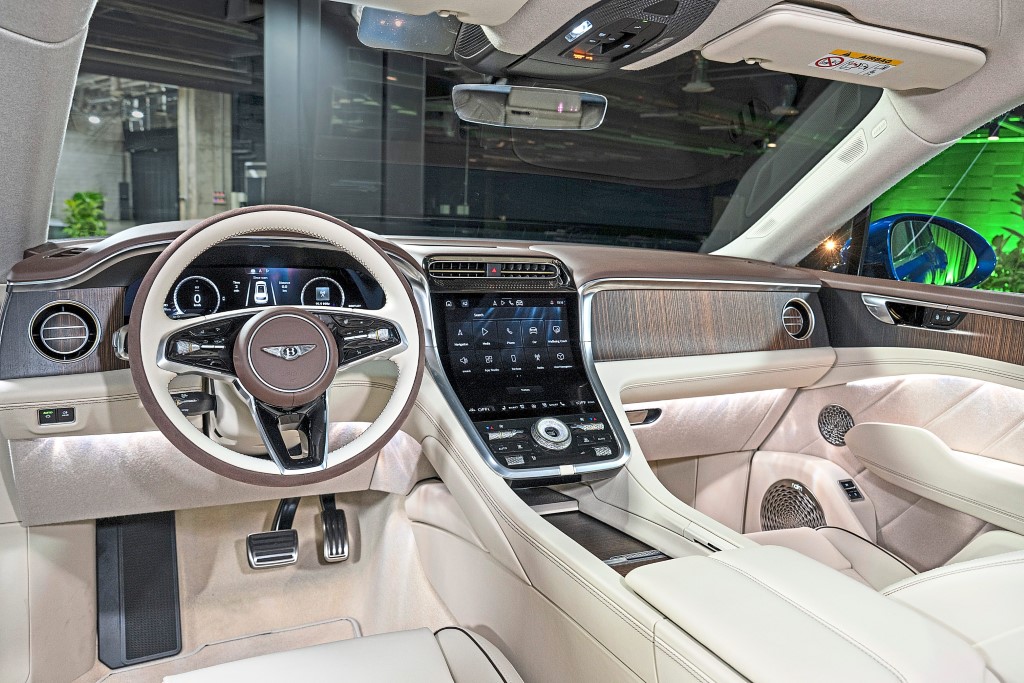
The familiar proportions, physical controls and traditional materials remain, while electric packaging brings additional cabin space and front luggage storage.
Bentley’s brochures illustrate two contrasting configurations.
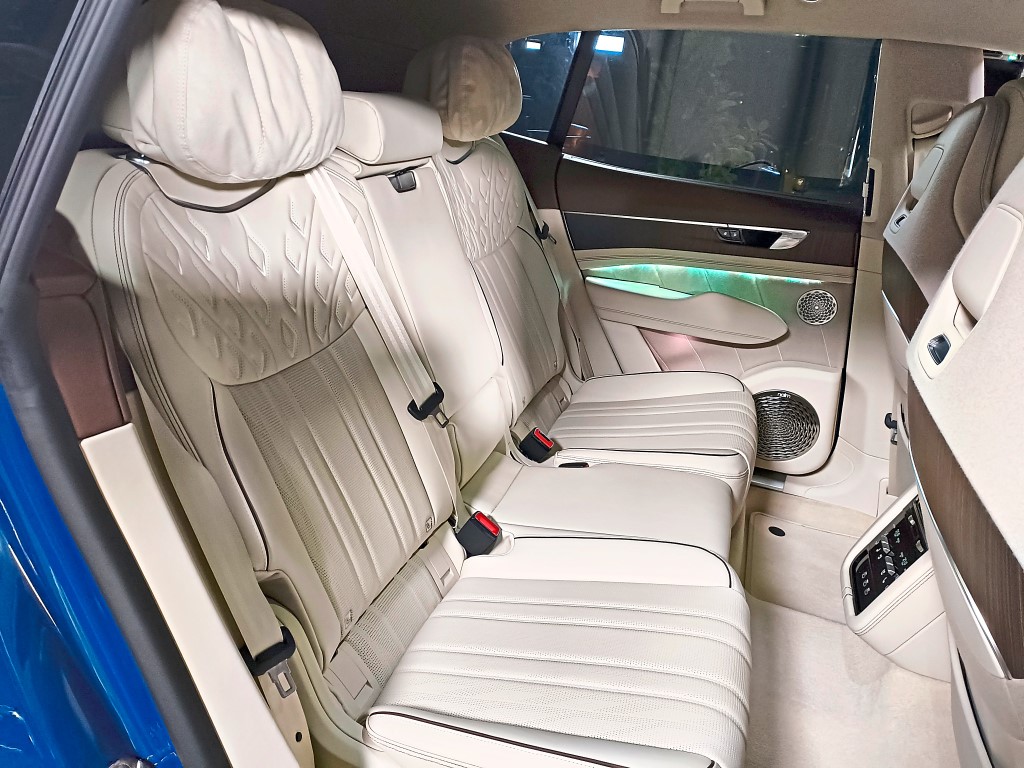
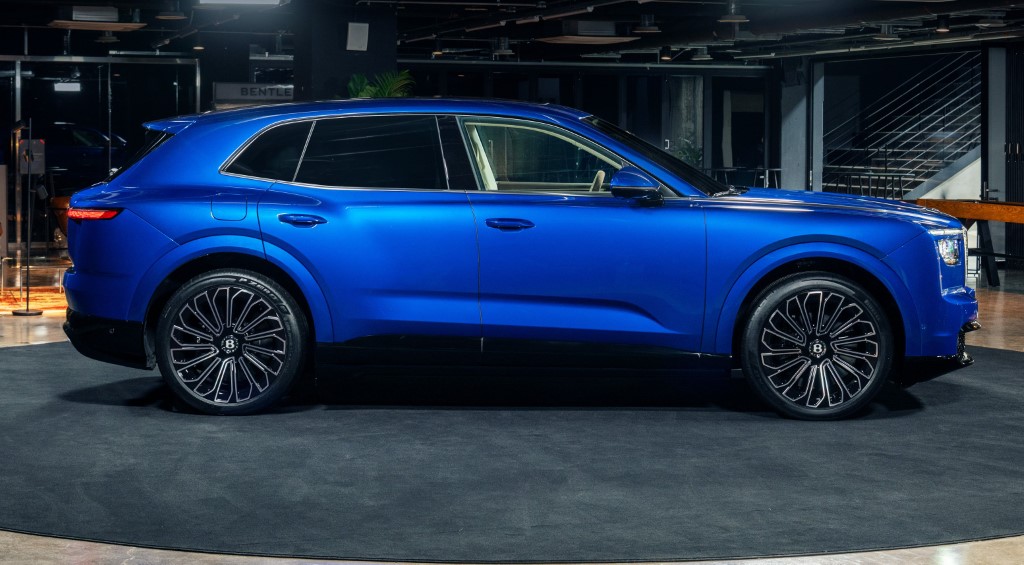
A Sequin Blue Torcal combines Linen and Terra leather with Ombre Walnut veneer made from layered walnut offcuts and recycled paper.
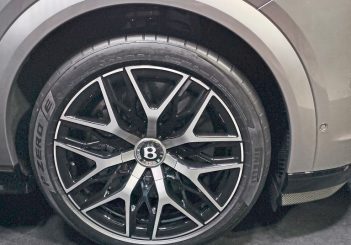
An Astral Silver Torcal S First Edition features Glaze and Beluga upholstery, Sunburst Aluminium trim and exclusive 22-inch wheels finished in gloss black with liquid silver spokes.
Buyers can also specify Merino wool developed with British textile specialist Fox Brothers, a 28-speaker, 1,780W Naim audio system, powered doors and a switchable-glass roof.
But Bentley’s traditional strengths face a new challenge as Chinese manufacturers make increasingly ambitious moves into the luxury EV market.
“The Chinese are coming and they are coming very hard,” said Bentley Asia-Pacific regional director Dave Hayter.
He compared their advance with Bentley’s longstanding competition from German premium manufacturers, arguing that technology and performance alone could not replicate the complete luxury experience.
The Torcal’s 800V electrical architecture supports DC charging at up to 400kW, allowing its 113.3kWh battery (108.7kWh usable) to charge from 10% to 80% in a claimed 16 minutes under suitable conditions.
Bentley claims a WLTP driving range of up to about 600km, subject to type approval.
South Korean orders opened at prices starting from 330mil won (about RM1mil), with deliveries expected in late 2027.
Malaysia is targeting a launch in the first half of 2027, with indicative prices from RM1.328mil, including estimated import, excise and sales taxes but excluding road tax, insurance, handling and registration expenses.
For Bentley, the real test is not whether it can build an exceptionally fast EV.
It is whether the Torcal can persuade a new generation that electric motoring and traditional British luxury belong together.