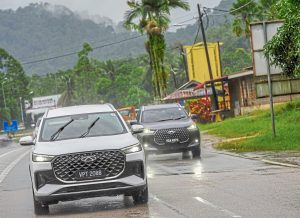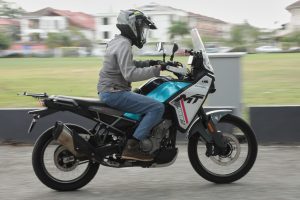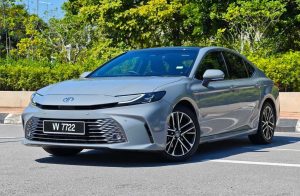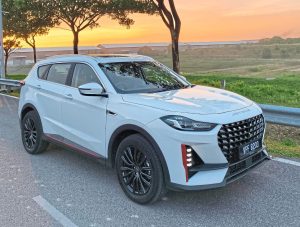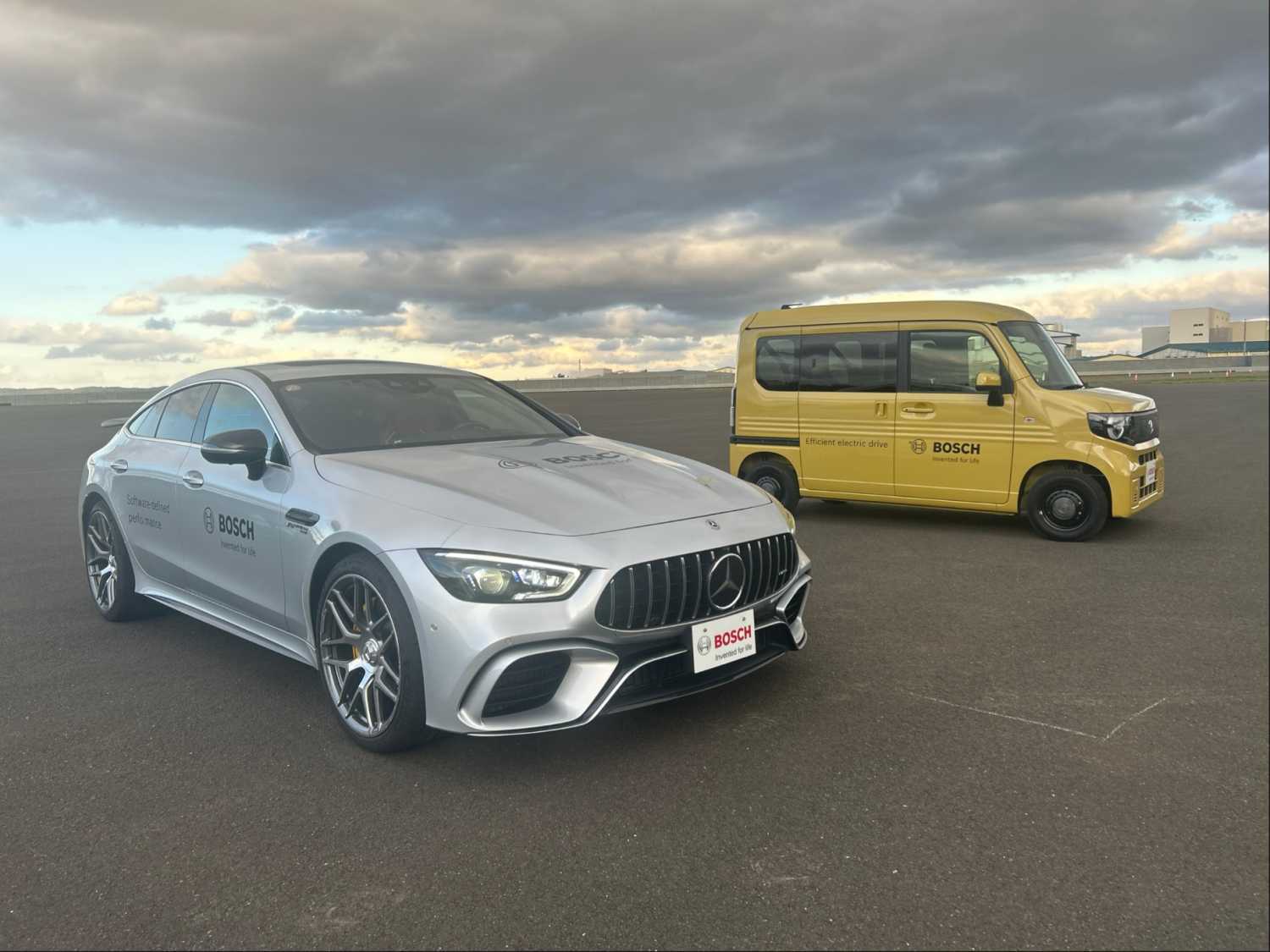
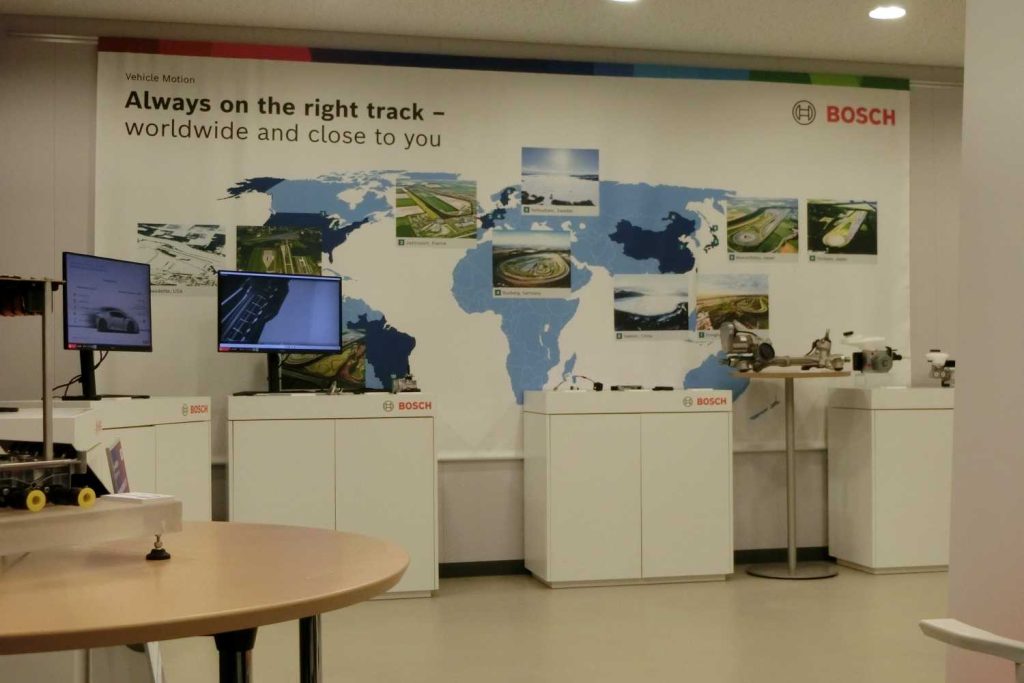
THE Bosch Technical Centre in Memanbetsu, Japan is one of the German automotive solutions provider’s many proving facilities to make mobility safer and more efficient.
To be able to truly grasp the nature of what Bosch is doing for its customers i.e. the various carmakers around the globe, and how it directly affects the final end-user, one must “unlearn” everything they’ve ever known about an automobile.
Forget traditional vehicle building methodology, for we are about to venture into the realm of what was once thought to be pure science fiction, a place where your car can make you a better driver, a place where your car communicates with other cars, a place where one car can have three completely different driving characteristics.
Also a place where your car “recognises” your face and adapts itself to your favourite style of driving, but also constantly learns as you drive along, and keeps adapting.
Welcome to Bosch Mobility, do buckle up.
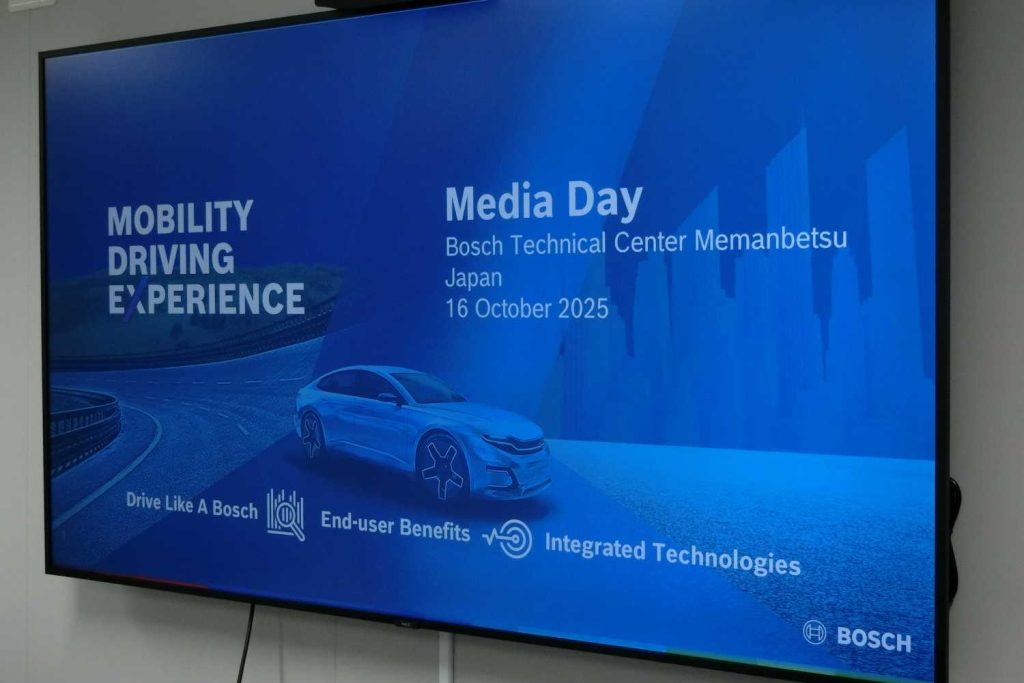
Bosch Mobility Driving Experience – MDeX 2025
For many an average motorist, Bosch makes car batteries, spark plugs and really good windscreen wipers, especially if you’re what Bosch like to refer to as the “end-user.”
But for car companies across the globe, they’re a whole lot more, and for the first time in its more than 100-year history (founded in 1886, Stuttgart, Germany), Bosch recently opened its doors for us to learn more about what exactly the future holds, insofar as the mobility market is concerned, for lets face it, what they do lies beneath the sheet-metal, unseen, but always felt, you just never knew they were the ones doing it, until now.
Bosch Software Defined Vehicle (SDV) – Feeling what can’t be seen
Straight off the bat and right out of the gate, Bosch states very clearly that SDV is the future of sustainable mobility and is very much driven – pun intended – by software.
While both software and hardware are of course essential and live symbiotically within the architecture of any given vehicle, it is the infinitely "tunable" software that is shaping up to play a more crucial role in the future of automobiles.
As an example in layman’s terms, think of a traditional internal combustion engine (ICE), and what you need in order to tune it up for more power.
Most of the time you’d have to add hardware like turbochargers, superchargers, a better exhaust, among others.
Then of course you need better brakes for better stopping, and a better suspension system to handle all that additional power.
All this can be very costly, and counterintuitively adds detrimental weight to the car.
Hardware is heavy ware
Bosch has a multitude of SDV solutions where all this can all be done over-the-air (OTA) in the new generation of vehicles with powertrains that have done away with traditional ICE, and have adopted electrification or even hybrid powertrains.
In this instance, software definitely takes on a more crucial role in the propulsion department.
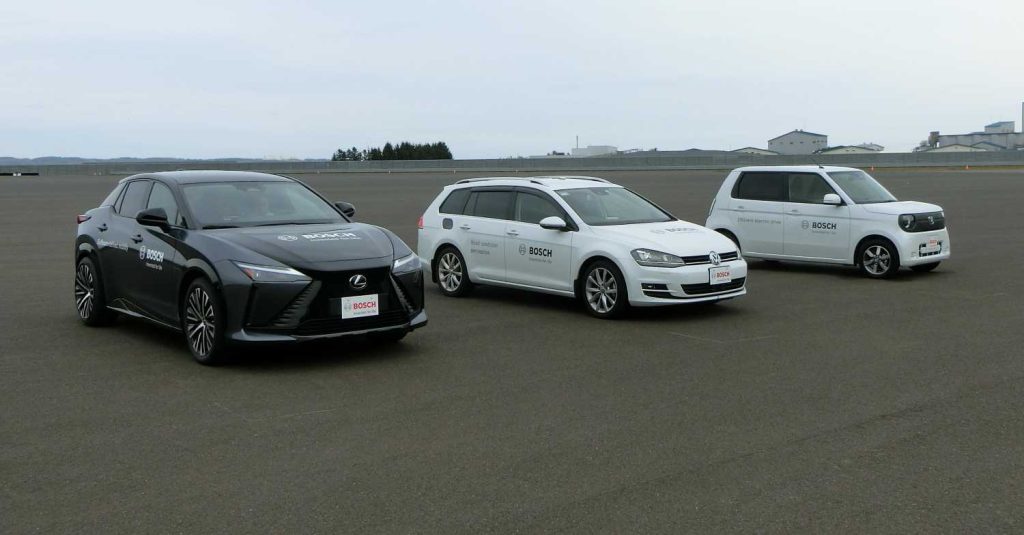
Think of it, any powertrain update can be done over the internet, any glitch can be solved the same way. Any upgrade – similar to the ones you get on your smartphone occasionally – all done and sorted by simply downloading the new operating system (OS) directly into your car.
No fuss, no added hardware, and thus of course, no added weight.
Software Defined Mobility Under the Microscope – Next Level AI Based Mobility Solutions
As the three simple letters that bring forth the next generation of driving, SDV essentially speaks for itself.
Where once hardware (ICE) was at the forefront, based on today’s vehicle ownership environment,
software is fast becoming the main driver – no pun intended - in modern day mobility solutions.
Case in point the earlier mentioned vehicle adaptation based on each user of the same vehicle.
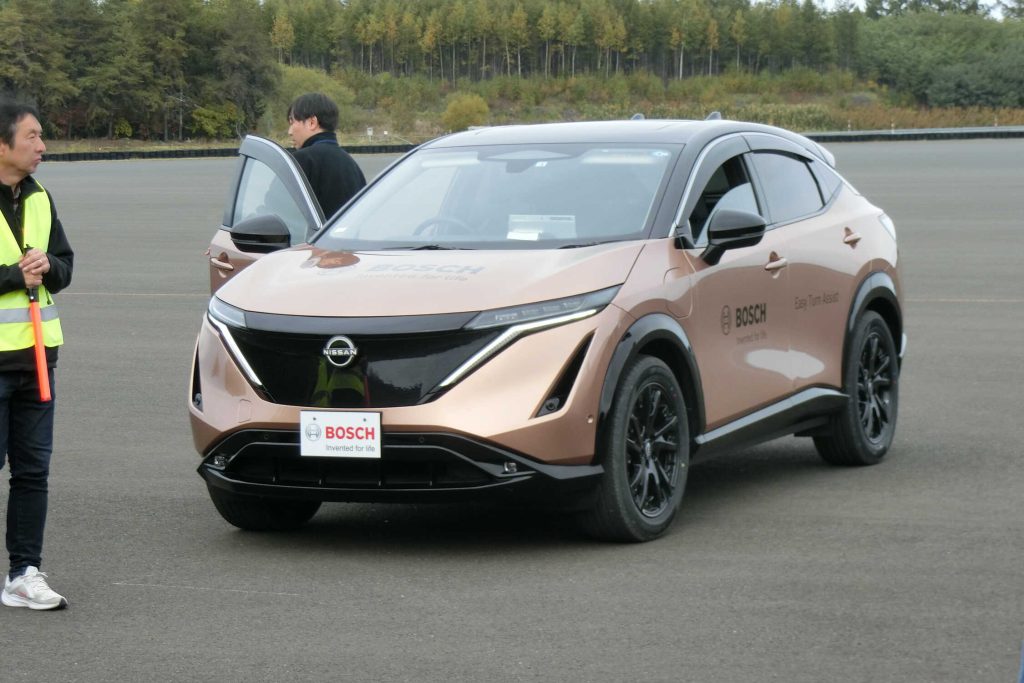
Facial Recognition begins the first phase of SDV’s Vehicle Motion Management (VMM), in which the same vehicle actually recognises multiple users/drivers and is able to adapt itself according to whoever has been preset into the driver profiles of the car.
The car will then provide the preferred driving experience set-up for each person, such as comfort and smoothness only, spirited and fast, comfort and a bit of sportiness, slow and steady, among others.
However, that being said, VMM is constantly monitoring the drive in real-time, it can sense when the pre-programmed driver is venturing beyond the earlier given preset, and adapts to the new parameters, learning as it goes.
In short, it is possible to have very different driving characteristics all within one car, whereby in the past you’d need at least three to achieve the same results, thanks to VMMs ability to personalise each user’s driving experience.
VMM - Taking Over Hardware & ADAS Talking to Other Cars
Apart from personalisation and tailoring of each drive experience to each individual it recognises, VMM can also affect certain aspects of driving that nobody ever thought would come in handy, such as having the ability to actually decrease the turning radius of a car to the point where the phrase “turning on a dime” can be taken literally.
It is called Easy Turn Assist, and when needed, it is able to lock the inner rear wheel during a U-turn, allowing the car to just about pivot on its rear axis, cutting the manufacturer specified turning circle almost in half.
This is especially useful in small towns with tight roads whereby making a 3- or 5-point turn is risky and possibly dangerous.
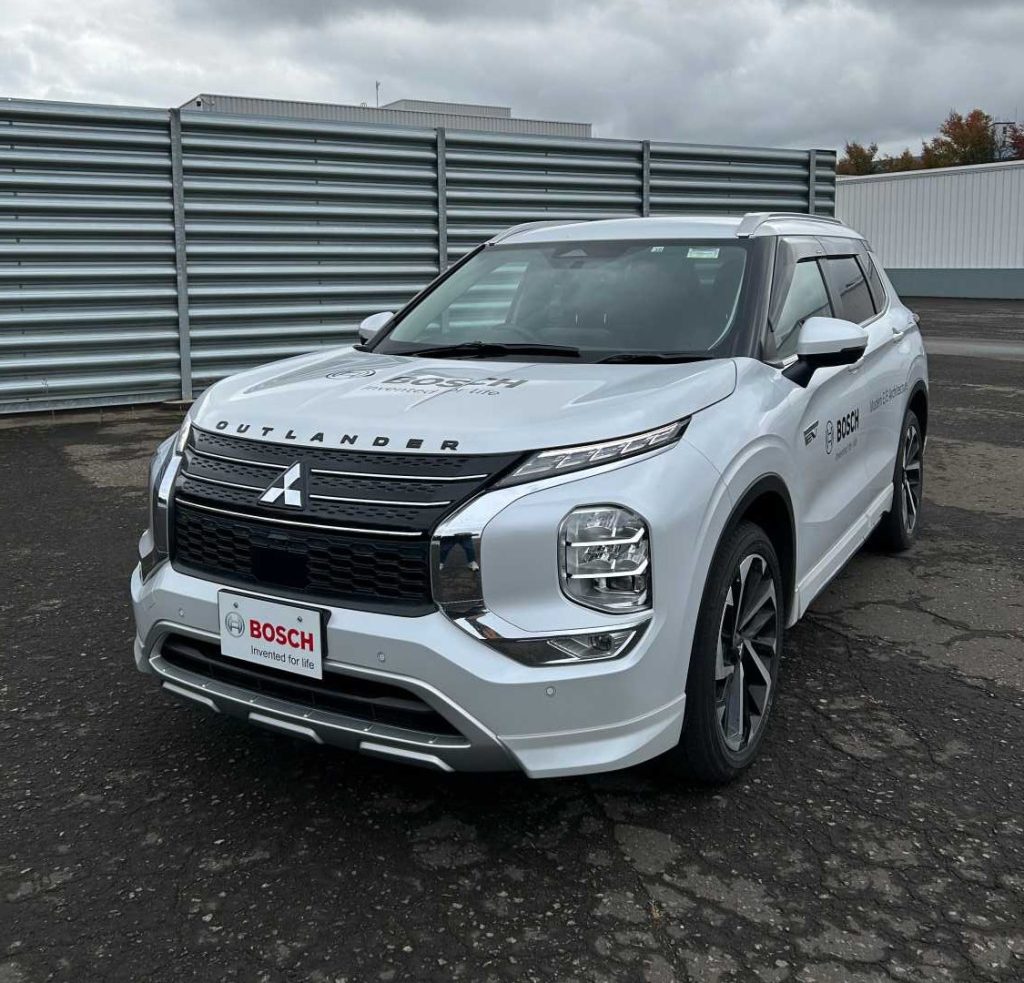
Of course, this system can be turned-off when there’s ample space to make a U-turn and only works below 20kph.
ETA can be updated and upgraded over-the-air anytime during the vehicle’s ownership lifecycle, which according to Bosch’s own research, is actually getting longer.
Another aspect of the VMM function is the ability for cars to communicate with each other in real-time using Advanced Driver Assistance Systems (ADAS), providing data such as weather conditions, hazards on the road, road closures, accidents, among others, in real time.
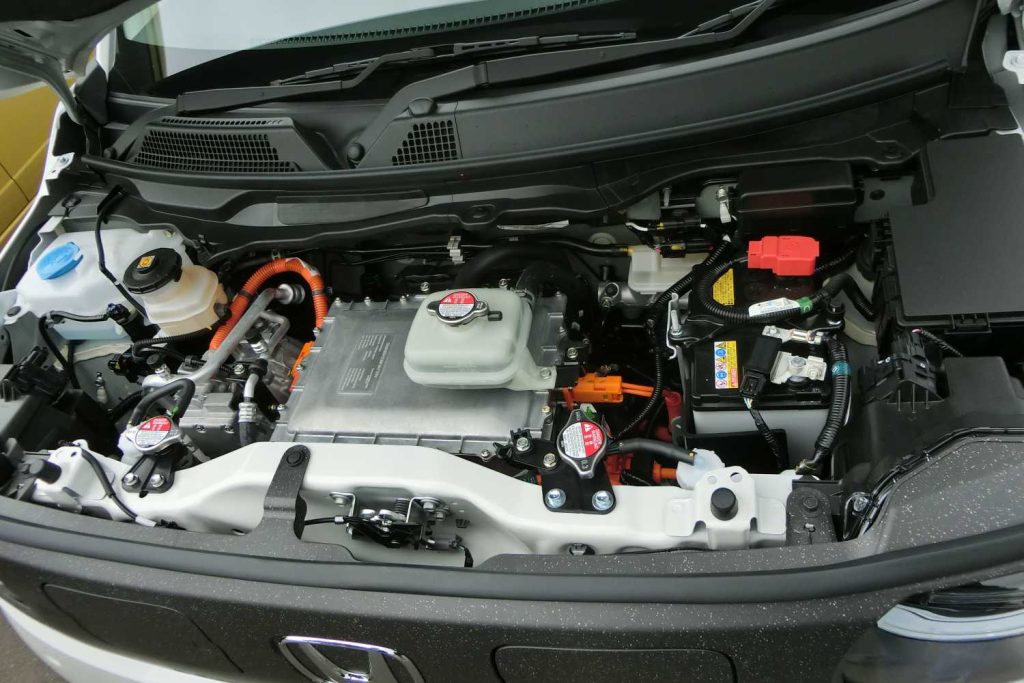
This cloud-based software is constantly being updated not by the driver – like what Waze and Google Maps currently ask you to do - but by the car itself, automatically.
For example, if the car senses you’ve driven over a pothole or bump in the road, it automatically uploads a cloud-based warning that will be fed down to all other VMM equipped cars in that vicinity.
It can also do the same for inclement weather, by sensing that the auto-wipers have been activated, temperature drops will warn of possible ice on the road, hazards like accidents and traffic jams by monitoring speed and sudden/abrupt use of the brakes, while ABS, Traction Control and Electronic Stability Programme activation will warn of possible slippery road conditions among others.
VMM – Your Own Personal Advanced Driver Instructor in the Car
Here’s an age-old question that Bosch has answered; do modern day cars with all their convenience apps, active safety and advanced technology do too much for the driver, or does said technology make one a better driver?
According to Bosch, its Race Performance & Innovation (for Sports/Track) Vehicle Motion Controller software enhances the “fun to drive” aspect of vehicle ownership in Sports Mode by actually coaching the driver on proper use of brakes, accelerator and shifts for faster and safer lap times.
Think of the system as your own personal built-in Advanced Driver Instructor, and you’d get the idea of how this system functions.
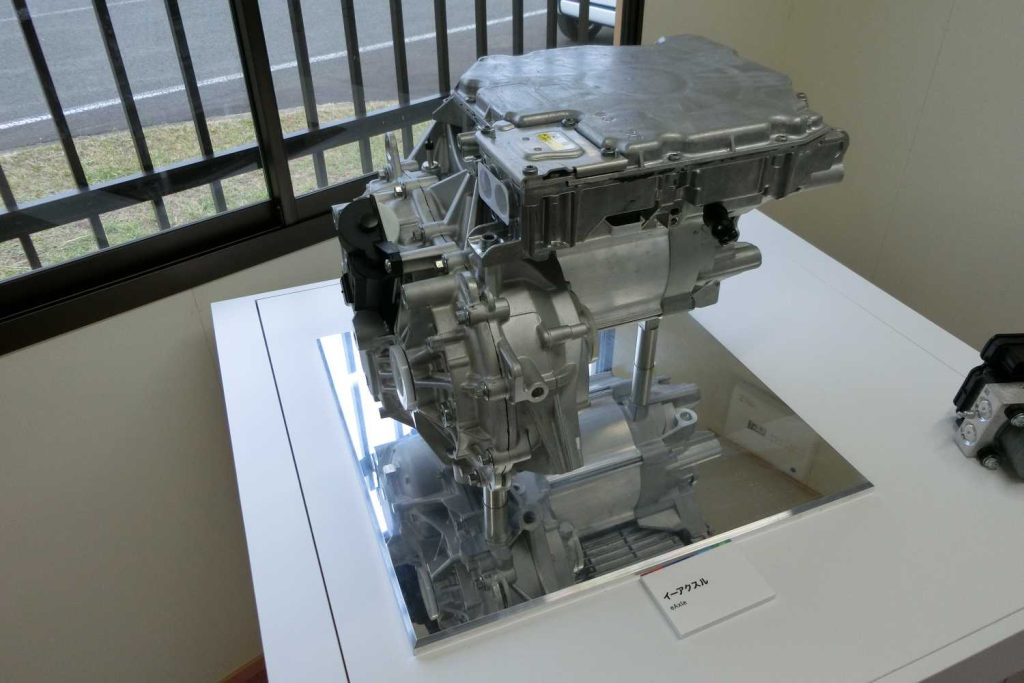
Not only does it assist the driver in achieving better spirited drive results or track lap times, it can even tailor the vehicle dynamics to suit the layout of any race track or road, using GPS to scope the terrain and type of road being driven on, and then program the drivetrain in real-time to optimise the drive given all the variables it learns in any location.
The best part is this system can be installed in any type of vehicle such as a normal family car to high performance sports car or even electrified ones.
ADAS & Connectivity – Going Further Than Just Reverse Cameras & Parking Sensors
The beauty about Bosch’s VMM systems is that they can work with already existing ADAS technology that’s already an OEM fitment in many modern-day cars.
For example, if anyone has ever tried to reverse a car that has a trailer hooked-up to it will know just how difficult it is to stop the trailer from straying off the intended path such as “jack-knifing”.
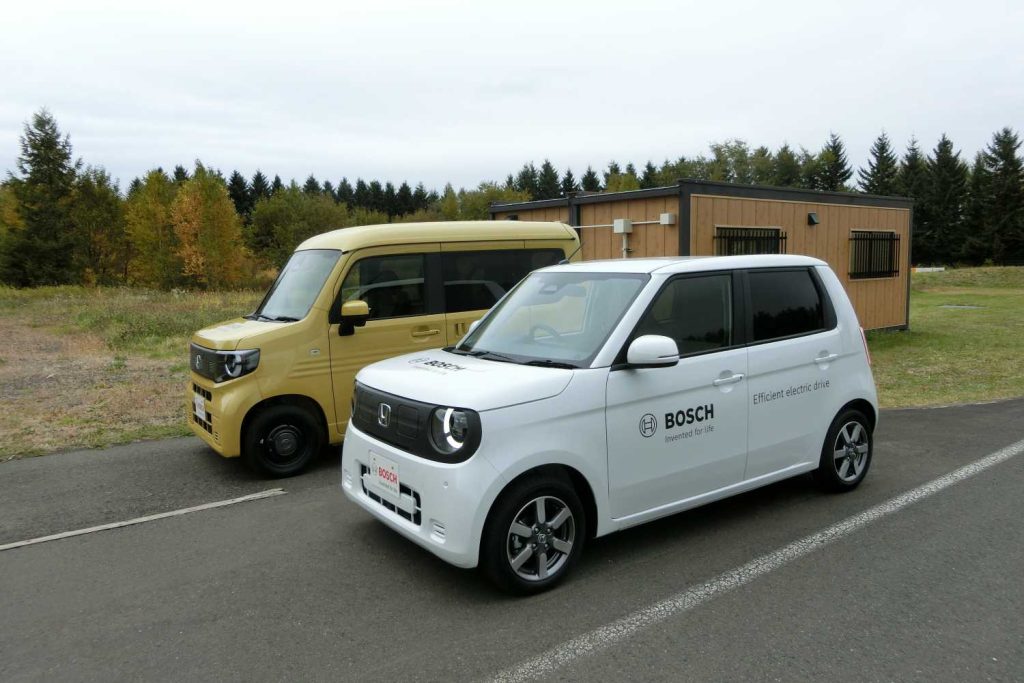
Trailer Tow Assist uses the cars’ reverse camera and sensors as well as Park Assist to ensure the trailer and car act as one when backing up, keeping both on the straight and narrow.
The driver doesn’t even need to hold the steering wheel, TTA does it all for you.
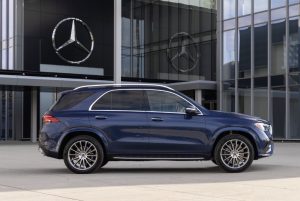
We were allowed to test this on a Mercedes-Benz GLE and the results were nothing short of remarkable.
No one was able to keep the trailer in a straight line while reversing, without TTA.
The Future of Vehicle Ownership – Connected Solutions for More Peace of Mind
Through their own research, Bosch has found that the next generation of car buyers desire peace of mind and convenience more than anything else when it comes to vehicle ownership, and where their car is merely an extension of their home, but a home that gets them from A to B without the need for public transport.
Owners do not want the inconvenience of visiting workshops anymore, or worse, the hassle of breakdowns.
In that respect, Bosch’s Connected Solutions allows the car to actually monitor its own health by uploading vehicle data via a cloud-based Flexi Data Acquisition, Remote Validation and Vehicle Health & Battery.
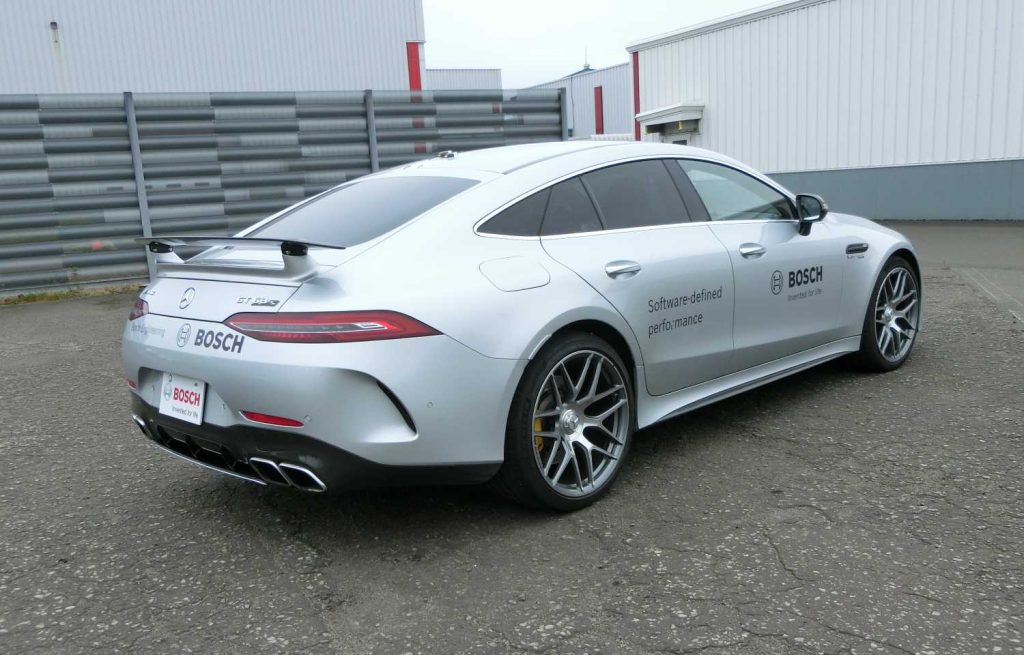
This system constantly monitors the car’s well-being and “health” throughout its ownership, and can even deploy simple “fixes” or the earlier mentioned upgrades directly to the car OTA.
In conclusion, all this is merely just the tip of the proverbial iceberg when it comes to Bosch’s vision of sustainable mobility solutions for vehicles of the future.
There are so many more VMM & SDV systems currently being developed for Bosch’s customers to adopt into their vehicles as OEM standard equipment, which in turn will eventually trickle down to benefit the end-user, us.
You may not see it, but it’s already there working for you, with you, constantly, in the background, below the sheet metal.