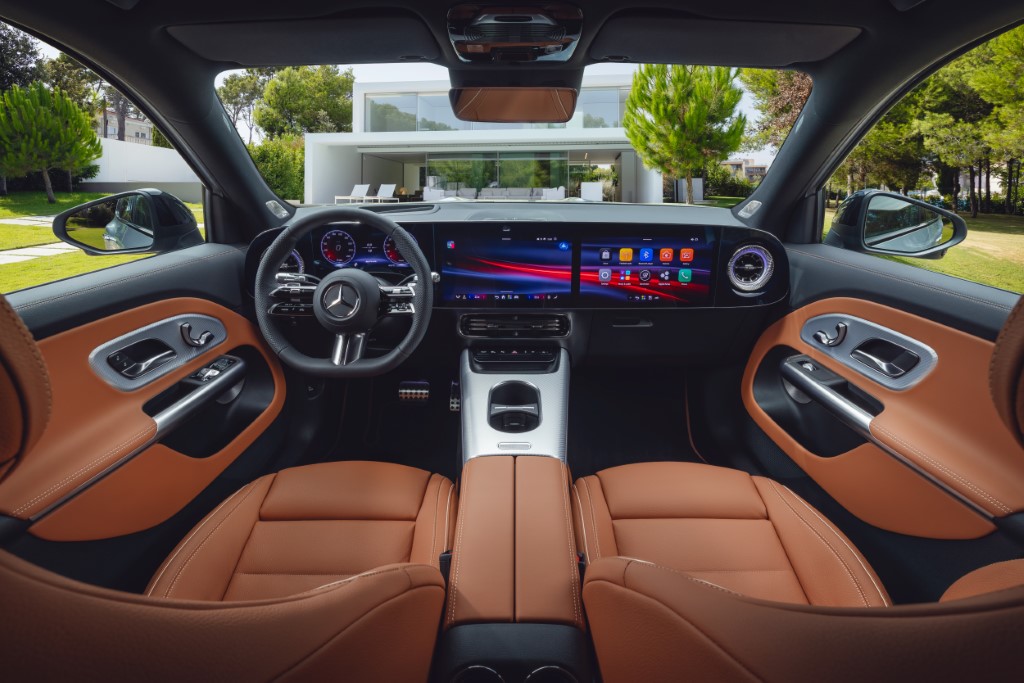
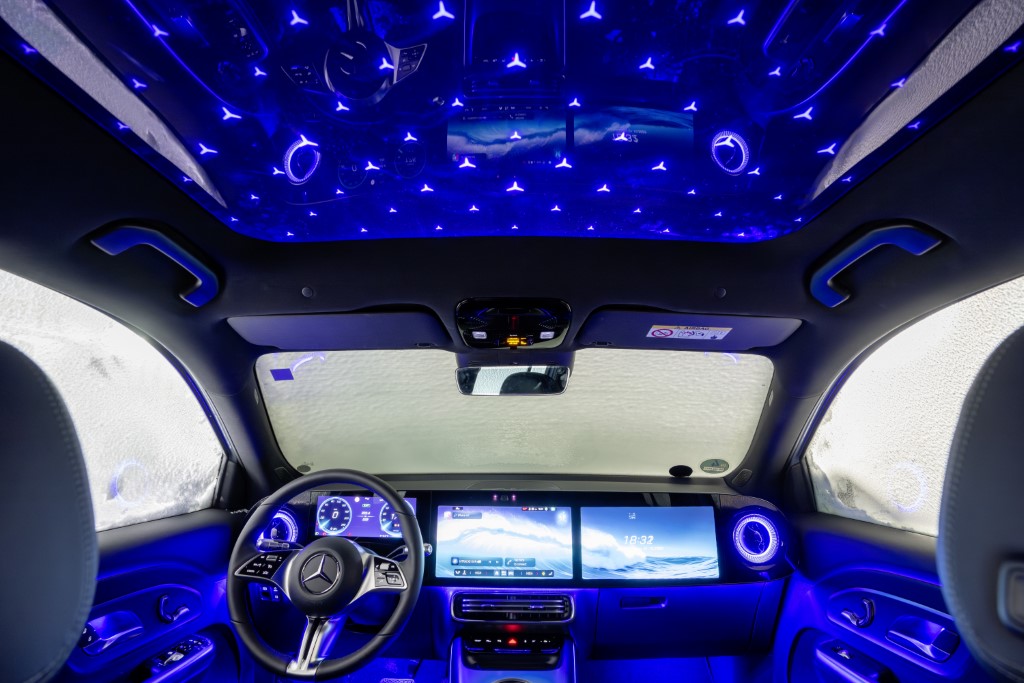
STUTTGART: The new Mercedes‑Benz GLB will have an optional, floating MBUX Superscreen, which extends over the entire width of the dashboard.
Mercedes‑Benz recently released photos, giving a first glimpse inside the new compact SUV (sport utility vehicle), before its world premiere on Dec 8, 2025.
Another highlight are the doors with a concave main body that recedes into the background and generously dimensioned, floating centre panels with an open storage compartment.
The floating centre console rounds off the design.
It connects stylishly under the MBUX Superscreen and offers a large, three-dimensional trim surface.
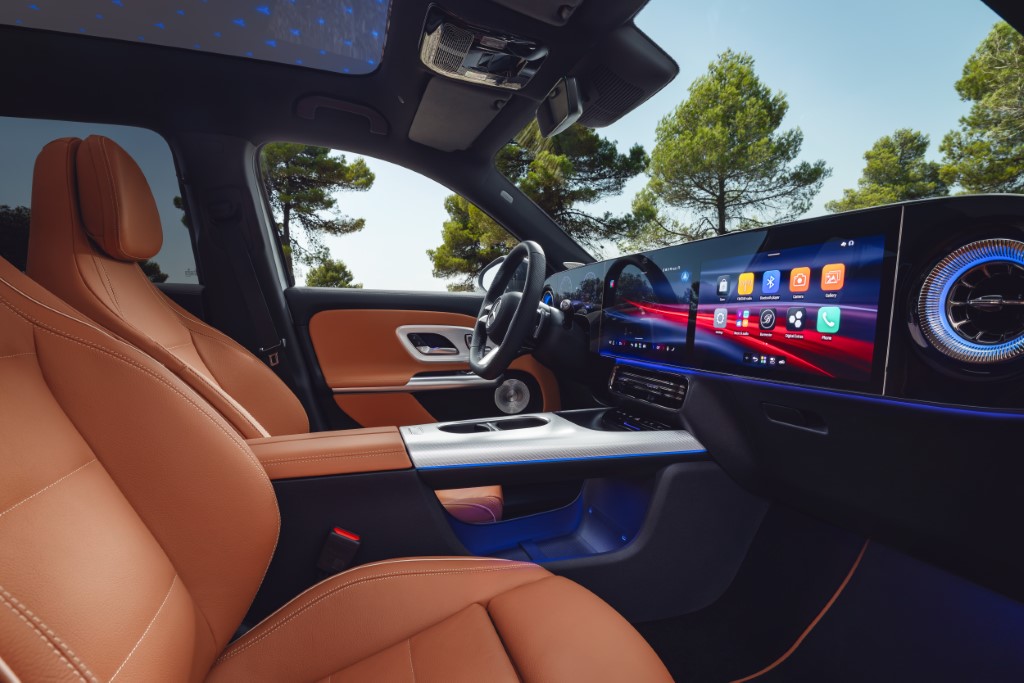
The trim integrates a smartphone storage compartment with wireless charging (optional) and cup holders.
The new steering wheel is designed to be even more ergonomic and is more intuitive to operate.
Mercedes‑Benz has re-introduced a rocker switch for the limiter and Distronic, as well as a roller switch for volume control.
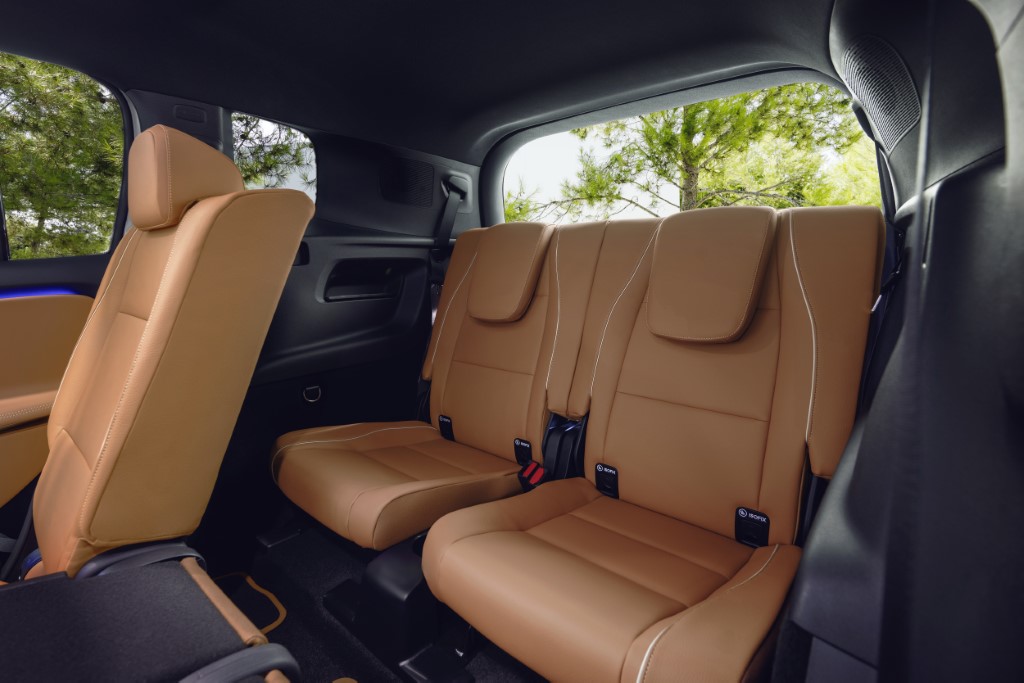
The all-new GLB is available as a five- and seven-seater.
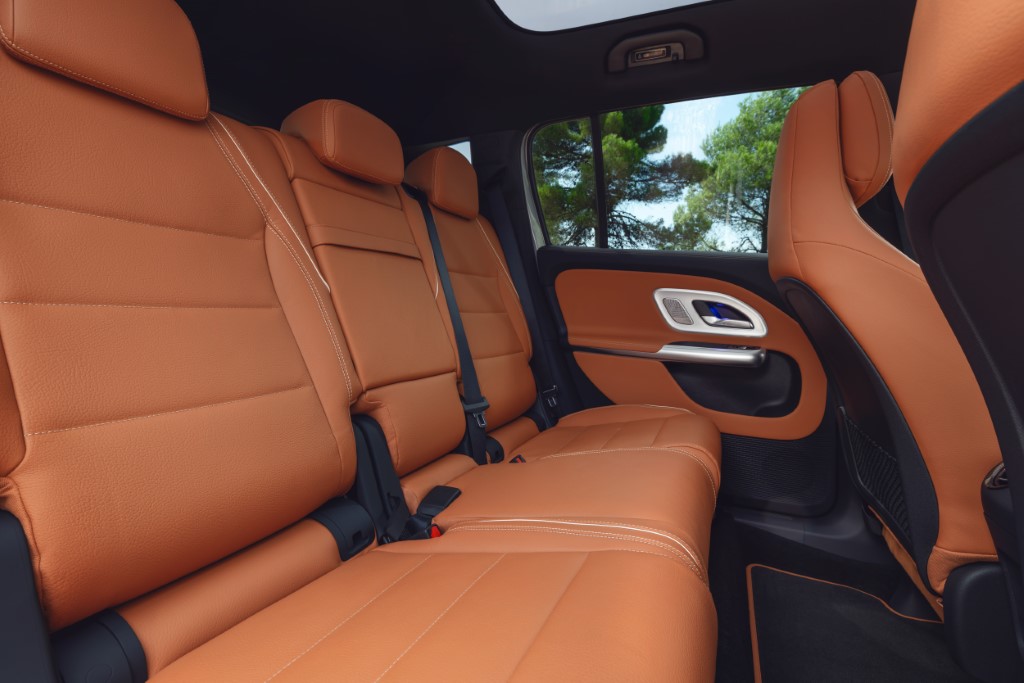
Compared to its predecessor, the new GLB offers noticeably more headroom in the first two rows of seats.
This is due to the roofline of the SUV as well as the standard panoramic roof.
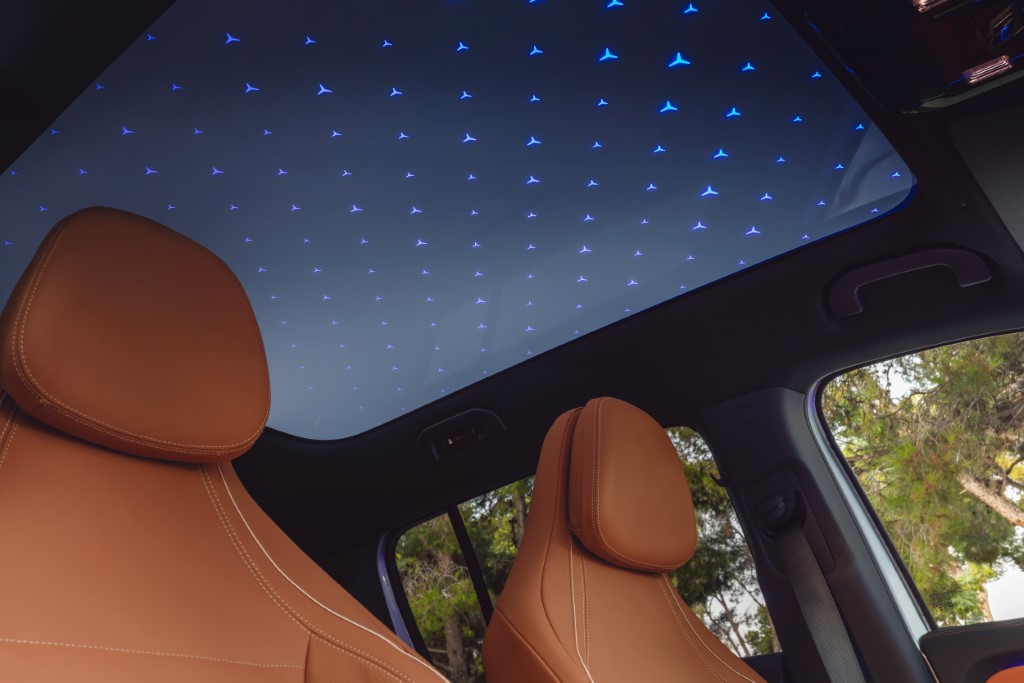
The large panoramic roof sets a new standard in the segment.
To protect against solar radiation, it consists of heat-insulating laminated safety glass with an infrared-reflecting coating and a low-emissivity (LowE) coating on the inside.
This reduces heating of the vehicle interior in summer.
Meanwhile, the Mercedes-Benz Operating System (MB.OS) superbrain transforms the all‑new GLB into an intelligent companion.
Combined with the fourth MBUX generation, the very latest operating concept delivers redesigned welcome animations, the advanced Zero Layer function, an extensive range of apps, the MBUX Virtual Assistant with various emotionally responsive avatars and powered by generative artificial intelligence, navigation with Google Maps and powerful 3D MBUX Surround Navigation.
Driver assistance systems include Distronic distance control as standard in Europe.
The hardware comprises eight cameras, five radar sensors, 12 ultrasonic sensors and a water-cooled high-performance computer.
The new GLB is currently completing intensive cold-weather testing at the Mercedes Technology Center (MTC) in Sindelfingen, Germany.
The temperature range in the so-called cold tunnel basically extends from -40 to +40 degrees Celsius.
This covers practically every conceivable weather condition in the real world and includes a generous buffer.
Cutting-edge snow cannons allow snow production with a wide variety of snow types over a wide temperature range.
Combined with the wind tunnel’s high-powered fan, Mercedes‑Benz can simulate fierce blizzards where snowflakes race towards the test vehicle at speeds of up to 200kph.
Meanwhile, in the heat chamber, temperatures from -10 to +60 degrees Celsius can be generated.
There is also a solar simulation system with 32 lamps, delivering a radiation spectrum that corresponds to natural sunlight.
Over an 8 x 2.5‑metre area, the radiation intensity can be varied between 200 and 1,200 watts per square metre.
The highest level is comparable to very intense sunshine, such as that found only in remote desert locations, such as Death Valley in the USA.
Another development tool in the heat tunnel is the so-called “Hot Road”.
This is a simulated road surface where the temperature there can be continuously adjusted between +50 and +70 degrees Celsius, precisely replicating the thermal conditions of a road surface on a scorching summer day.
The goal here, too, is to create conditions that are as close to reality as possible.