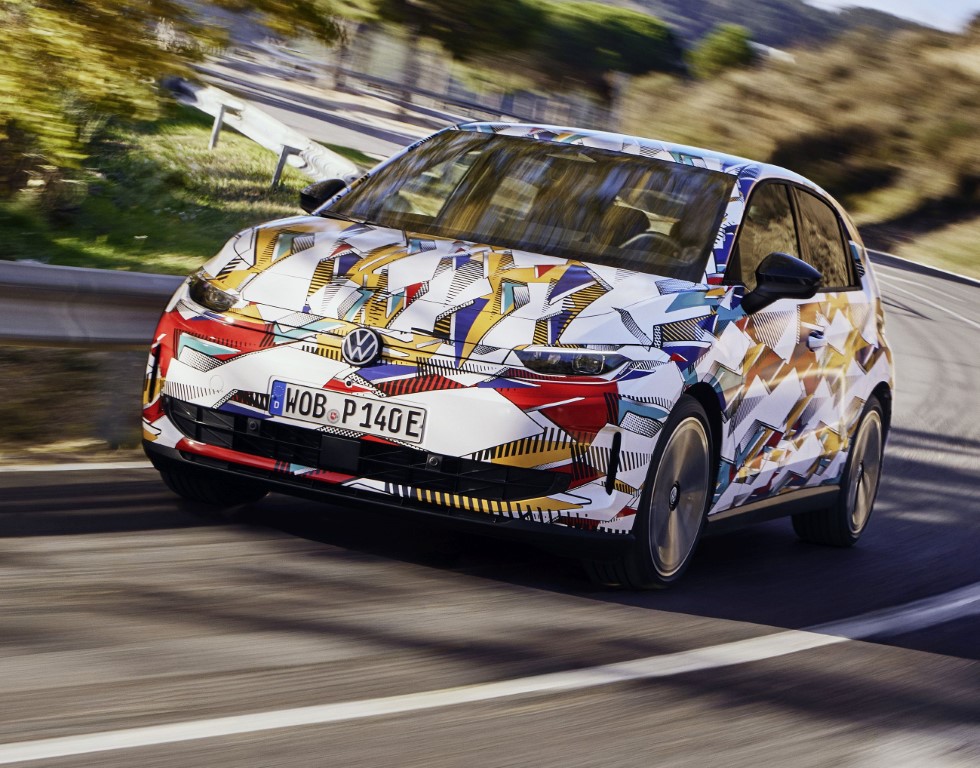
WOLFSBURG: A fleet of almost production-ready Volkswagen ID. Polo prototypes is covering the final test kilometres in numerous regions worldwide, just a few months before its world premiere.
"With an entry-level price starting at 25,000 euros (RM120,110), we are making electric mobility accessible to many people in Europe. And this is just the beginning: In 2026, we will launch six new electric models," said Volkswagen brand CEO Thomas Schäfer.
The ID. Polo is the first model to feature the new ‘Pure Positive’ design language by Volkswagen design head Andreas Mindt.
The result is a compact electric model offering more space and precise driving characteristics.
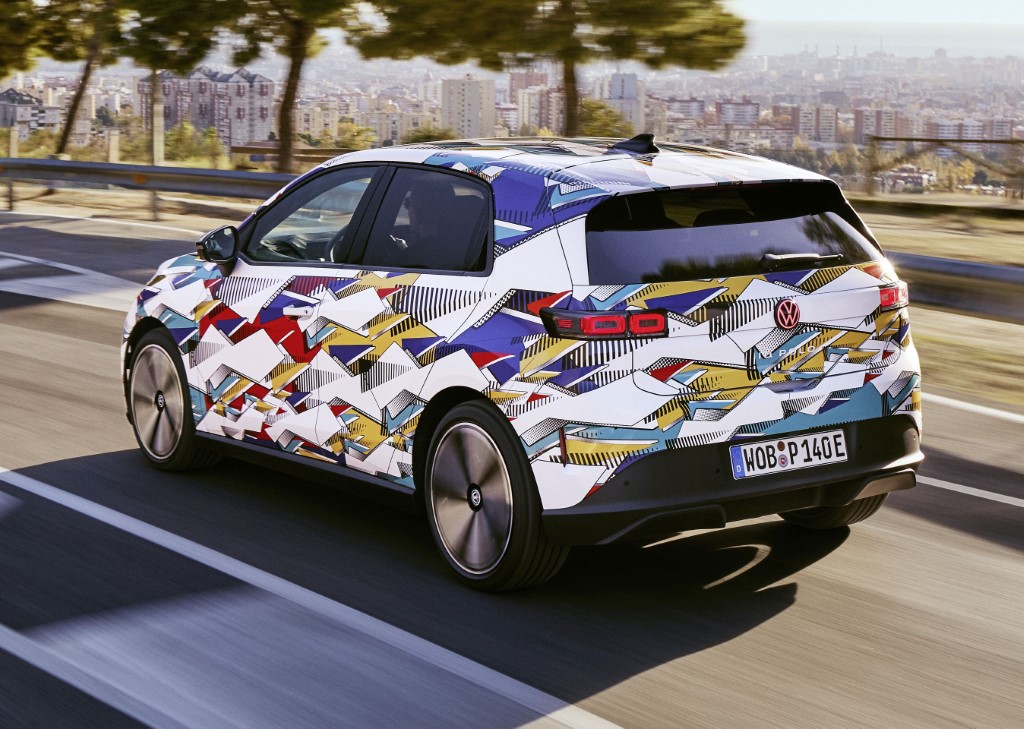
In addition, it is the first model in the electric ID. family to bear the established Volkswagen name Polo.
At its debut in spring 2026, the ID. Polo will be available in three power outputs: 85kW (116PS), 99kW (135PS) and 155kW (211PS).
The sporty ID. Polo GTI with 166kW (226PS) will follow later in the year.
The 85kW and 99kW versions will come as standard with a 37kWh (net) LFP (lithium iron phosphate) high-voltage battery.
This can be charged at DC rapid-charging points with up to 90kW.
The 155kW and 166kW versions will be powered by an NMC (nickel manganese cobalt) variant of the new PowerCo unified cell, with an energy content of 52kWh (net), enabling ranges of up to 450km and charging at up to 130kW DC.
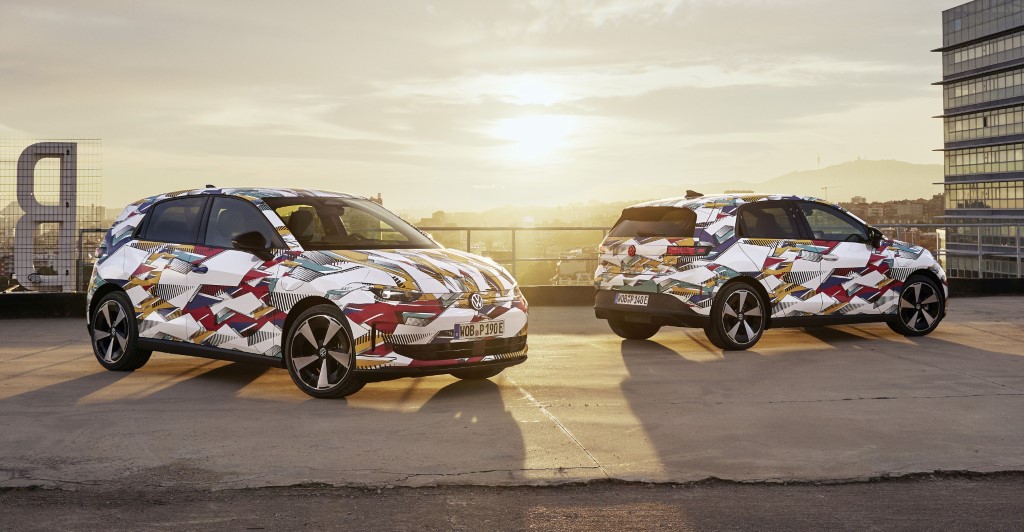
The ID. Polo features a newly developed front-wheel drive.
It is based on the further developed Modular Electric Drive Matrix: MEB+.
The new electric drive reduces complexity, the number of components and weight.
Key modules include a Volkswagen electric motor of the latest generation, called APP 290.
Integrated flat in the underbody is a new battery generation: the PowerCo unified cell, which uses cell-to-pack technology.
This eliminates the intermediate step via module housings and combines the cells directly into a battery pack – reducing price, installation space and weight while increasing energy density by about 10 per cent.
The benefit: more range.
Next-generation assistance systems include the enhanced Travel Assist: the system can enable assisted lateral and longitudinal guidance and assisted lane changes on motorways.
In addition, Travel Assist in the ID. Polo will for the first time offer traffic light and stop sign recognition.
Although its size is roughly comparable to the classic Polo (MQB, Modular Transverse Toolkit), the electric ID. Polo offers clear space advantages thanks to the compact drive modules of MEB+: passengers benefit from an extra 19mm of interior length, particularly noticeable in the rear.
Interior width and headroom have also increased.
The luggage compartment volume has grown by 24 per cent compared with the classic Polo – from 351 to 435 litres.
With the rear seatbacks folded down, the load volume rises to 1,243 litres (compared with 1,125 litres in the classic Polo).
This extra space makes the four-door, five-seater ID. Polo more versatile than any of its predecessors.
The ID. Polo will be built at the Seat and Cupra plant in Martorell, Spain.