It takes teamwork: Tips for motorcycle rides with a passenger
By DPA | 23 April 2021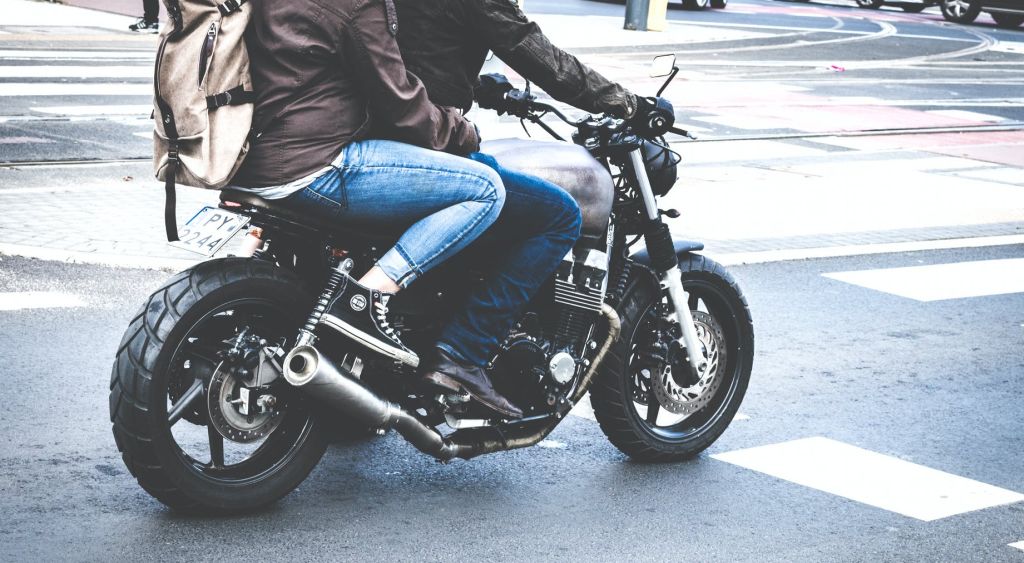
HAMBURG: Curvy country roads or a straight avenue. Every motorcyclist has a favourite route and it's nice to be able to share this with friends or family members as pillion passengers.
However, there are a few precautions to take to ensure that the journey is enjoyable and safe for both the motorcyclist and their passenger.
An understanding between these two people is crucial, according to motorbike specialist Joerg Lohse. "The journey is like teamwork, both people have to coordinate with each other," he says.
If both are travelling together for the first time or after a long break they should agree hand signals or knocking signals before starting their journey.
"These are used for quick communication, for example to warn against riding too fast or to call for a break," Lohse says. A more high-tech system is to have an intercom fitted into the two helmets.
Before the first big tour, Lohse recommends a practice ride in a large parking lot or an empty industrial street.
"When there is no traffic in sight, the team can practise acceleration, braking, emergency braking and cornering, and refine their interaction," he says.
Especially for newbies, motorcycling is a new and dynamic driving experience that needs to be practised.
Lohse considers suitable all motorcycles that have a wide, soft, long and comfortable seat, such as travel enduros or tourers.
Even if machines are designed for two-person use with rear footrests and handles, road safety expert Juergen Bente says that some technical adjustments may be necessary.
For example, depending on the manufacturer the bike might require pre-loading of the rear spring or an increase in tyre pressure.
Exact instructions will usually be found in the motorcycle's manual. It's also important not to exceed the total permissible weight.
Michael Lenzen, the chairman of Germany's Federal Association of Motorcyclists, advises caution when getting on the machine.
"The easiest way to get on is when the rider holds the machine with a secure stance, the pillion passenger steps on a footrest and pulls themselves up with one hand on the shoulder of the rider," he says.
Prudent riders will start off slowly and will avoid leaning too much as well as heavy acceleration and violent braking. For the pillion passenger, they'll find a secure hold by hugging the rider at the hip.
Built-in handholds can be useful, but usually shift the focus towards the rear. "That is why we advise friends or family members to grip the rider," Lenzen says.
"In addition to the agreed hand signals, the pillion passenger should adopt the same posture and movement as the rider, such as leaning into curves," Bente says.
During cornering, the pillion passenger should ideally drop down into the curve to avoid the two helmets colliding when the rider brakes.
The rider also has to adapt to having a passenger onboard. "Because of the higher weight, the driving behaviour changes," Bente says. "The acceleration and braking distance take longer. The rider also needs to put more pressure on the brake lever."
Another tip is not to overdo it when starting out. "Especially the first trip when the pillion passenger has not yet got used to motorcycling doesn't have to be long," Lenzen recommends.
Tags
7.4
Jaecoo J8 2WD: Rugged refinement
Alfa Romeo Stelvio Veloce: Memorable run at every turn
Proton e.MAS 7 PHEV: Loud and proud
8.5
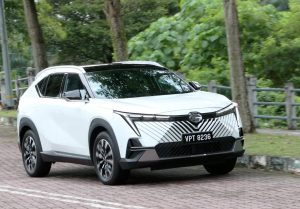
GAC Emkoo Premium Pro: An unexpected discovery
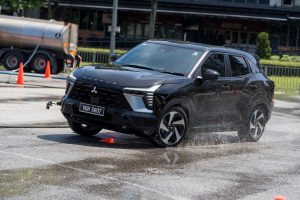
Mitsubishi Xforce: Ultimate show of force
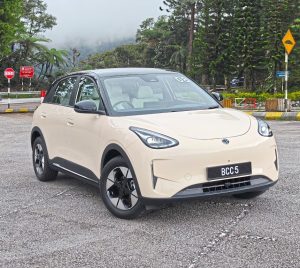
Proton e.MAS 5: Gold rush up Genting
7.6
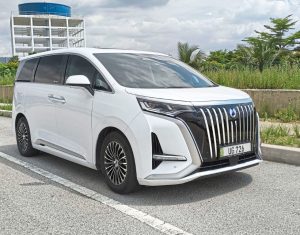
Denza D9 Premium AWD: Alternative indulgence
8.1
Mazda BT-50 High Plus: Big and bold

BYD Atto2's rotating centre display

Free & Easy Media Test: Latest Proton X50 Flagship to Kuanta...

Zeekr Space Sunway City Video
