TWO years after its last iteration, the Japan Mobility Show returned with a decidedly “EV” bang.
Formerly known as the Tokyo Motor Show, this biennial event has evolved into a showcase of not just vehicles, but holistic mobility solutions encompassing land, sea, air, and beyond.
The 2025 edition heavily featured electric vehicle (EV) concepts and technology as the Japanese automotive industry embraces the global shift towards electrification.
But amidst a sea of innovative displays from Japanese giants like Honda and Mazda, Toyota Group stole the spotlight with a comprehensive reveal that blended cutting-edge concepts, brand overhauls, and a renewed commitment to “Mobility for All.”
As the world’s largest carmaker by volume, Toyota had the biggest pavilion (an entire wing of Tokyo’s humongous Big Sight event space), a bustling hub of futuristic energy, drawing crowds with interactive exhibits, AI-assisted design stations, and stage performances that blended dance, technology, and automotive heritage.
From autonomous wheelchairs conquering stairs to modular trucks empowering rural communities, the displays underscored Toyota’s ambition to make mobility inclusive, sustainable, and exhilarating.
Toyota used JMS 2025 to preview products that could hit roads as early as 2027, while addressing global challenges like electrification, accessibility, and cultural preservation.
StarCarSifu was invited to view Toyota’s new offerings at JMS 2025, and we came away impressed.
Essentially, Toyota can be divided into three distinct brands – Toyota, Lexus and Century – four if Daihatsu is included.
Toyota marque, a legacy renewed
Toyota’s booth focused on reinventing familiar nameplates while introducing rugged, adaptable vehicles for underserved markets.
The Corolla Concept was a standout, transforming the world’s best-selling car (over 55 million units since 1966) from a “reliable but bland” commuter into a sleek, aerodynamic sedan.
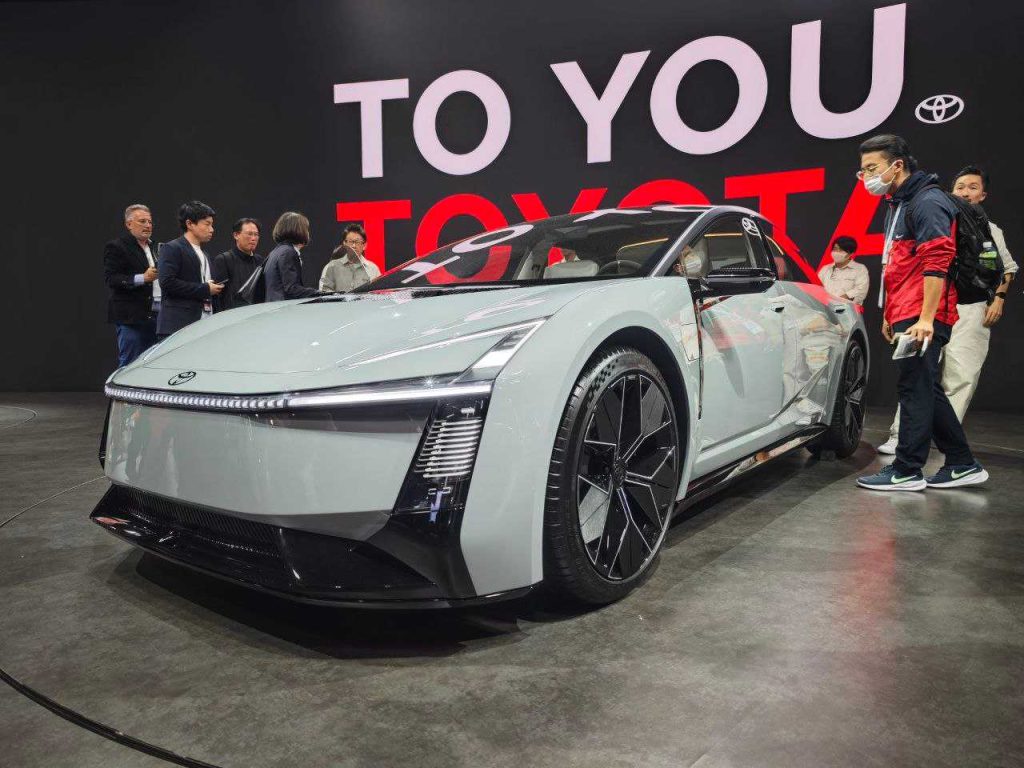
Powertrains will span full EV (with a front-wheel charge port), plug-in hybrid, strong hybrid, and even carbon-neutral ICE options using new 1.5- and 2.0-litre engines—smaller, lighter, and more efficient than current ones.
One of the most popular vehicles with the Asian media was the Land Cruiser FJ.
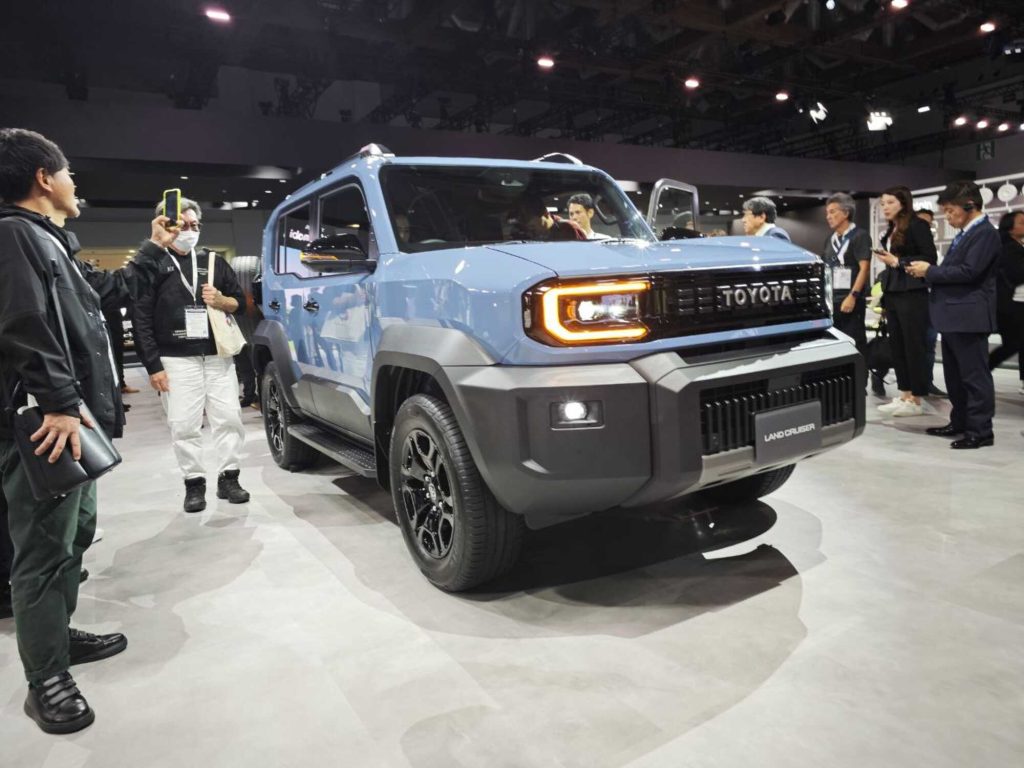
Positioned as the entry-level Land Cruiser, this fourth-generation FJ is a true off-roader that offers a simple, practical and reliable option for enthusiasts.
Launching in the middle of next year and produced in Thailand, the FJ could be available to the Malaysian market as early as 2027.
Lexus: Expanding luxury
What caught the eye was the LS Concept – a six-wheeled MPV-looking like an Alphard on steroids.
This six-wheeler seats up to seven in lounge-like rows.
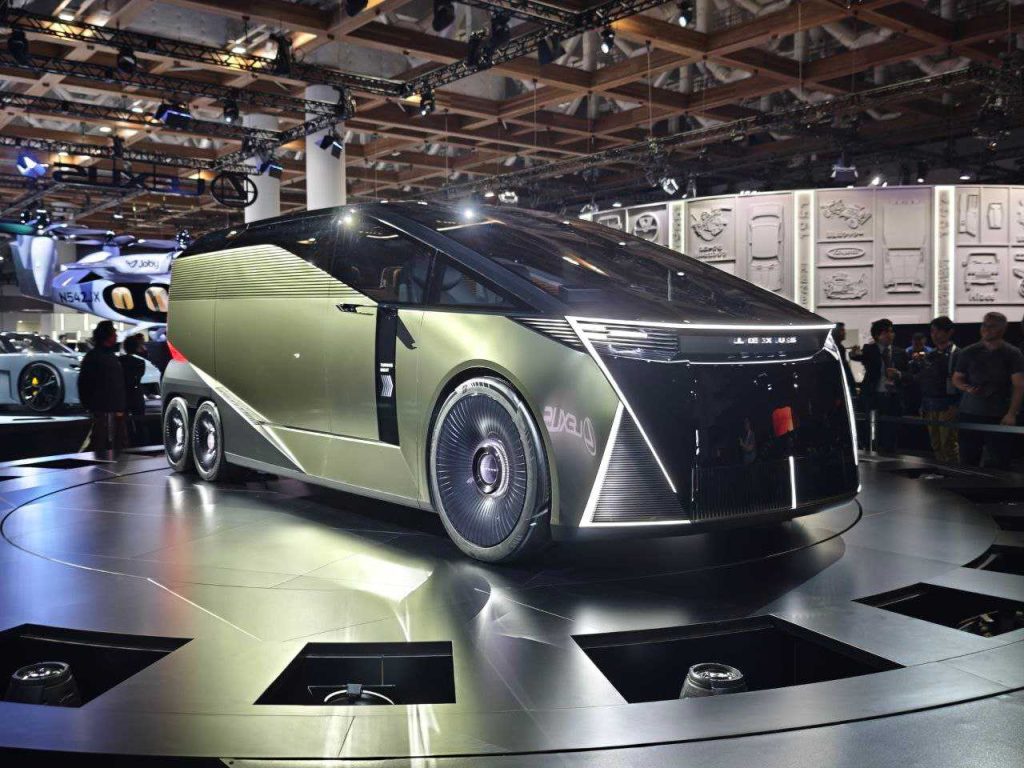
Over five meters long, it features a flowing windshield-to-bumper design, U-shaped rear lights, and camera mirrors.
Complementing it, the LS Coupe Concept is a driver-focused crossover with a panoramic glass roof and “duality” appeal – fun for drivers, serene for passengers.
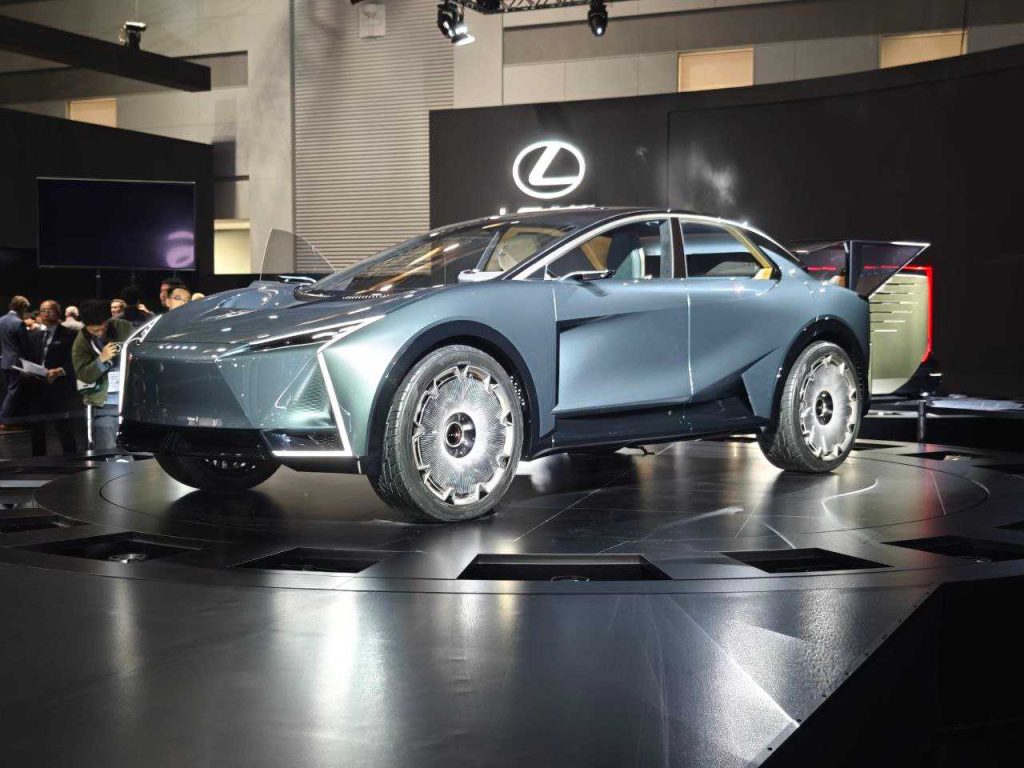
Century is the new ultra-lux crown jewel
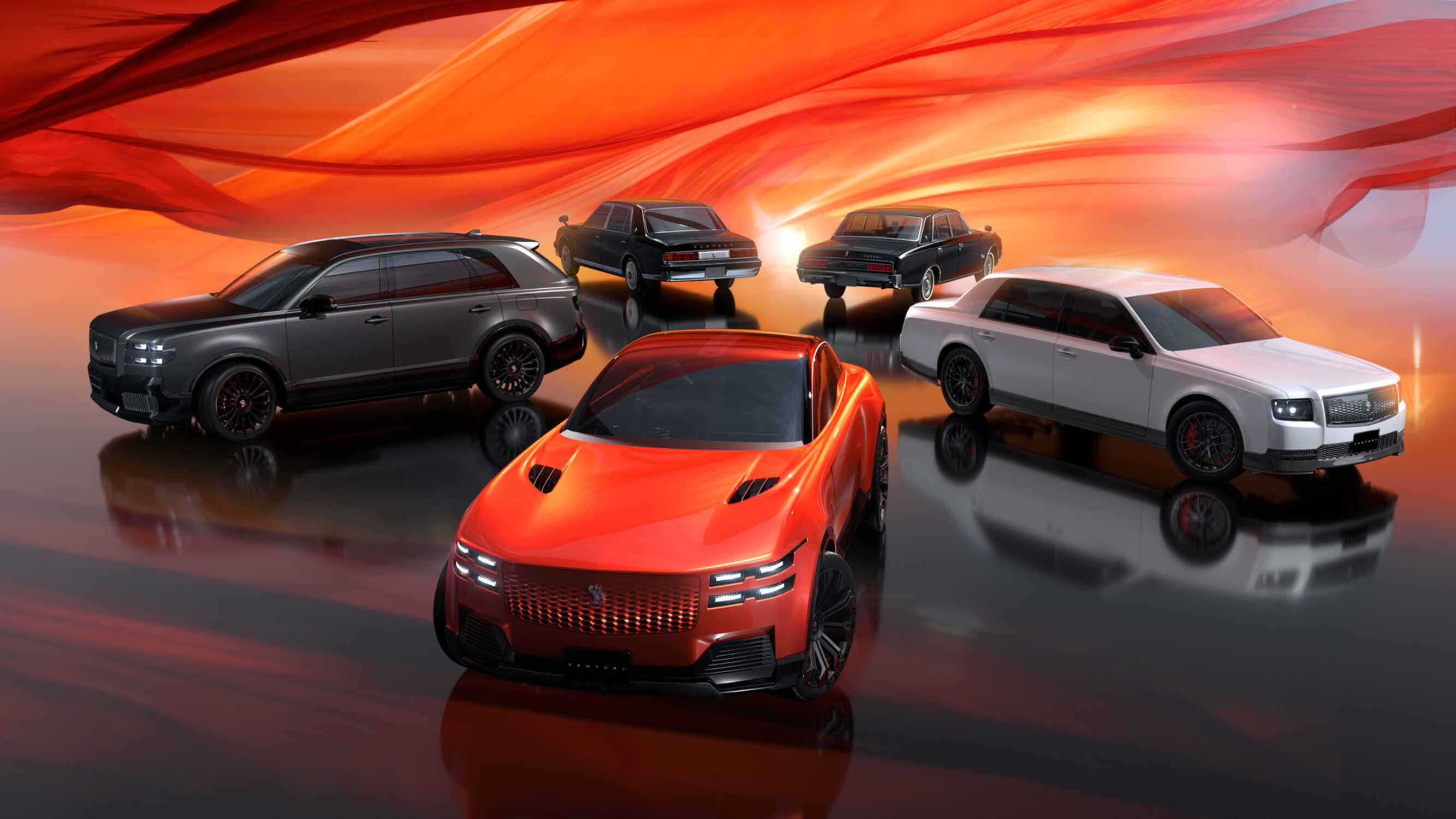
One of the day’s biggest announcements was the elevation of the Century nameplate into a standalone brand, positioned above even Lexus in Toyota’s luxury ladder.
Launched in 1967 as Japan’s answer to Rolls-Royce, the Century has long symbolised refined craftsmanship and national pride.
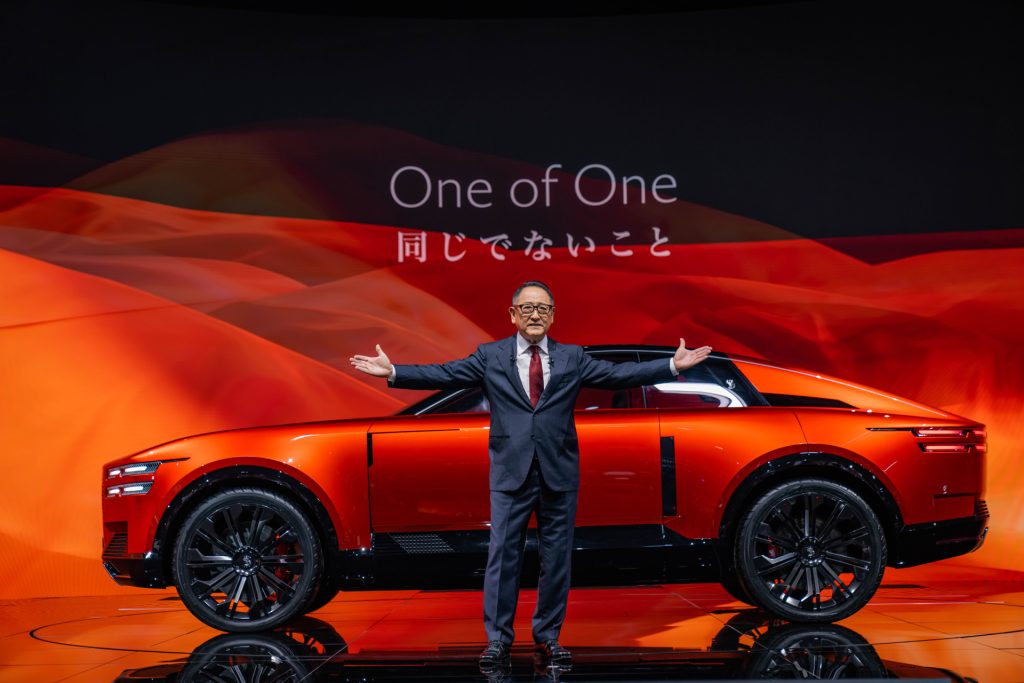
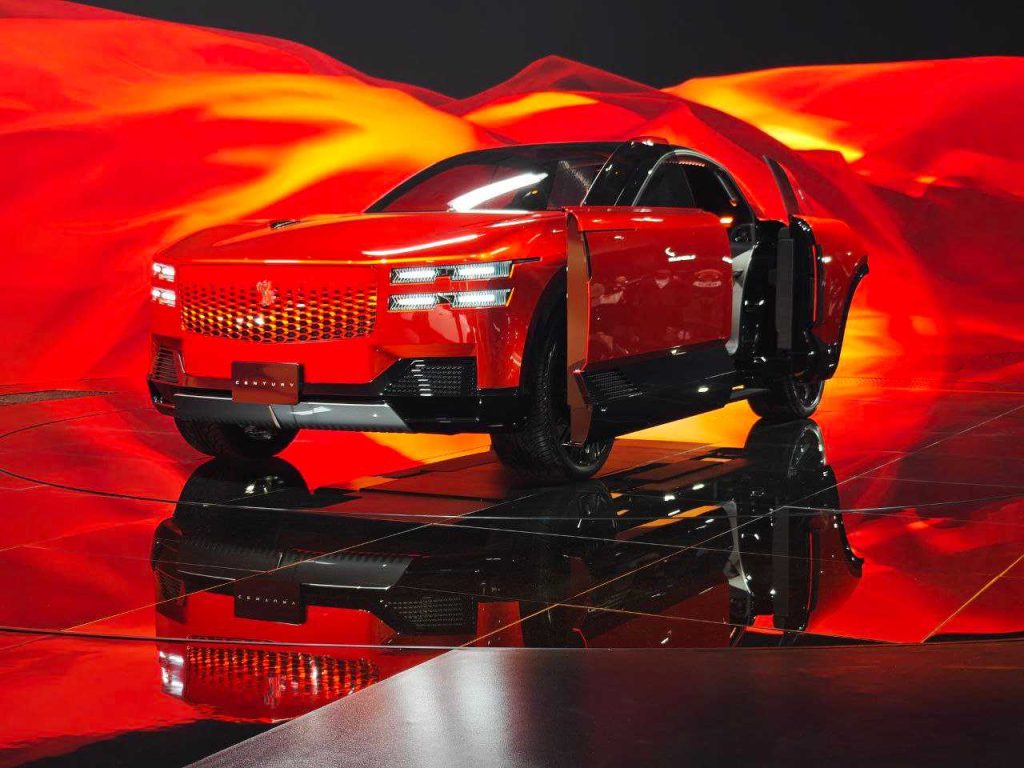
The Century Coupe Concept is a striking two-door coupe-SUV prototype finished in a vivid orange with 60 layers of hand-applied paint for a jewel-like depth.
Featuring split LED headlights flanking a body-matched honeycomb grille, the interior promises bespoke customisation, from colors to finishes, targeting buyers seeking privacy and performance in equal measure.
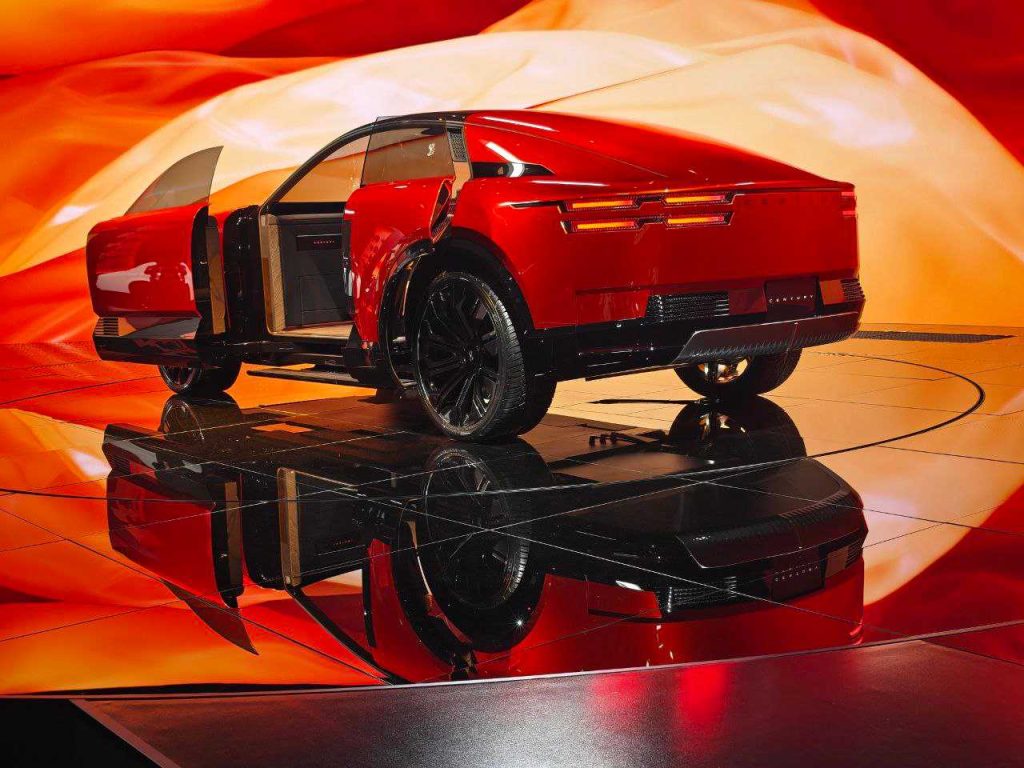
Toyota Motor Corp chairman Akio Toyoda, who presented the model, framed it as a “symbol of Japan’s pride.”
No surprise then that it aims to compete globally with Bentley and Mercedes-Maybach.
You can’t just walk into a dealership and pick up a Century – you need to be invited to do so.
What’s next for Toyota in Asia
At a separate briefing on the sidelines of JMS 2025, journalists met with Toyota Motor Asia CEO Masahiko Maeda who announced plans for the company to introduce more than 10 EV models in Asia over the next 3 years.
“By delivering accessible low and zero-emission mobility solutions, Toyota will address the diverse needs of our Asian customers,” he said, adding that this lineup will include affordable hybrid electric vehicles (HEVs), driving forward the mass expansion of its “Multi-Pathway Approach”.
This multi-pathway approach is a strategy that Toyota has in place until 2030.
Essentially, it involves a flexible utilisation of powertrains, fuels and energy.
Take the new 2026 Corolla as an example.
Toyota will offer six different engine options – a battery electric vehicle (BEV), plug-in hybrid electric vehicle (PHEV), hybrid electric vehicle (HEV), internal combustion engine (ICE), hydrogen (H2) and a fuel cell electric vehicle (FCEV).
Using this multi-pathway strategy Maeda said the company is targeting 30% electrified vehicle (xEV) sales in Asean by 2030.
“We will also begin local production of BEVs in Thailand and Indonesia by the end of this year. Over the next three years, Toyota aims to introduce more than 10 additional xEV models across Asia,” he said.
This includes expanding its affordable hybrid electric vehicle lineup with the introduction of the Yaris ATIV hybrid model.
“Additionally, Toyota is committed to hydrogen initiatives with hydrogen refueling station demonstrations in Asia,” he added.
As a result of these carbon neutrality initiatives, Toyota in Asia’s xEVs cumulative sales is estimated to exceed 1.5 million units by 2030, which is equivalent to 25 million trees or 8 million tonnes of CO2 reduction.