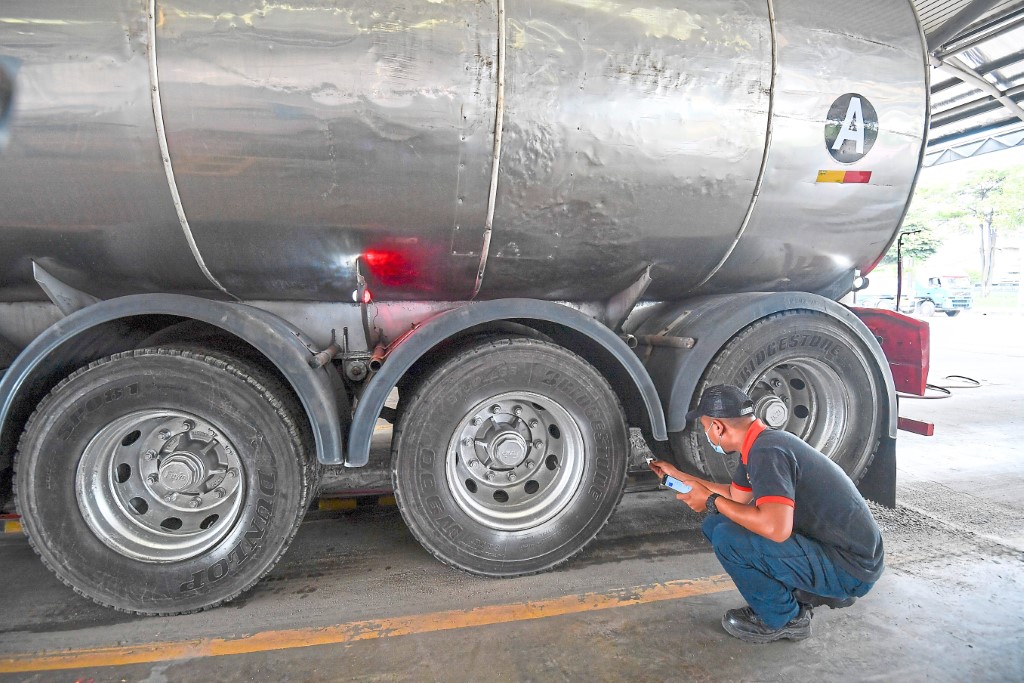
SHAH ALAM: Puspakom Sdn Bhd has announced the implementation of a revised brake inspection protocol for lorries, effective from Jan 12.
Introduced following a directive by the Road Transport Department (JPJ) under the Transport Ministry, the protocol aims to strengthen road safety by addressing unsafe brake settings.
Under the protocol, heavy vehicles will fail inspection if brake settings are found to be excessively tight or excessively loose, conditions that can significantly increase the risk of loss of control, longer stopping distances, and serious road accidents involving other motorists.
Puspakom CEO Mahmood Razak Bahman emphasised that the requirement forms part of JPJ’s updated enforcement standards, which Puspakom is mandated to implement as Malaysia’s premier vehicle inspection company.
“Brake performance is one of the most critical safety elements in heavy vehicles. Settings that are too tight or too loose compromise a driver’s ability to control the vehicle, particularly during emergency braking or when travelling downhill,” he said.
Mahmood explained that one of the key aspects assessed under the revised protocol is drag force, which refers to resistance in the braking system that occurs even before the brake pedal is applied. Excessive drag force indicates that brakes may already be partially engaged, increasing heat buildup and reducing braking efficiency over time.
He acknowledged that while the majority of vehicle owners and operators comply with safety standards, a small number temporarily adjust brake settings to pass inspections before reverting the system for operational convenience.
“This practice places not only the driver at risk, but also other road users who share the same roads,” Mahmood added.
The revised protocol addresses this issue by ensuring that brake systems are assessed based on safe operational parameters, rather than short-term adjustments made solely for inspection purposes. This approach helps prevent unsafe vehicles from returning to the road in a condition that could endanger lives.
According to Mahmood, the enhanced inspection approach is designed to:
● Deter unsafe practices and improper brake adjustments
● Protect compliant operators from unfair competition
● Reduce the risk of heavy vehicle-related accidents on public roads
“Road safety is a shared responsibility. While Puspakom conducts inspections, the safety of a vehicle ultimately depends on responsible maintenance by owners, operators, workshops, and drivers,” he stated.
Mahmood also urged vehicle owners and operators to work with certified workshops to ensure brake systems are properly calibrated and maintained before presenting vehicles for inspection, in line with regulatory requirements.
“We are committed to supporting JPJ’s efforts to improve road safety outcomes, while continuing to engage with industry stakeholders to ensure clarity on inspection standards and procedures.”
He added that regular reviews of inspection protocols are necessary to ensure safety standards remain effective as vehicle technology and road and transport policies continue to evolve.
“We urge all vehicle owners and operators to treat inspections as a safety safeguard, not a hurdle, because the condition of every heavy vehicle on the road affects the lives of everyone around it,” he said.