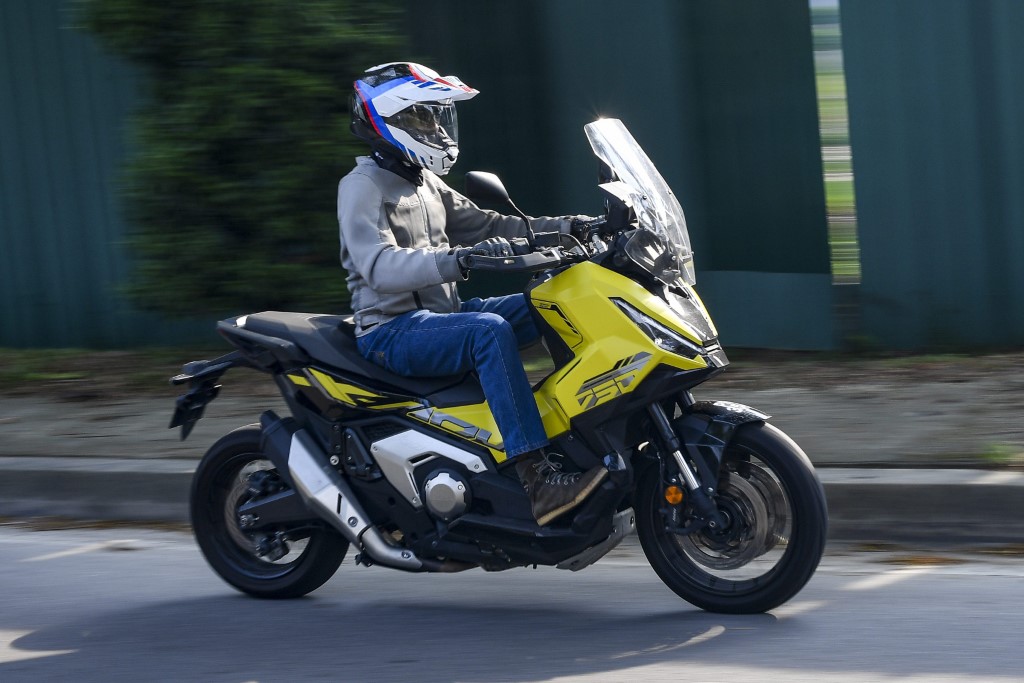
I have always liked the idea of adventure scooters. They promise the comfort of a maxi-scooter but with just enough ruggedness to tempt you down roads you would normally avoid.
After spending several days with the 2026 Honda X-ADV 750, including plenty of city miles, a long highway stint and a ride up Fraser's Hill, I came away thinking Honda has refined an already impressive package.
The first thing that struck me was the design. I think Honda has resisted the temptation to overstyle it.
Instead, the ADV 750 look purposeful, muscular and unmistakably premium.
The sharper LED lighting, revised front fascia and subtle bodywork updates give it more presence without making it look busy.
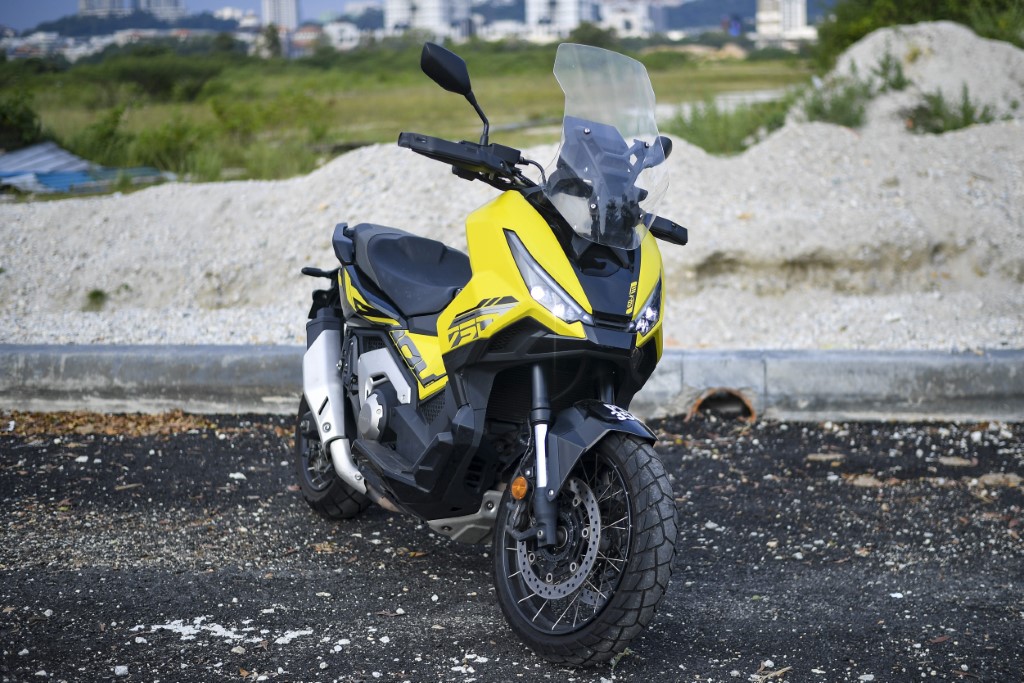
Everywhere I looked, the fit and finish reminded me why Honda has such a strong reputation.
The panels fit together beautifully and nothing rattled, even after hours on some rough roads.
I was slightly concerned about the 237kg weight before riding it. You will agree, it isn't exactly lightweight.
Yet once I pulled away, I almost forgot about the numbers. The low centre of gravity works wonders.
I could filter through Kuala Lumpur traffic without feeling like I was wrestling a heavyweight machine.
Pushing it around a parking lot still required a bit of effort, but once moving, I rarely thought about its mass.
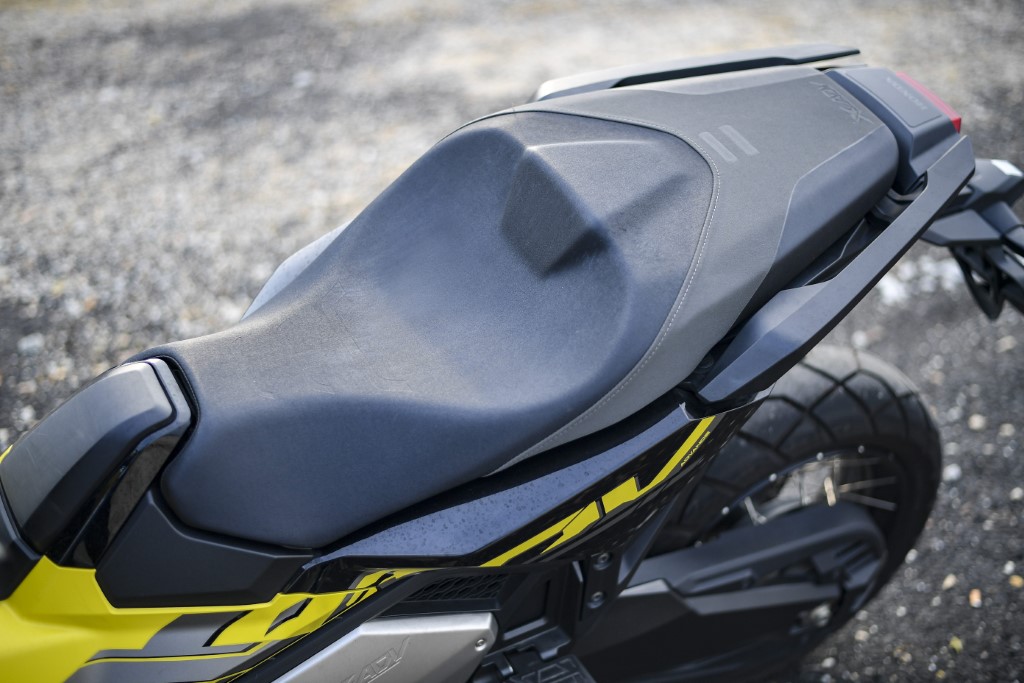
The riding position suited me almost immediately. I sat upright with a relaxed reach to the handlebar, while the wide seat offered plenty of support over long distances.
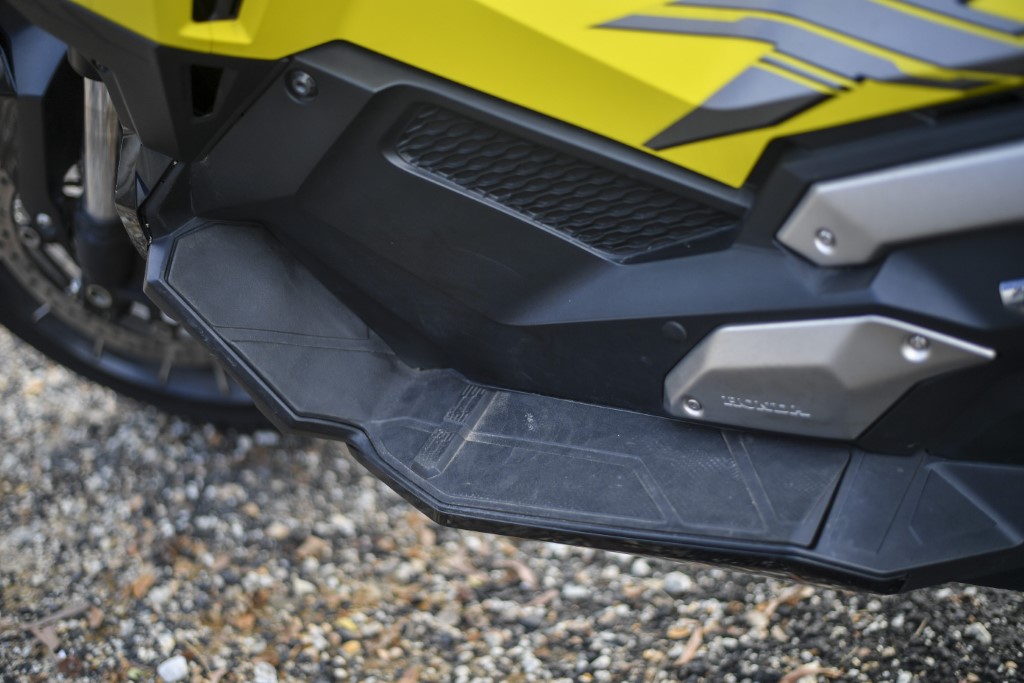
I particularly liked the amount of legroom. I could stretch my legs forward during highway cruising or tuck them in when riding more aggressively through corners.
After more than 400km in a day, I climbed off without the usual aches I expect from long rides.
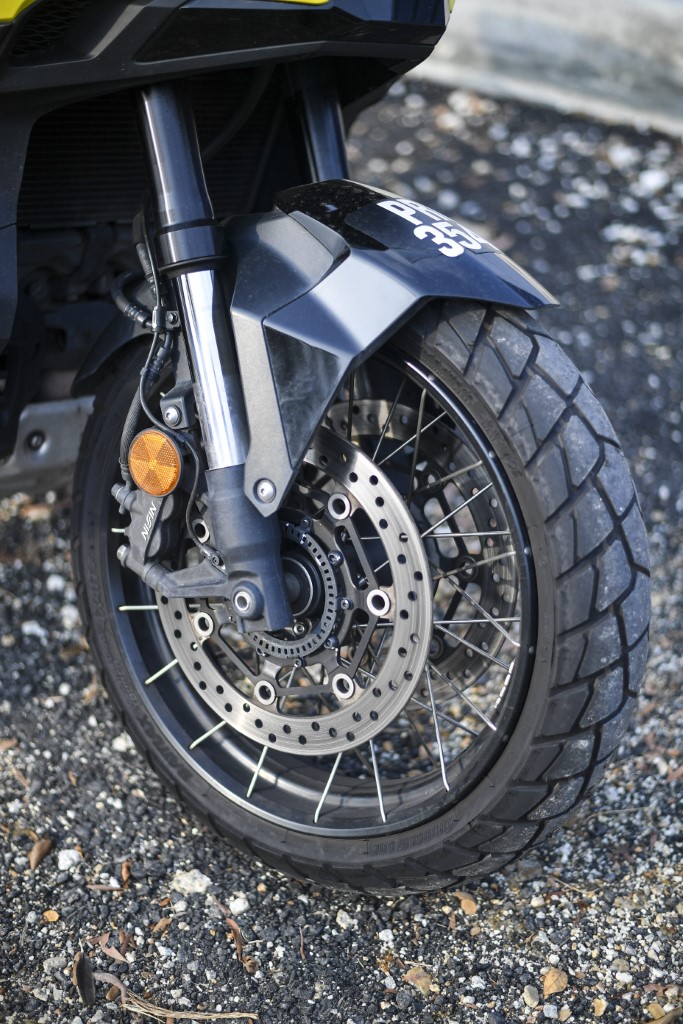
Honda has also done an excellent job with the suspension. Around town, the upside-down front forks soaked up potholes, expansion joints and uneven road surfaces without sending harsh jolts through the handlebars.
It never felt floaty either. Heading up Fraser's Hill, where the road becomes tighter and bumpier, I found myself trusting the chassis more than I expected.
It stayed composed through fast sweepers and maintained good stability over mid-corner bumps.
I wasn't expecting sports bike sharpness, but I was genuinely impressed by how confidently it carried speed through corners.
The brakes deserve equal praise. I found the twin front discs offered strong initial bite without feeling overly aggressive.
They gave me plenty of confidence when descending Fraser's Hill, where repeated hard braking can quickly expose weak systems.
The rear brake was equally progressive, making low-speed manoeuvres easy. ABS intervention was smooth and never intrusive during my ride.
On the highway, the ADV 750 settled into an effortless ride.
I spent several hours cruising at typical Malaysian expressway speeds, and the parallel-twin engine barely seemed to notice.
Wind protection from the adjustable screen was better than I expected, reducing fatigue considerably.
Overtaking slower traffic required nothing more than a twist of the throttle.
The engine's generous torque made passing effortless without having to plan every move.
In the city, I think this is where the ADV 750 really shines. The automatic transmission takes so much stress out of daily commuting.
Stop-start traffic became almost relaxing, while the responsive throttle made quick gaps easy to exploit.
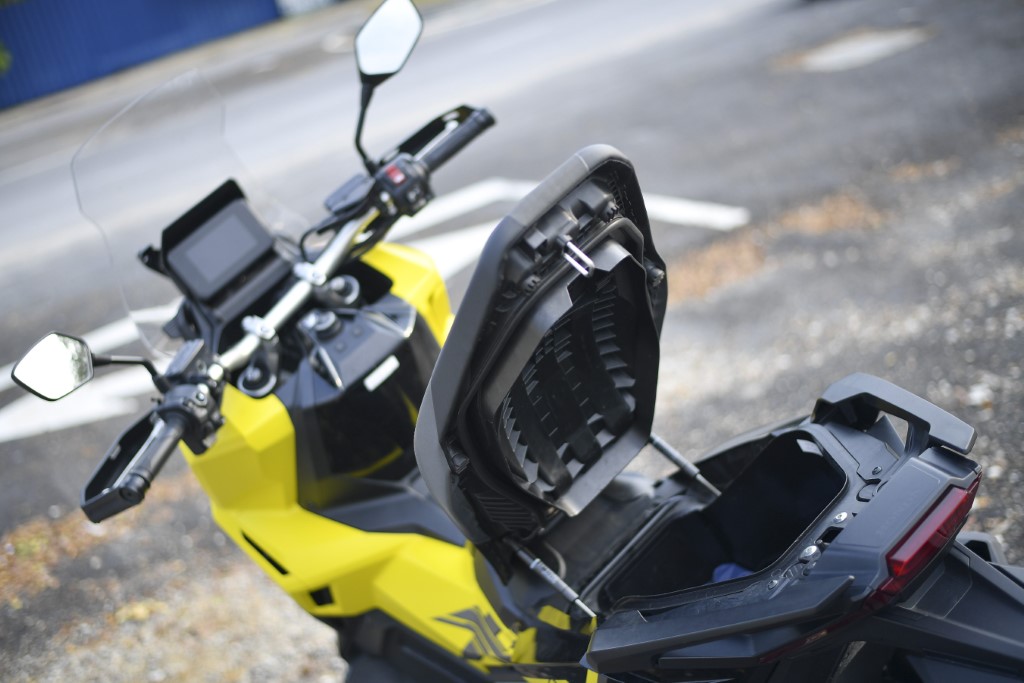
I also appreciated the under-seat storage, which swallowed my riding gear far more easily than many conventional motorcycles could manage.
One feature I ended up using far more than I expected was the manual mode.
I have always been a little sceptical about paddle shifters on automatic motorcycles, but Honda has got the calibration spot on.
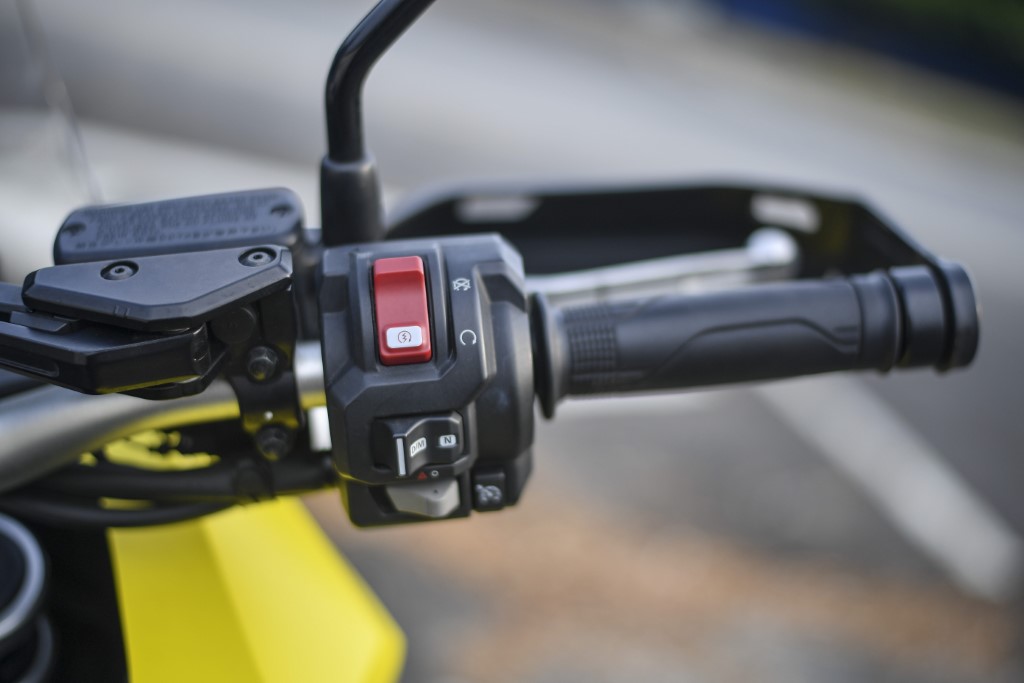
I found myself flicking through the gears using the left handlebar buttons whenever the road became interesting.
It gave me a stronger sense of involvement without taking away the convenience of the dual clutch transmission (DCT).
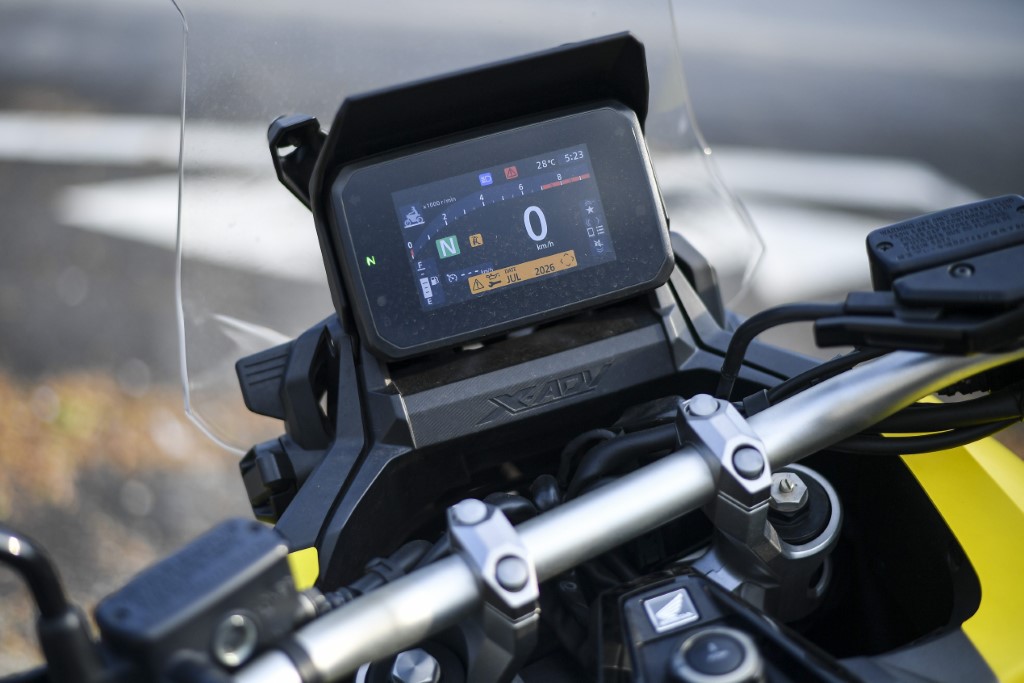
Meanwhile, Honda’s RoadSynch smartphone definitely impressed me. It is able to manage calls and music seamlessly via the new TFT.
It is also able to read my WhatsApp messages.
The DCT itself remains one of the best transmissions I have ridden.
In Drive mode, the shifts are almost invisible, making city commuting incredibly smooth and relaxed.
It always seemed to know when to shift up early for fuel efficiency, and I rarely caught it in the wrong gear.
Switching to Sport sharpened everything up. The gearbox held onto gears longer, responded quicker and made the engine feel much livelier.
The real revelation came on the climb to Fraser's Hill.
I switched into manual mode and kept full control of the gear changes.
I could hold second or third gear through a series of bends, use engine braking into tighter corners and drive out with exactly the amount of torque I wanted.
Unlike some automatic systems that insist on taking over, Honda's DCT allowed me to enjoy the road almost as if I was riding a conventional manual motorcycle.
I genuinely forgot I was on an automatic scooter at times, and that's probably the biggest compliment I can give this transmission.
I still think many purists like me will prefer a clutch lever and foot shifter, but after spending a full day alternating between automatic and manual modes, I completely understood why Honda continues to invest in DCT.
It gives you the best of both worlds. I could leave it in automatic when I was battling rush-hour traffic, then take control myself the moment the roads opened up.
The climb to Fraser's Hill was where I probably enjoyed myself the most. I expected the scooter layout to feel limiting, but it never did.
Instead, I found myself attacking corners with growing confidence. The chassis communicated well, grip remained reassuring and the engine delivered smooth drive out of tighter bends.
I wasn't trying to break any records, but I never felt I was riding something compromised simply because it was an adventure scooter.
The parallel-twin engine continues to be Honda's finest. It delivers strong, usable torque throughout the rev range, making everyday riding super easy.
Peak power feels more than sufficient for spirited weekend rides, while the refinement remains typically Honda.
I rarely noticed vibration creeping through the bars or footboards, even after extended periods at highway speeds.
If I have one criticism, it would be the overall size. Riders with shorter inseams may still find the seat height a little intimidating, especially when fully loaded.
I also think some riders might wish for a little more exhaust character, because the engine performs better than it sounds.
After spending proper time with the ADV 750, I realised it isn't trying to replace an adventure motorcycle or a sports tourer.
Instead, it creates its own niche remarkably well. I could commute on it every day, head north for a weekend tour and tackle twisty mountain roads without ever feeling out of place.
For me, that's the biggest compliment I can give any motorcycle. I simply wanted to keep riding it.
SPECIFICATIONS
Honda X-ADV 750
Engine: 745cc, liquid-cooled, 4 stroke, 8 valve, SOHC, parallel twin
Power/Torque: 58hp at 6,750rpm / 69Nm at 5,000rpm
Transmission: 6-speed Dual Clutch Transmission
Front Suspension: 41mm Showa USD forks, adjustable preload and rebound damping
Rear Suspension: Showa shock, adjustable preload
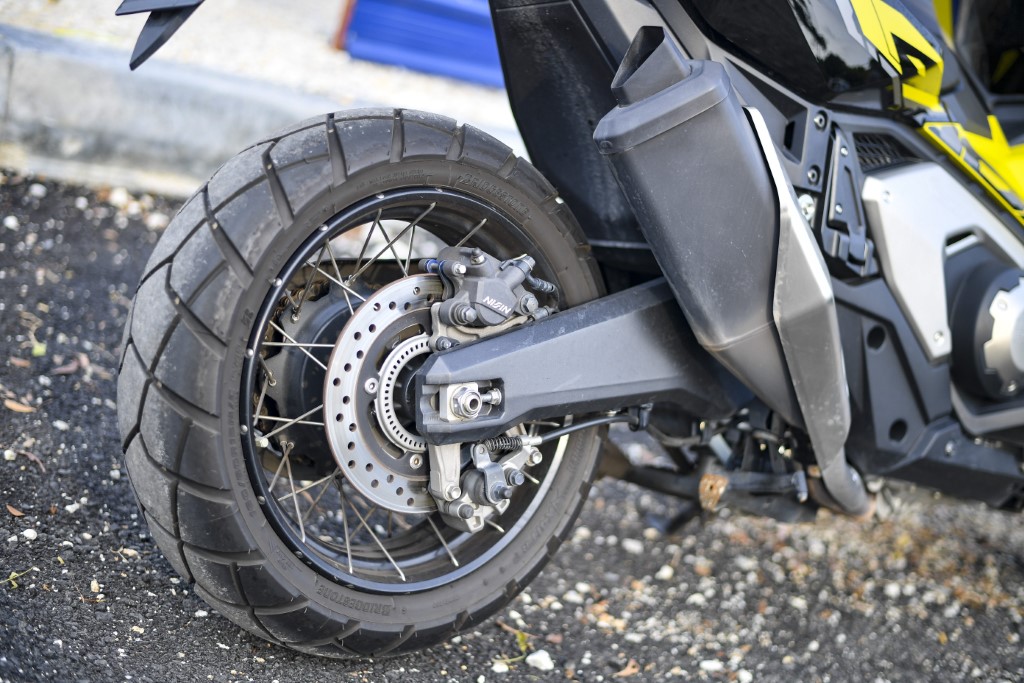
Front Braking System: 2 x 296mm discs with Nissin four-piston radial callipers and ABS
Rear Braking System: 240mm single disc with single-piston calliper and ABS
Fuel Capacity: 13.2 litres
Wet Weight: 237kg
Features: 5 riding modes – standard, sport, rain, gravel, and user, cruise control, dual clutch transmission (DCT), 22 litre under-seat storage, USB-C Charger, 5 inch TFT display, RoadSync smartphone connectivity and windscreen adjustable in three stages with one hand
Price: From RM70,999 (excluding insurance and registration)