NOTHING beats driving along winding hilly roads with a car that gives you the confidence to do it at good speeds and a well-planted feeling.
It is not often that we get to enjoy such exuberant driving along winding stretches with all kinds of camber and varying degrees of corners, and in a somewhat familiar terrain.
This was in the hills to the west of Chiangmai, Thailand, featuring twisty routes that we have somewhat covered over the years in different makes and types of vehicles.
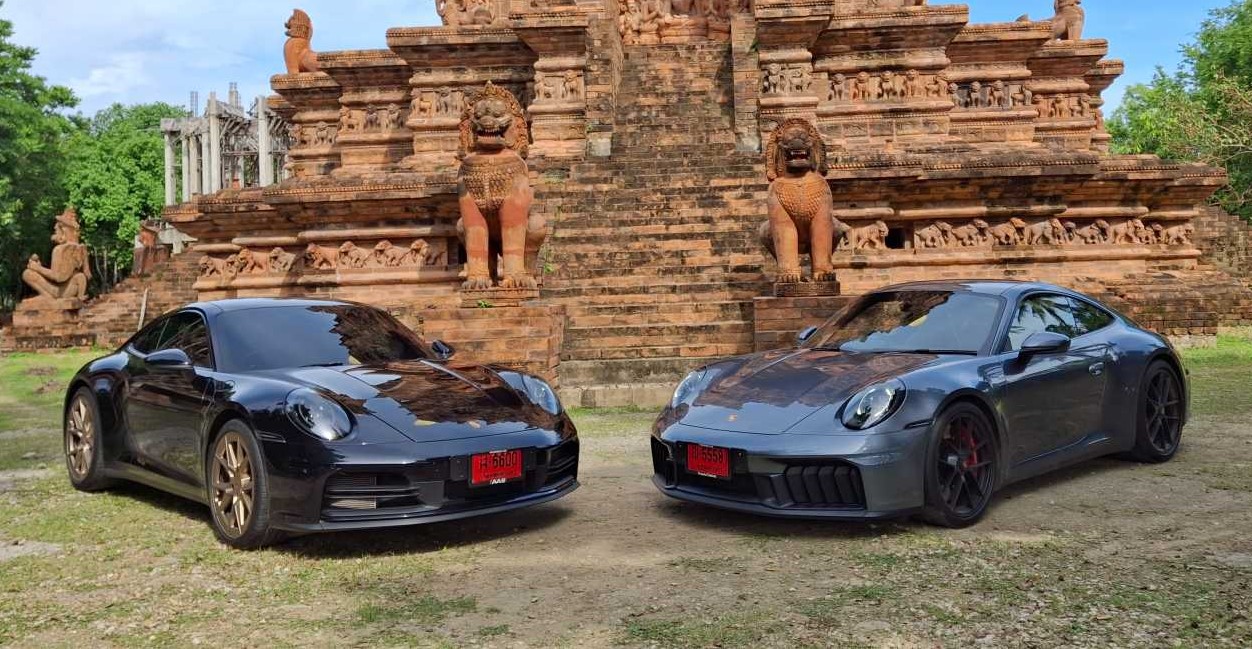
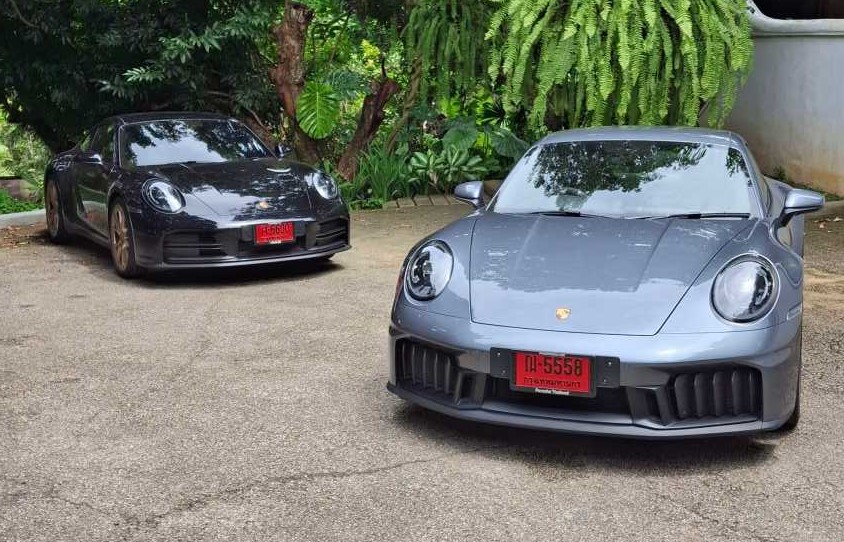
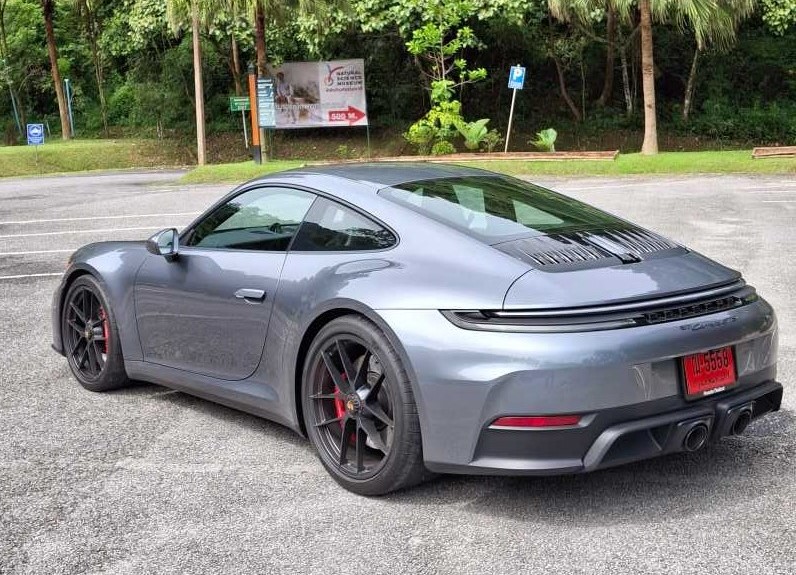
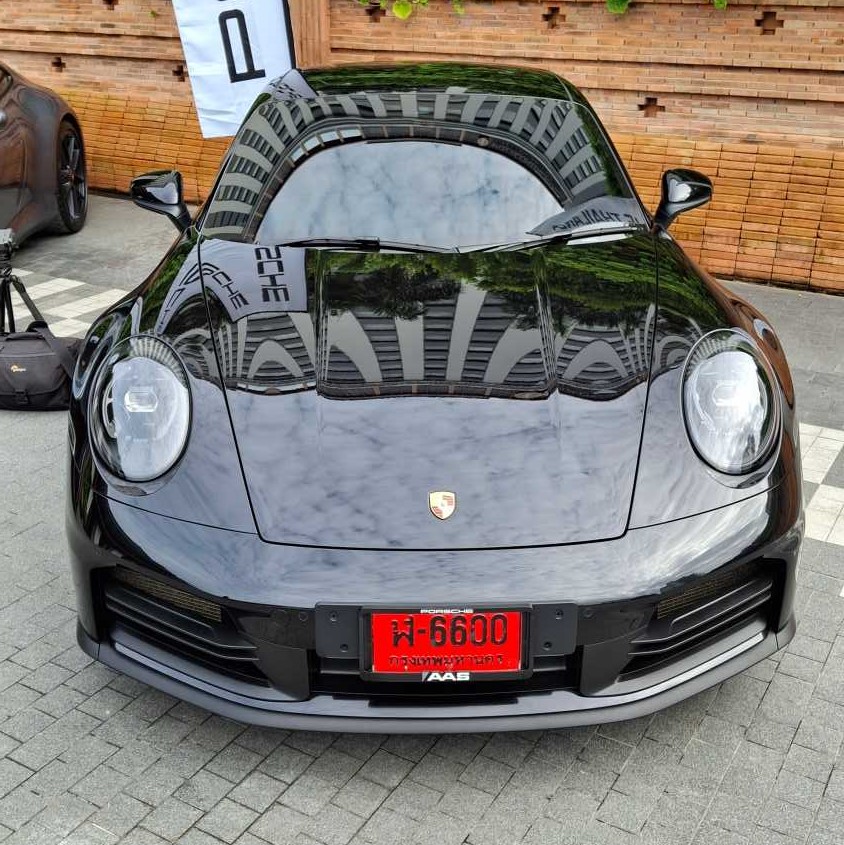
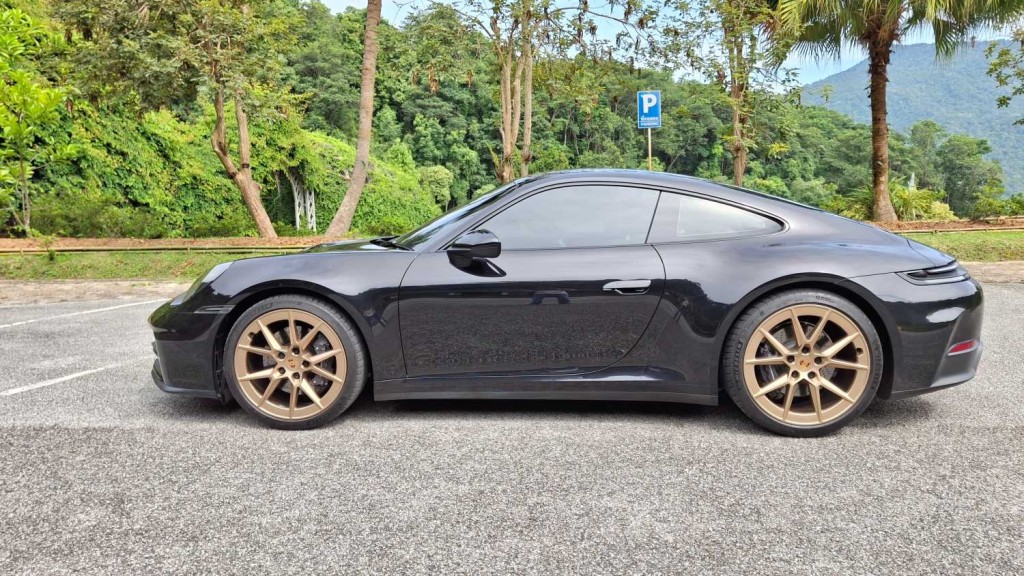
But the recent drive in the two variants of the latest Porsche 911 – the 911 Carrera and 911 Carrera 4 GTS - was the best yet.
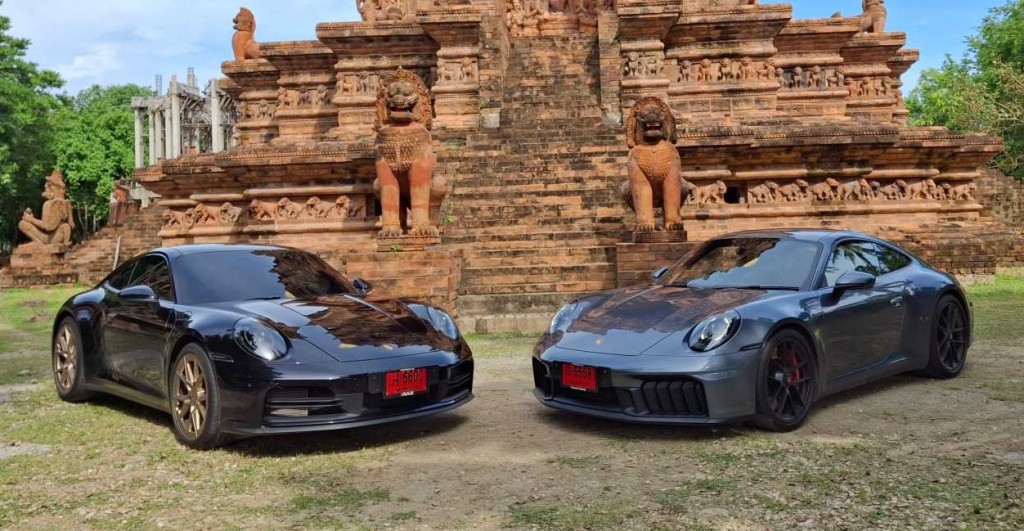
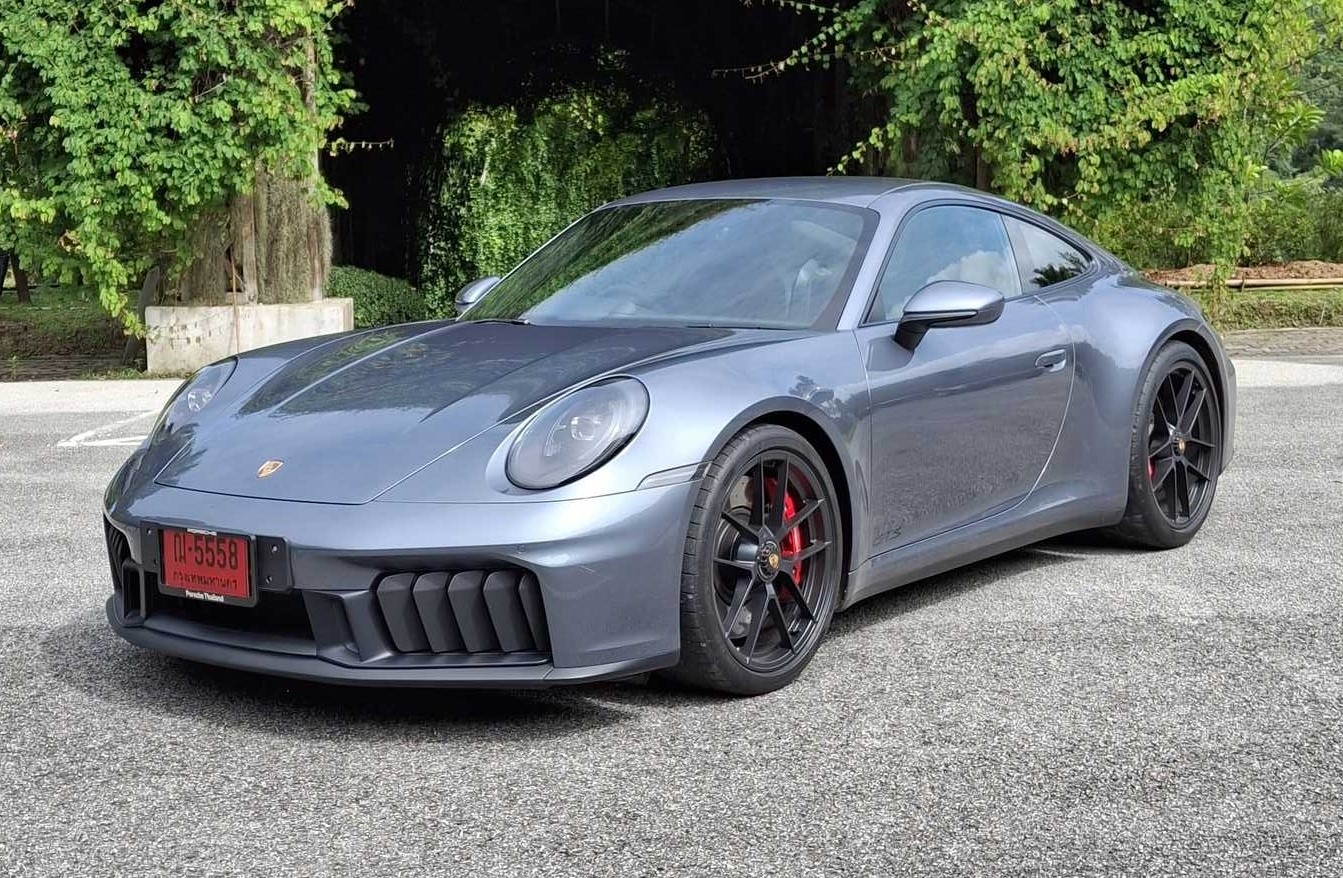
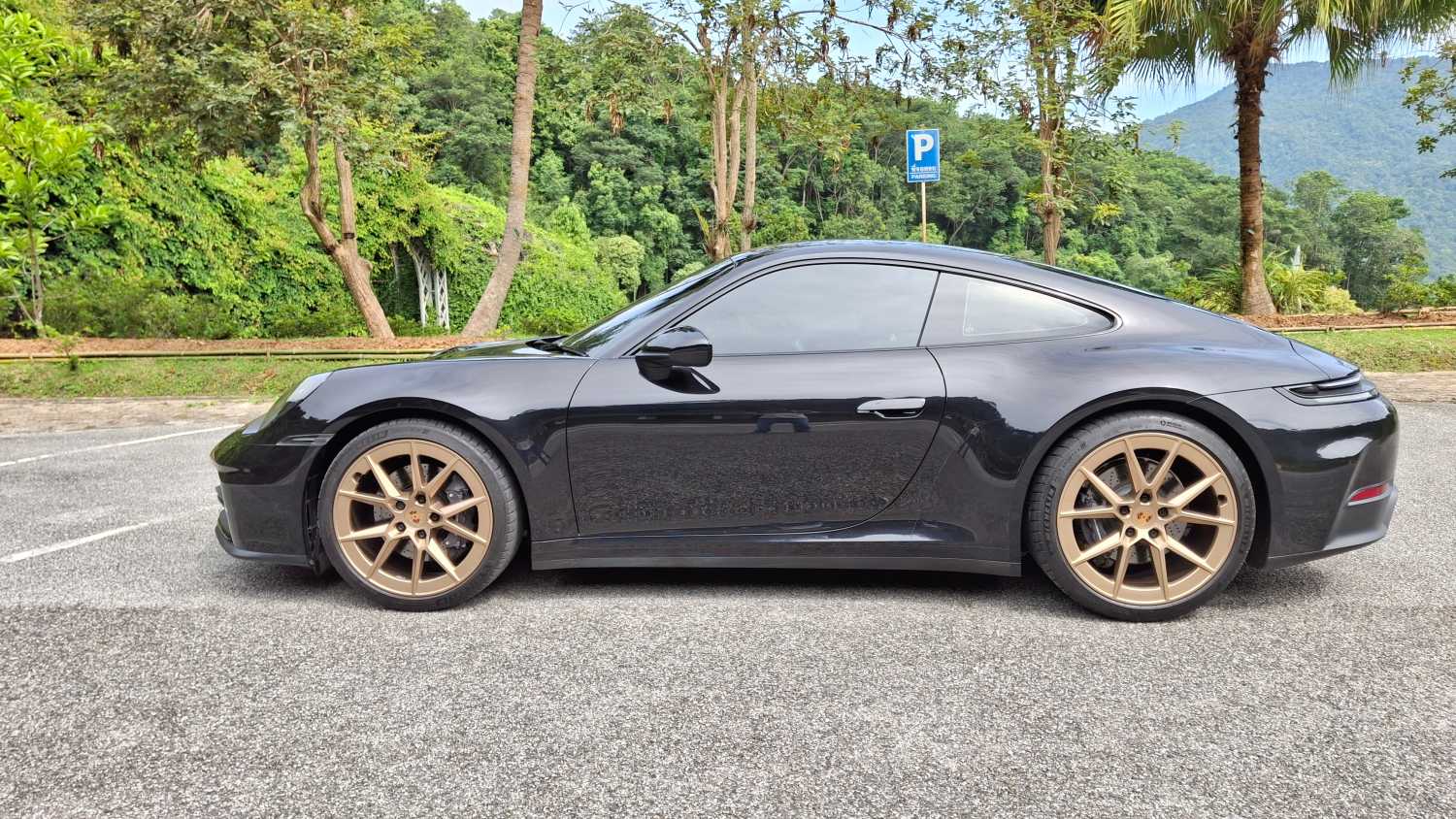
The 911 Carrera (left) and 4 GTS.
The 911 Carrera is best summed up as your friendly sports car to drive around town in good comfort while giving you the bite to enjoy some performance driving.
The 4 GTS is your track ready sports car that you might like to head to the Sepang International Circuit for a few laps of fast and sizzling pace.
Before we gush further on the fun driving part, here is a refresher on the new 911 lineup that was launched in early April.
There is only so much you could do in refining its iconic body design although it is a major change from the first 911 introduced in 1964.
But changes there are and these are focused on "targeted areas" like the aerodynamics and measures to improve the 911’s already heady performance.
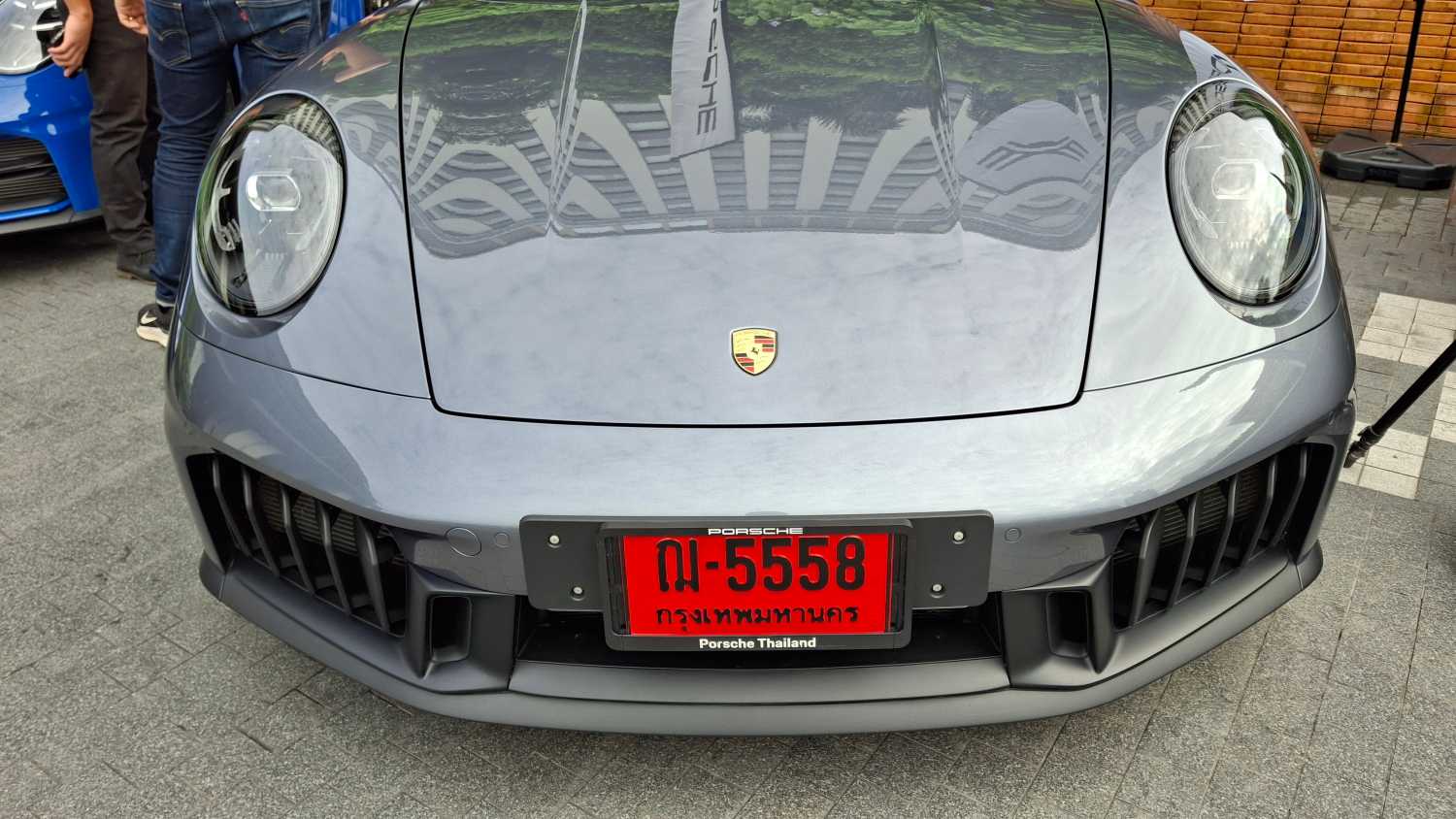
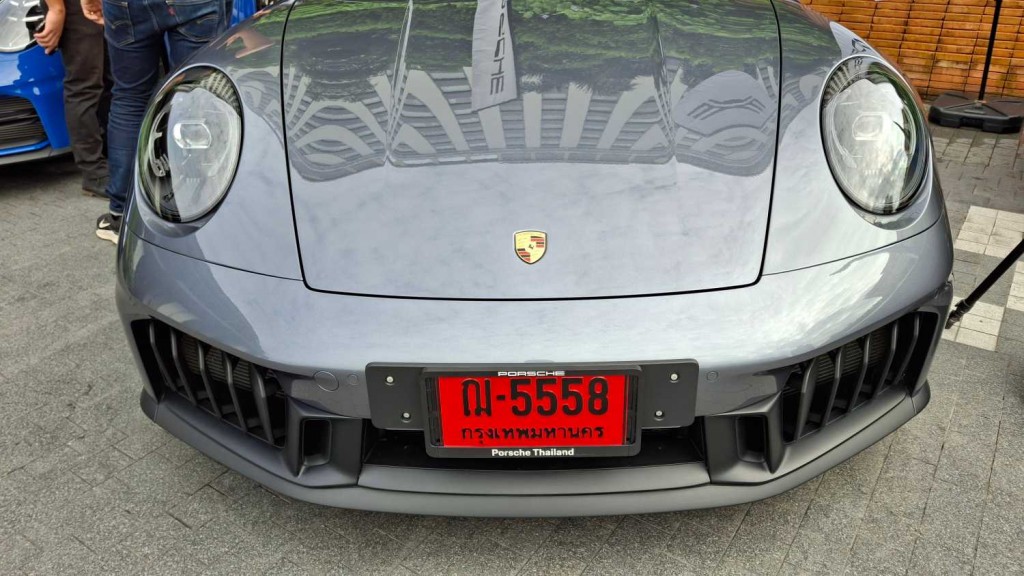
Porsche explains these as the new model-specific bumpers and for the first time, integrating all light functions into the now standard matrix LED (light emitting diode) headlamps with their characteristic four-point graphic.
However, those fitted to the 911 variants we drove in Chiangmai were of a different design as apparently, there is an option for that well.
Porsche reasons the updates as making it possible to omit the front daytime driving lights and create space for larger cooling vents.
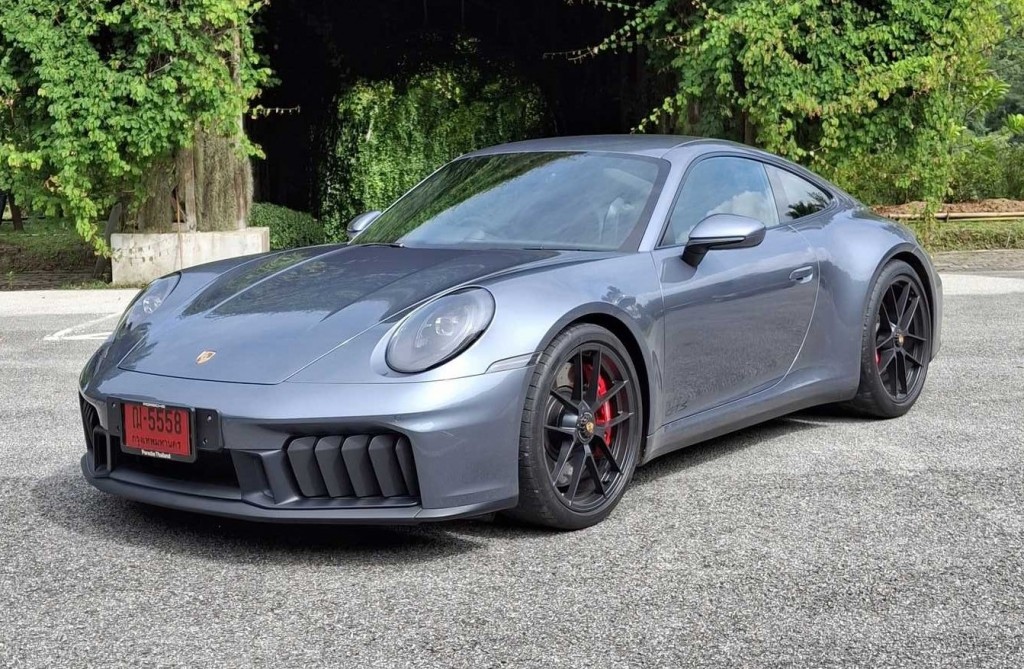
This is visually obvious in the 4 GTS that has two large vents with active five-vertical air fins on each end of the lower front apron.
The 911 Carrera has a less striking design with horizontal fins that caters to the lower cooling demands of its radiator.
Another first for the 911 is the adaptive front diffusers in the underbody that are controlled in tandem with the cooling air fins.
Porsche says these elements direct the air flow as required; when the power requirements are minimal, the air flaps are closed, thus optimising aerodynamics.
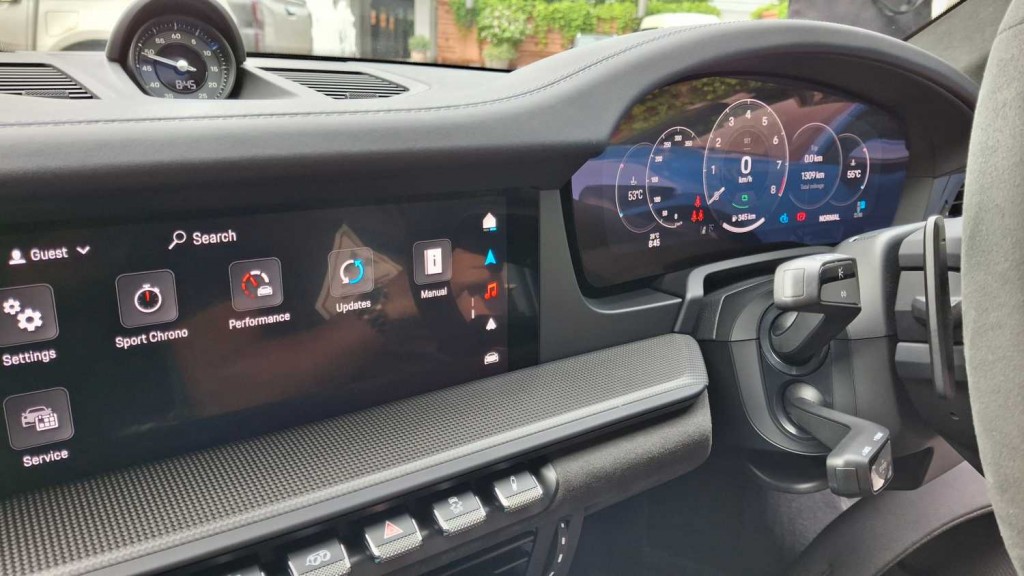
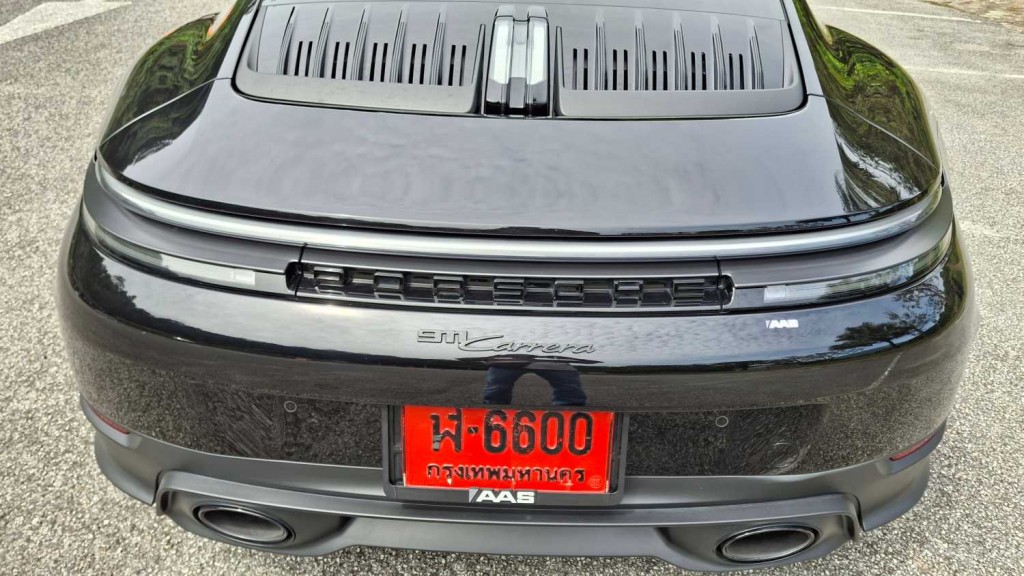
The rear sees updates too; the light strip is redesigned with an integrated arc carrying the Porsche logo to project a wider and deeper rear end.
Likewise, the rear grille is redesigned with five fins per side "to connect to the rear window and form a graphic unit that fades into the retractable spoiler".
Model-specific exhaust systems are the order and the 911 Carrera comes with the option of a sports exhaust system while the 4 GTS is fitted with the GTS-specific sports exhaust system as standard.
Visually, this too was noted on the 911 variants we drove; the 911 Carrera has a tailpipe at each end while the 4 GTS has twin tailpipes in the centre.
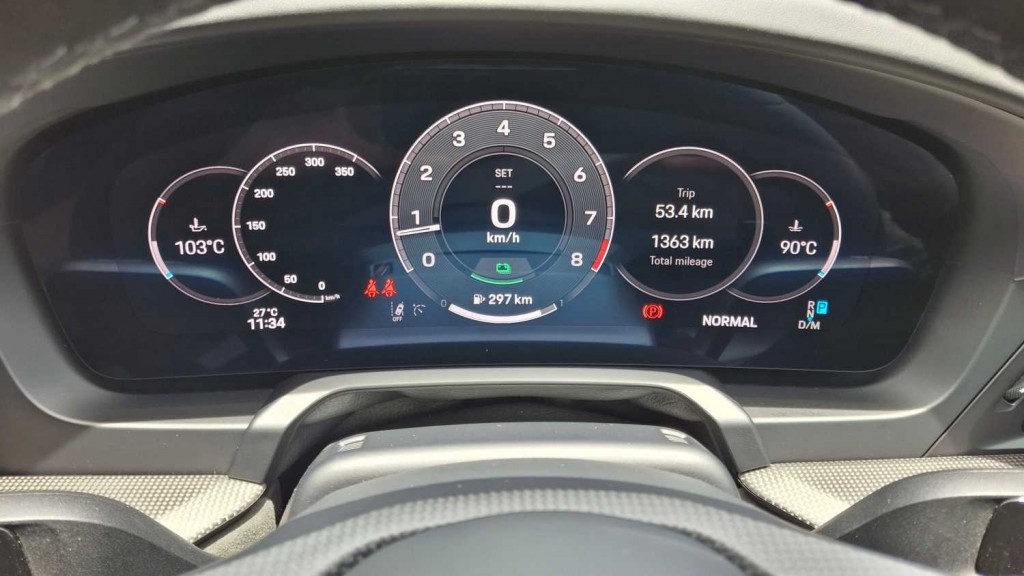
And of course, there are the flat-six or boxer power options that would determine the performance design for these two models.
Understandably, the 911 Carrera comes with the 3.0-litre boxer engine with twin turbocharging that delivers 394PS (290kW) and 450Nm.
It now adopts the intercooler from the Turbo models, which Porsche says sits directly under rear lid grille, above the engine.
The turbochargers in the new 911 Carrera were reserved for the GTS variants in the preceding model.
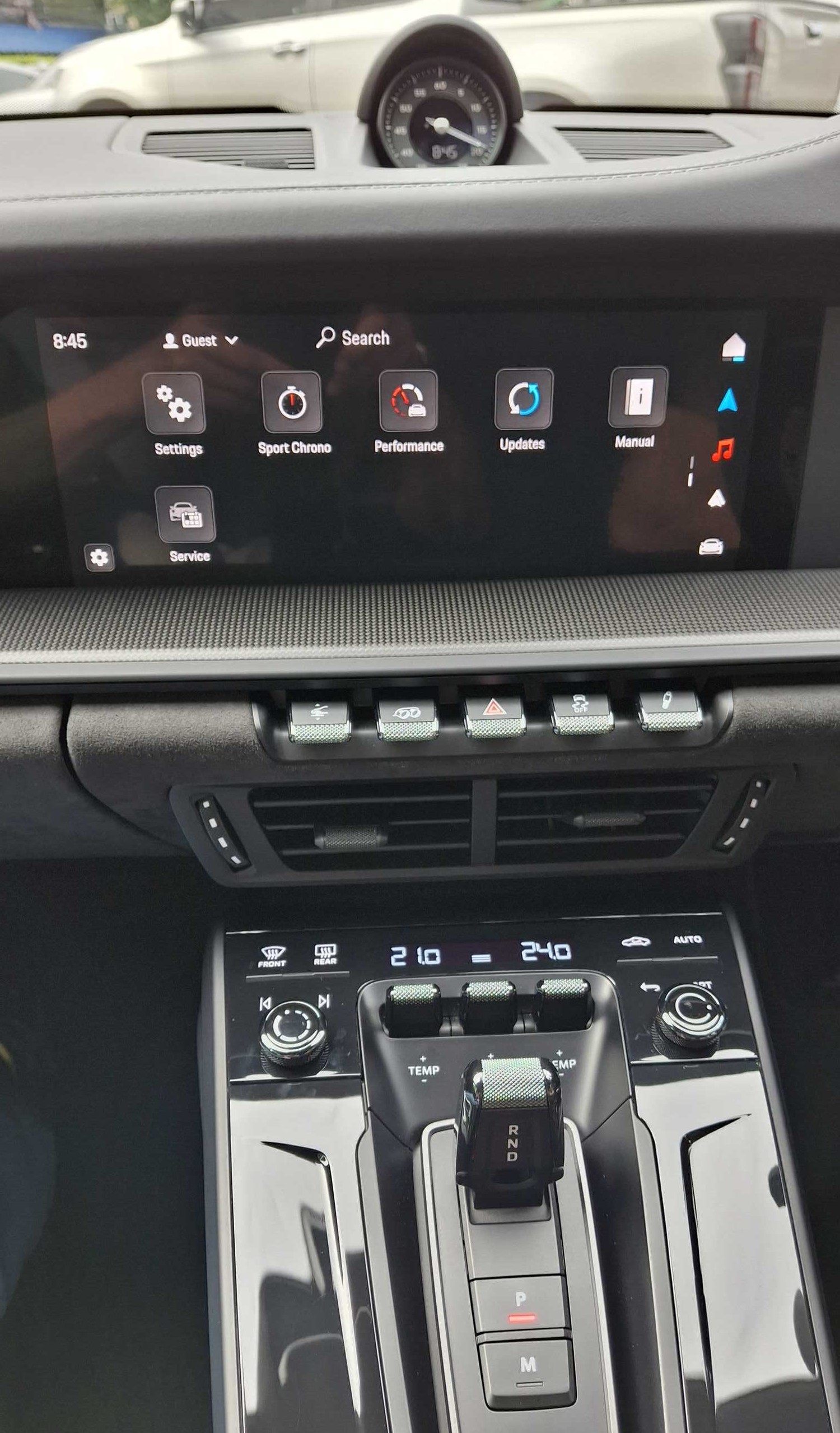
The results are lower emissions and a power boost that gives the latest 911 Carrera a 0-100kph time of 4.1 seconds (faster by 0.1 second) and a top speed of 294kph (293kph previously).
Porsche adds that the transmission is a new and more powerful eight-speed dual-clutch transmission (PDK).
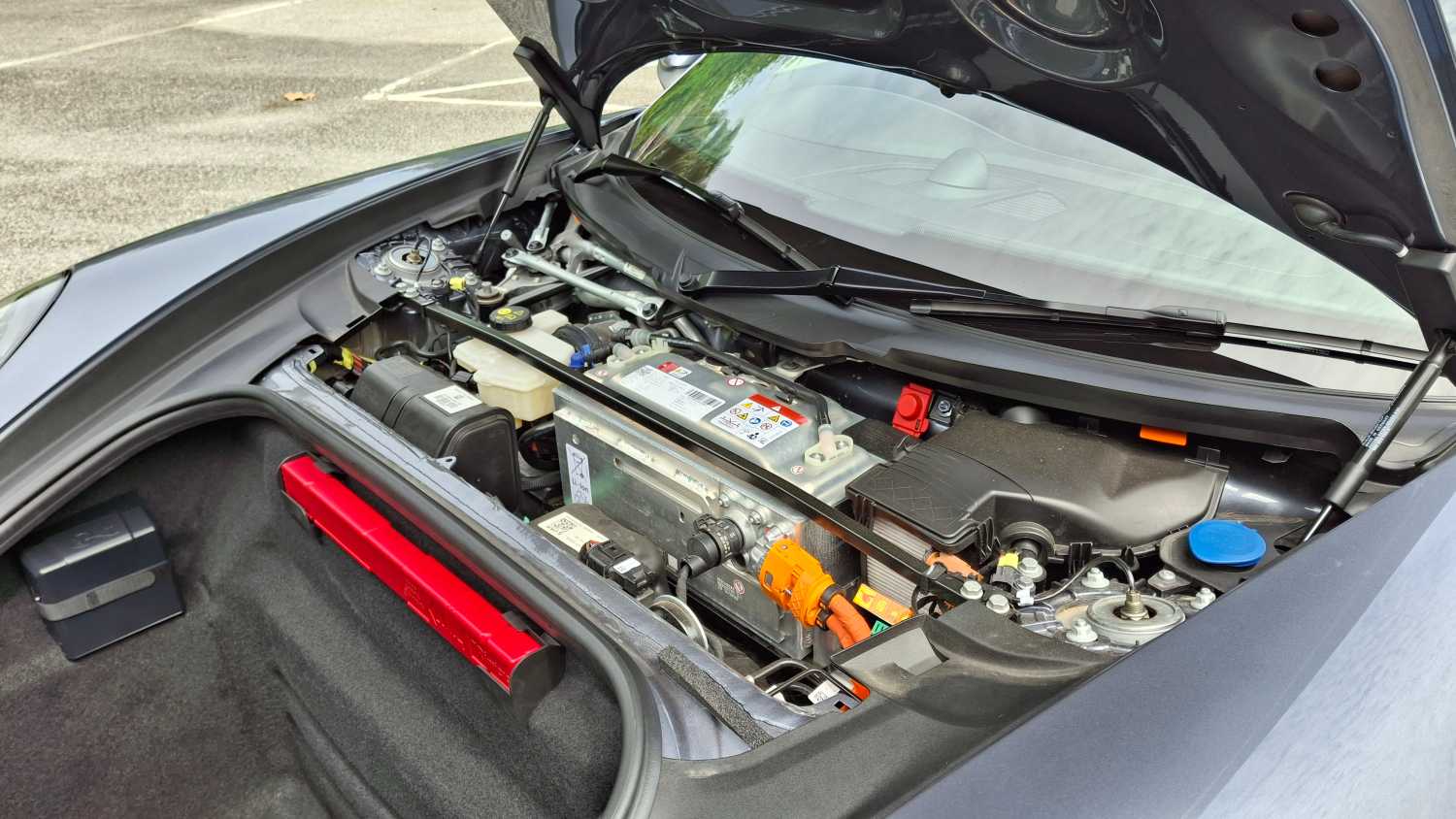
As expected, the 4 GTS is the more interesting one featuring a hybrid system with knowledge that Porsche says it gained from racing.
An integrated electric motor, placed between the compressor and turbine wheel, instantaneously brings the turbocharger up to speed and this builds up boost pressure immediately.
Unlike the hybrids we are familiar with, Porsche says this electric motor in the exhaust gas turbocharger functions as a generator.
The wastegate-free electric turbocharger allows the use of only one turbocharger instead of the previous two, which is said to ensure a more dynamic and responsive power delivery.
The second regeneration unit is the permanent magnet synchronous motor integrated into the PDK, leaving the brakes free to do what it is meant to do; slow the car down effectively.
To optimise overall weight, Porsche installs a lightweight lithium-ion battery for the 12V on-board electrical system.
In output, the 3.6-litre boxer engine delivers 485PS (357kW) and 570Nm of torque, with the combined output with electric assistance at 541PS (498kW) and 610Nm.
The power increase over the predecessor is 61PS (41kW) and this is clearly revealed in the faster 0-100kph times of 3.0 seconds (reduced by more than 0.2 second) and a top speed of 302kph.
We soon discovered how all these new data and figures factor in our drive impression of both 911 models through the rolling hills of Chiangmai.
We started with the 4 GTS and were in for a hard ride with a track-ready car, which means harder damper tuning for the Macpherson front and multi-link rear suspension system.
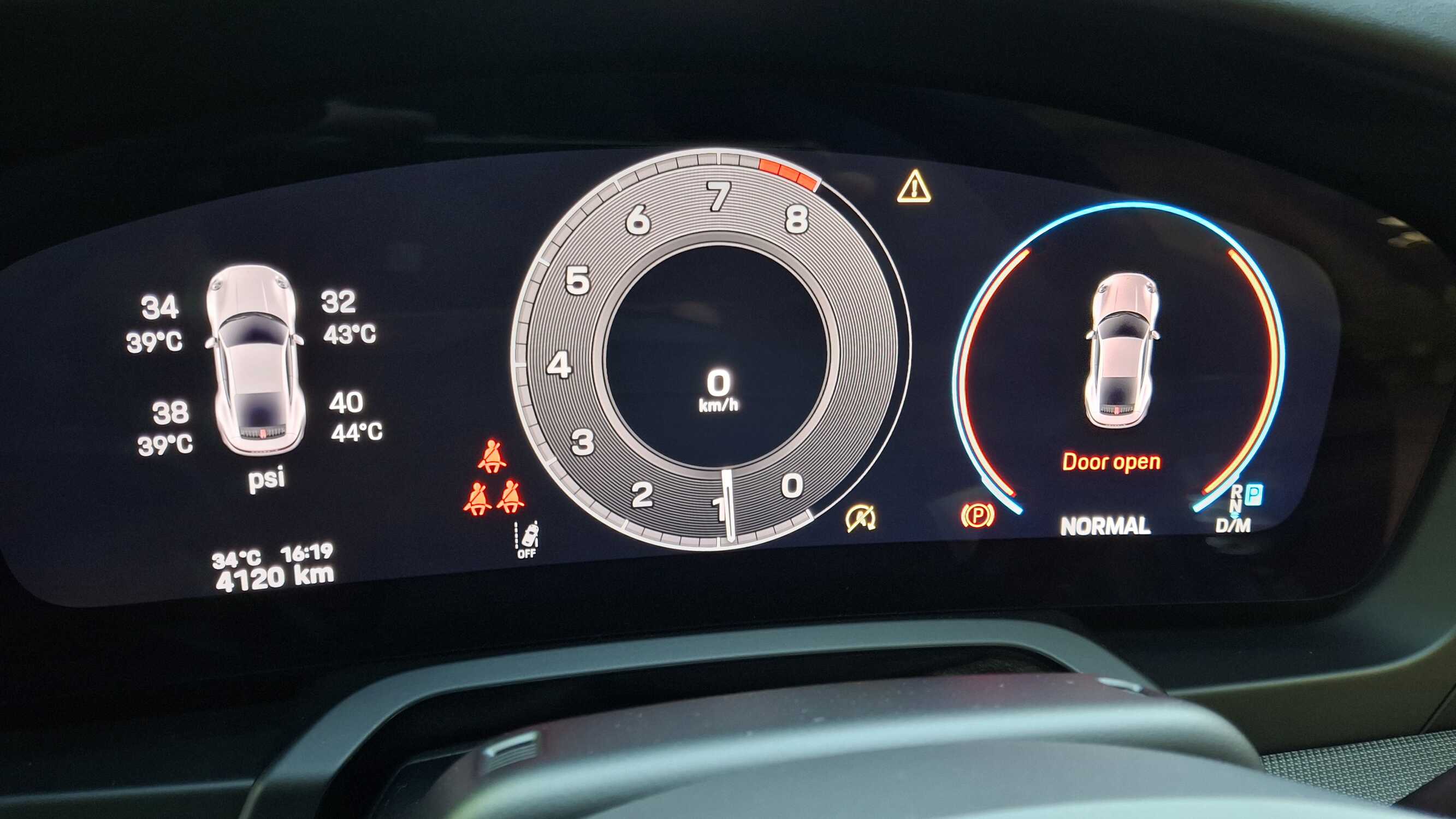
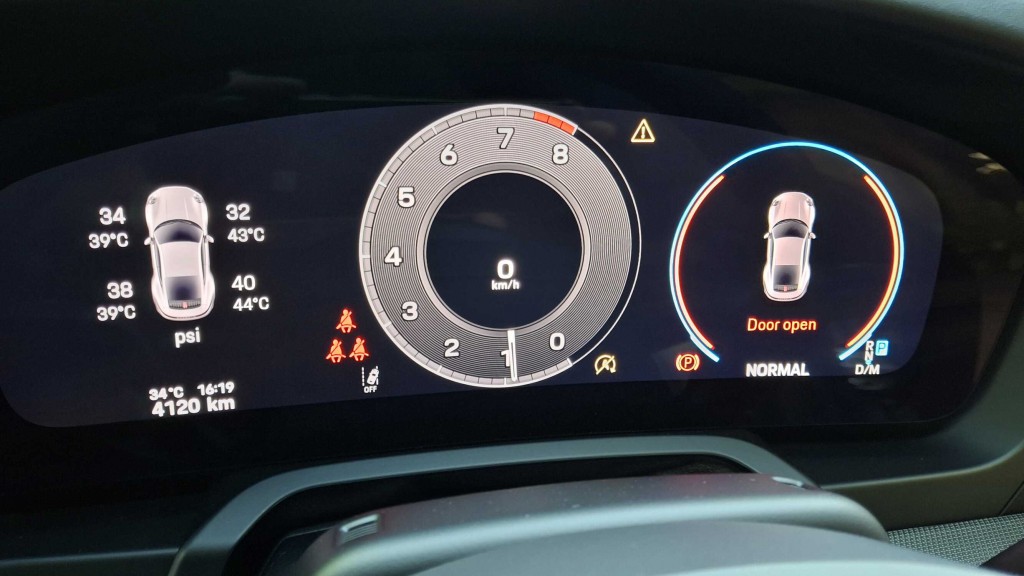
It was fitted with Goodyear Eagle F1 UHP (ultra performance tyres) tyres; 315/30 ZR21 tyres at the rear and 245/35 ZR20 in front with pressures set at 225kPa in front and 265kPa behind.
The fun part came in driving the 4 GTS through the series of corners and bends, including sections that had a series of U-turns.
We were absolutely confident driving the 4 GTS at good speeds through the winding sections as it felt so planted on the road.
The rear-axle steer that now comes standard in the 4 GTS makes taking the tight corners easy and predictable.
We oversteered once on corner exit though we believe this could be due to road camber or we weren’t having the steering straight enough when hitting the pedal hard.
We also felt the rear-axle steer coming into play as we took the successive U-turns but the 4 GTS was mostly a highly enjoyable point-and-shoot experience; steer and hit the pedal hard.
We also appreciated the PDK transmission system for downshifting to the right gears for us to take the respective corners at quick speeds.
Its confident dynamics could also be due to the 4 GTS having an electro-hydraulic control system, a sports suspension with variable damper system and a ride height lowered by 10mm.
The 911 Carrera was a calmer sports car with a suspension tuning that made normal driving in urban conditions and on highways a comfortable one.
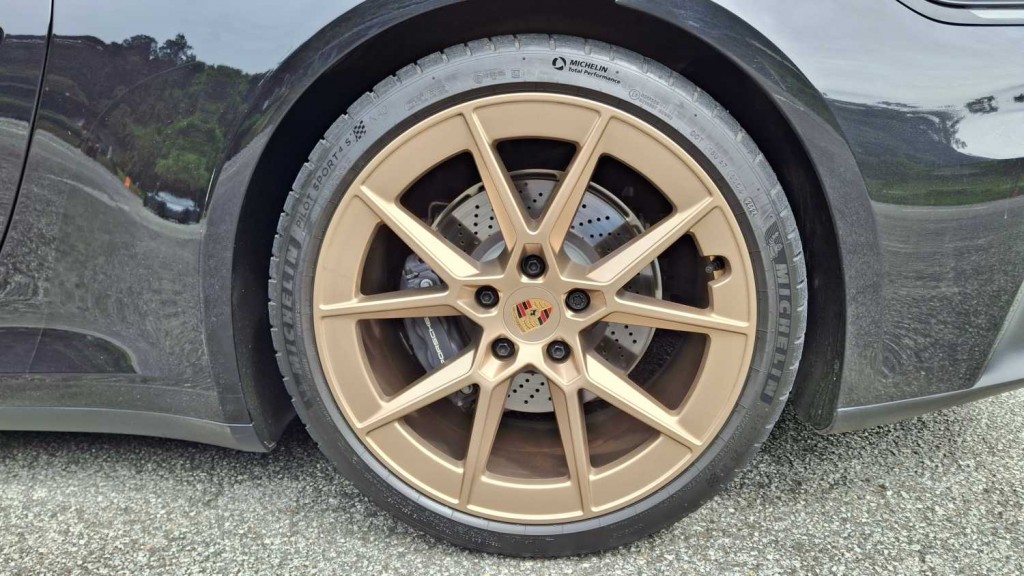
It came fitted with Michelin Pilot 4S tyres; 305/30 ZR21 at the rear and 245/35 ZR20 in front with similar tyre pressures.
The 911 Carrera was not as planted as the 4 GTS through the twisties but it remained a fun car to drive.
We could still “attack” the corners at good speeds but it was when we exited the corner that we saw the lack of engine output to the 4 GTS.
We had the accelerator pedal down to the floor but we simply despaired at seeing the 4 GTS pull away so much quicker, leaving us to close up again at the following corner.
Nevertheless, the 911 Carrera remains an attractive sports car for its all-round characteristics that appealed to normal driving needs.
It is also more attractively priced at a starting price of RM1,430,000 against RM1,890,000 for the 4 GTS.