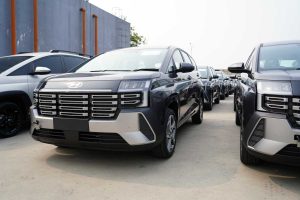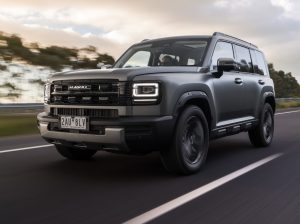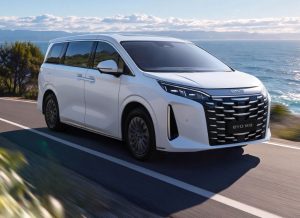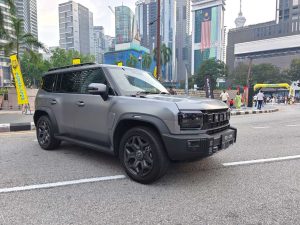
IT’S only a matter of time that the Chinese car brands would become more affordable and competitively priced and Chery leads the way with its locally assembled Tiggo Cross models.
To make available a sports utility vehicle (SUV) in either turbo or hybrid variant at under RM100,000 is taking everyone in the Malaysian car market head-on, national or otherwise.
It’s hardly surprising that the initial batch of 500 units were all taken up since its early July launch and most of the remaining 2,000 vehicles being assembled at the Inokom assembly plant in Kulim, Kedah already has someone’s name on it.
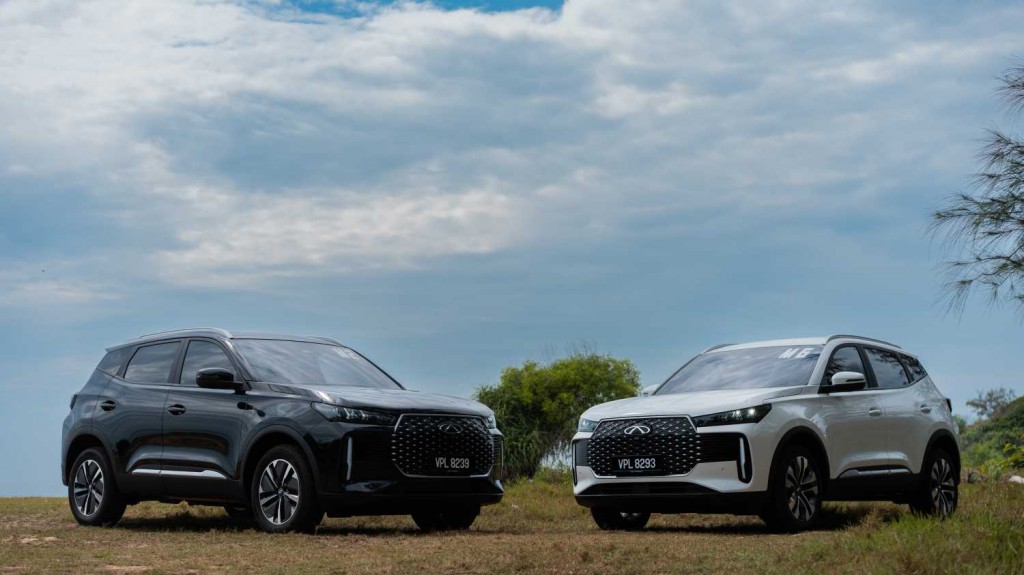
CSH (left) and Turbo.
It is not first Chery model to be assembled as it joins the existing Tiggo 7 Pro and Tiggo 8 Pro on the assembly line there.
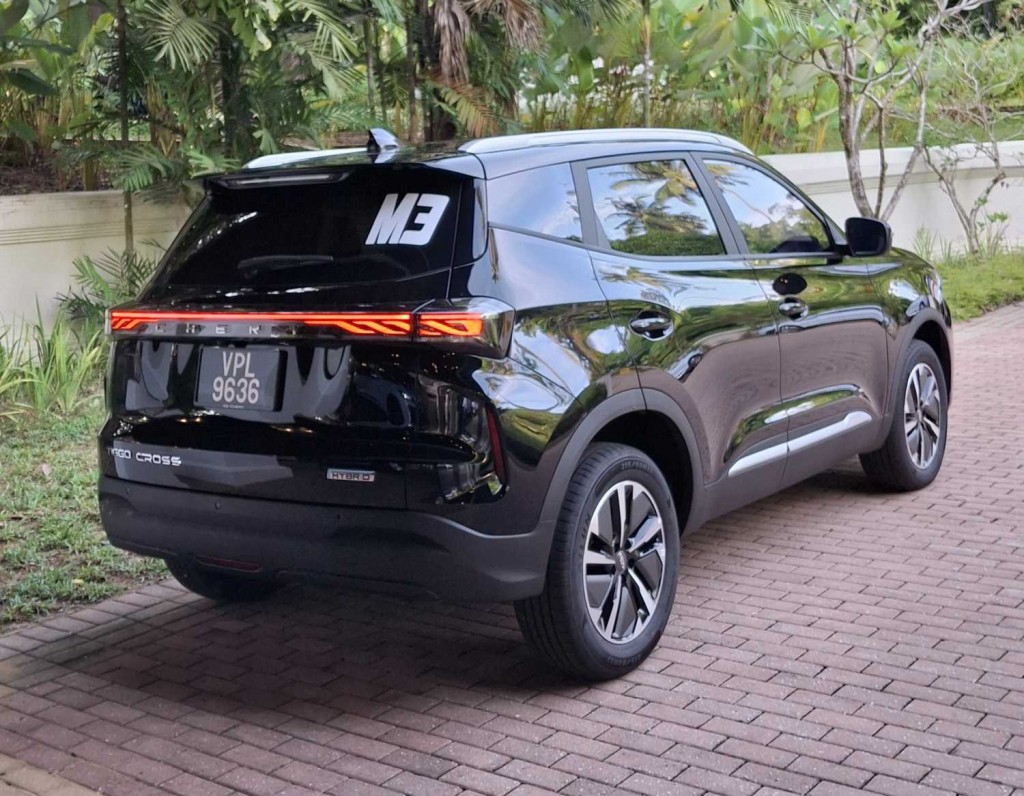
Chery Auto Malaysia made available two models to provide a wider market profile, a turbocharged 1.5-litre Tiggo Cross Turbo and a 1.5-litre Tiggo Cross Chery Super Hybrid (CSH).
The customer preference for the two variants is said to be about 50:50 although there appears to be a growing tendency towards the CSH, probably for its good mileage.
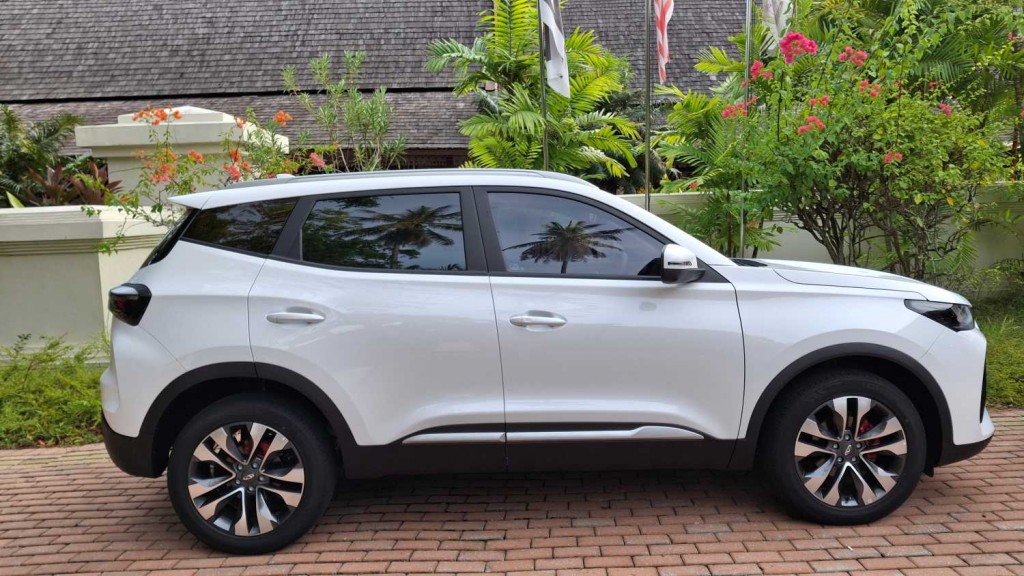
A drive to Terengganu, with a diversion to the Turtle Conservation Centre, convinced us that the Tiggo Cross variants were right up there in equipment, driving performance and value for the asking price.
The drive was made challenging, for the CSH in particular, as Chery Auto Malaysia wanted the media to extract the best mileage by dangling a prize for top achievement.
Chery claims that the CSH could cover up to 1,000km with its combination of electric and mechanical power.
However, we felt it would be more realistic to see how far the CSH would go under normal driving, rather than put in extra effort to achieve something that an ordinary CSH owner would be hard put to obtain.
Basically, the 1.5-litre turbo engine is the punchier one delivering 147PS (108kW) and 210Nm while the mild hybrid 1.5-litre version is tamer with 96PS (70.5kW) and 120Nm of torque.
That’s because the engine’s role is mainly to generate electricity for the 1.8kWh lithium-ion phosphate (LFP) battery that powers the electric motor to drive the front wheels.
This electric motor has an output of 204PS (150kW) and 310Nm of torque, thus explaining why the CSH is quicker accelerating from 0 to 100kph in 8.9 seconds against the Turbo’s 10.3 seconds in Sports mode.
Before we delve into the drive experience, let’s recap what the Chery Tiggo is all about and from our last drive impression with it in 2009, we could say it’s a world of a difference.
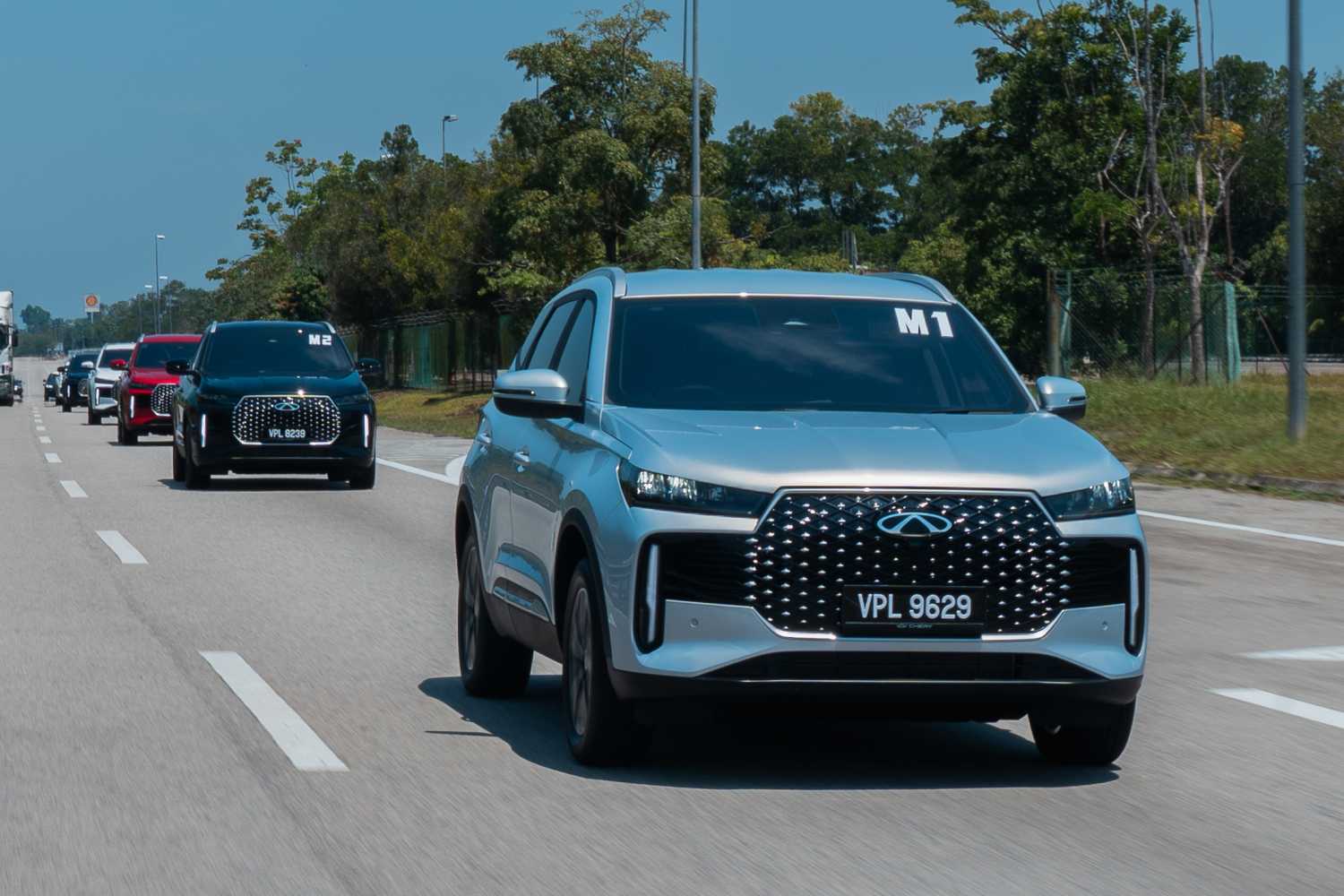
The Chery Tiggo is as contemporary as they come in body styling with a large "starry diamond shape" front grille that carries the brand logo to give it a distinctive touch.
Adding to that are the vertical Crystal Edge LED (light emitting diode) daytime running lights to complement the "Tiger Claw style" headlamps featured in a sleek and angular layout.
The rear sees a simpler design with a "Tiger Pattern Inspired" LED taillight that runs the full width of the vehicle.
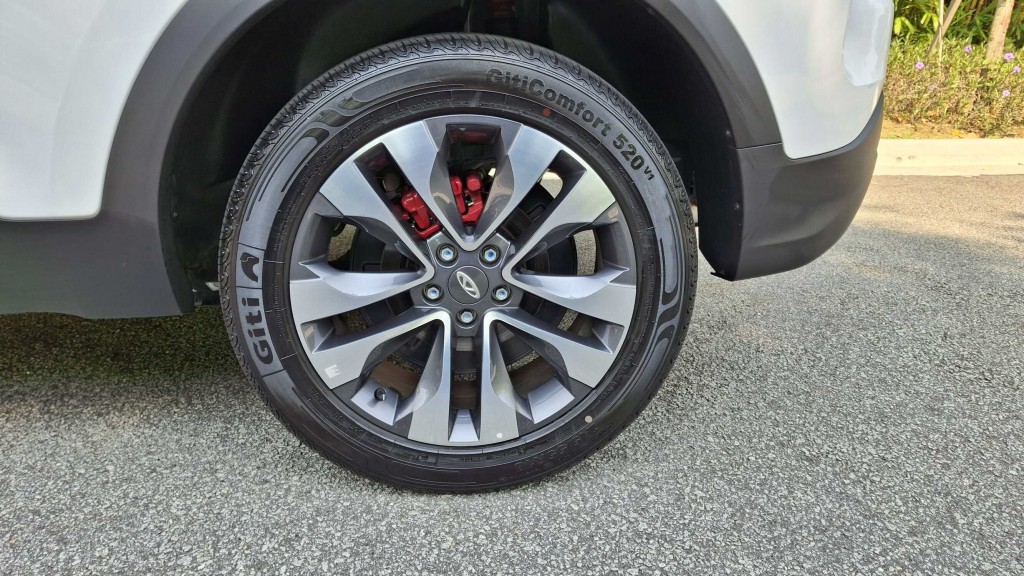
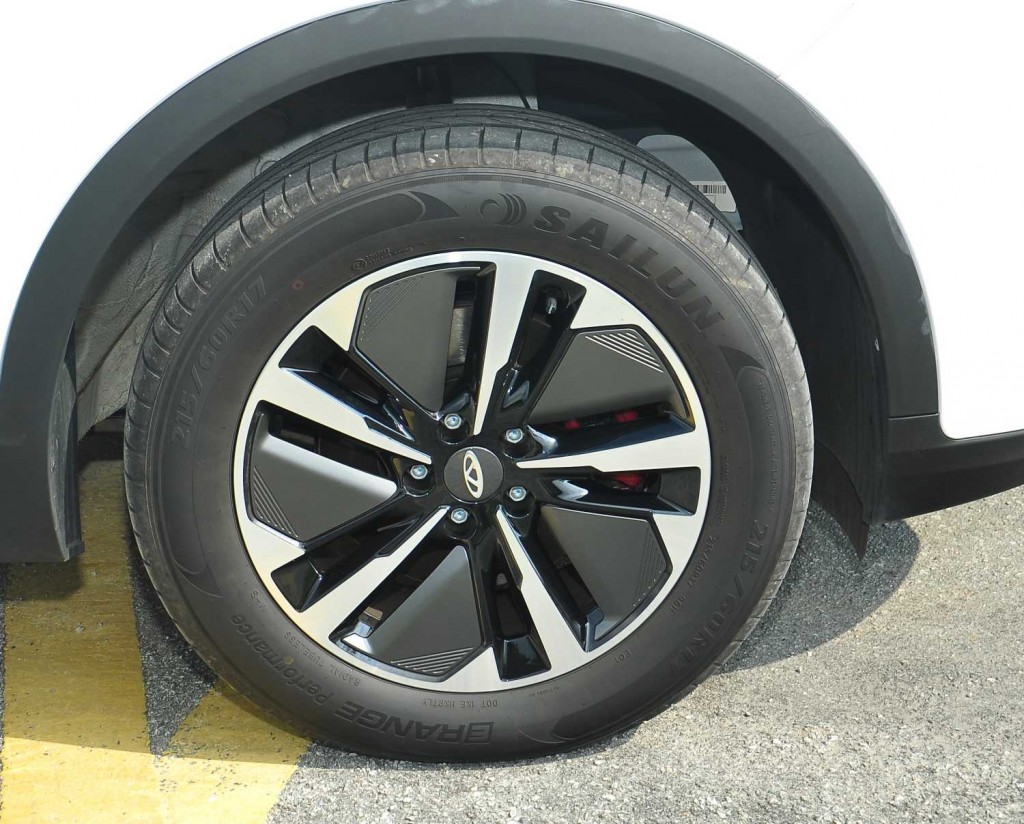
Distinctive alloy wheels for the respective models are somewhat de rigueur with the racier pattern for the Turbo.
The CSH runs on Sailun e-Range Performance tyres (215/60 R17) while the Turbo comes with bigger GitiComfort 520 tyres (215/55 R18).
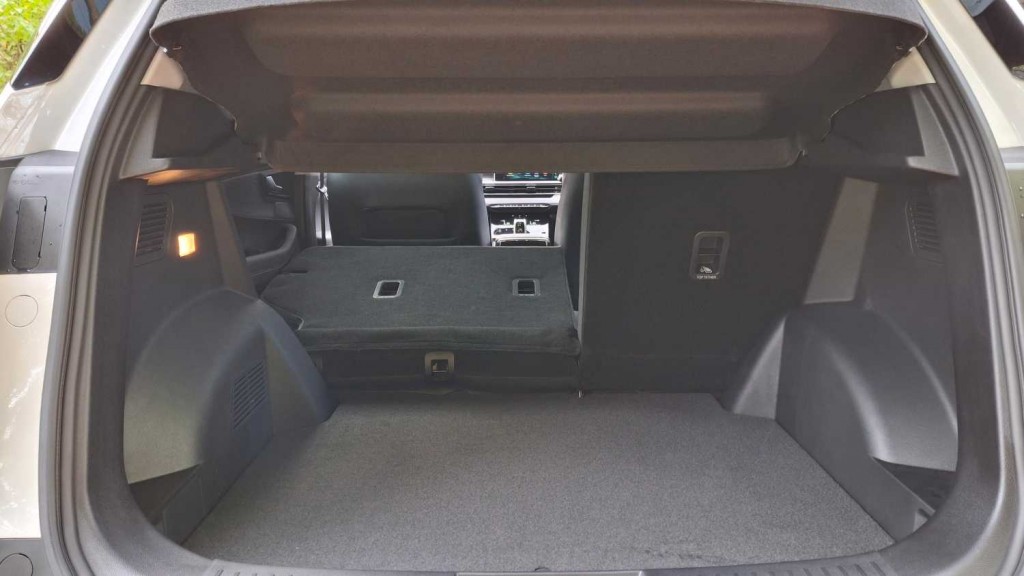
The Tiggo Cross is well in the league of the Honda HR-V, Toyota Corolla Cross and Proton X50 dimensionally, being 4,318mm long, 1,830mm wide and 1,670mm tall.
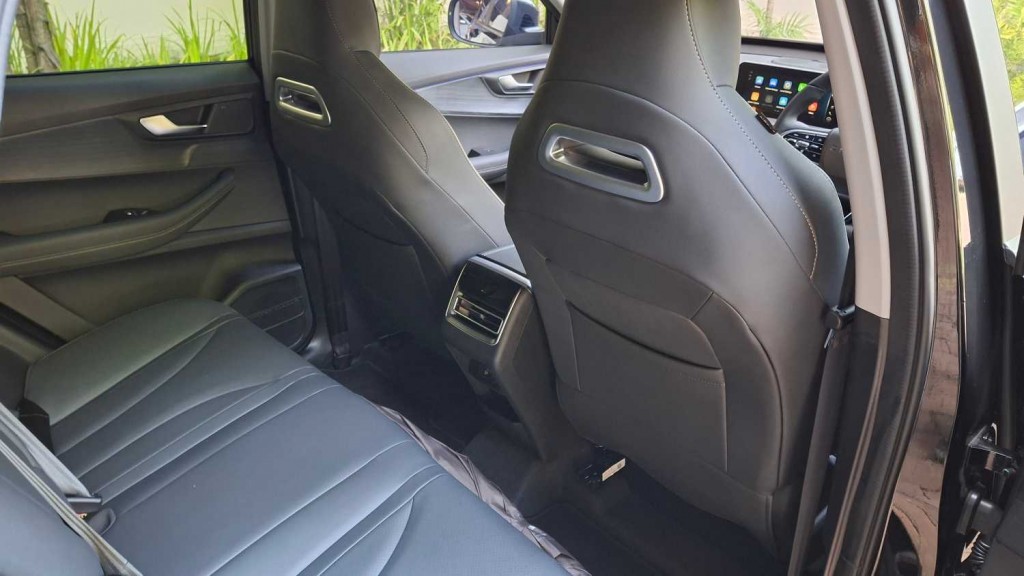
It has a 2,610mm wheelbase and we felt this in the better stretch room for the legs during the KL-Terengganu drives.
The MacPherson strut front and rear torsion beam suspension system appears tuned to provide a firm ride, which is well and good for the highway section.
On secondary roads, the hardness of the ride was clearly noted although it was not jarring, even from the rear seat perspective.
The tyre pressures were quite high, especially for the Turbo; the recommended pressure was 220kPa but the tyre pressure reading on the instrument panel indicated pressures of above 230kPa.
Turbo.
For the CSH, for which the best mileage was to be attempted with, has a higher recommended tyre pressure of 250kPa, which was duly set before the drive took off.
We drove the Turbo for the KL-Terengganu drive and the CSH on the return leg.
There was no convoy drive format as we could proceed at our own pace albeit a slower one for those driving the CSH.
CSH.
We took that opportunity to explore the robust pace of the Turbo, which resulted in higher use of petrol and for which the average fuel claim of 6.3L/100km (15.8km/l) was a pipe dream.
On the return drive in the CSH, our team used a combination of cruise control and direct driver engagement during the entire journey.
As we weren’t too fond of using cruise control, adaptive or otherwise, we chose to drive using the accelerator when out turn came along.
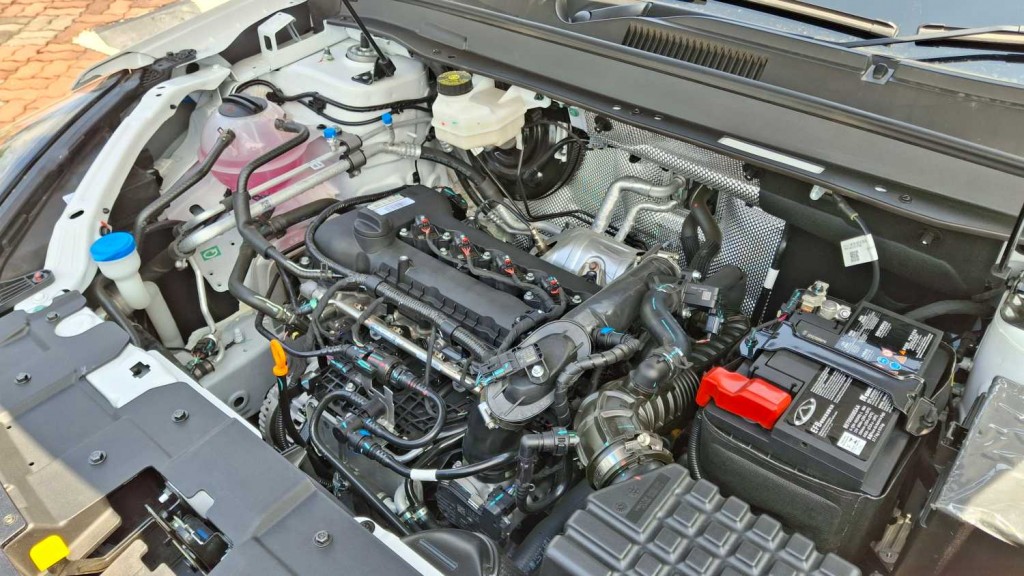
Turbo.
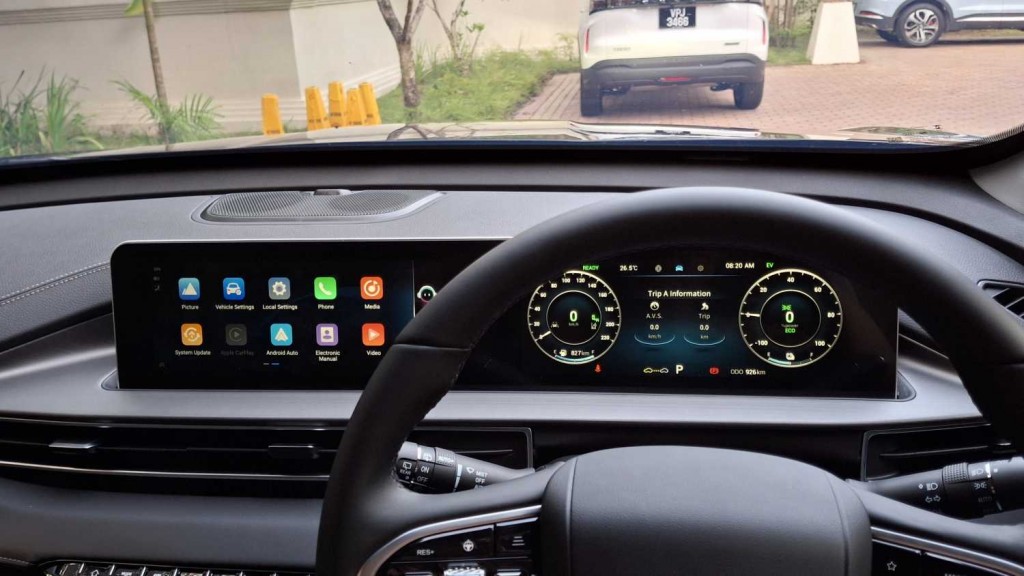
Like mild hybrids, there is no tachometer but an electricity flow meter that indicates in percentages.
On observing how the cruise control function kept electric flow mostly at around 40% to maintain the 110kph highway speed, we did the same using the accelerator.
We went from a low of 5.1L/100km to 5.9L/100km during our stretch from Kuantan to the Maran rest stop.
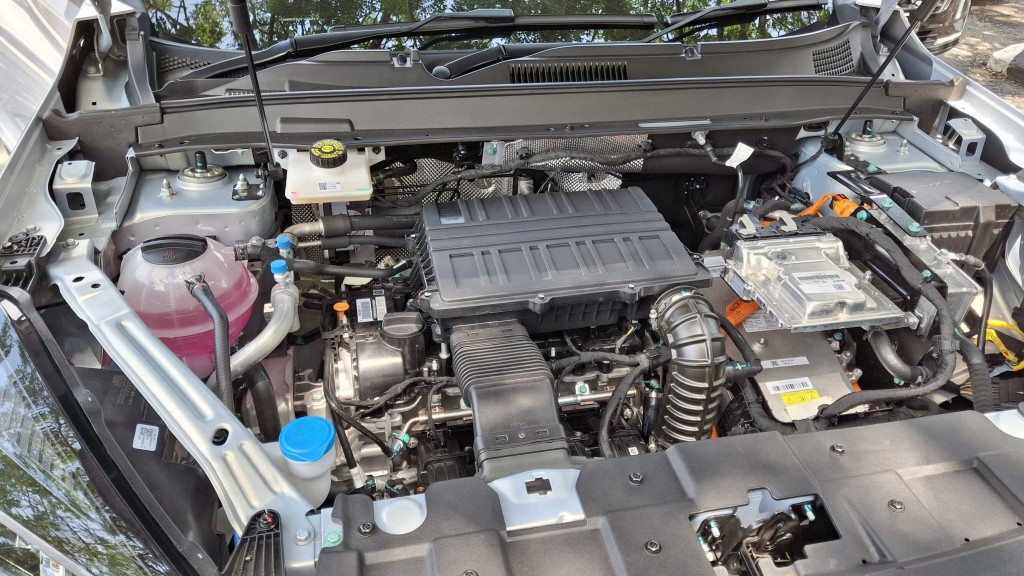
CSH.
It was difficult maintaining a low figure as the engine was activated often to charge the battery instead of using regenerative means from the brakes, which occurred frequently only in urban drives.
It is purely electric power when in EV mode and the engine serves as a generator to the battery in Tandem Mode.
At above 80kph, the engine directly drives the vehicle in Direct Engine Mode while in Parallel mode, both the engine and electric motor come into play.
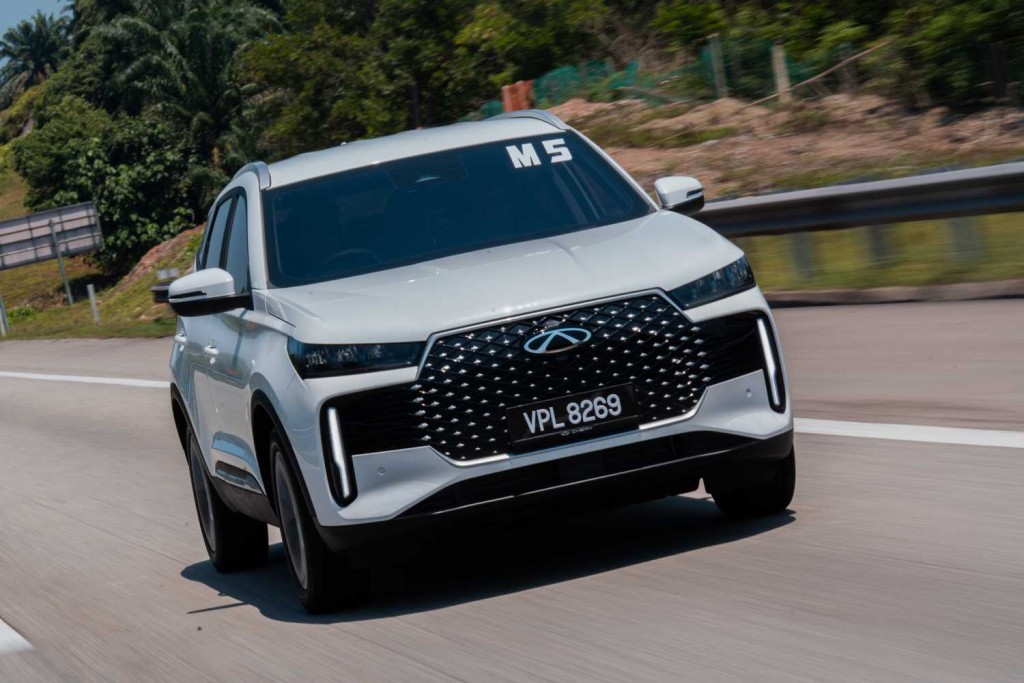
At the end of the day, we managed an average fuel consumption in that region, which wasn’t far of Chery’s claim of 5.4L/100km (18.5km/l).
It won’t win us a prize but that is what the average CSH owner would most probably enjoy driving at legal highway speeds.
Whether you want a kick in your driving or stretch your petrol dollar, the Tiggo Cross has the options for you and at very competitive prices too.
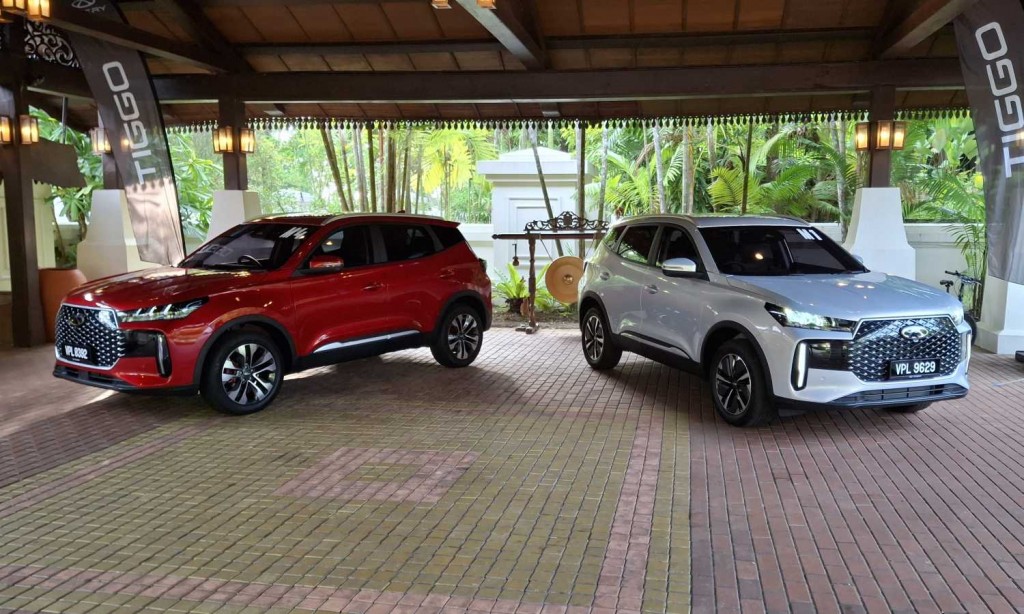
Turbo (left) and CSH.
The Turbo is priced at an attractive RM88,800 and the CSH costs more at RM99,800.
Warranty is good too at seven years or up to 150,000km while the hybrid has the added eight-year warranty or up to 160,000km for the battery power pack, electric motor and hybrid control unit.