FOR a long time, Malaysian buyers defaulted to sedans.
Then sports utility vehicles (SUVs) muscled their way into driveways and have become the go-to choice for many families, even if traditional sedans still dominate the roads.
Lately though, multi-purpose vehicles (MPVs) are back in the conversation.
Some of that is simple demographics: bigger households, more “balik kampung” runs, more “we need a car that can do everything” thinking.
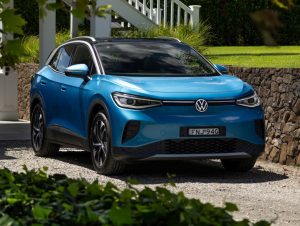
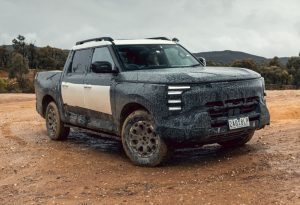
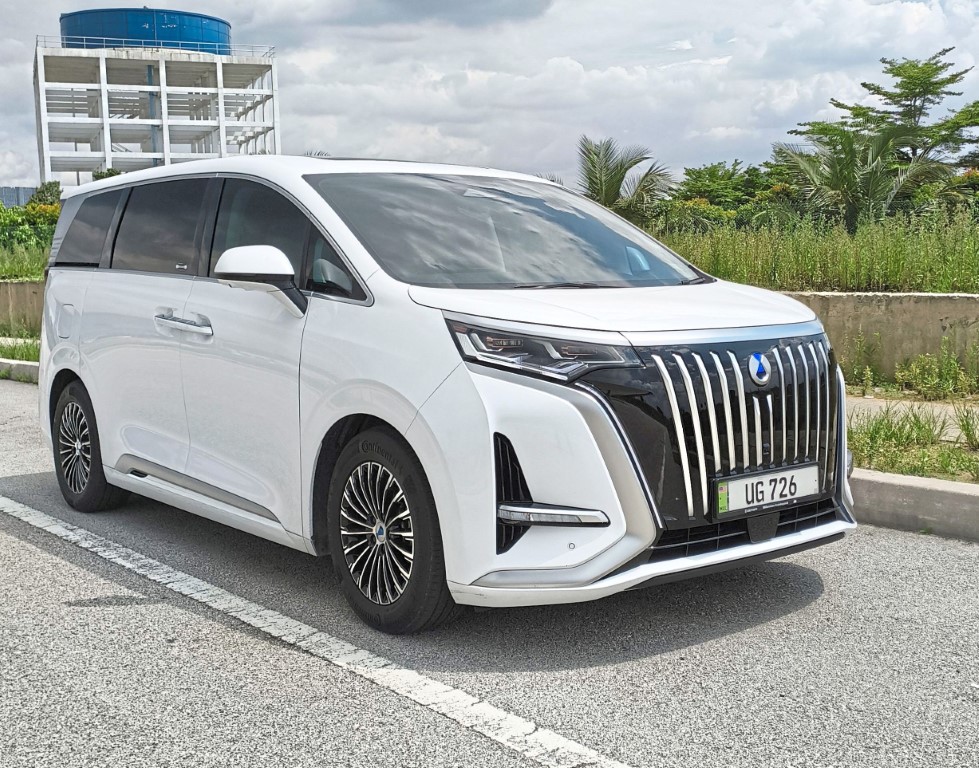
And some of it is the speed at which Chinese brands expand here, bringing well-specced people-movers that target the long-standing luxury choices.
So yes, the Toyota Alphard and Vellfire still carry serious “I’ve arrived” weight.
But GAC, GWM, XPeng, Maxus and Zeekr now crowd the same space with newer ideas at friendlier pricing.
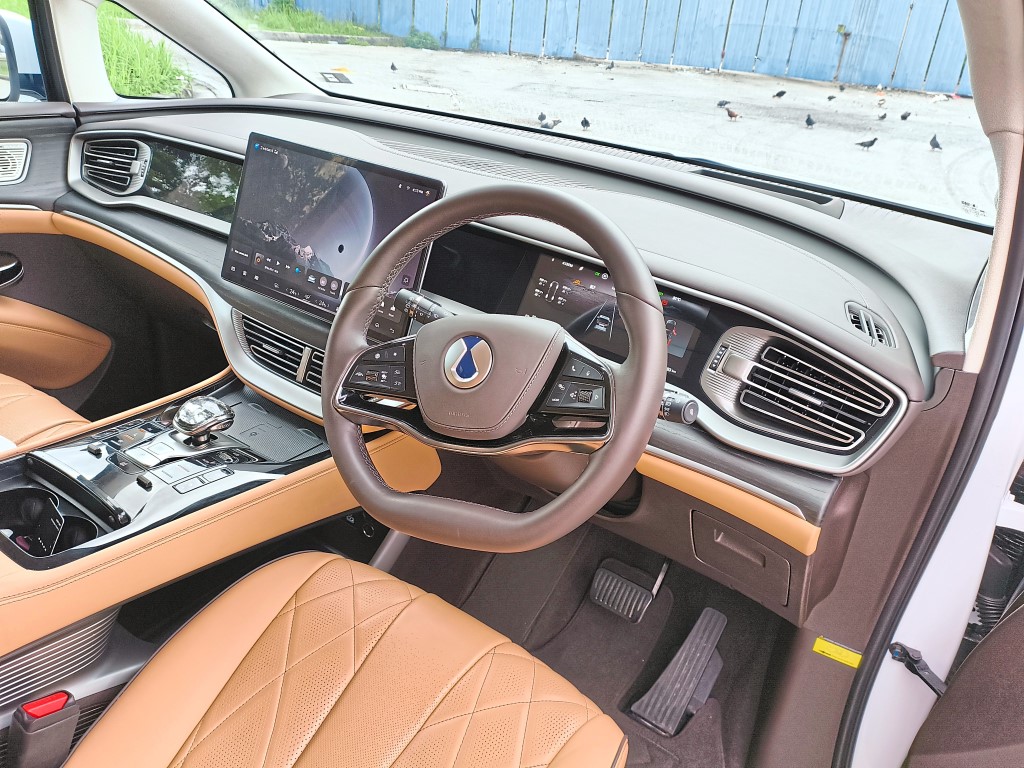
Denza, BYD’s premium arm, enters the fray with the seven-seat D9.
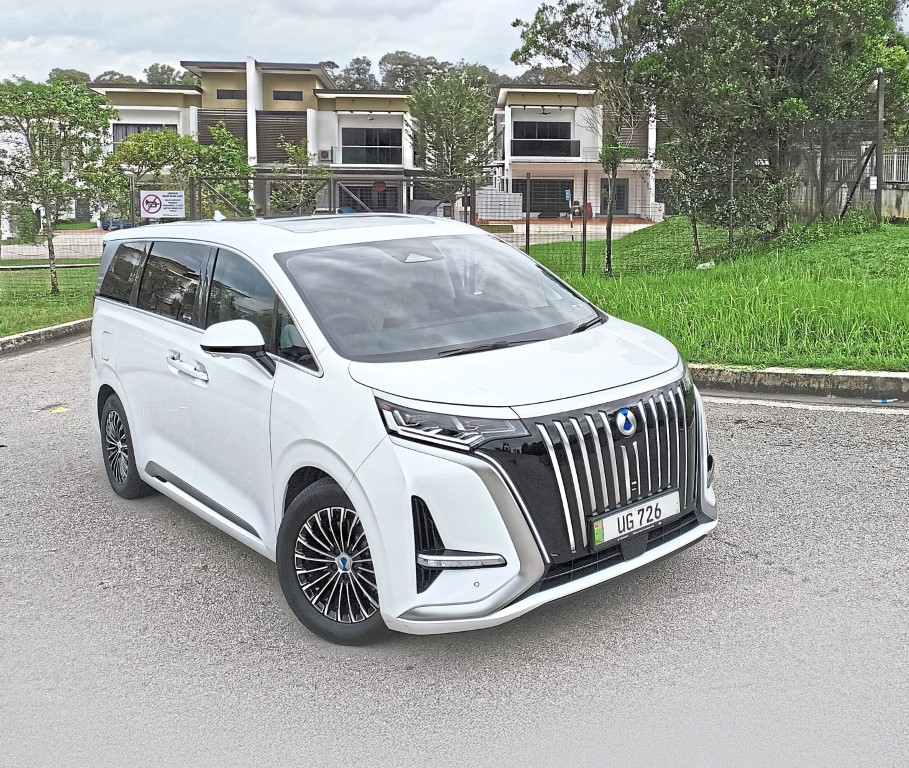
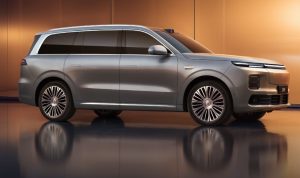
The D9 looks exactly like what it is – a big people-mover with presence.
The key number is its length – 5,250mm – backed by a long 3,110mm wheelbase.
That wheelbase helps explain its limo-like stance over everyday people-mover vibes up close.
It sits on 235/60 R18 tyres.
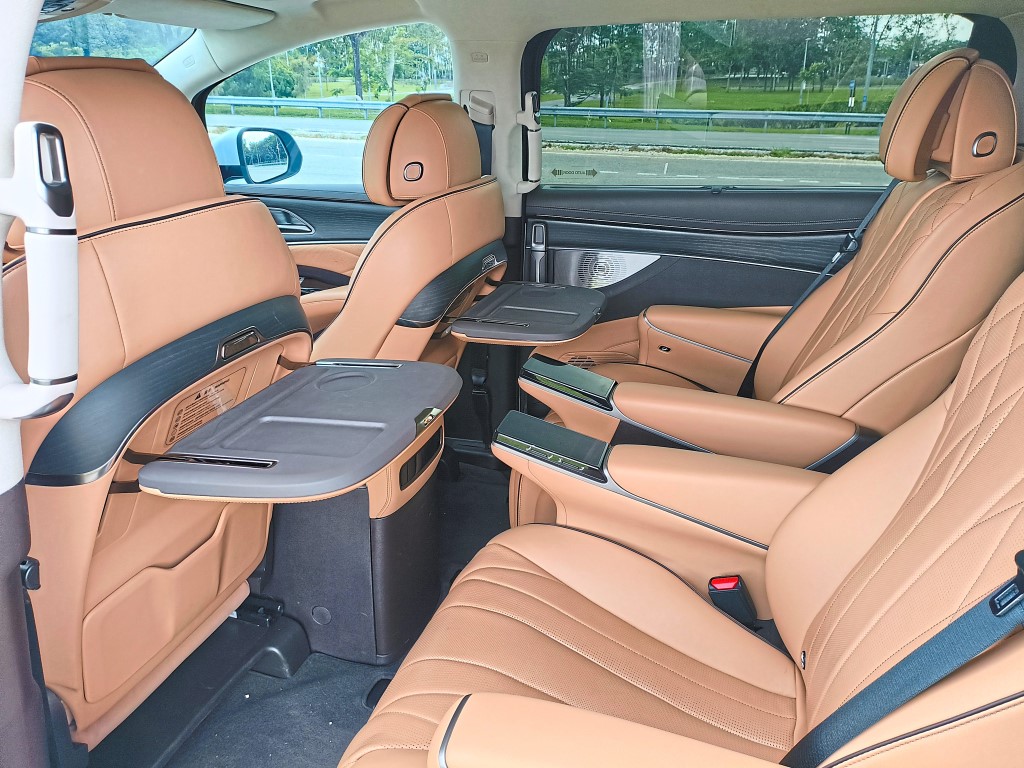
On a body this tall and long, the 18-inch wheels can look a bit small next to some rivals that go 19 or 20 inches.
Denza’s choice feels practical rather than showy, with more sidewall to take the shock out of broken tarmac.
Boss seats
Denza sells the fully imported D9 on its captain seats, describing a “zero gravity” style setup with electric adjustment, headrest adjustment and electric leg rests.
The second row is where the D9 makes its strongest argument, whether you are ferrying family or keeping a client comfortable in the back.
There is proper MPV usability, too.
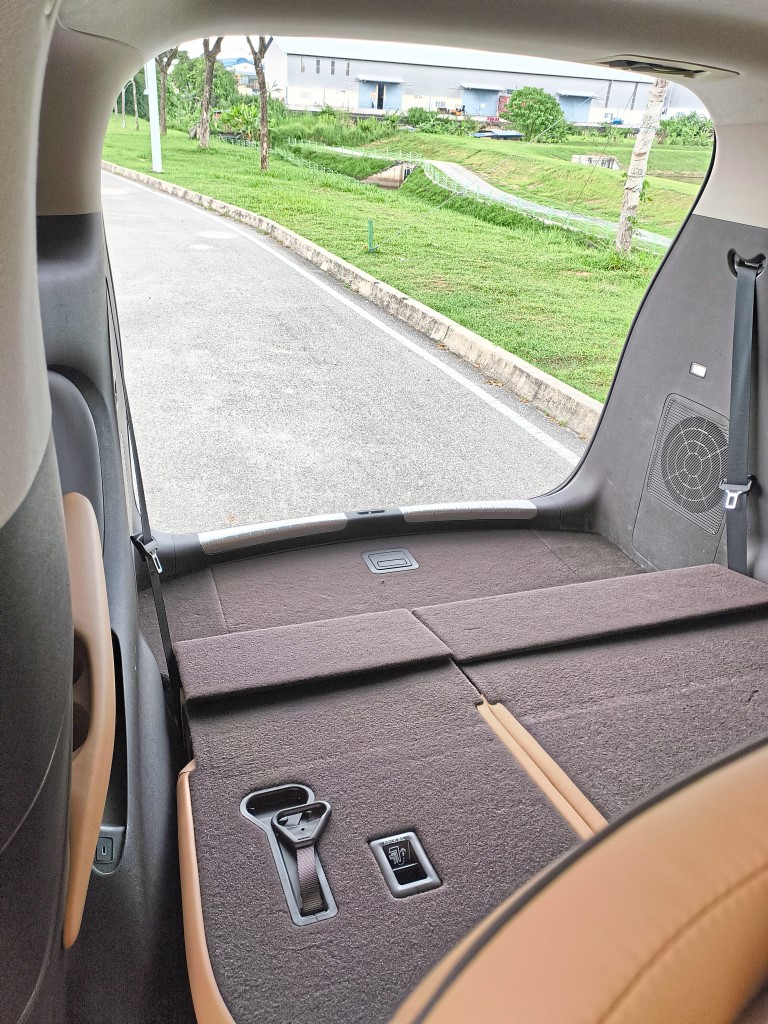
Denza quotes 410–2,310 litres of cargo volume with the captain seats slid fully forward and the third row folded.
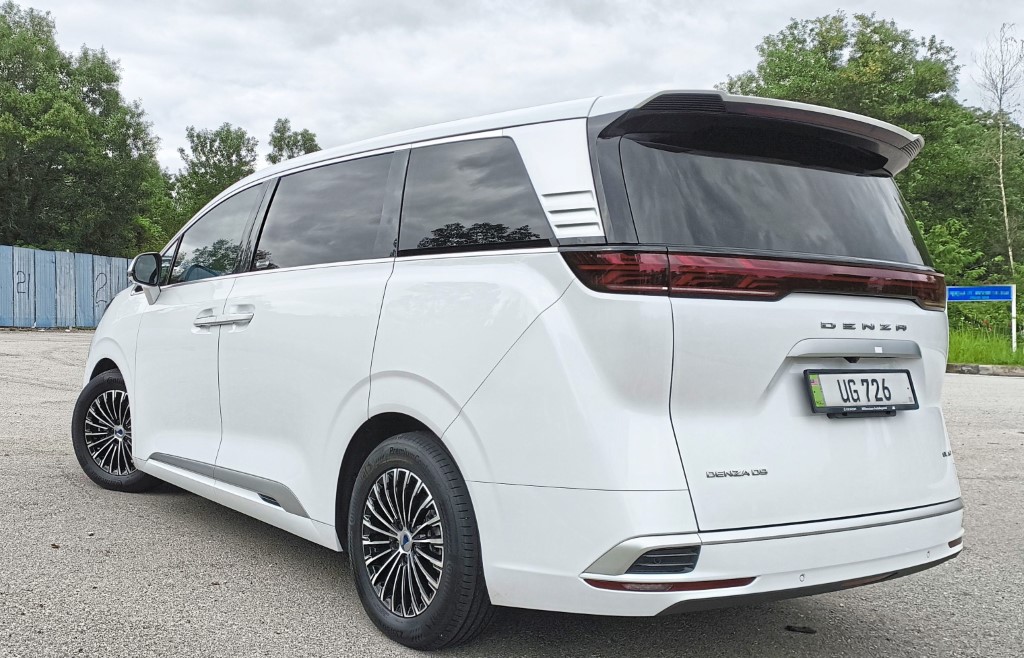
In day-to-day terms, the D9 is the sort of MPV that can take adults in the last row without turning the boot into a token slot.
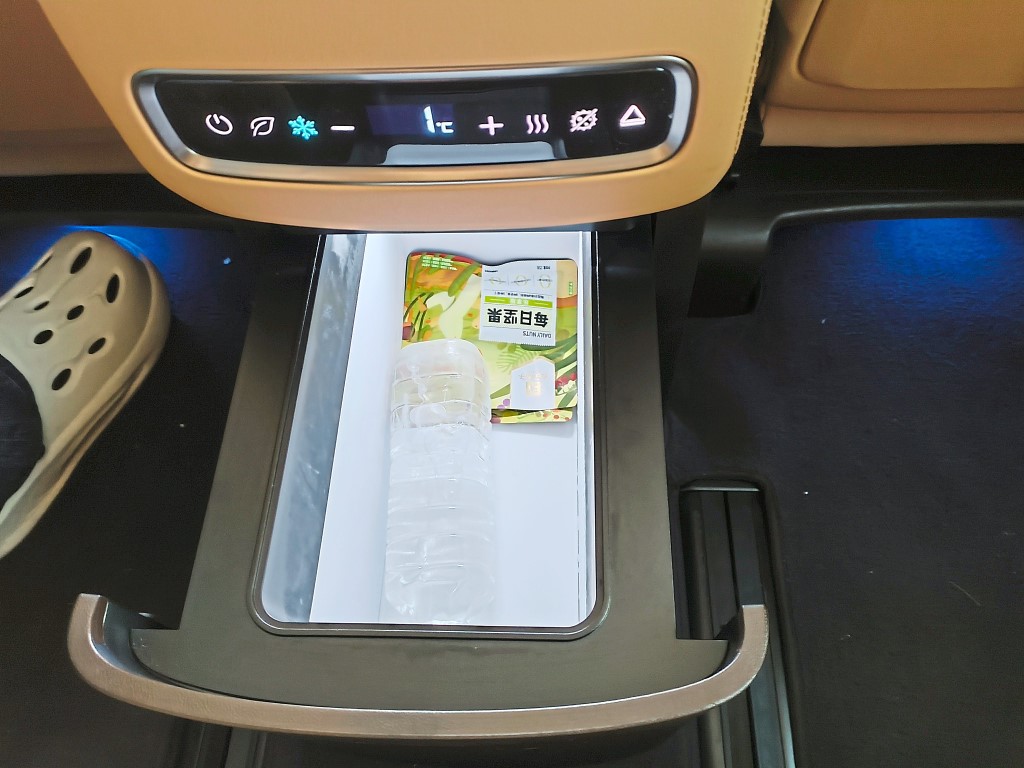
Comfort features land thick and fast: three-zone climate control with vents for the rear, a built-in refrigerator for the middle row, and a 14-speaker Dynaudio system with 7.1-channel surround processing.
Wireless Apple CarPlay and Android Auto are supported, and Denza includes plenty of charging points, plus wireless phone charging for the front and middle rows.
Not everything is “automated luxury”, though.
The rear sunshades are manual pull-ups, and if you were hoping for a built-in rear entertainment screen, the D9 does without one unlike the XPeng X9.
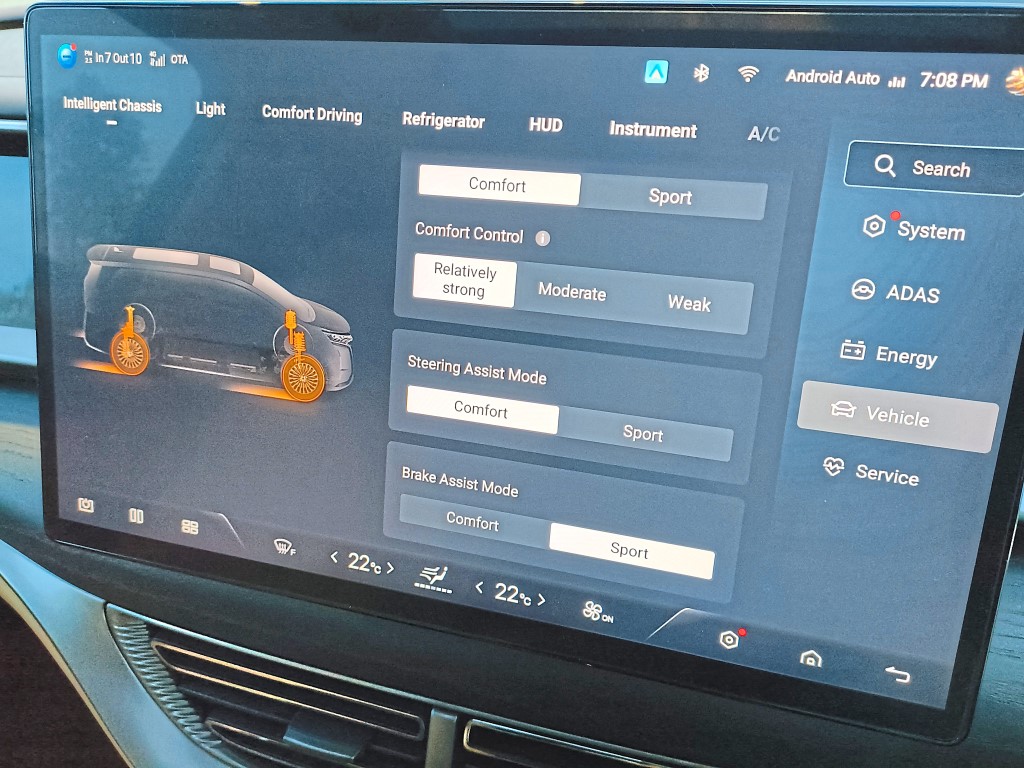
You could argue most Malaysian passengers already bring their own screens, but built-in rear entertainment still helps a luxury MPV feel more chauffeur-ready.
Strong, smooth shove
On paper, the Premium AWD looks quick: 275kW and 470Nm, with 0–100kph in 6.9 seconds.
In practice, the delivery feels more like quiet muscle than drama.
Economy and Standard are close in feel, while Sport brings out the “both motors are awake” surge you buy an all-wheel drive (AWD) model for.
Snow dials everything back for rainy or slippery Malaysian roads, softening throttle response and letting the traction control step in earlier to stop wheelspin.
This is a near-2.8-tonne MPV, so it needs composure every bit as much as speed.
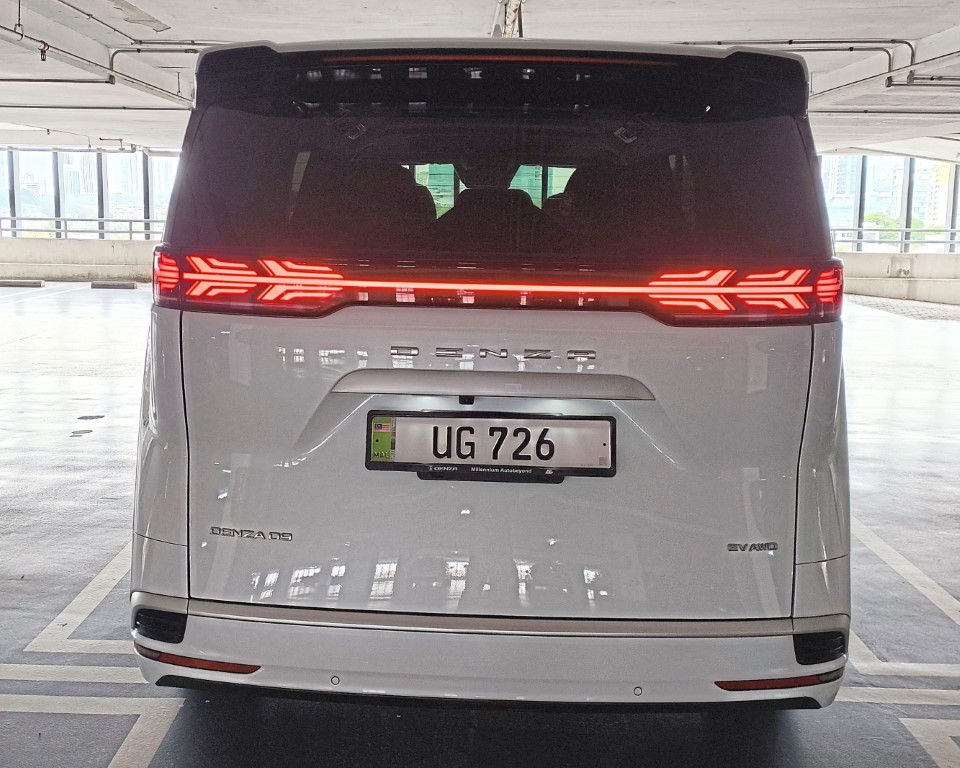
Denza fits adaptive damping, and it does a solid job keeping the body level under hard braking.
Over coarse surfaces and rumble strips, however, you still feel vibrations coming through.
That is the trade-off of mechanical adaptive suspension rather than air suspension: generally simpler long-term ownership, but less of that plush “floating” finish you get in the priciest luxury movers.
Noise isolation is decent, not total.
It stays relaxed at cruising speeds, yet it does not shut out the outside world as completely as the top tier luxury benchmarks.
One feature that divides opinions is the streaming interior rear-view mirror.
It’s useful when the cabin is full, though the wide-angle camera takes some getting used to — distances don’t read quite the same as a traditional mirror.
Other details
The Premium AWD uses a 103.6kWh BYD Blade (LFP) battery, with 11kW AC (3-phase) and up to 166kW DC charging.
It delivers 480km WLTP range, plus 150km of range in 10 minutes of charging.
In our running, average energy use registered at 22.9kWh/100km, which is realistic for a large electric MPV on public roads.
The D9 brings the expected luxury-MPV safety stack: full-speed adaptive cruise control, AEB, lane support functions, blind-spot monitoring, cross-traffic alerts, plus driver fatigue and distraction detection.
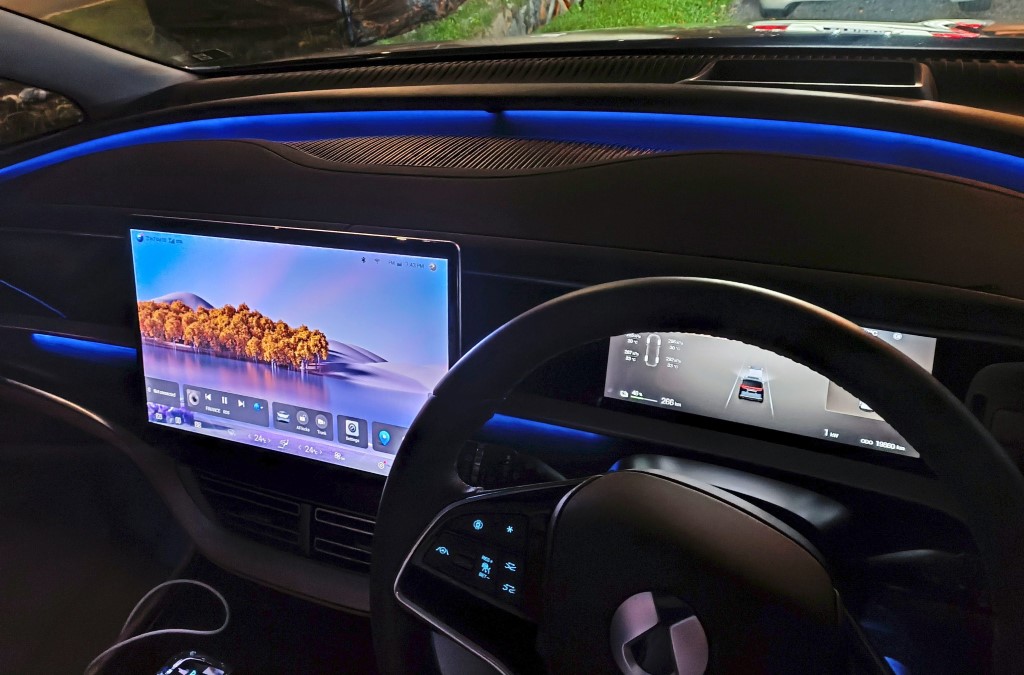
Sensor hardware is substantial for the Premium AWD too, including 12 ultrasonic radars and five millimetre-wave radars, alongside multiple cameras.
Should you buy?
Here’s the sting: 2025 units of the Premium AWD remain priced at RM309,000, but the incoming 2026 price is RM355,000, a RM46,000 jump (about 15%), before on-the-road costs.
At RM309K, the Premium AWD looks like a calculated bargain in the luxury MPV space: huge cabin, serious power, strong equipment, and the sort of second-row comfort that actually fits chauffeur and corporate-fleet use.
The compromises are easy to list: the 18-inch wheels look modest, there is no rear entertainment screen, the suspension is good but not air-suspension plush, and cabin isolation could be tighter.
If you already want an electric luxury MPV and the D9’s format suits your life, the remaining 2025 stock is the decision-maker.
The D9 doesn’t change overnight. The deal does.
SPECIFICATIONS
Denza D9 Premium AWD
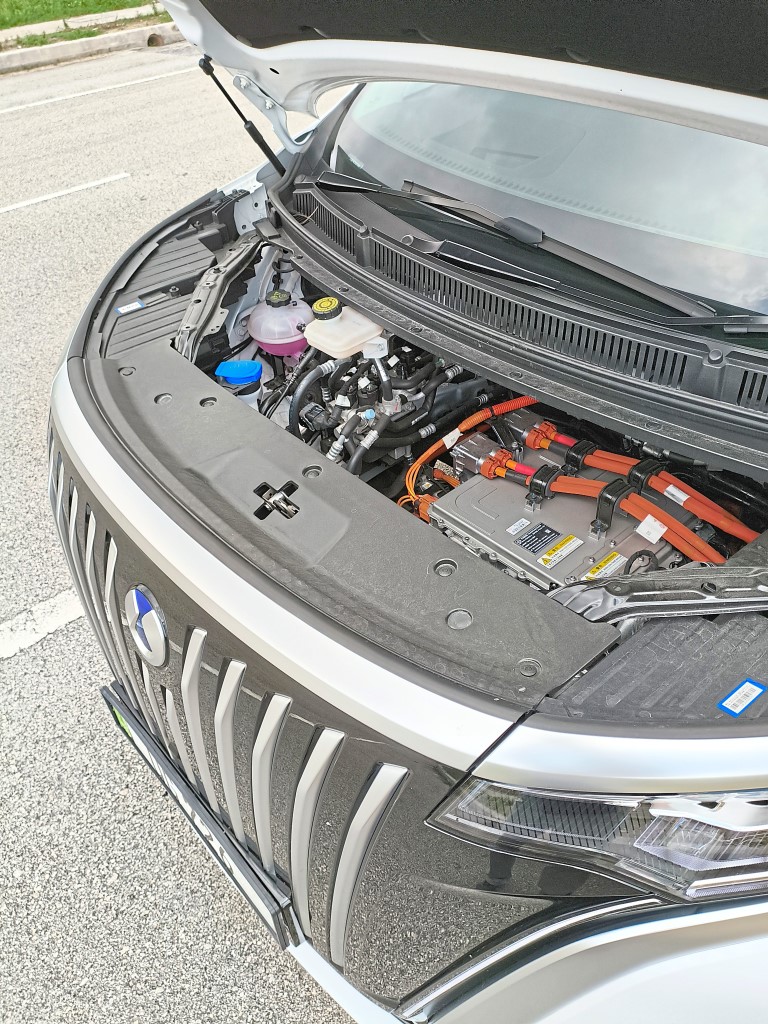
Electric motor: Dual-motor AWD (front + rear permanent-magnet synchronous motors)
Maximum power: 270kW
Maximum torque: 470Nm
Battery capacity & type: 103.6kWh BYD Blade (LFP)
Normal charging (AC): 11kW
Quick Charging (DC): Up to 166kW DC
Range: 480km (WLTP)
Charger Type: Type 2 (AC) / CCS2 (DC)
Transmission: Single-ratio automatic
Features: 15.6-inch touchscreen, 10.25-inch digital instrument panel, 360-degree camera, head-up display, Nappa leather seats; suede headliner, 14-speaker Dynaudio audio, 3-zone climate control, 10-way powered captain seats with 10-point massage function, ventilated front and mid-row seats, powered sliding doors, 6.8L refrigerator, three 50W wireless chargers, eight airbags, ADAS (autonomous emergency braking, high beam assist, lane keep assist, adaptive cruise control, front and rear cross traffic alert with auto brake, rear collision warning, lane departure warning)
Suspension: Front MacPherson struts; rear multi-link with DiSus-C adaptive dampers (AWD)
Acceleration (0-100kph): 6.9 seconds
Kerb weight: 2,764kg
Boot capacity: 410 litres, expandable to 2,310 litres
Price (nett, excluding on-the-road costs): RM309,000 (2025 tax-free units); RM355,000 (MY2026 with taxes)