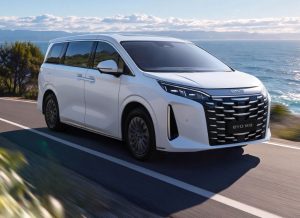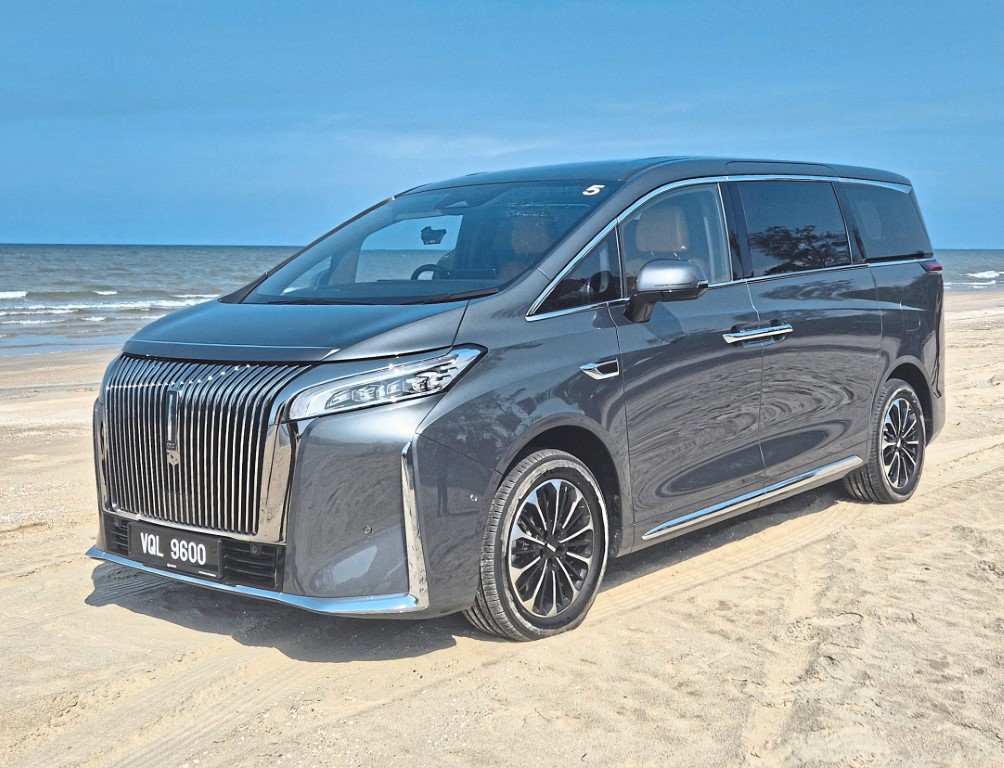
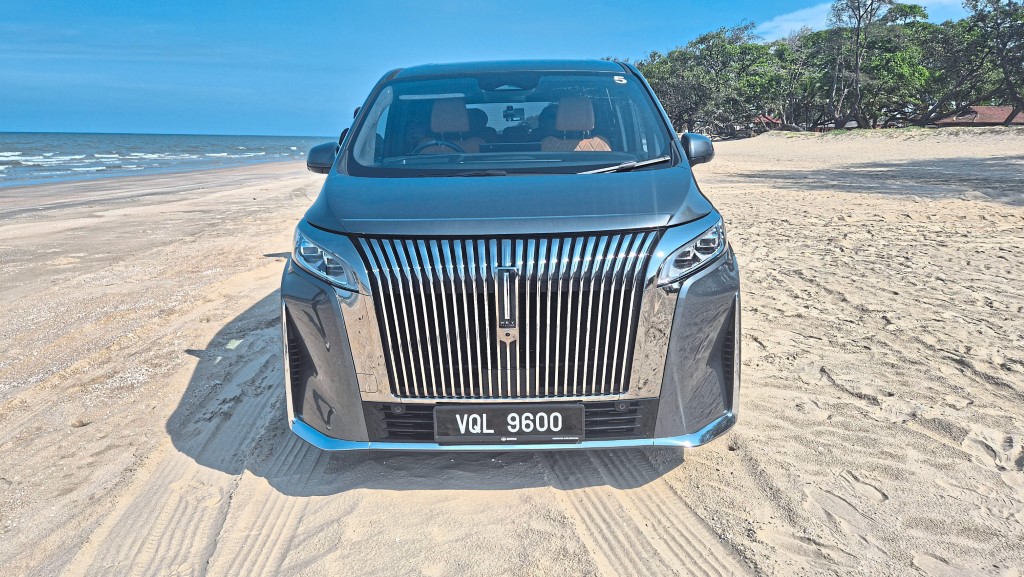
THE premium multi-purpose vehicle (MPV) landscape in Malaysia has long been established by a few players, but the arrival of the GWM Wey G9 suggests that this order could be in for a change.
During a recent drive from Kuala Lumpur to Kuantan, we put this 2.5-tonne MPV with a plugin-hybrid electric vehicle (PHEV) powertrain that costs on-the-road without insurance at RM269,800 to the test.
Beneath its sizeable body sits Great Wall Motor’s Hybrid Intelligent 4WD system (Hi4), which is a setup designed to balance strong performance with eye-opening efficiency.
Despite its weight, acceleration is surprisingly quick, with a 0 to 100kph sprint taking just 5.7 seconds, while surges in power delivery can be had while out on the highway.
The Hi4 system combines a 1.5-litre turbocharged engine producing 150PS and 240Nm of torque with a four-speed Dedicated Hybrid Transmission.
This is supported by dual electric motors – an 80kW unit at the front and a more powerful 135kW motor at the rear.
Together, the system provides the G9 with some serious performance figures – a combined output of 442PS and 642Nm of torque.
With enough road ahead, this MPV will eventually reach a top speed of 199kph, and it does so with little strain.
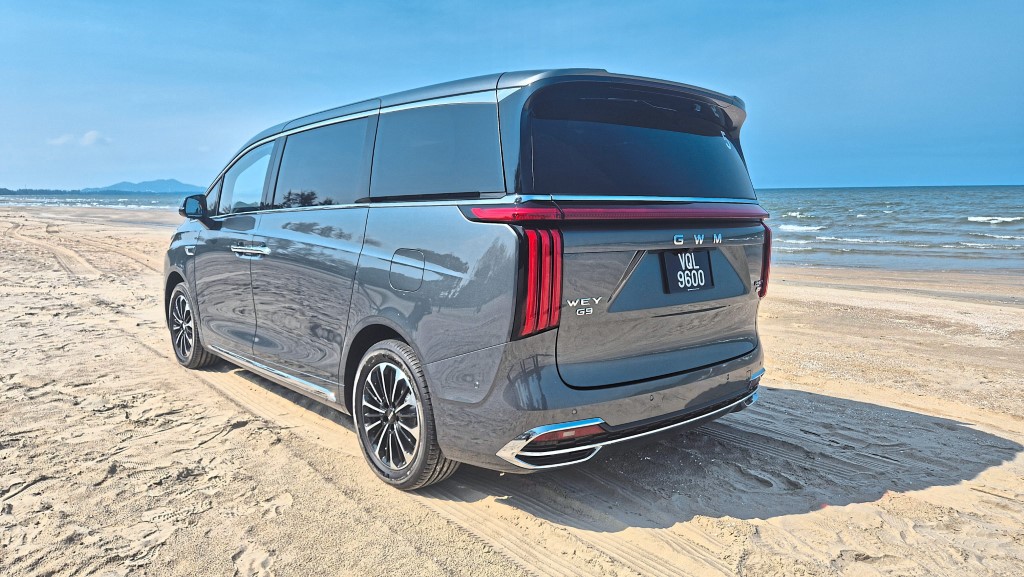
More importantly, at everyday highway speeds, the drivetrain operates smoothly and efficiently, masking the vehicle’s mass, and this is where the G9 feels most at home, as a long-distance cruiser.
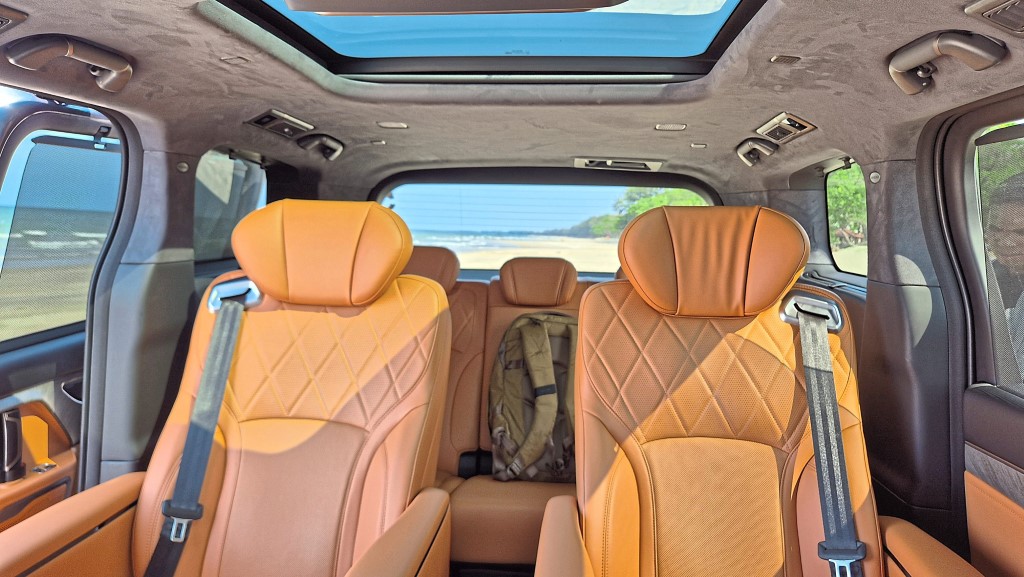
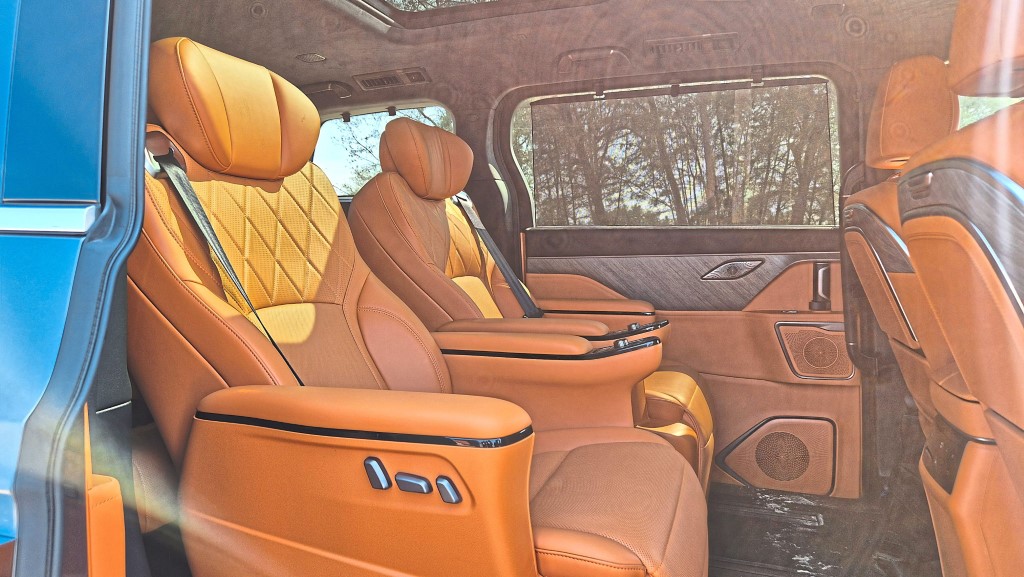
Cabin refinement is one of its standout qualities, with the interior remaining impressively quiet, thanks in part to double-glazed windows that help suppress noise, vibration and harshness – providing a calming experience during extended journeys.
While it has been given a stiffer suspension, supposedly tuned for our neck of the woods compared to its China-market counterpart, the results were mixed.
At normal speeds, it absorbs road imperfections well, as expected of a premium MPV, but shock transmission into the cabin over severely poorly paved sections can be apparent due to the new tune.
The steering is light and easy to use at low speeds and stable on the highway.
It feels somewhat artificial, which creates a sense of disconnect between driver and machine.
While the G9 is undeniably quick in a straight line, it prefers a comfortable cruise over some aggressive use.
Braking performance, however, is a strong point with the system delivering a good initial bite and seems to remain consistent under abuse.
Nonetheless, it still has a decent amount of stopping power for a vehicle of this size and weight.
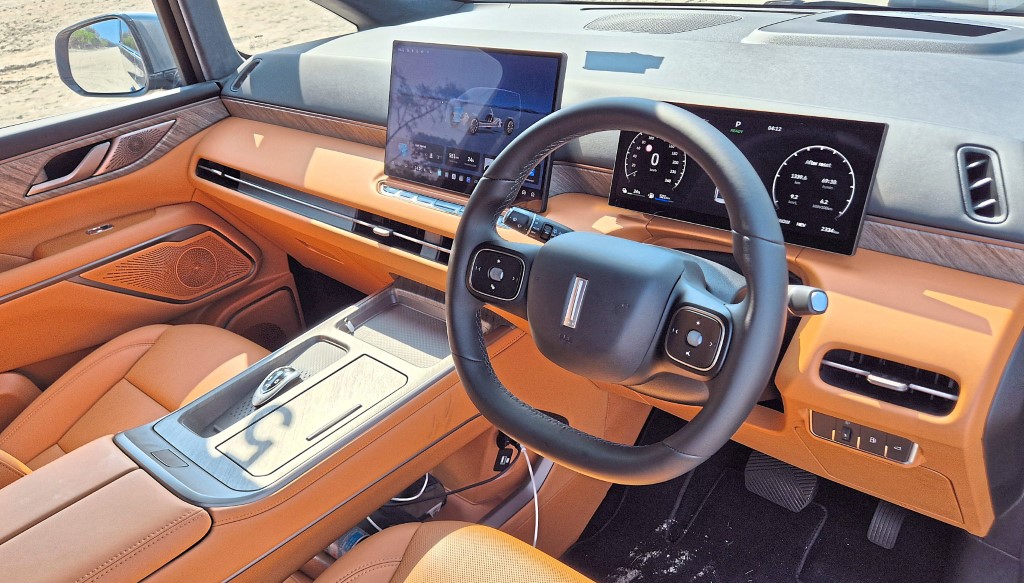
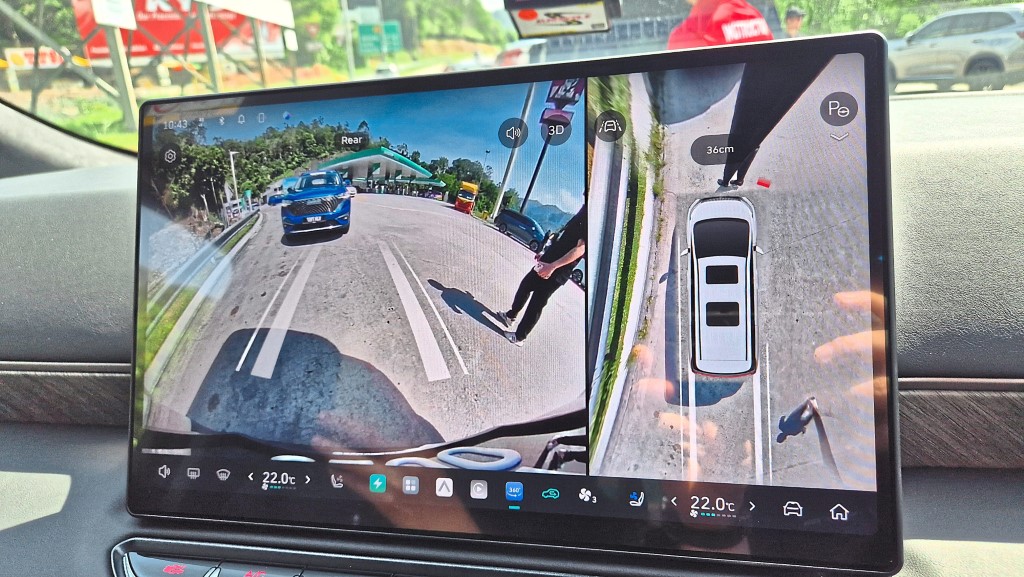
Technology plays a major role in the G9’s appeal through the connected GWM app, which allows owners to remotely control functions such as air-conditioning, seat ventilation and vehicle tracking.
Inside, the infotainment system supports seamless Apple CarPlay and Android Auto integration, ensuring connectivity is never an issue.
Safety is another area where the G9 aims to impress with the body structure engineered to withstand 12 tonnes of pressure for the roof – equivalent to up to four adult Asian elephants.
Meanwhile, the A and B pillars use ultra-high-strength 2,000MPa steel, which is the kind of water pressure experienced at a depth of 200km (far deeper than the Mariana Trench at 11km).
Further enhancing protection in both frontal and side impacts is a 1,500MPa hot-stamped reinforcement tube.
The MPV is also equipped with a comprehensive Level 2 Advanced Driver Assistance System that’s supported by 12 ultrasonic sensors, two millimetre-wave radars and six cameras, working together to provide active safety features.
Additional protection comes in the form of a six-layer battery shielding and long side curtain airbags that maintain pressure for up to five seconds.
Returning to the Hi4 system, it is said to have been designed for flexibility by offering nine intelligent drive modes.
These include pure electric rear-wheel drive for low-demand situations and electric all-wheel drive when more performance is required.
In urban conditions below 60kph, the system operates in series mode, with the engine acting as a generator when battery levels are low.
On the highway, it can switch to an economy direct-drive mode between 70kph and 120kph, while parallel hybrid modes allow both engine and motors to work together for maximum output.
Energy regeneration is also efficiently managed, with different recovery modes depending on whether the vehicle is operating in two- or four-wheel drive.
Powering this system is a 44.2kWh ternary lithium battery, offering a pure electric range of up to 170km under NEDC standards or roughly about 120km under the more realistic WLTP rating.
Combined with a 58-litre fuel tank, the total driving range is rated at around 1,000km, which is a key advantage for long-distance travellers.
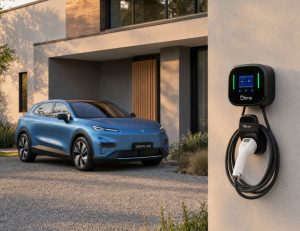
Charging is relatively straightforward with the use of a 60kW DC fast charger that can replenish the battery from 30% to 80% in about 26 minutes.
At home, a 6.6kW AC charger will take roughly 6.5 hours to charge the battery from 15% to full.
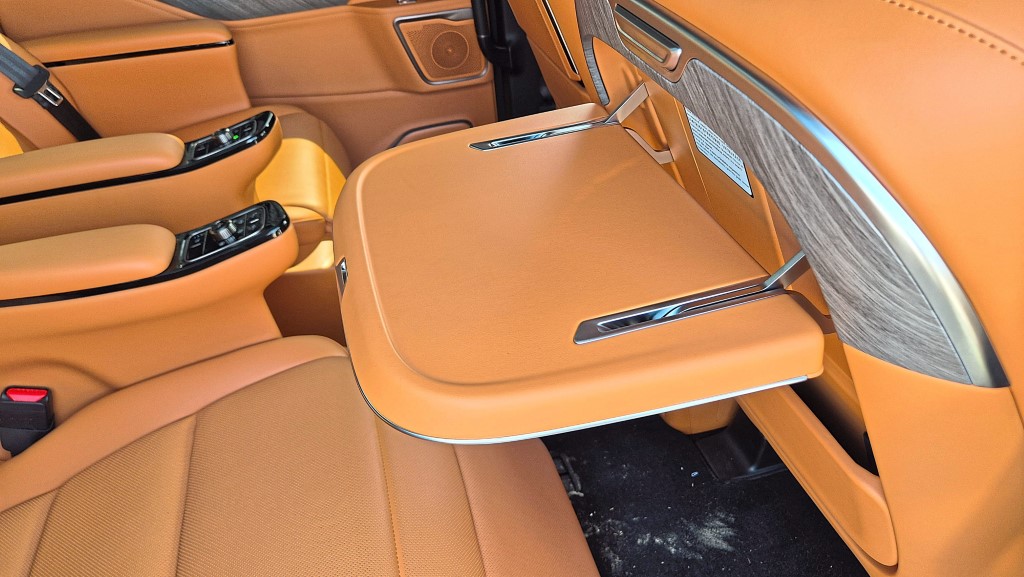
The G9 undoubtedly provides a spacious, efficient and comfortable seven-seater designed for long-distance travel and it delivers on this rather well.

This MPV also accords a quiet, well-equipped cabin, strong straight-line performance and a highly efficient hybrid system that reduces fuel consumption over extended journeys.
In that context, the G9 makes a compelling case for itself.
Although it may not yet match the polish of some long-established competitors, it does bring a fresh approach to the segment with a strong emphasis on technology and value.
For buyers willing to prioritise comfort, efficiency and innovation over outright driving engagement, it represents a serious new contender in Malaysia’s premium MPV space.