LAMBORGHINI struck gold with the introduction of the Urus from day one by effectively driving home the “sport” theme to a tee.
The super sports utility vehicle (SUV) would not only go on to be the brand’s best selling model to date - accounting for over half of Lamborghini’s sales in recent years, but also pioneering the super-SUV segment itself.
Adopting the “if it ain’t broke, don’t fix it” adage, the new Urus SE packs with it a set of new updates that is a lot more prominent when you’re in the driver seat.
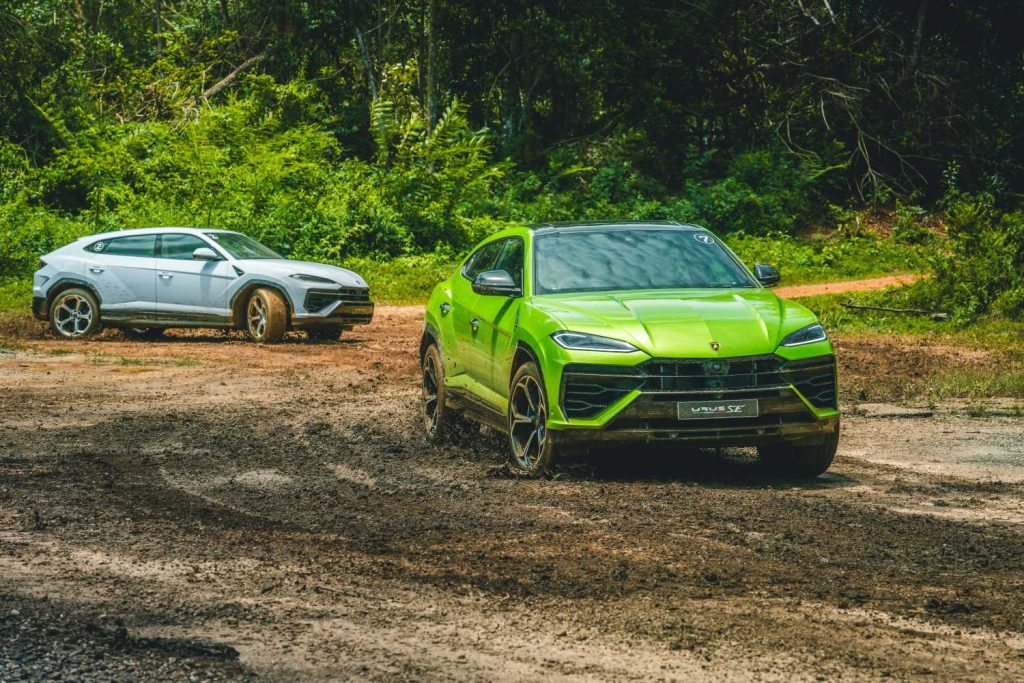
On the exterior are adopted styling concepts that was first introduced in the Revuelto and not seen on the Urus S.
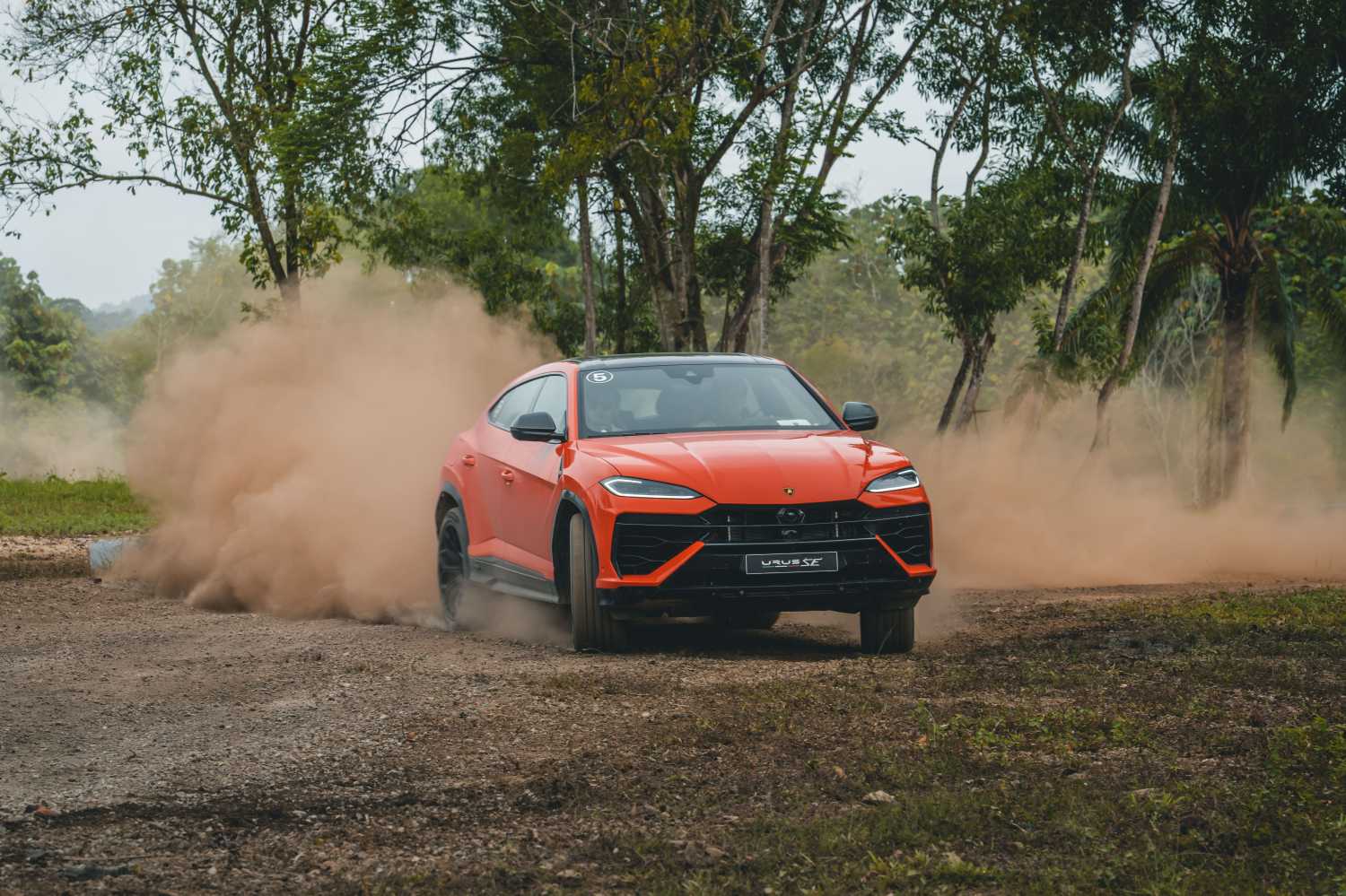
The front section features a new hood with a floating design, headlight clusters that feature matrix LED technology, a brand-new light signature inspired by the tail of the Lamborghini brand’s bull, and a redesigned bumper and front grill.
Completely redesigned, the cargo compartment hatch at the rear introduces a Gallardo-inspired continuity that harmonises the lines by connecting the taillight clusters with “Y” lights.
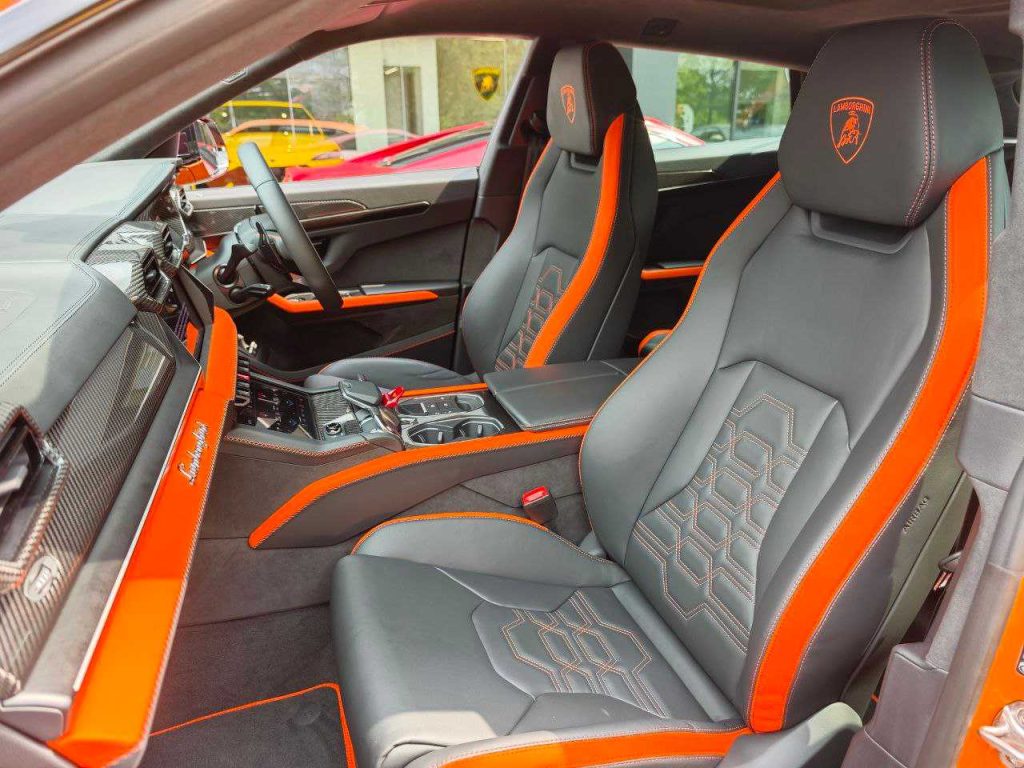
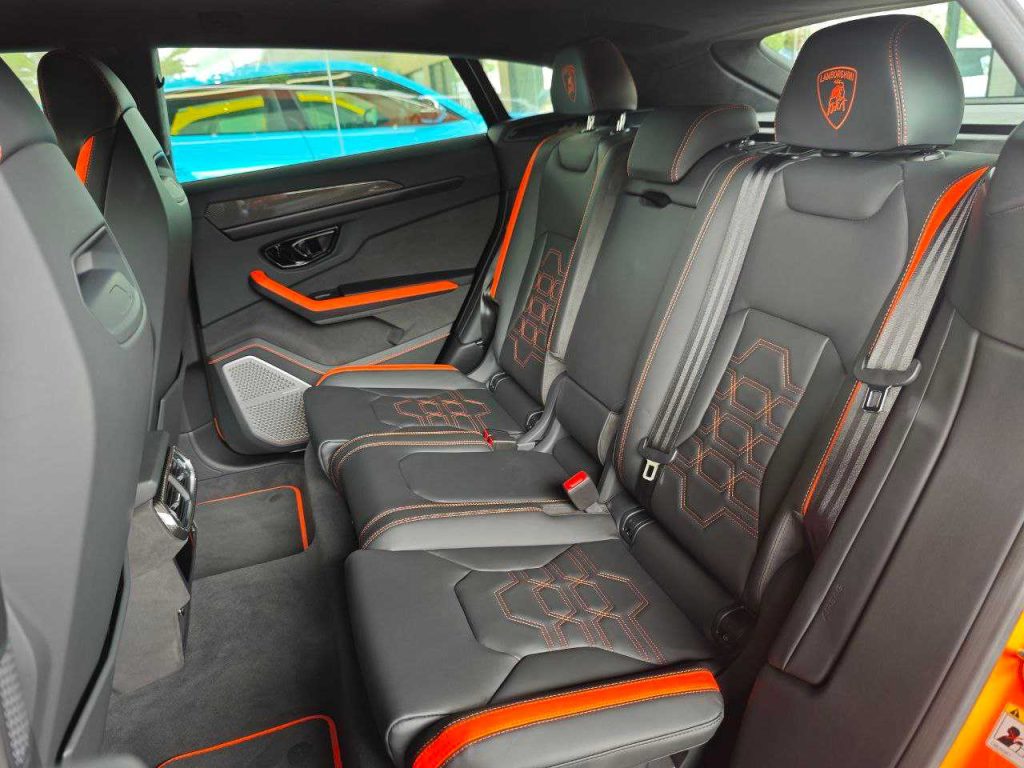
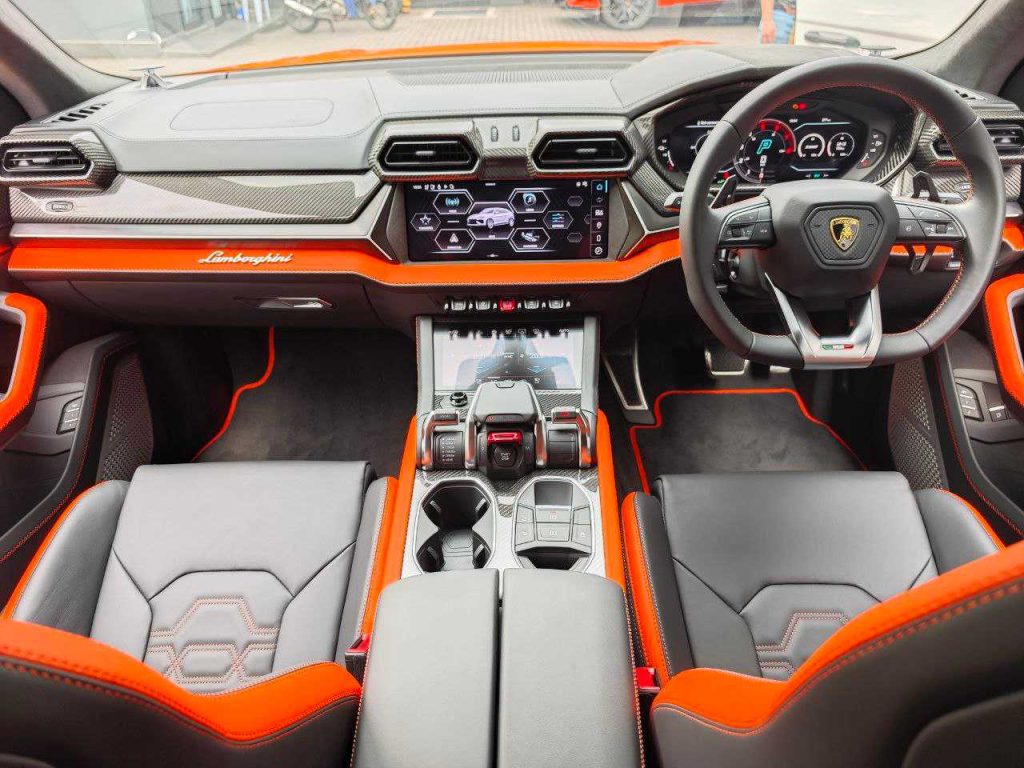
On the inside is the extremely sporty “pilot-inspired” cabin featuring a new version of the Human Machine Interface (HMI) that, according to Lamborghini, is even more intuitive to use with updated graphics matching its consistency with the Revuelto.
The dashboard is complete with a 12.3-inch digital instrument cluster and a larger 12.3-inch touchscreen display that acts as the heart of the Lamborghini Infotainment System (LIS).
There’s an array of 47 colour combinations and four types of embroidery (Q-citura stitching) interior options to choose from, with the additional potential offered via the Ad Personam programme.
It does get its range of more than 100 bodywork colour options now - including the two new Arancio Egon (orange) in combination with an interior in Arancio Apodis (orange), and Bianco Sapphirus (white) with interior in Terra Kedros (terracotta).
Optics-wise the aesthetic changes are subtle by Lamborghini’s standards. Conversely where it really bare its fangs is in the improved value it adds to the SUV’s overall performance.
Take its new front section and underside for example which improves air flow management to the braking system by 30%, while the new underbody air vents and revamped air ducts boosts the cooling efficiency of the vehicle’s mechanical and engine components by 15%.
Rear downforce at high speeds have also improved by 35% thanks to its new rear diffuser and aero lip.
To prove its mettle, customers were given the opportunity to put the Urus SE through numerous kind of track tests during an organised “esperienza” at the Sepang International Circuit.
As someone who has driven the Urus S, the result of the SE’s new downforce boost was most evident in the vastly improved stability while navigating the curves of the circuit at high speeds.
It afforded us with more confidence to push the model to greater limits around the bends and even on straights than we normally would with the Urus S.
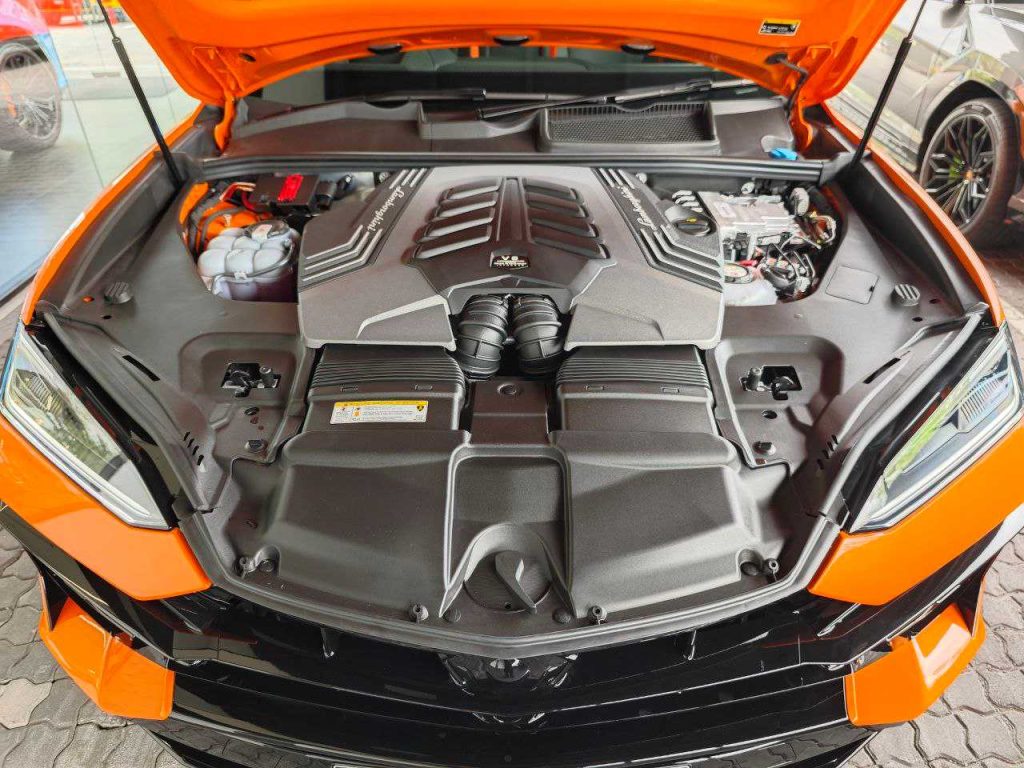
Of course the new aerodynamics isn’t the only star of its improved traction. For that we have the model’s 800CV “two hearts” hybrid powertrain.
The world’s first Plug-in Hybrid (PHEV) super-SUV is powered by a re-engineered twin-turbo 4.0-litre V8 engine that delivers 620CV (456kW) of power and 800Nm of driving torque, and an electric motor (e-motor) that delivers 192CV (141kW) and 483Nm of torque.
Powering the permanent-magnet synchronous e-motor unit located within the eight-speed automatic transmission is a 25.9-kWh lithium-ion battery that is situated below the load floor and above the electronically-controlled rear differential.
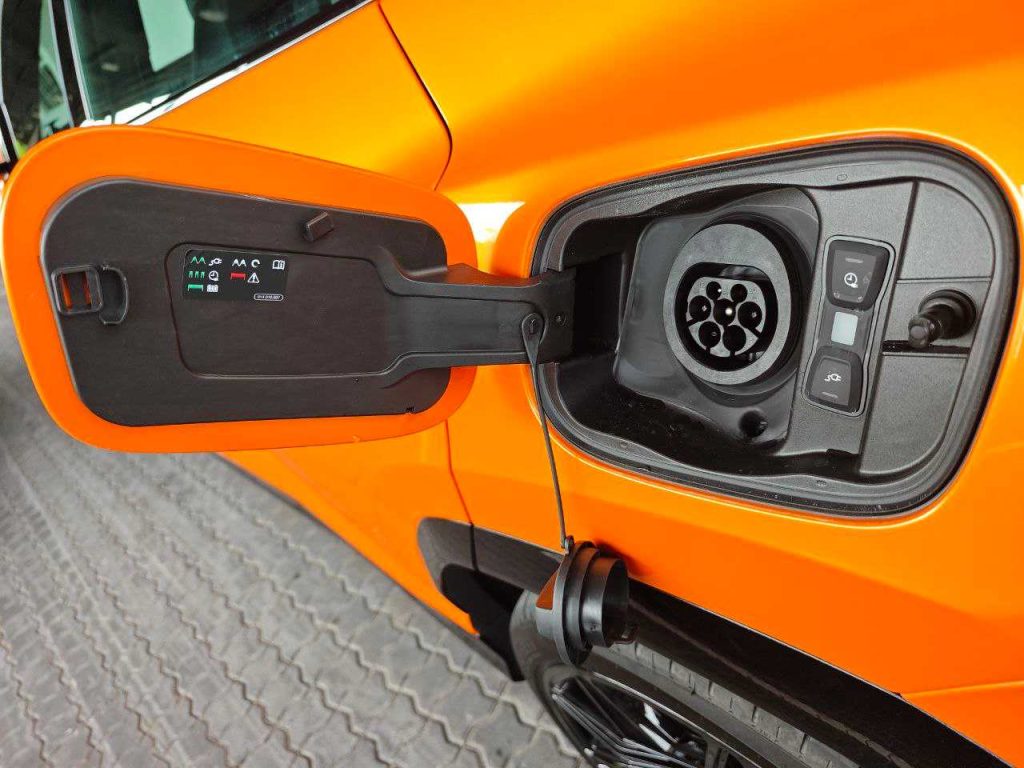
The e-motor not only acts as a boost for the V8 combustion engine but also as a traction element alongside a newly introduced centrally-located longitudinal electric torque vectoring system with an electro-hydraulic multi-plate clutch.
What it does is that it distributes driving torque variably and continuously between the front and rear axles.
With power output continually sent to all its wheels the Urus SE is also a 100% electric all-wheel drive (AWD) vehicle that is capable of traveling more than 60km in EV mode.
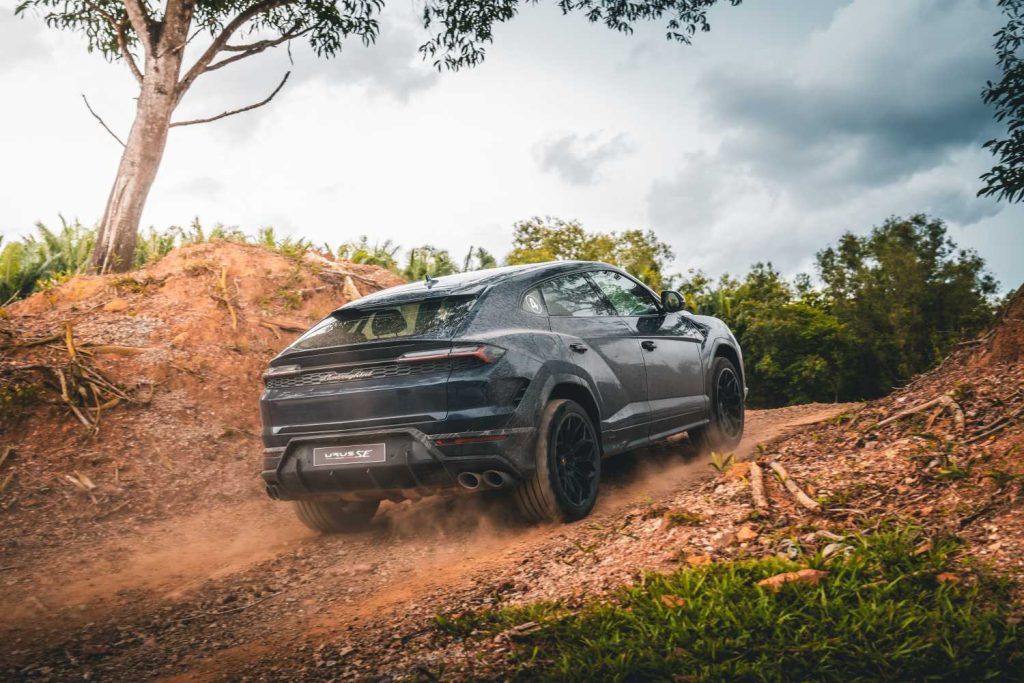
The result is amazing stability under almost any road condition that was thrown at us during the drive experience since there was a setting for almost every situation.
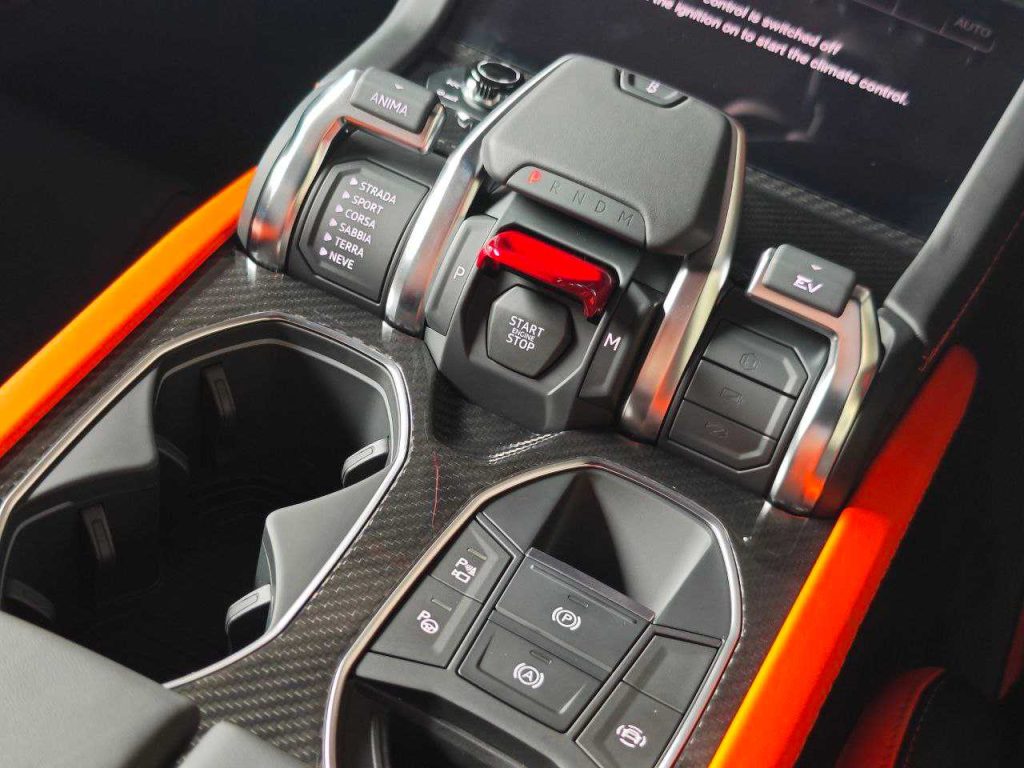
There are a total of 10 drive modes to choose from.
The standard six are the Strada, Sport and Corsa driving modes for road and track use, and Neve, Sabbia, and Terra modes for surfaces with a different grip than asphalt.
They are now joined by four new Electric Performance Strategies to highlight its updated powertrain: EV Drive, Hybrid, Performance, and Recharge.
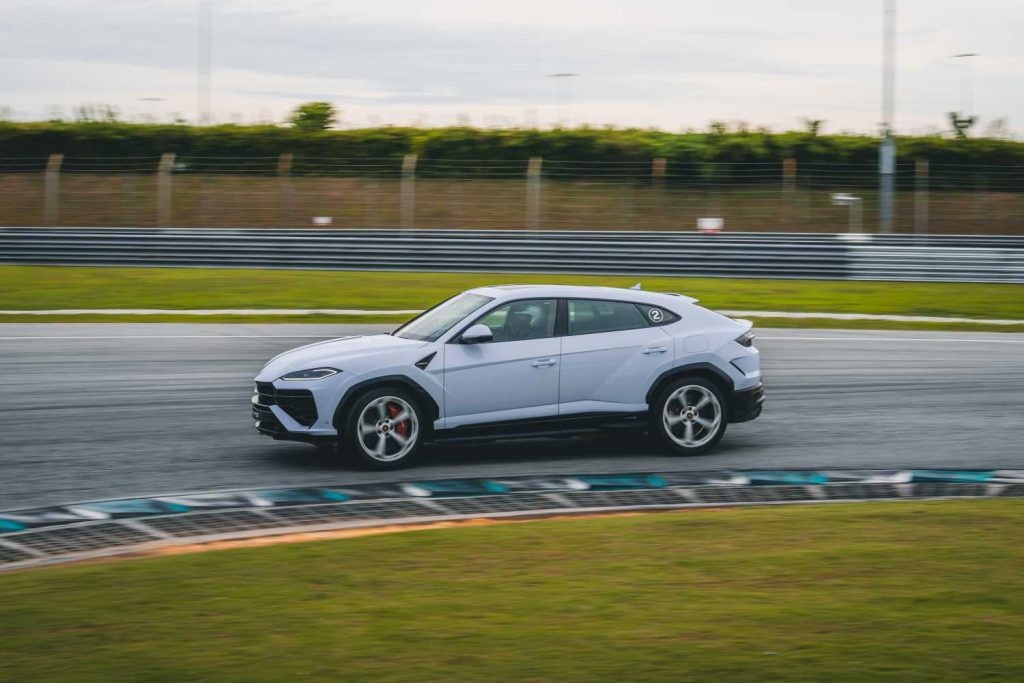
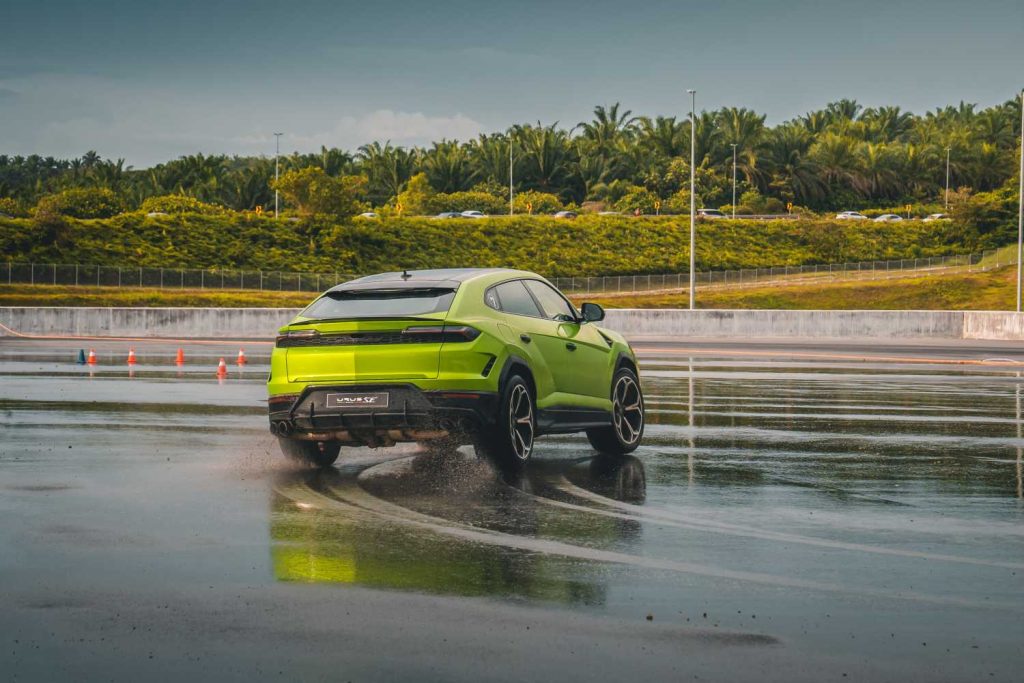
These offered us control regardless if it was on the track, a wet tarmac drifting session, climbing up a steep hill or going off-road. The only way you were going to lose your grip was through hardened deliberate means.
Its off-road prowess was especially impressive when you pair it with the model’s improved power. Not only could you engage a multitude of road conditions with ease but also by doing them at high speeds if you’re skilled, determined and gutsy enough.
The hybrid powertrain allows the Urus SE to achieve a 0-100kph sprint in 3.4 seconds and 0-200kph in 11.2 seconds.
By comparison the Urus S clocks in at 3.5 seconds and 12.5 seconds, respectively. It also trounces the Urus S’ 305kph with a higher top speed at 312kph.
At a starting price of RM1,028,000 (before taxes, duties and customisation) you’re looking at the most powerful Urus ever and the fastest production model in the segment that also boasts an 80% reduction in emissions from the previous variant.