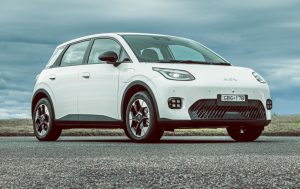
PERODUA has big plans for Malaysia’s first locally developed electric vehicle (EV). But before they can achieve any victory they must unfortunately endure the harsh criticisms through persistence.
Only because of the expectations demanded by the public out of Perodua and its first battery electric vehicle (BEV). And this has less to do with the QV-E itself and more on how it was packaged to the public.
To address the matter, Perodua has since done away its mandatory Battery as a Service (BAAS) plan and customers now are able to outright purchase the QV-E with the battery included at RM93,999.
Alternatively, they can still opt for the model at RM69,999 with a monthly payment of RM215 (with tax) under the BAAS package for nine years.
Whatever your opinion is on the BAAS option, it does actually have its benefits.
You’ll have an easier time with loan approval given the lower price tag. Then you’re set for the next nine years with your battery as the package acts as a form of insurance.
The leasing payment end, since it isn’t tied to your bank repayment loan, also stops for the owners the moment they sell their QV-E back to Perodua with new owners will picking up the remaining lease tenure years.
A new battery can be then leased for nine years should they decide to change their old battery post-leasing period or after the nine-year warranty has expired.
The major benefit here is flexibility where you don’t have to worry about forking out upfront cost for a new battery.
Once again you can simply discontinue the monthly rental should you choose to also sell off your QV-E at any moments notice.
Which ever you prefer the new pricing scheme puts the QV-E in a very strategic position and effectively changes its value proposition all the same.
For the better too, because now you have the most dynamic EV priced below RM100,000 at this very period.
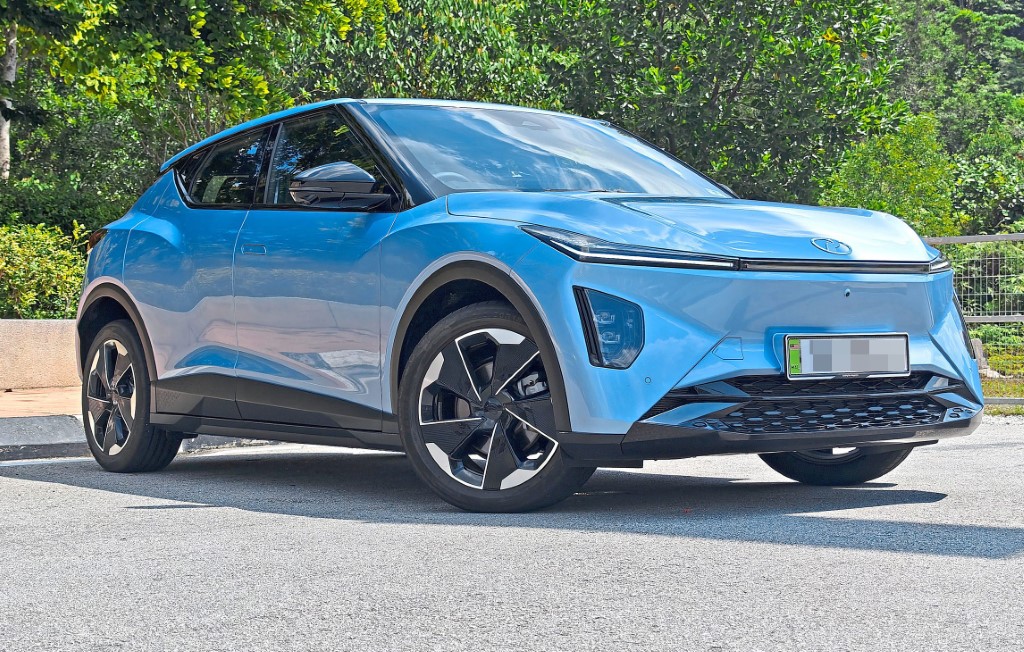
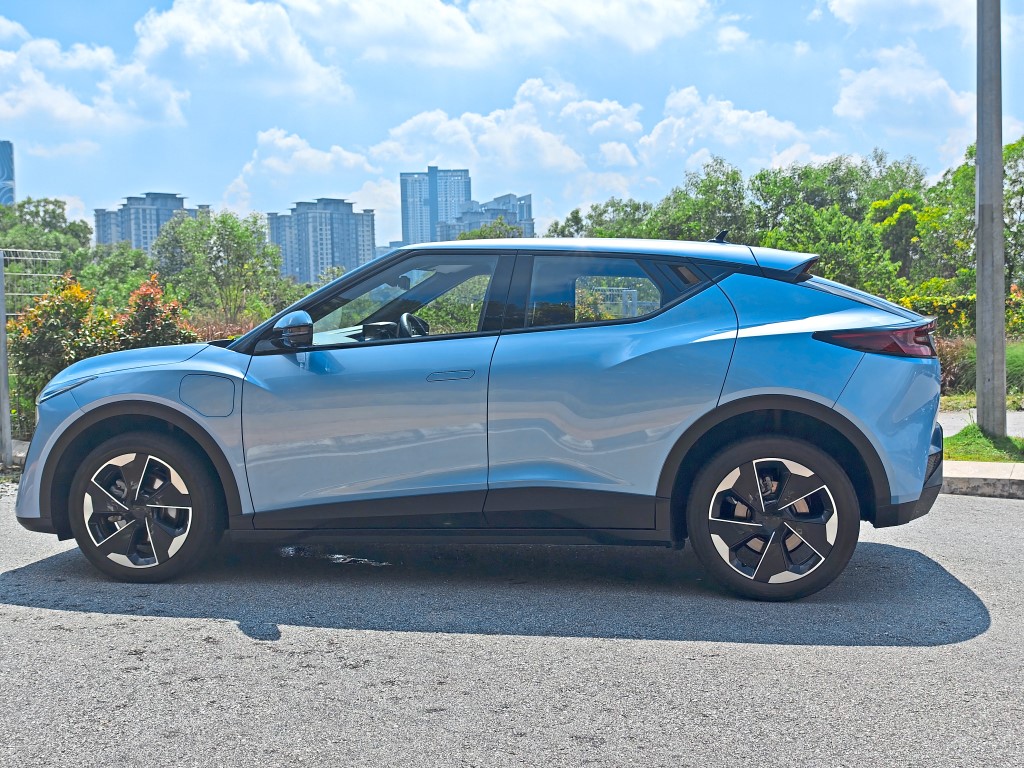
Not just because of its very sporty looks. The best way to encapsulate the model’s appeal is that it is heavily “Japanesque”.
Right down to its design and performance the QV-E is very much inspired by what Japanese cars offer - in this case what you would expect out of a Japanese EV to drive like or at least the impression of it.
Unique because the grand majority of EVs at this price are of the China variety which focuses a lot on practicality and tamer designs.
While practical, the 5-star safety rating ASEAN NCAP model whether coincidental or by design excels more at offering a spirited drive experience.
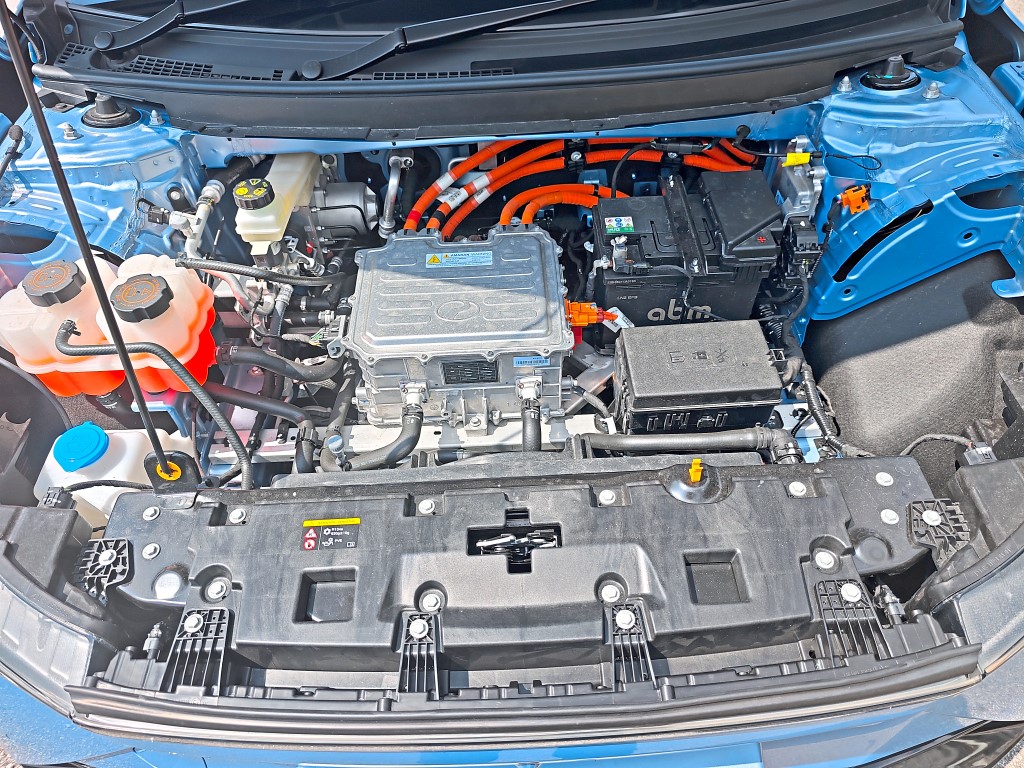
Already its front mounted electric motor and 52.5kW lithium iron phosphate battery serves up some very competent figures: 150kW of power and a maximum torque of 285Nm, range capacity of up to 445km (NEDC), 0kph-100kph acceleration in 7.5s, maximum speed of 165kph, and DC charging is 60kW that allows it to achieve a 30%-80% rate in 30mins while AC is 6.6kW with a charge time of eight hours to get from 0%-100%.
Apply a very intuitive steering tune with a smooth non-bouncy suspension setup (just right or possibly what you’ll find in most B- to C-segment Japanese models) and the EV becomes very engaging to drive around.
Normally I’m quite conservative when driving around with EVs because my lifestyle doesn’t encourage the whole “charge and wait around” practice. It just eats up too much time with a lot of logistics to consider.
And because of it I try not to drive an EV around too much or too far to conserve as much charge as possible.
Adding that EVs especially around this price range are more tailored for a decent practical run.
With the QV-E I found myself wanting to drive it every chance I get. Experiencing its spirited drive characteristics is worth every charge.
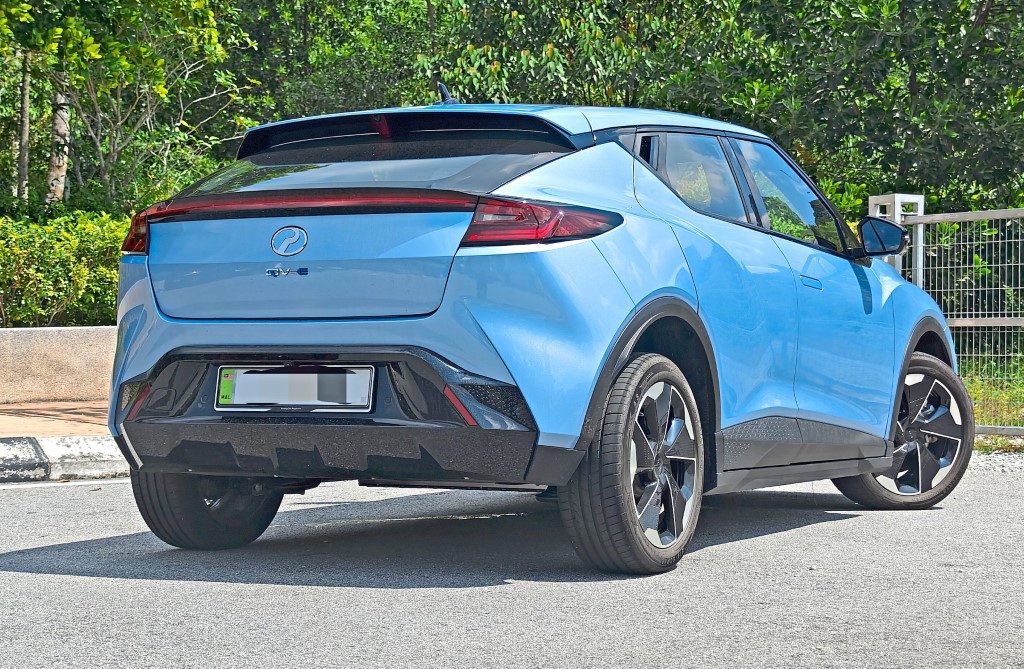
I had power and agility at my disposal while its design gives it a very planted stance regardless on the straights or when taking corners.
Its an afforded maneuverability and stability that instills you with the confidence to navigate most road conditions.
Perhaps I could be bias from how I grew up with Japanese cars and are a lot more used to its traits.
Or it could simply be that the QV-E was intended to be fun. More so than even certain pricier models in a segment above.
Either way anyone who has driven a Japanese car within this price segment would be familiar with the QV-E’s sensibilities.
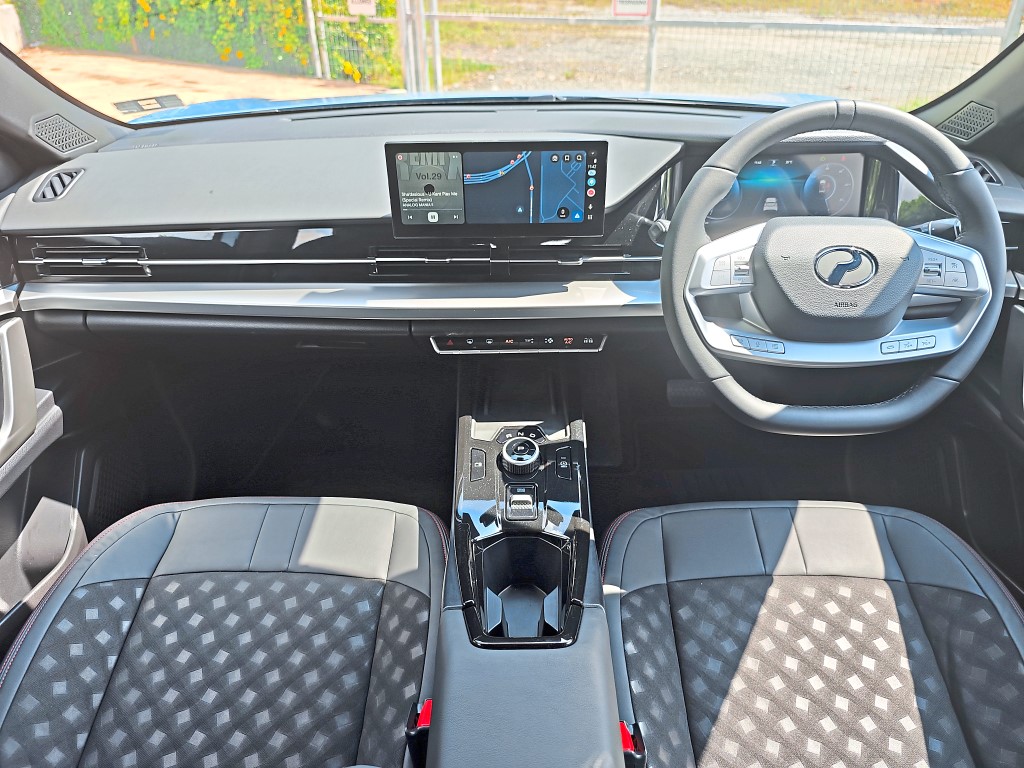
For better or worse, these qualities are also applied to its clean and simple interior design as well as ergonomics.
The good news is that most of its important features like air-conditioner and wipers have dedicated physical touch points.
But aside from that it is modest and nothing out of the norm for a model at this price.
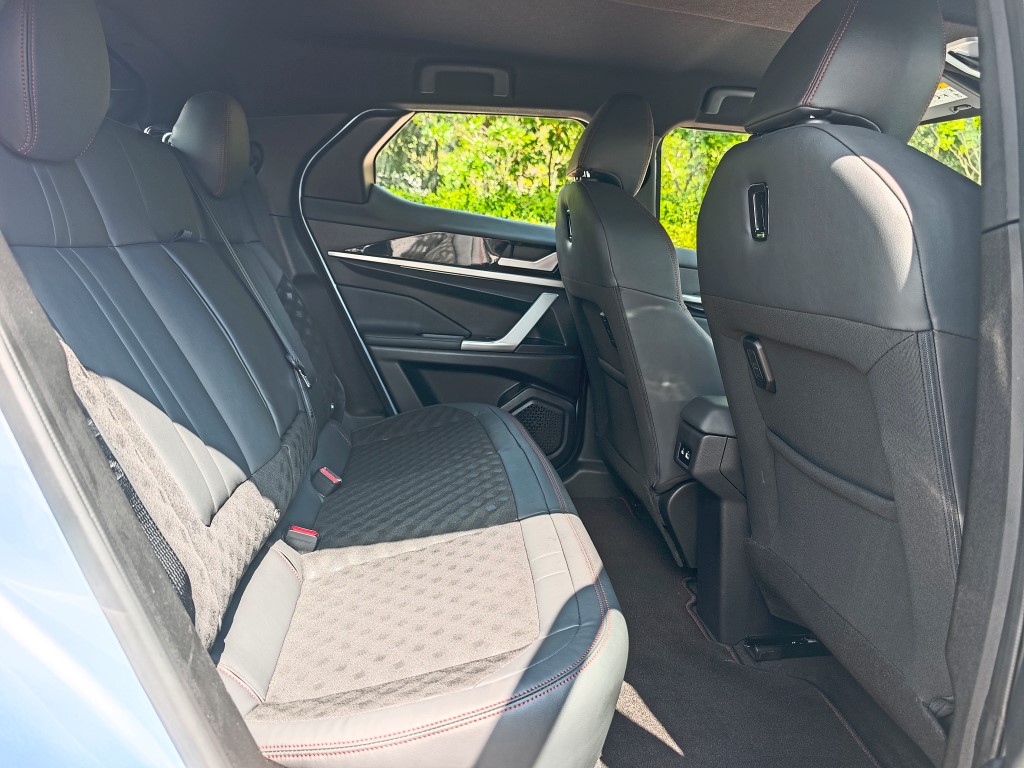
Cabin size itself affords ample comfort for all passengers. Unless the passengers at the rear are above six feet tall, that is.
The model’s cost for its sleek and sporty crossover fastback design means a lower ceiling height akin to certain Japanese cars that aim for a similar look.
On another matter of cost, you’re going to have to utilise Perodua’s P-Go smartwatch alongside the P-Circle up to unlock the full quality-of-life potential that is built around the QV-E.
You’ll need the watch for example if you want to use the car’s autolock/unlock function even if the app itself already handles many of the features such as the BAAS lease payment and charge point finder.
Then there’s the matter of time. The QV-E drives really well but the best experience will require you to fiddle around with the settings to suit your driving style.
Which you’ll want to do since the true value of Perodua’s most refined model will depend on how much you’re looking for, again, a spirited drive experience.
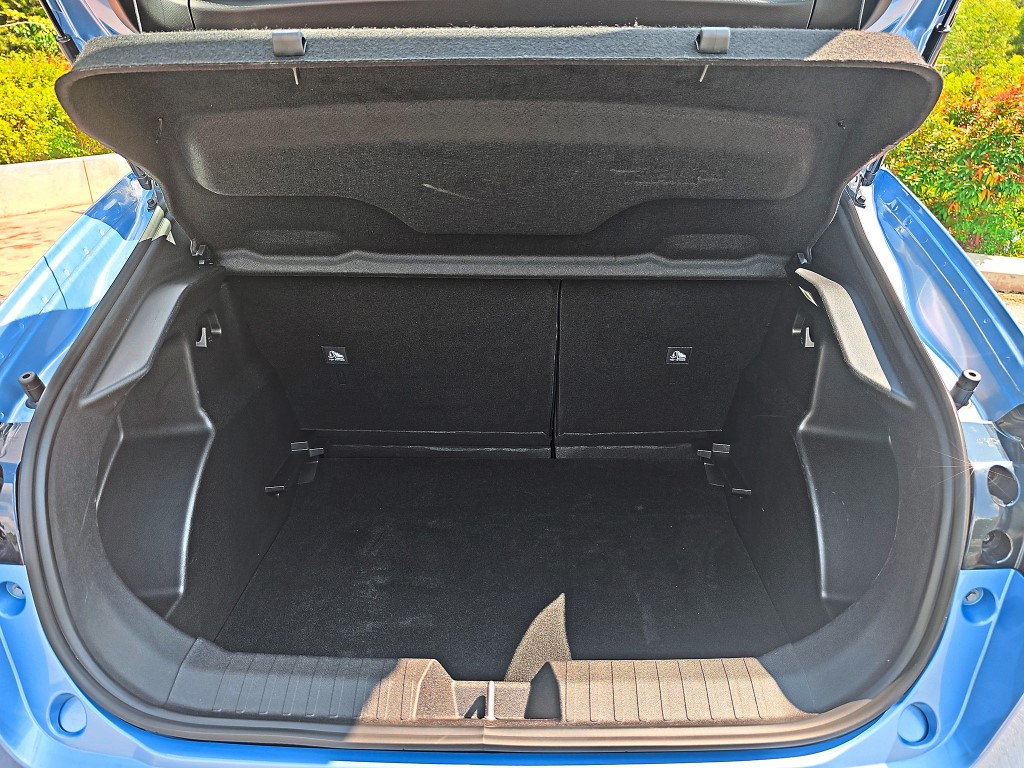
It isn’t the most affordable amongst its segment rivals and neither does it have the most storage space.
Driving performance however is unmatched in this space (even successfully punching above its weight against some higher segment models) is the core character of the model.
SPECIFICATIONS
Perodua QV-E
Electric motors: Front-wheel, permanent magnet synchronous motors
Maximum power: 150kW
Maximum torque: 285Nm
Battery capacity & type: 52.5kW, Lithium Iron Phosphate
Range (NEDC): 445km
Charger type: AC Type 2 / DC CCS2
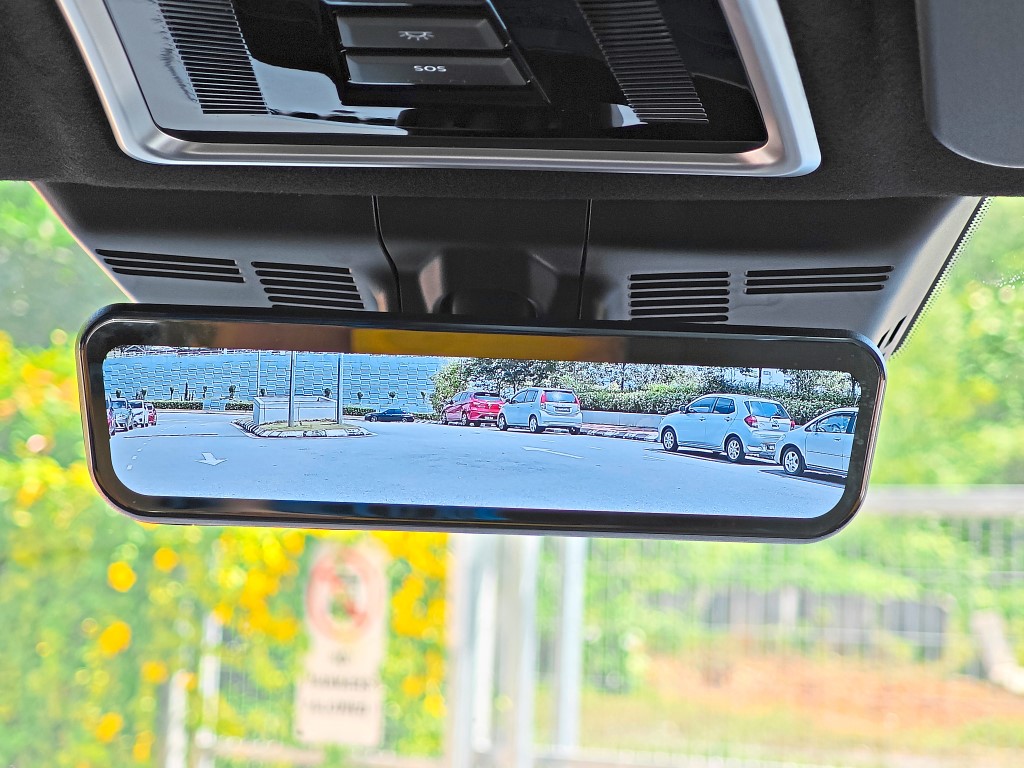
Features: A 10.25-inch infotainment display with wireless Apple CarPlay and Android Auto support, powered driver’s seat, ambient lighting, wireless charging, 18-inch wheels, digital rear-view mirror, six airbags, Electronic Stability Control (ESC), Anti-lock Braking System (ABS), Seatbelt Reminder System (SBR) for both frontal and rear occupants, rear seats occupant detection, Pedestrian Protection (PP), ISOFIX for child safety seat and Child Presence Detection (CPD), Autonomous Emergency Braking (AEB), AEB Inter-Urban, Lane Departure Warning (LDW), Forward Collision Warning (FCW), Lane Keep Assist (LKA), Blind Spot Detection (BSD) and Automatic High Beam (AHB).
Normal charging: (AC, 6.6kW) 0%-100% in approximately 8 hours
Quick charging: (DC, 60kW) 30%-80% rate in 30mins
Suspension: Front independent MacPherson struts and a semi-independent rear torsion beam
Kerb weight: 1,600kg
Wheelbase: 2,680mm
Length/Width/Height: 4,170mm/1,800mm/1,502mm
Warranty: Six-year/150,000km vehicle warranty, eight-year/160,000km high voltage battery warranty - battery performance guaranteed with Perodua Battery Leasing Plan
Price (OTR without insurance): RM93,999 with battery, RM69,999 with a monthly payment of RM215 (with tax) under the BAAS package for nine years