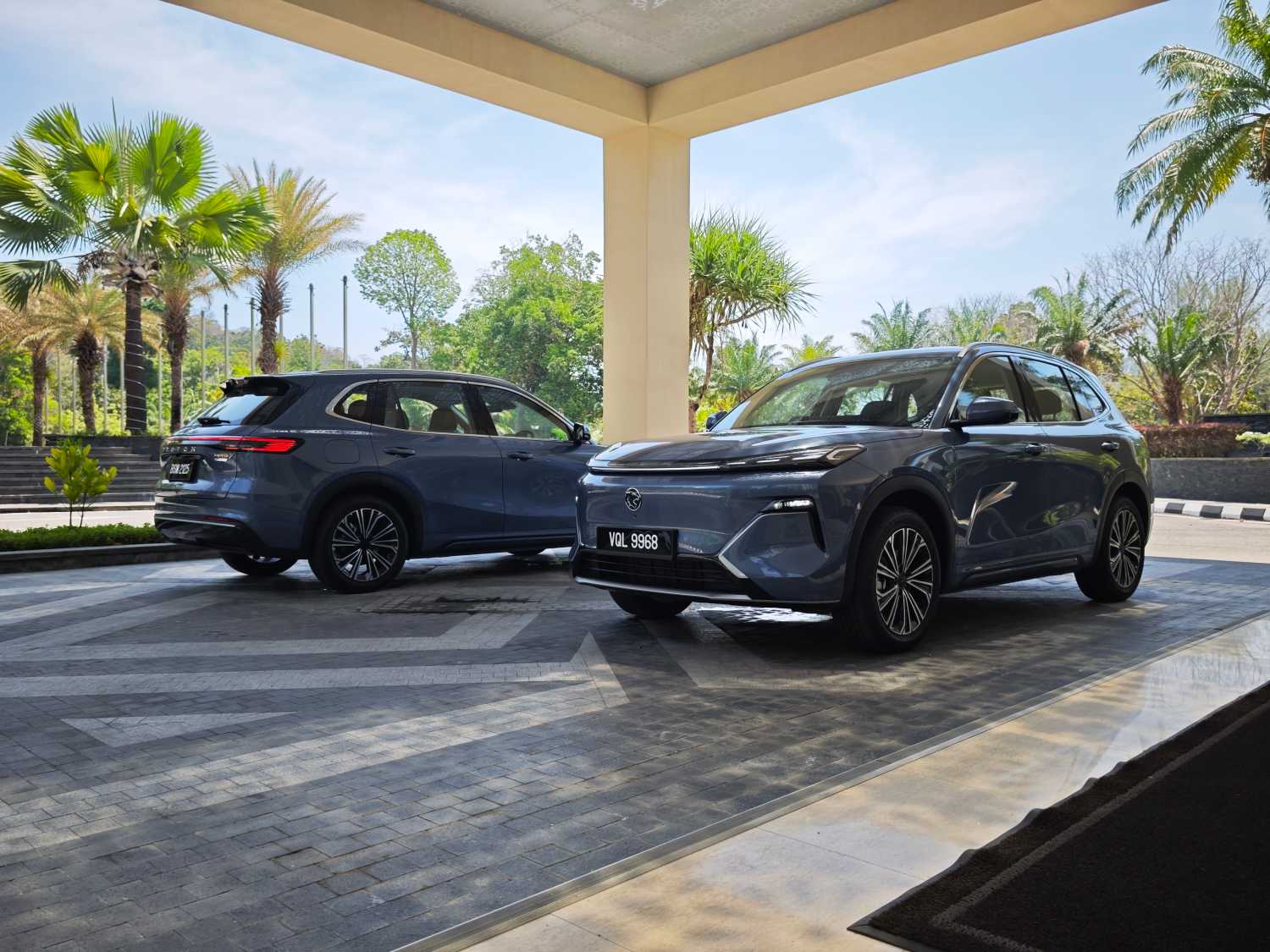
BATTLE of the affordable plug-in hybrid electric vehicles (PHEVs) have begun now that Proton has thrown its hat into the ring.
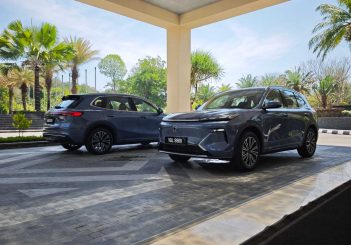
Developed on the same Global Modular Architecture (GMA) platform as its battery electric vehicle (BEV) counterpart, Malaysia’s first dual-powered electric vehicle (EV) is a curious case being the most affordable in the segment with a range claim of 1,100km on a single run – with a full fuel tank and a fully charged battery.
Also if you’re like most of us you’re probably wondering how the front wheel drive (FWD) sports utility vehicle (SUV) plug-in hybrid electric vehicle (PHEV) is different compared to the all-electric variant.
So as with most range test the only way for us to know these results is for us to go the distance with the e.MAS 7 PHEV.
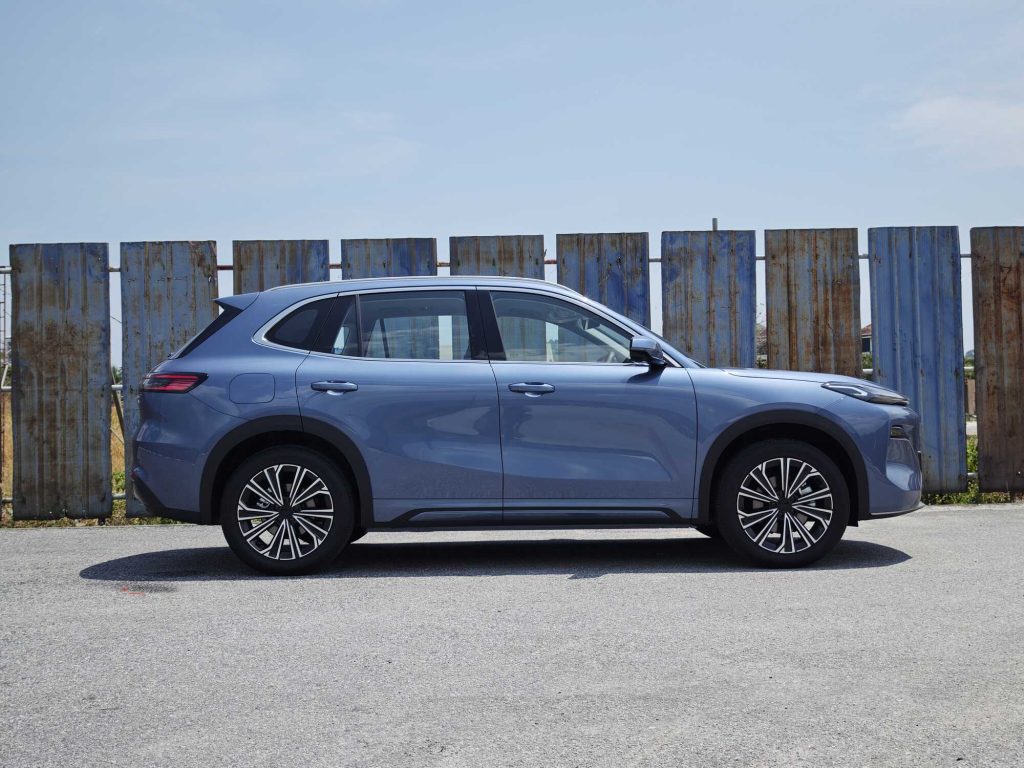
And what a distance it was us media who got to take part in an exciting journey up north all the way to Langkawi with the Premium variant to accompany us.
Not merely just driving on the island alone but us making it all the way there from the Proton Centre of Excellence (COE) in Subang Jaya, Selangor.
Which shouldn’t be a problem with the e.MAS 7 PHEV’s reported potential range.
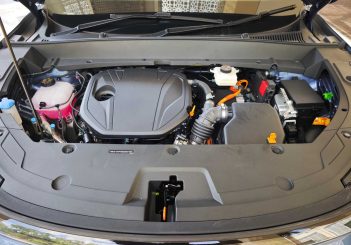
At the core of the model is a 1.5-litre four-cylinder EM-i Dedicated Hybrid Engine (DHE) that is paired to an 11-in-1 Dedicated Hybrid Transmission (DHT).
The powertrain produces a combined maximum power of 193kW and a maximum torque of 262Nm. Maximum speed is 170kph.
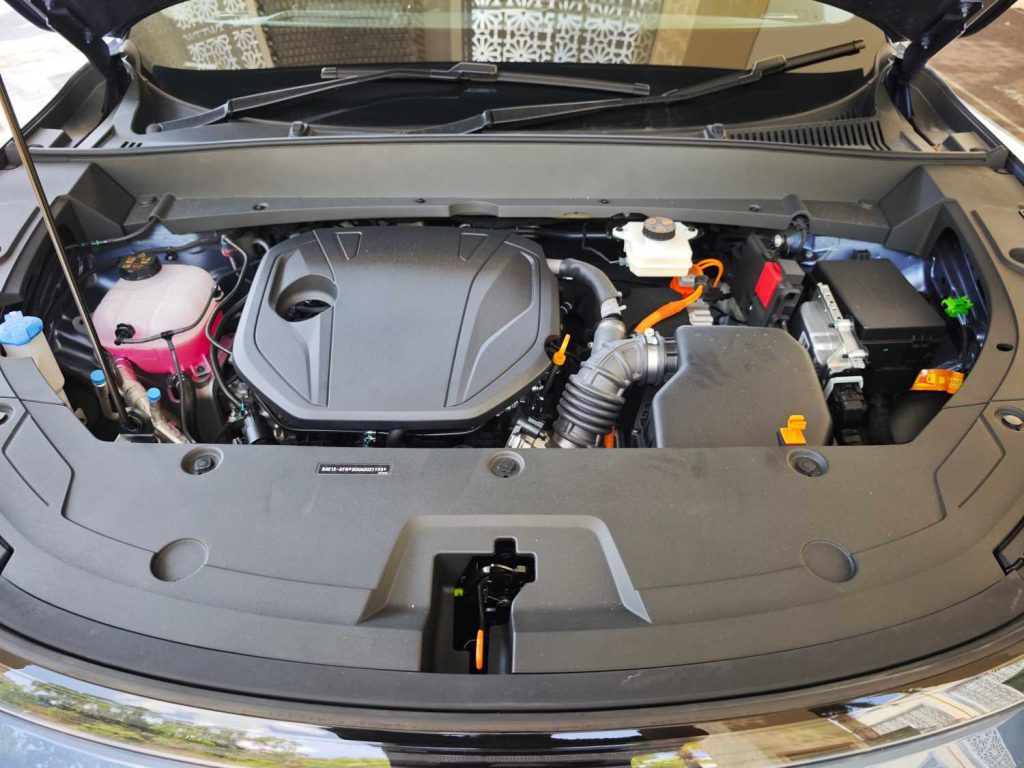
Since we were running around with the Premium variant what we got to experience was the model’s 18.4kWh lithium iron phosphate (LFP) battery option which is also present in the lower Prime variant.
It has a slightly lower, but no less impressive, drive range of a total of 1,000km (NEDC) drive range with a pure electric drive range of 104km (NEDC).
The variant’s 30kW battery affords the variant a DC fast charging capability with a 30%-80% State-of-Charge (SOC) of 20 minutes.
For comparison the Premium Plus variants bigger 29.8kWh LFP battery produces a total NEDC range of 1,065km with a 170km (NEDC) electric drive range.
Its DC fast charging SoC capability with its housed 60kW battery is 16 minutes.
As far as performance goes the advantage ends there with the Premium Plus.
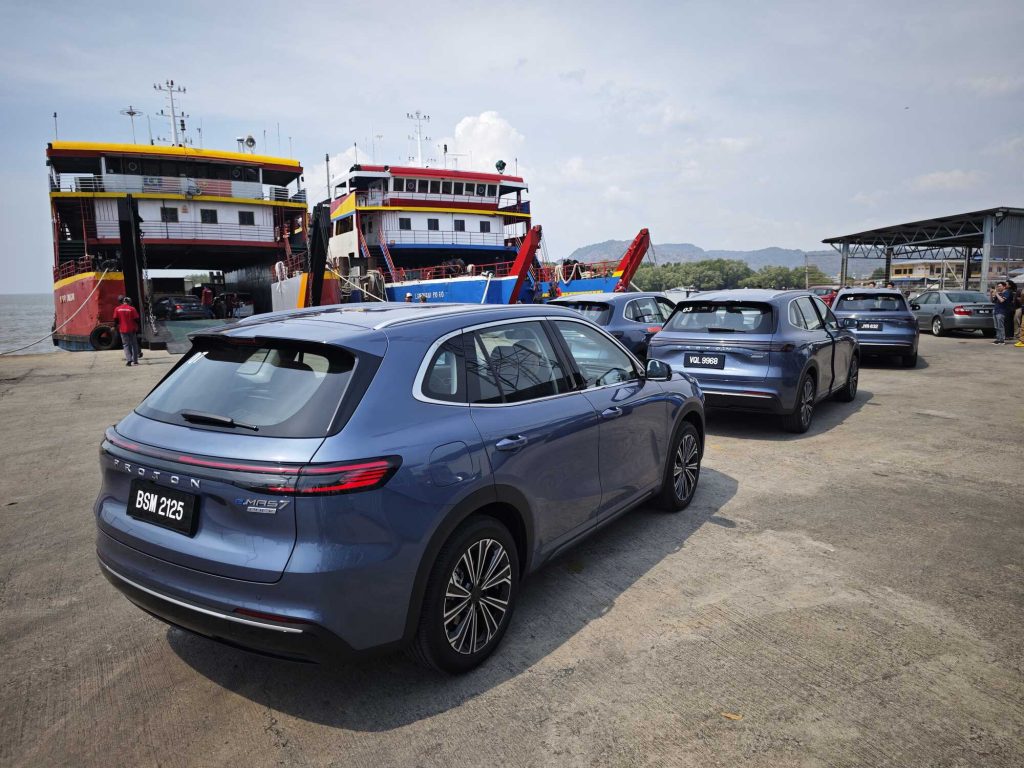
Both batteries’ AC charging power is similar at 6.6kW with home charging said to take between 3.1 hours or 4.6 hours to complete charging from 0% to 100%.
The greater range in the Premium Plus is also traded off with a slightly slower acceleration of a 8.2 seconds century sprint compared to the Prime and Premium’s 8 seconds.
Fuel consumption also differ though extremely marginal with the Premium at 4.3 litres/100km while the Premium Plus us at 4.4 litres/100km (NEDC).
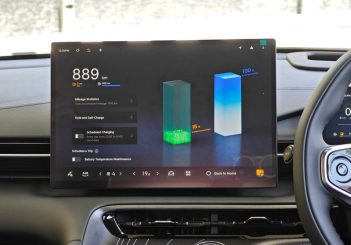
Charging performance for the entire trip remained negligible since Proton wanted to prove that we could get anywhere close to the displayed 800km with just on fuel alone especially on the return leg.
For the first day our adventure took us around roughly eight hours including a short detour to reach our destination.
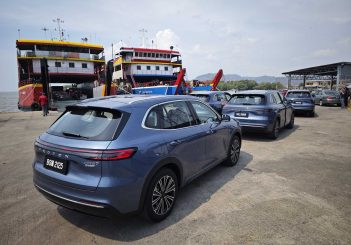
It is an estimated 500km from COE to the jetty in Kuala Perlis and the journey at sea itself was around two hours.
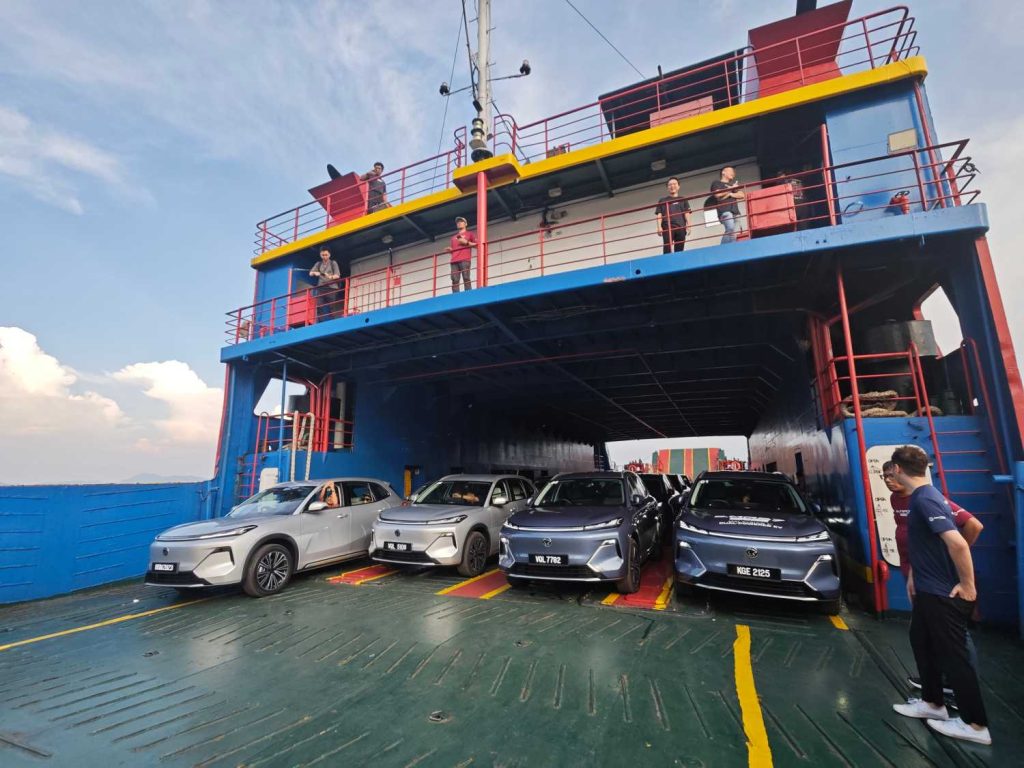
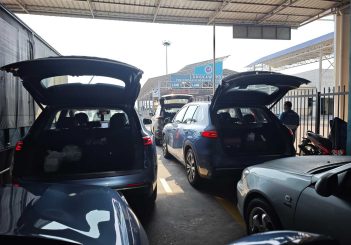
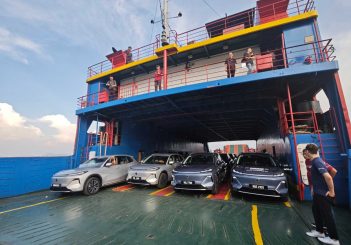
One of the more rare and exhilarating experience was for the first time, at least for most of us, boarding a RoRo (a Roll-on/Roll-off ferry-like vessel designed to carry wheeled cargo) to get to Langkawi.
It’d then take another 14km to 15km of drive from the RoRo jetty in Langkawi to get to our hotel.
With everyone sprinting off on their own throughout the day the results were mixed.
Some of us completed the day with at least a 100km or more in our reserves while others almost drained the tank even before the jetty.
We then ran around the island on the second day and traced our steps back to COE on the third.
Few things that Malaysians should be aware with PHEVs is that you’ll want to ensure your battery and fuel tank is at its fullest to really milk the maximum range and performance of your vehicle.
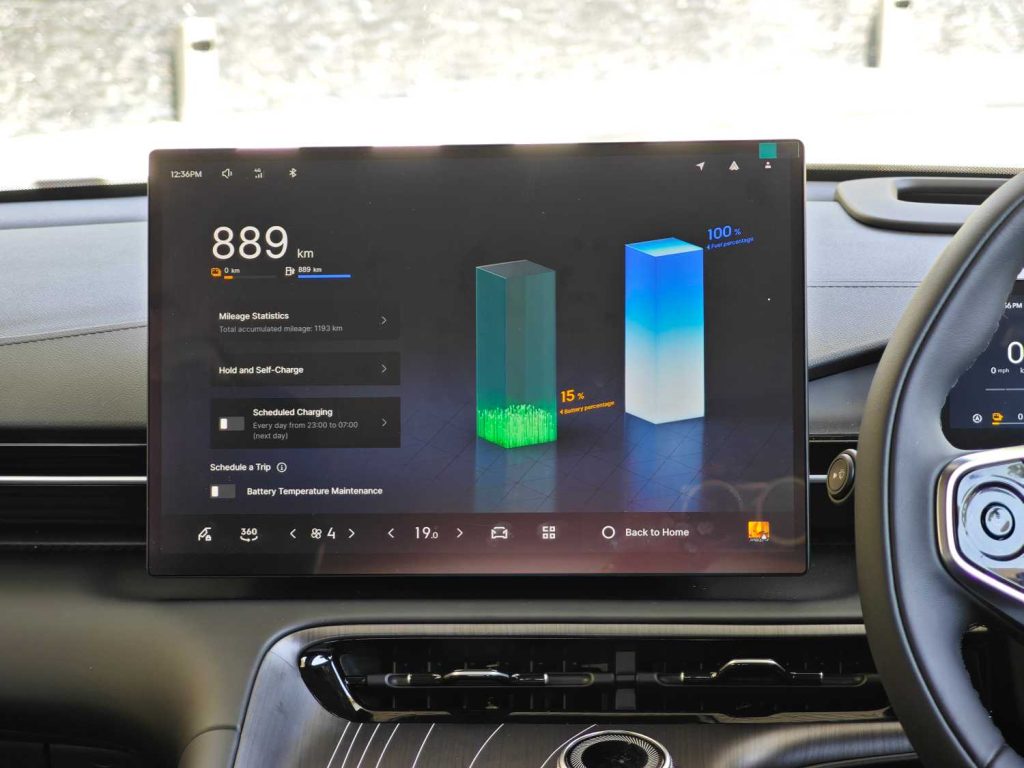
The e.MAS 7 PHEV is not exempted from this arrangement either. It’ll technically never run out of battery as long as there’s fuel because of the constant charging.
However, once the battery falls below a certain percentage threshold then it burns up fuel a lot quicker.
For the e.MAS 7 PHEV this happens at around the 23% mark when the battery is at zero range and is constantly being charged by the engine to keep it running – a certain amount of battery power is diverted to keep the SUV and its electronics operational.
It is also at this mark that the engine gets quite loud as it does double duty to run the car and force charge the battery. This isn’t the same experience as when you activate self-charge when the car is stationary.
It would seem like the model is still very much an electric vehicle (EV) first with petrol as a compliment if you want to think in terms of having the quietest driving experience and making sure your SUV doesn’t stall.
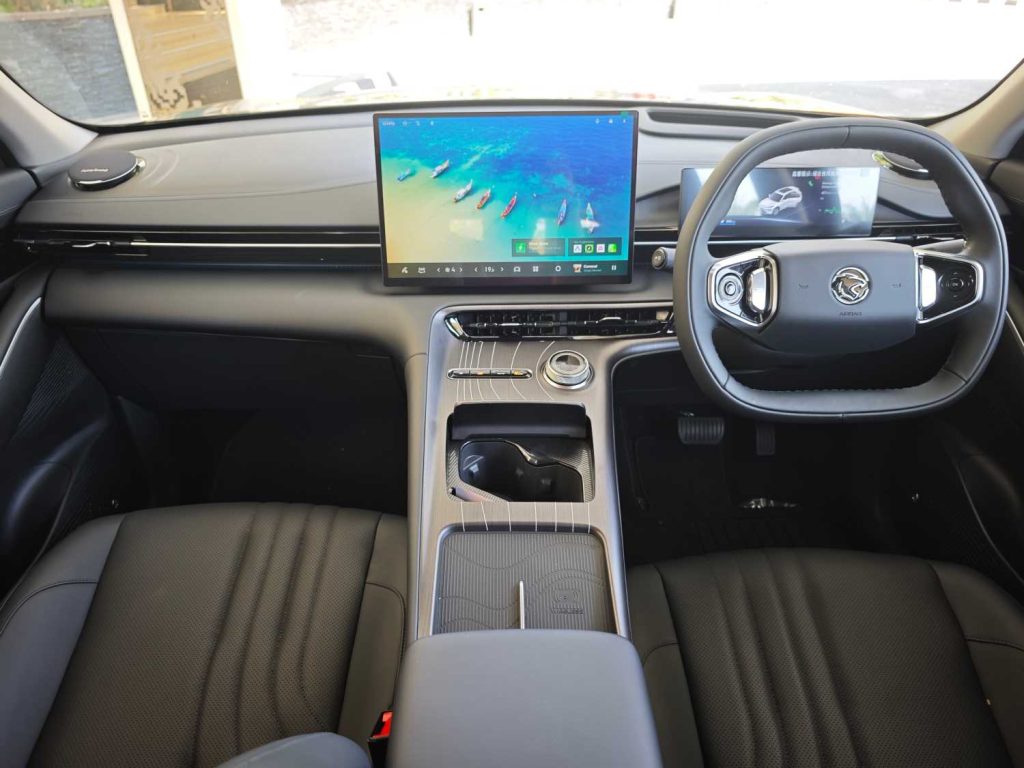
The e.MAS 7’s electric roots is also felt in its suspension setup which is on the soft side with the bounciness being quite pronounce.
Switching to Power mode reduces this vastly by seemingly stiffening the suspension for a more planted and engaging drive in addition to possibly tightening steering response.
Oddly, however this should not be possible because as Proton puts it the model does not come with an adaptive suspension system – it is passive with front MacPherson struts and rear multi-link setup.
Regardless of how this is achieved it is good to know that the e.MAS 7’s small turning radius of 5.2 metres and cabin comfort is intact.
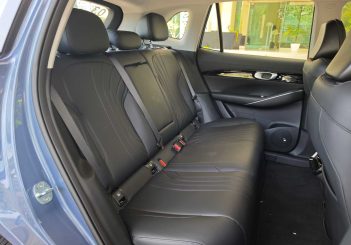
In fact it could be argued that comfort has been mildly improved from the BEV variant through its space and size.
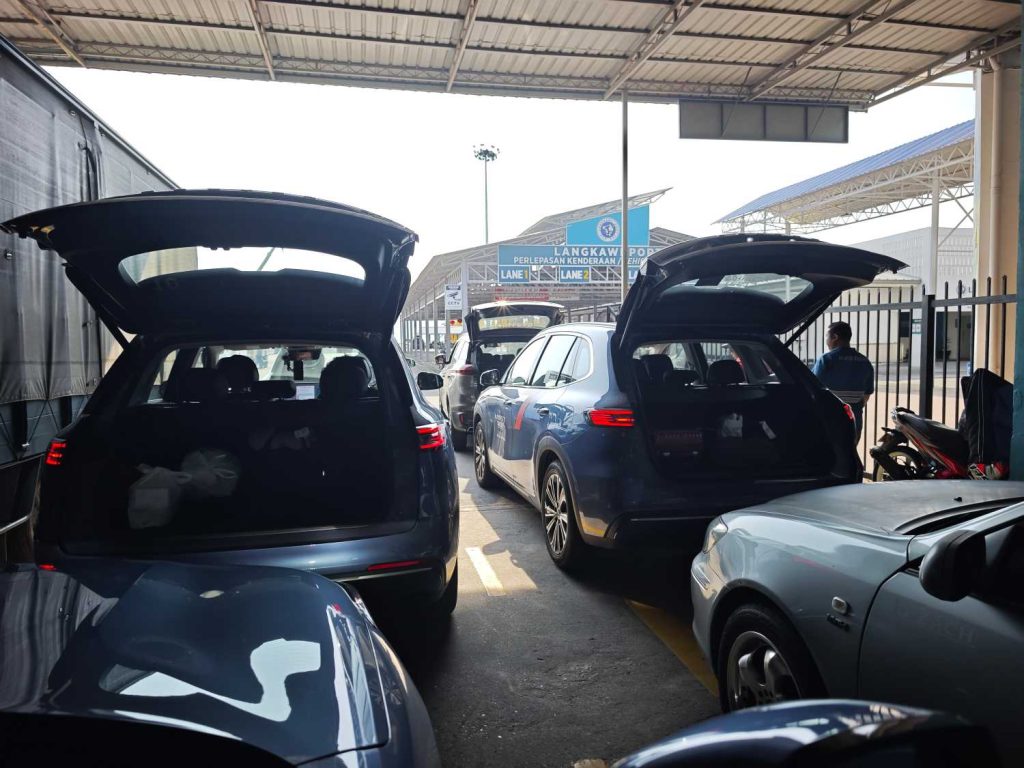
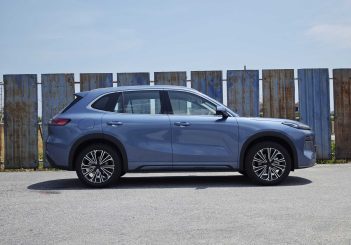
It has a 2,755mm wheelbase (+5 mm), and is 4,740mm in length (+125mm), 1,685mm tall (+15mm) and 1,940mm wide (+39mm).
Boot is also larger here with 528 litres of space (expandable up to 2,065 litres) compared to 461 litres.
It does however lose all the additional cargo slots made possible in full electric variant.
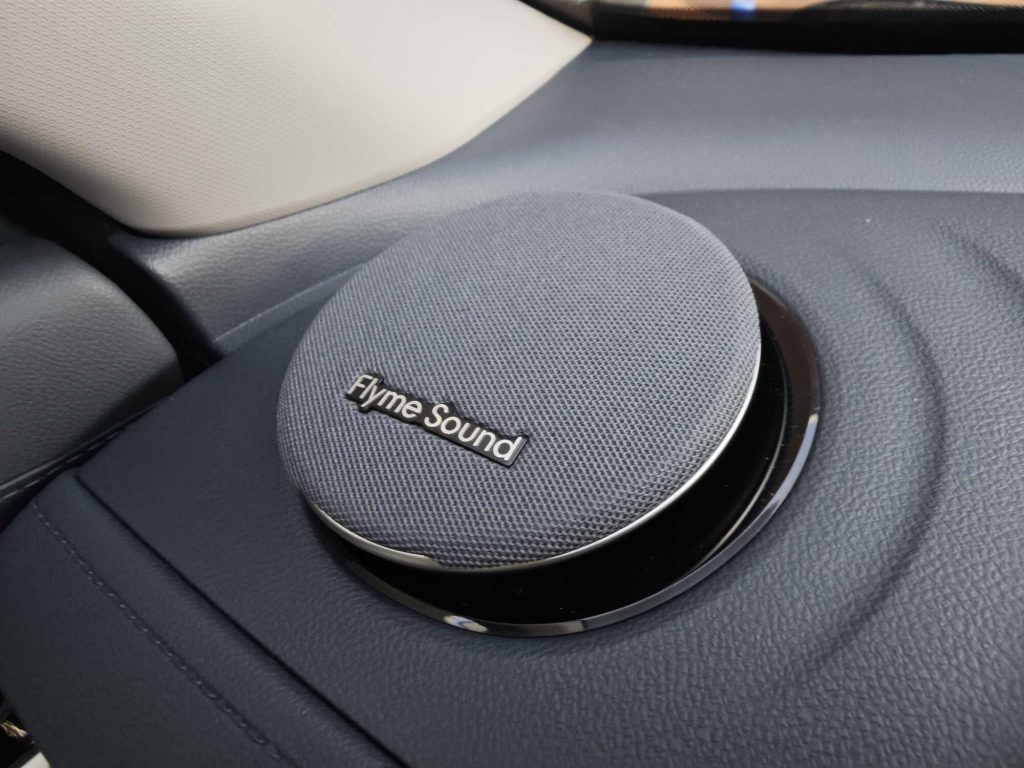
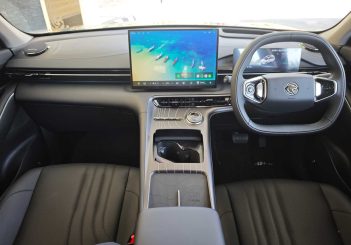
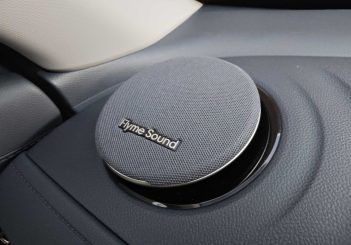
A shoutout to the model’s fantastic 16-speaker Flyme Sound system powered by Wanos that contributes greatly to the model’s appeal that is easily overlooked.
The e.MAS 7 PHEV is priced on-the-road without insurance in Peninsular Malaysia from RM109,800.