SEPTEMBER gave us a Merdeka-season excuse for a simple road trip and a fresh look at Proton’s popular B-segment sports utility vehicle (SUV).
We ran the updated X50 Flagship variant from Subang Jaya to Kuantan on a weekday overnighter.
Under the bonnet lurks a new 1.5-litre four-cylinder turbo, now standard across the range.
It idles quietly, pulls harder in the mid-range and keeps revs low at a cruise.
Proton quotes 179hp and 290Nm of torque plus a sprint time of 7.6s from 0–100kph.
The seven-speed dual-clutch shifts cleanly during overtakes.
It felt about right with two on board and overnight bags.
Inside and out
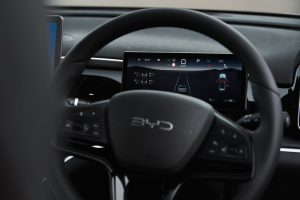
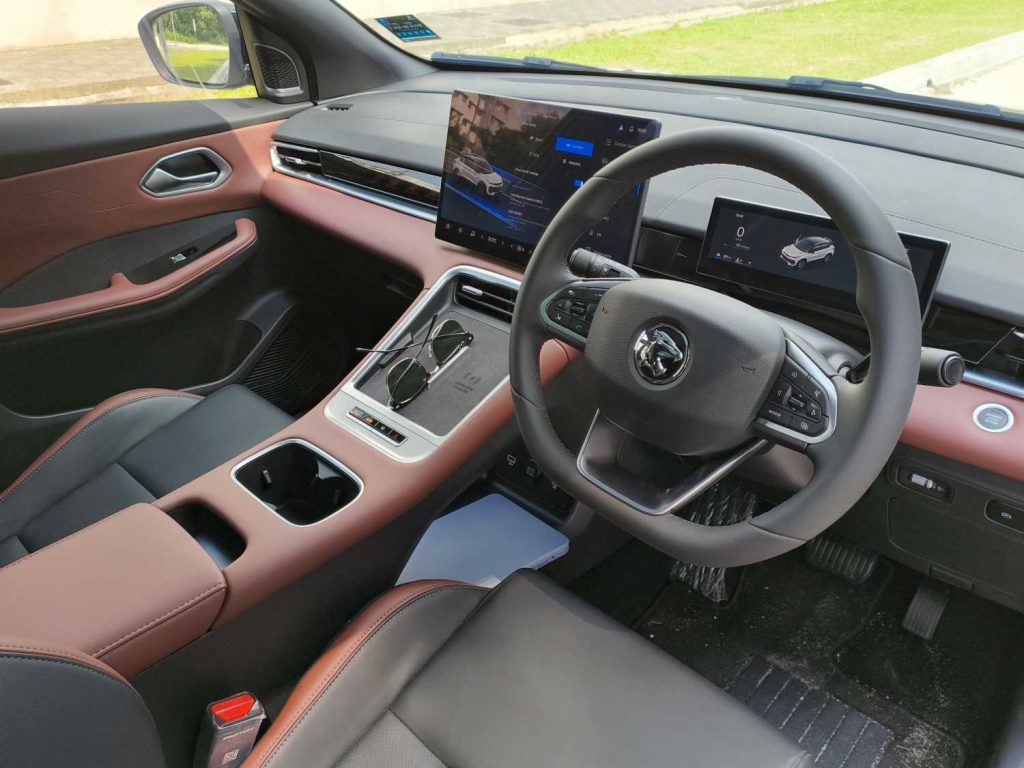
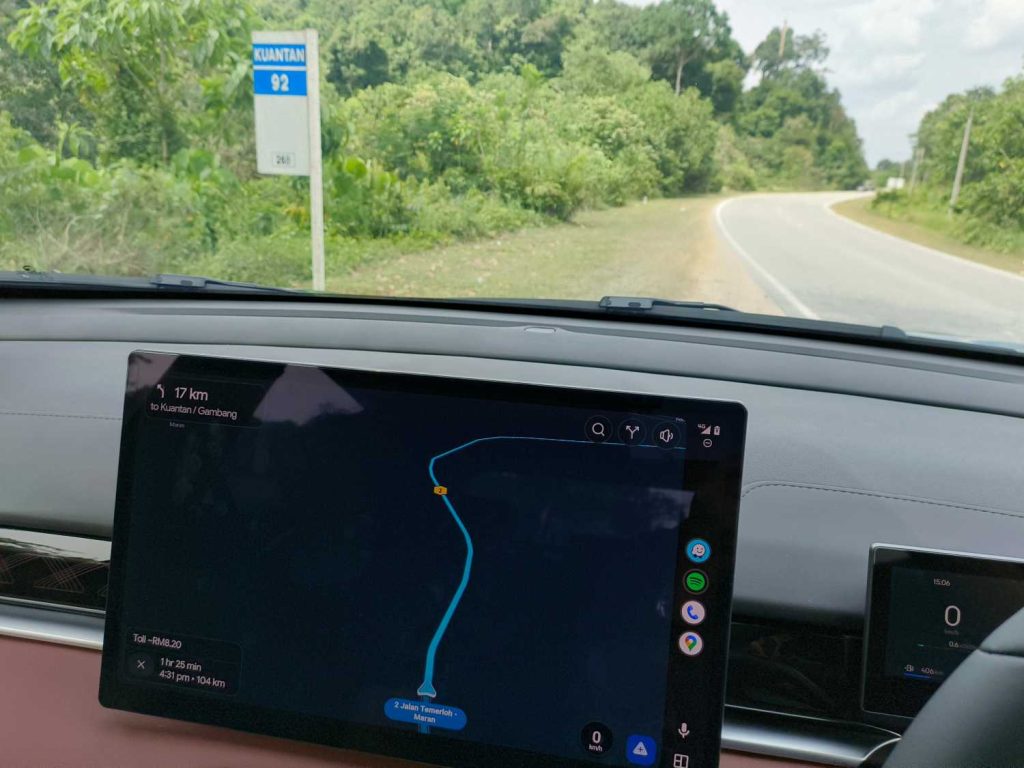
The cabin steps forward with a 14.6-inch central touchscreen (up from 10.3-inch) and a cleaner interface.
Menus are simpler and the big tiles mean fewer prods while moving.
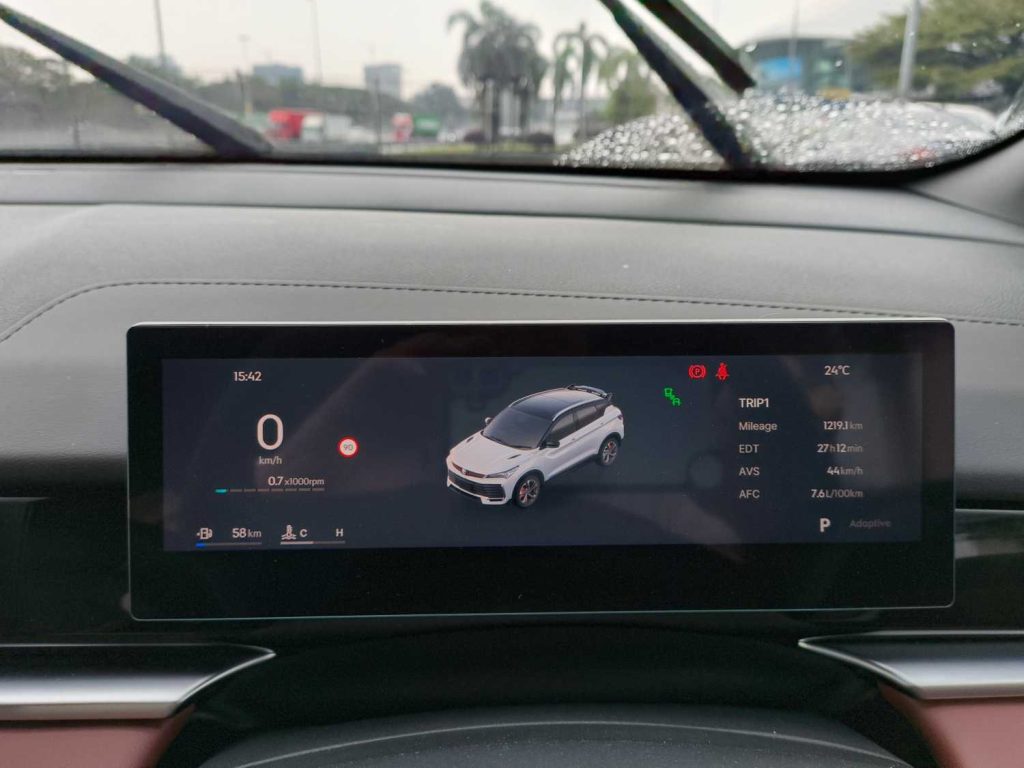
The 8.8-inch digital meter is clear, though some fonts could be larger.
“Hi Proton” now understands Bahasa Melayu for navigation and climate tasks.
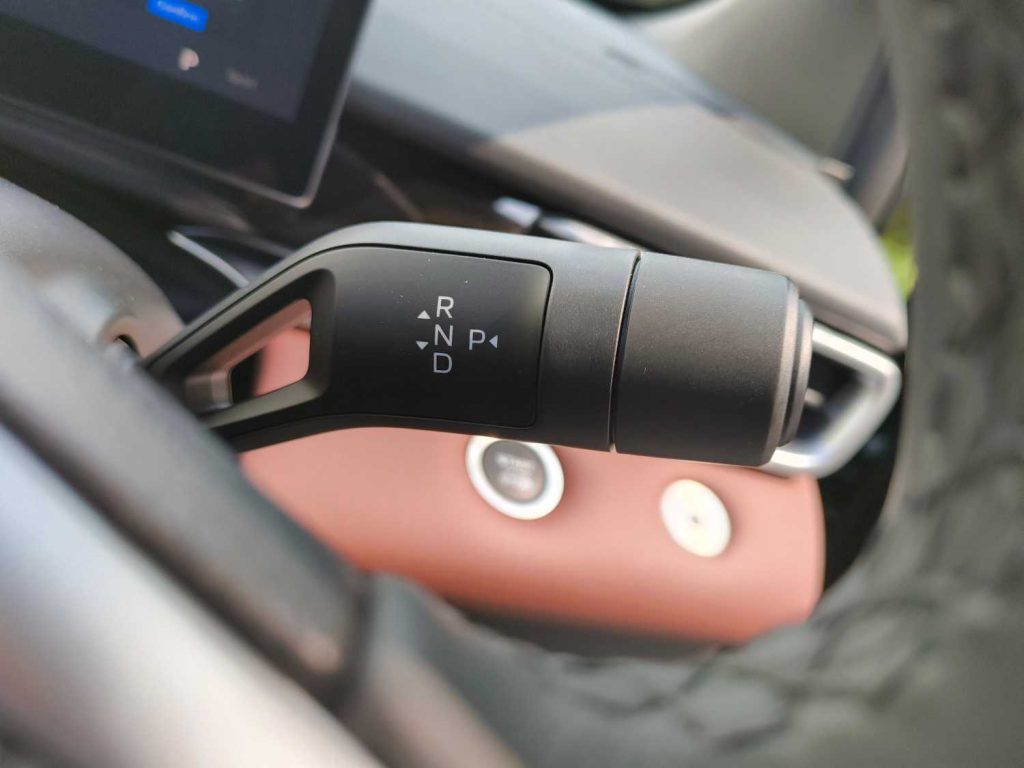
The column shifter frees the centre console; two phones now fit without cable juggling.
Materials look and feel better finished than before.
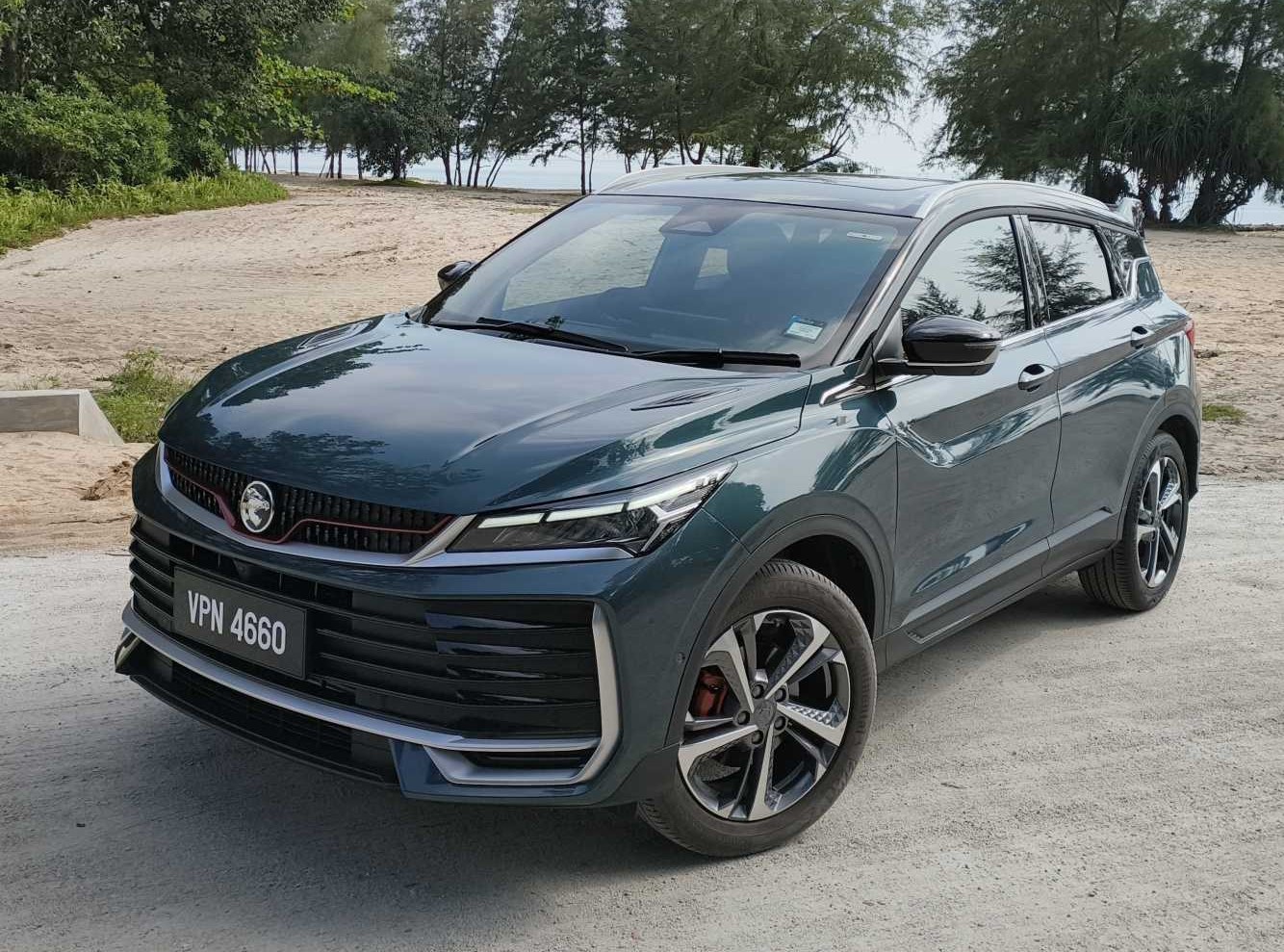
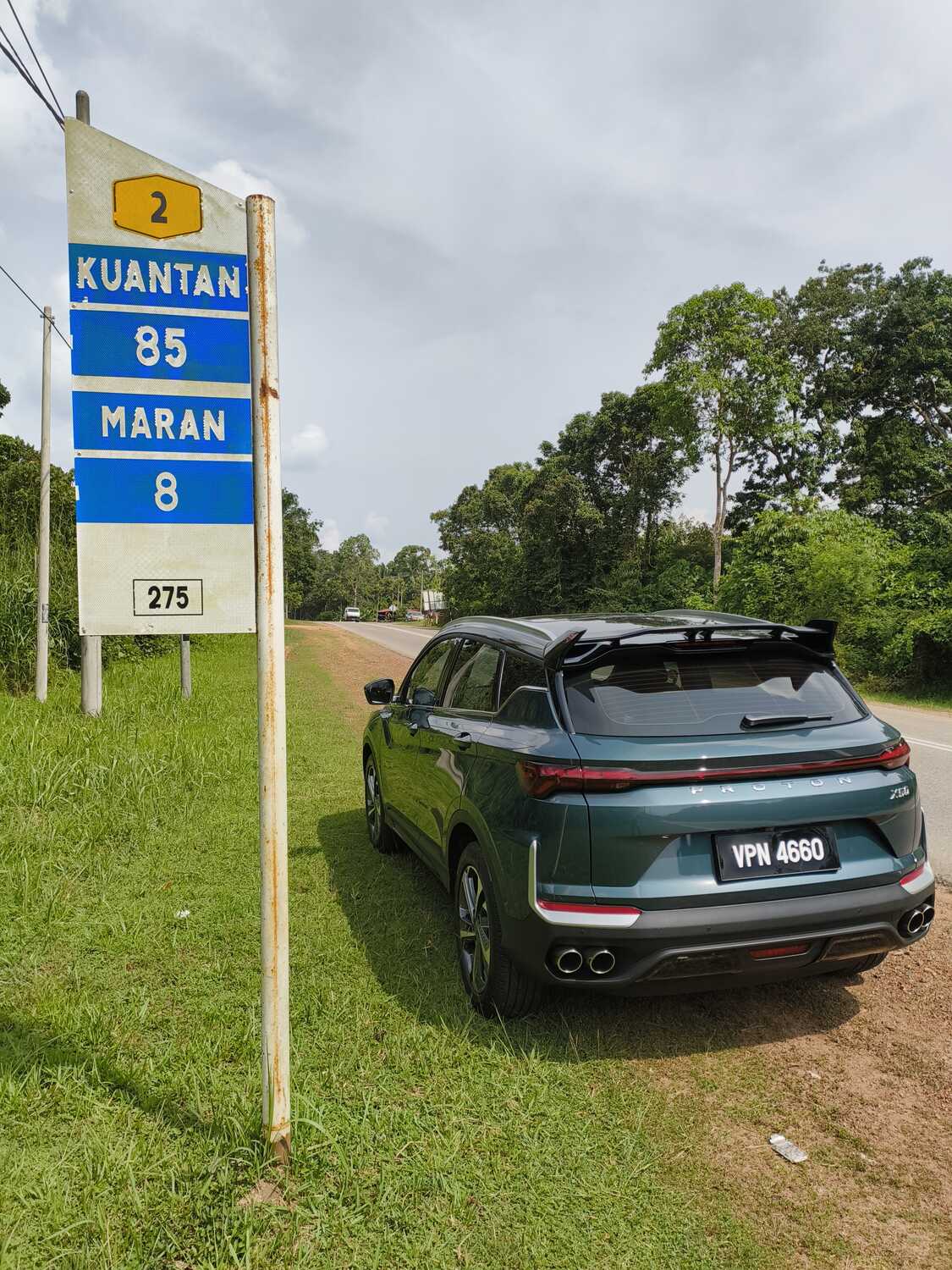
Outside, the new bumper and lamps clean up the face; a light bar stitches the rear together, and 18-inch alloys sit well in the arches.
Not everyone will love the new tail.
As our guest driver put it: “While the front of the exterior is an improvement, I actually like the rear of the old X50 better because it projects a taut, sporty look with clear lamp signatures and fewer visual elements compared to the present one.”
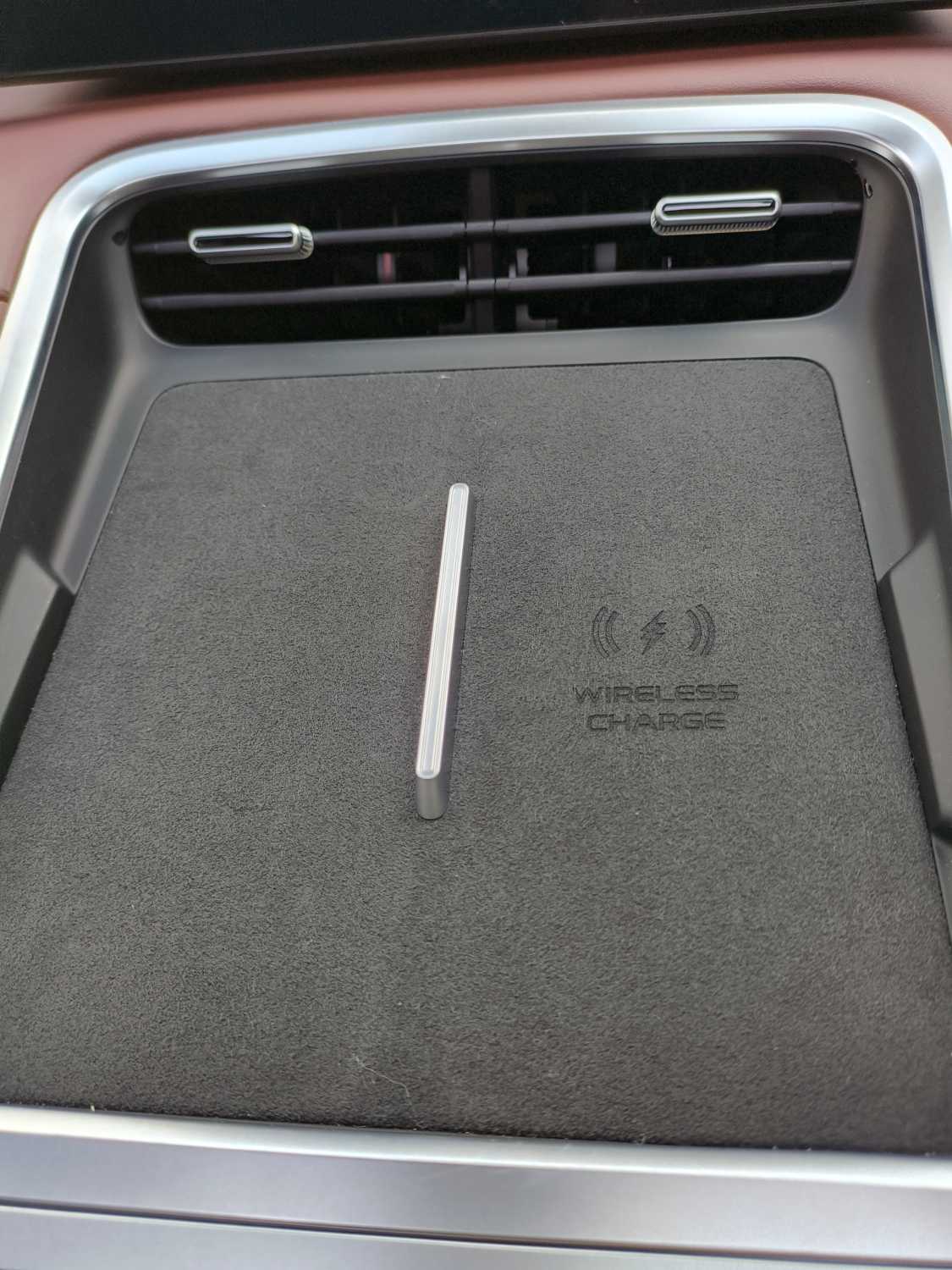
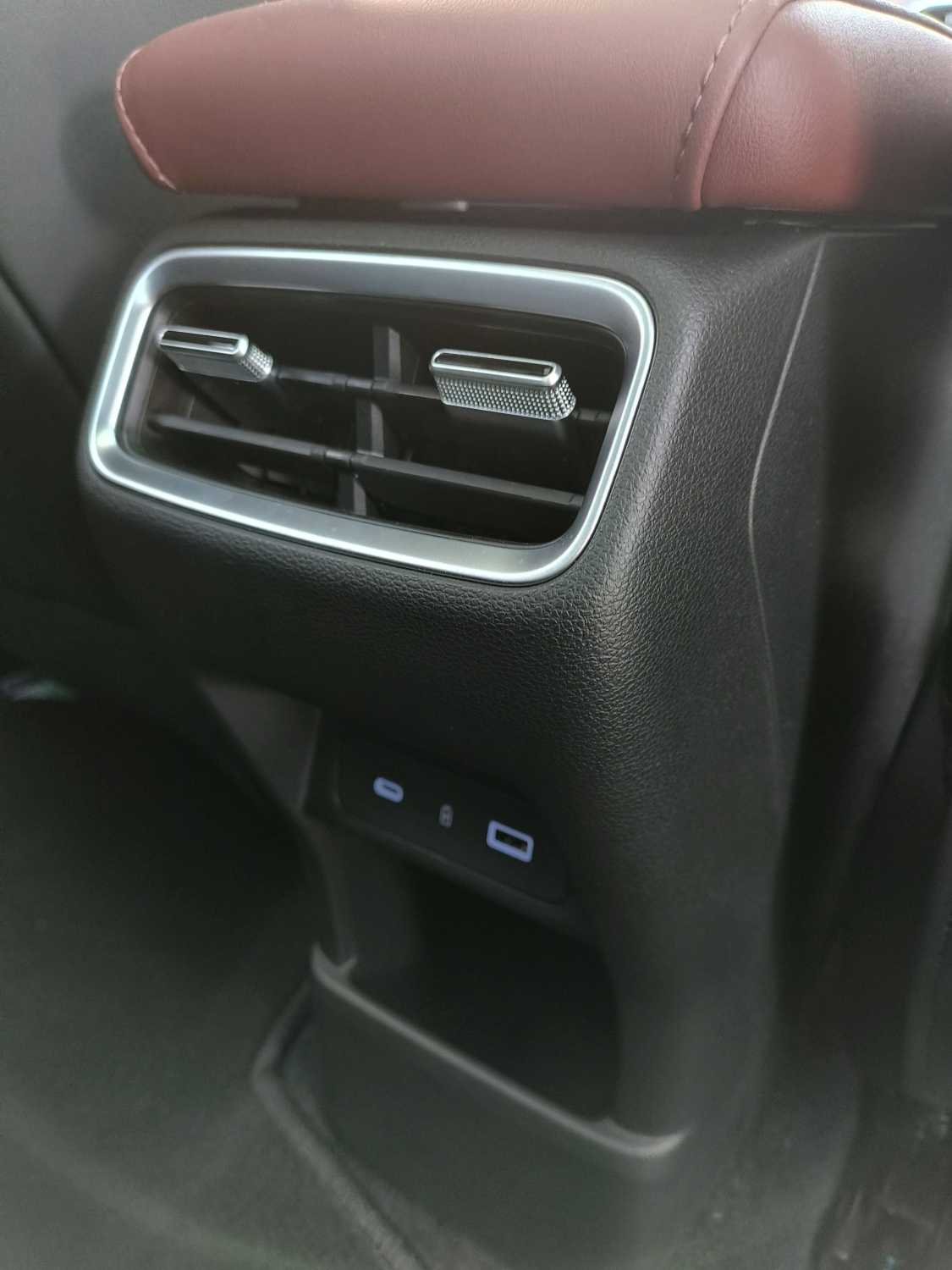
Infotainment and convenience now line up with buyer requests: wireless Apple CarPlay and Android Auto with quick pairing, a wireless charger, and a healthy spread of USB-A and USB-C ports.
The Flagship’s high-resolution 360-degree camera genuinely helps in tight alleys and basement ramps.
Ambient lighting and a panoramic sunroof add some theatre.The semi-transparent sun visor is clever and helps to reduce glare for a more comfortable drive.
Hit the road
On the move, the X50 feels settled, while steering is light and accurate, if short on feedback.
The new Adaptive drive mode watches inputs and adjusts throttle and shift behaviour so you don’t have to dig through sub-menus for Eco, Comfort or Sport.
The car stayed planted across the Karak and East Coast Expressway.
Directional stability is good and crosswinds don’t ruffle it.
After Exit 819 at Temerloh, B-roads showed tidy body control over patched surfaces.
With lane-centring on, the wheel lightens near centre as the car trims its line; after a few kilometres you adjust, but first-timers may prefer it off in traffic.
Past 100kph, wind eddies around the wing mirrors and A-pillars; tyre noise stays in the background on coarser surfaces.
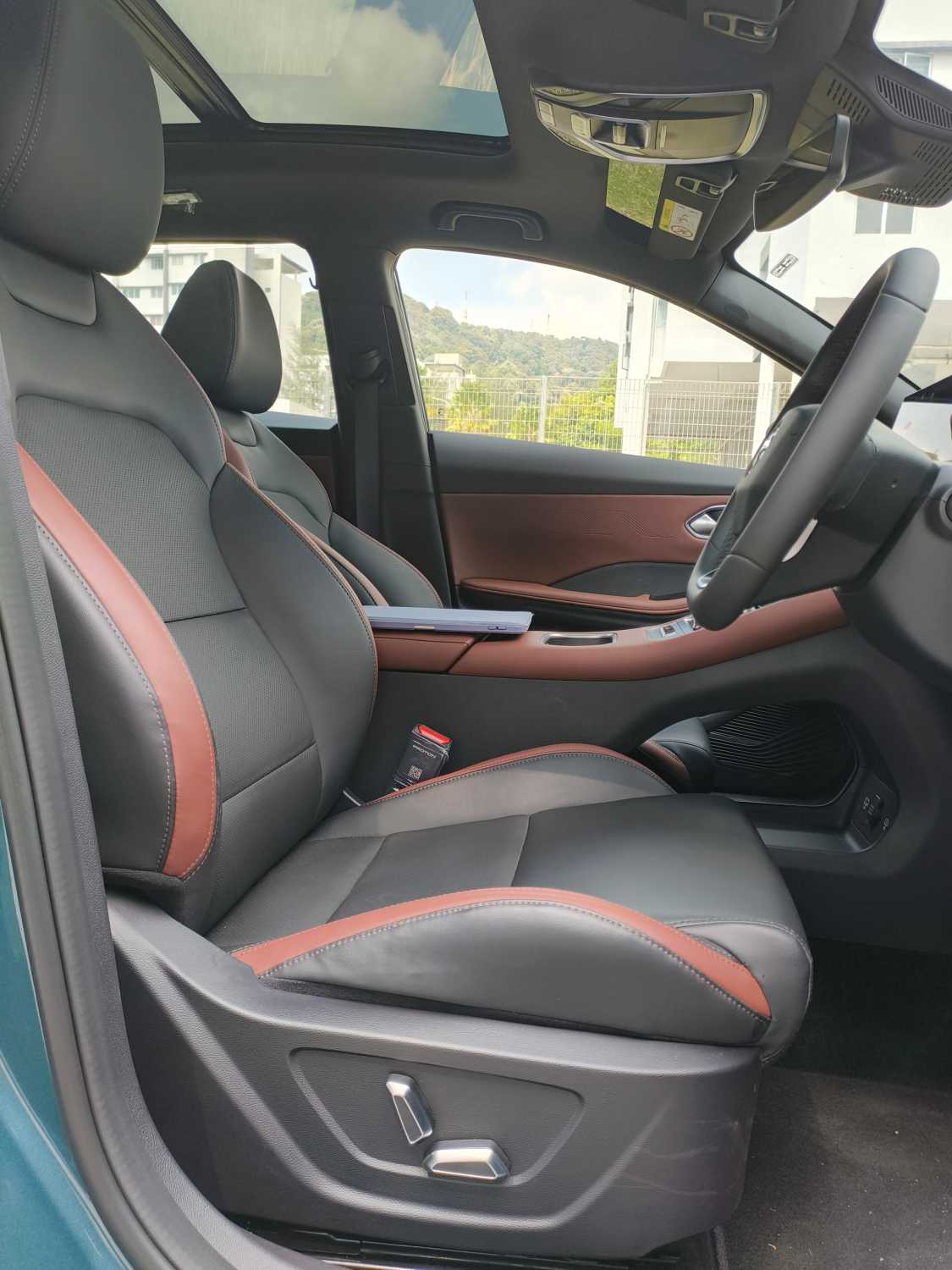
Space and comfort are strong for the class.
The driver’s seat is powered; the front passenger remains manual.
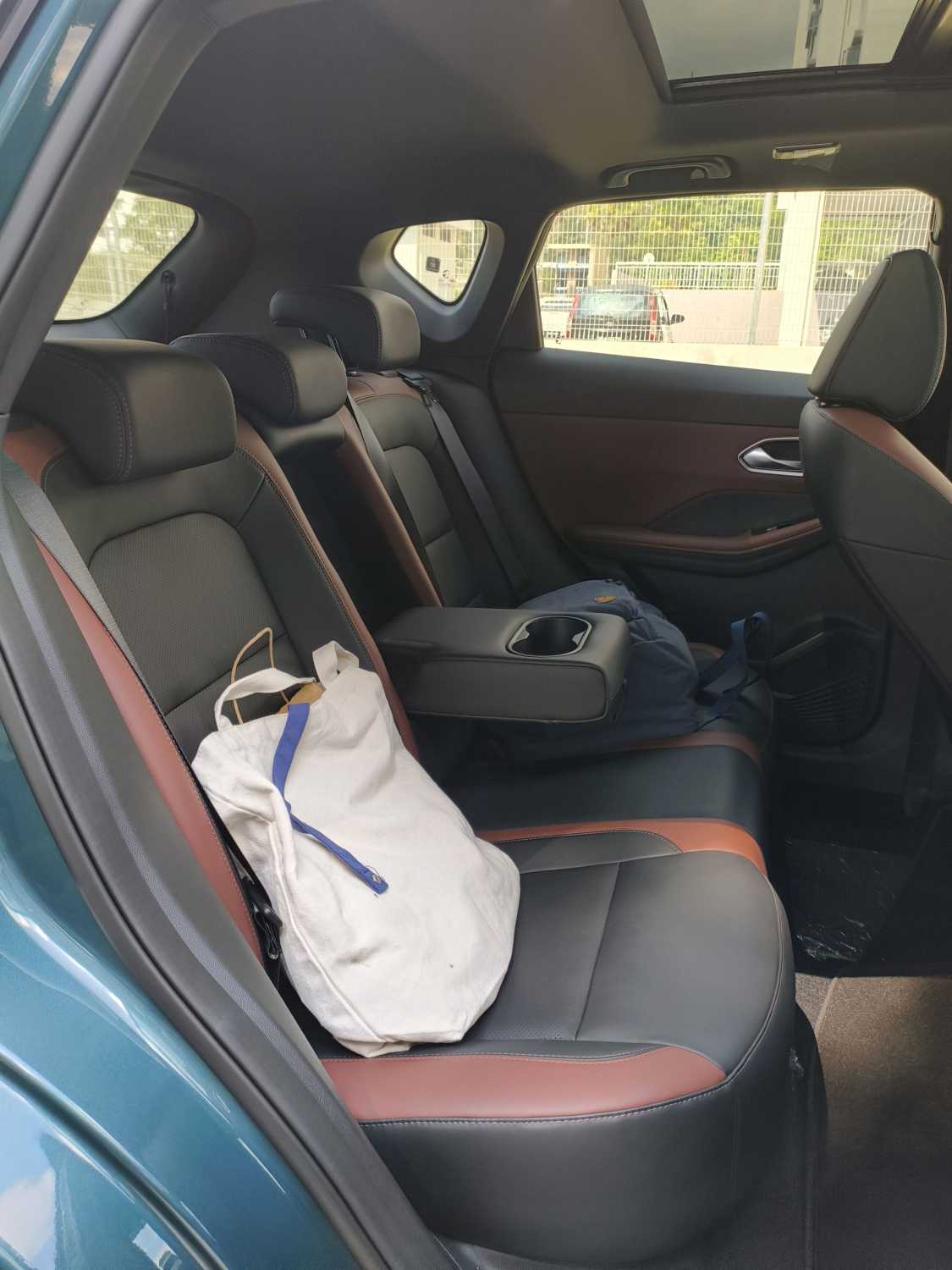
Rear passengers get vents and decent toe room.
Two-to-three-hour stints are straightforward, though taller drivers may want aftermarket thigh extenders to enhance comfort for longer hauls.
Over 270km to Kuantan, the X50 felt calmer than the old three-cylinder car.
Our mixed-route fuel use ended at 7.4 l/100km; the previous X50 often returned around 9.0 l/100km or more in similar use.
Safety kit is comprehensive on the Flagship.
They include Level 2 assistance with adaptive cruise and lane-centring, autonomous emergency braking, traffic sign information, rear-collision warning, door-opening warning and tyre-pressure monitoring.
Alerts can be toned down in the settings.
The surround view and transparent-view tricks ease parking.
Going beyond
Proton wanted this drive to say something about unity, not just specs.
The route obliged.
Modern tolled highways carried us from Klang Valley sprawl to Pahang’s big skies, while widened passes turned old choke points into a calm run.
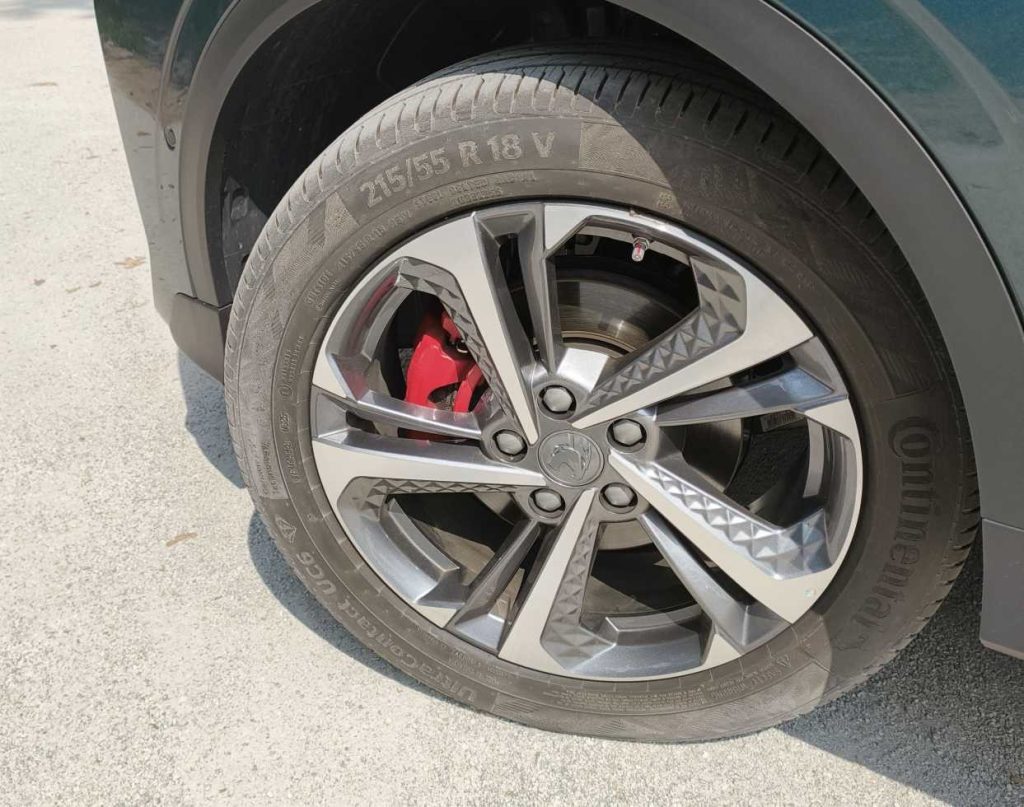
It’s proof that shared infrastructure stitches the country together.
Temerloh supplied patin tempoyak for lunch: thick gravy and fresh fish with a familiar fermented durian kick that suits long-drive appetites.
It’s an acquired taste, but it’s ours.
Kuantan 188 made a delightful photo stop, its observation tower set against old shophouses in a sign of new Malaysia meeting old on the same street.
We skipped touristy Teluk Cempedak for Pantai Pelindung.
The X50’s tight 5.3-metre turning radius helped on narrow kampung roads, though the beach sand proved softer than it looked.
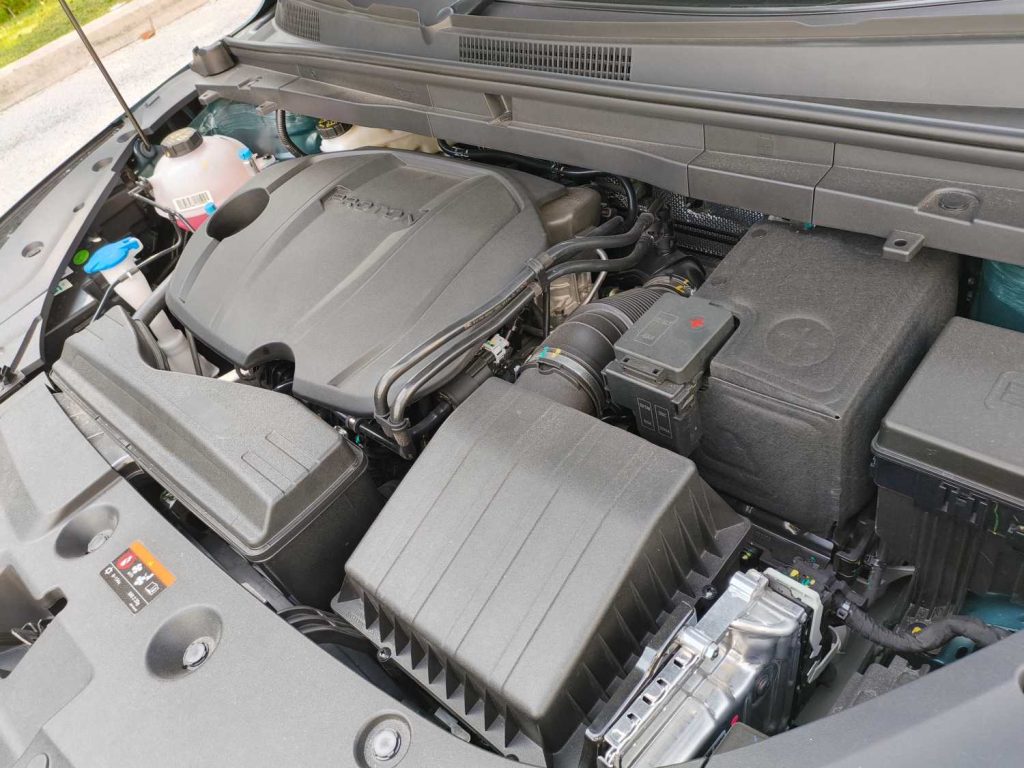
A few locals, who were strangers to us, stopped to push.
No fuss; just neighbourly reflex.
Brunch the next day brought satar, the East Coast favourite — spiced fish paste that’s chunkier than otak-otak and sweetly smoky from the grill.
Different tastes, same table: the kind of everyday mix that makes a Merdeka-season drive feel more rewarding than the distance logged.
Guest driver’s take
Our 20-something co-driver liked the smooth power delivery and high-speed stability of the X50.
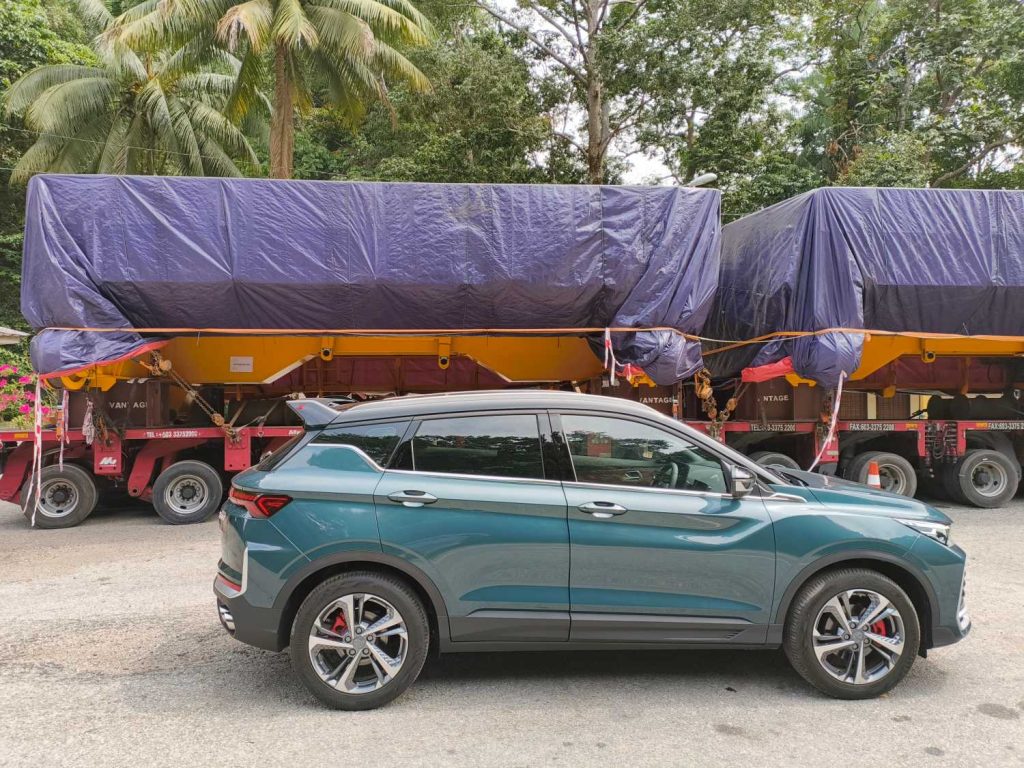
Quick steering made lane changes easy, though he noticed body roll on fast sweepers.
He also thought some plastics around the door handles felt basic and said the steering rim blocks part of the meter in his preferred seating position.
Final word
On the whole, the new X50 shows clear gains in refinement.
The four-cylinder brings stronger mid-range with better economy; the cabin tech now matches what buyers ask for; the chassis is secure on highways and composed on B-roads.
It isn’t perfect.
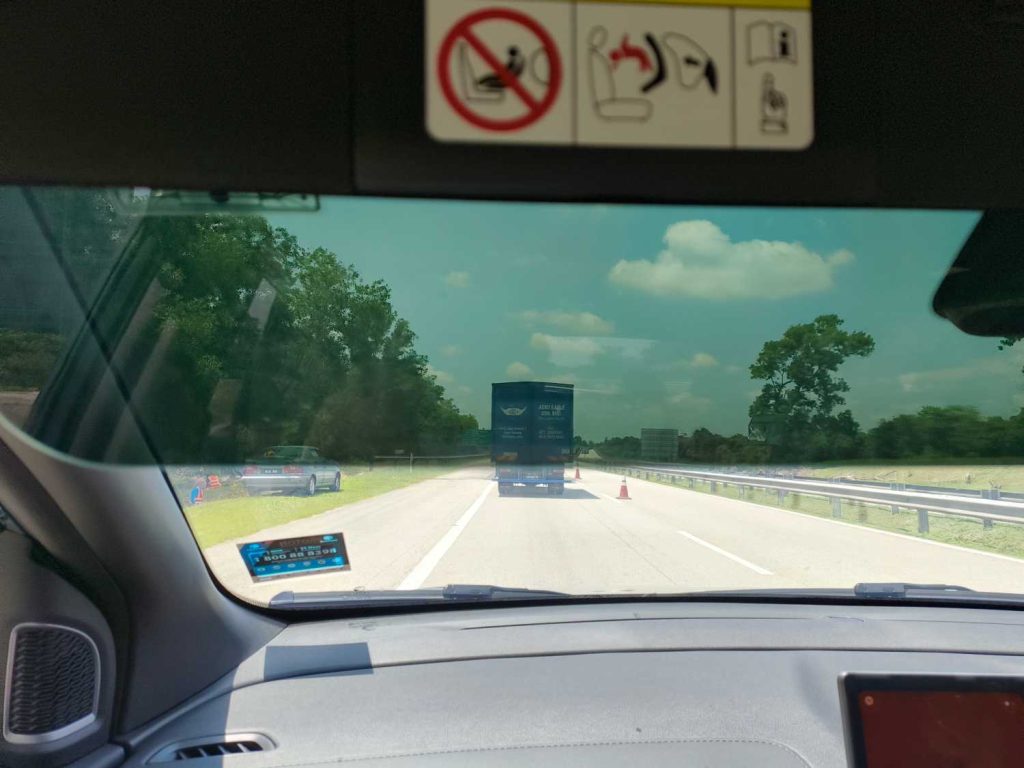
Lane-centring takes acclimatisation, wind noise rises past highway limits, and some trim still looks cost-driven.
Even so, at around RM113,000 for the Flagship (with RM4,000 rebate now), it remains a strong buy on value, drivability and everyday ease.
More importantly, it fits how Malaysians actually travel: school runs in the week, coast-to-mountain weekends, and the once-a-year crawl home for Raya or Merdeka.
That’s the measure that matters.