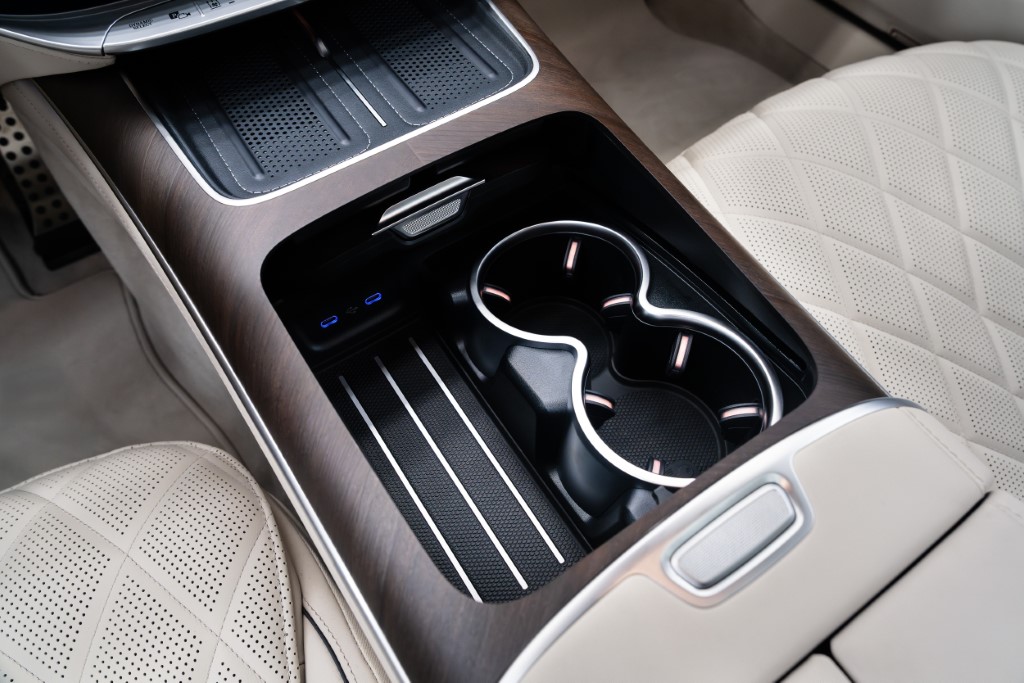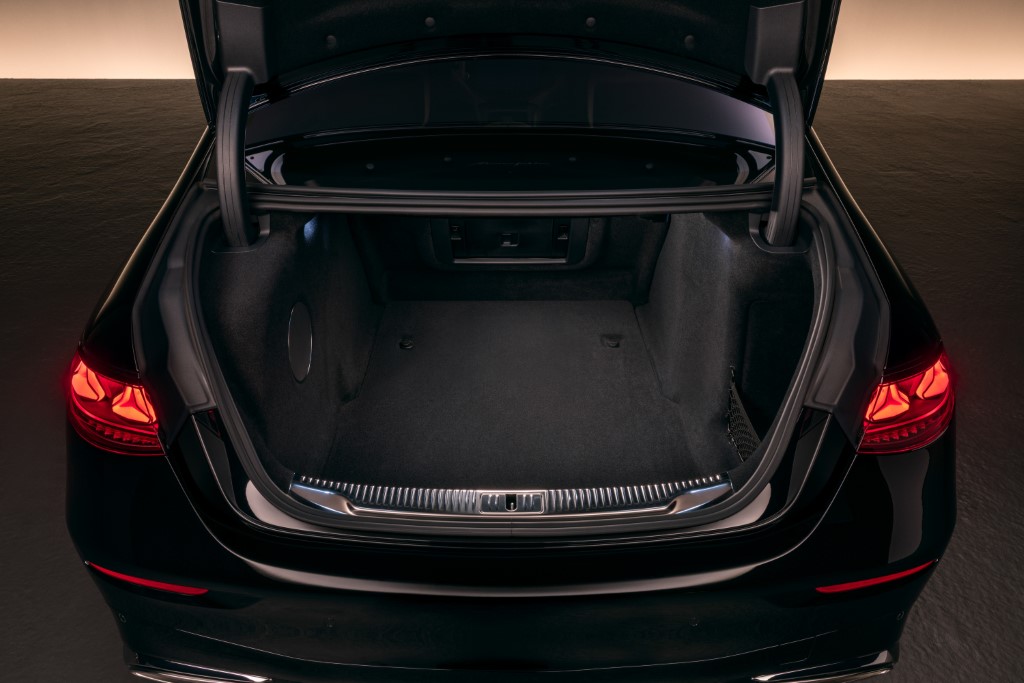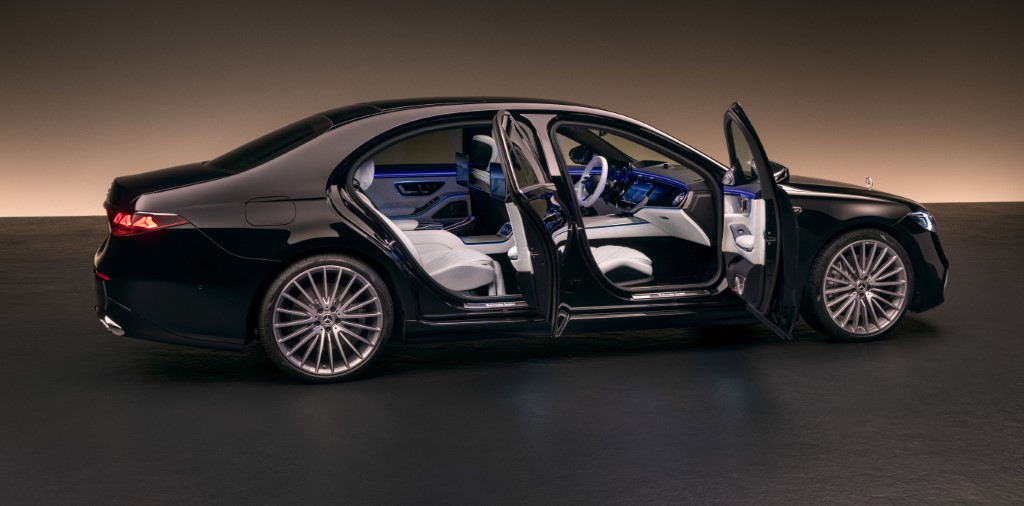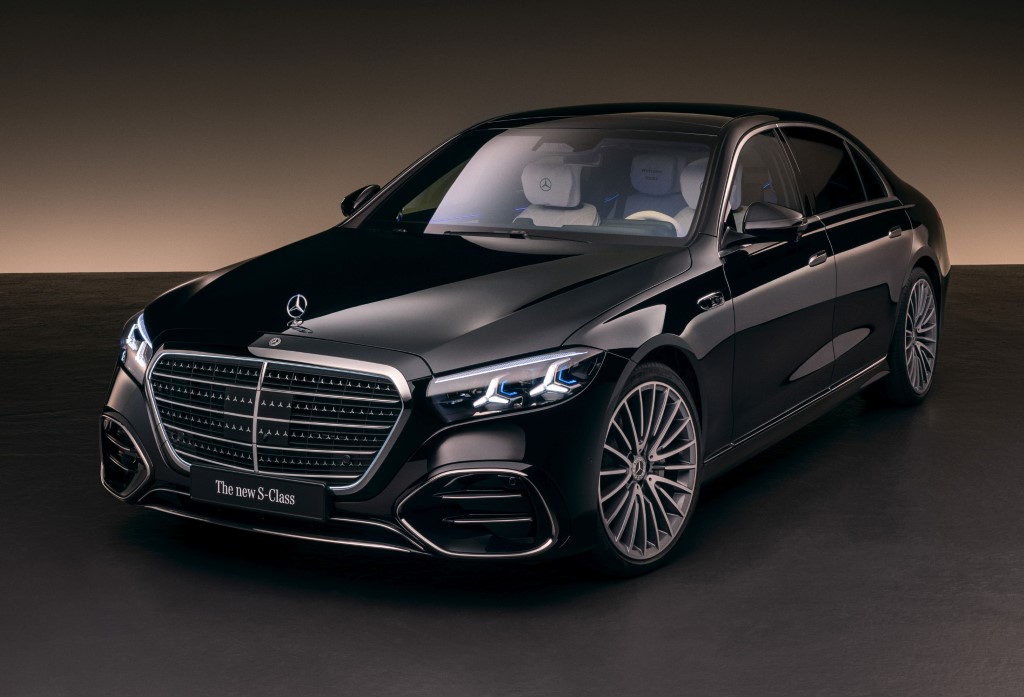
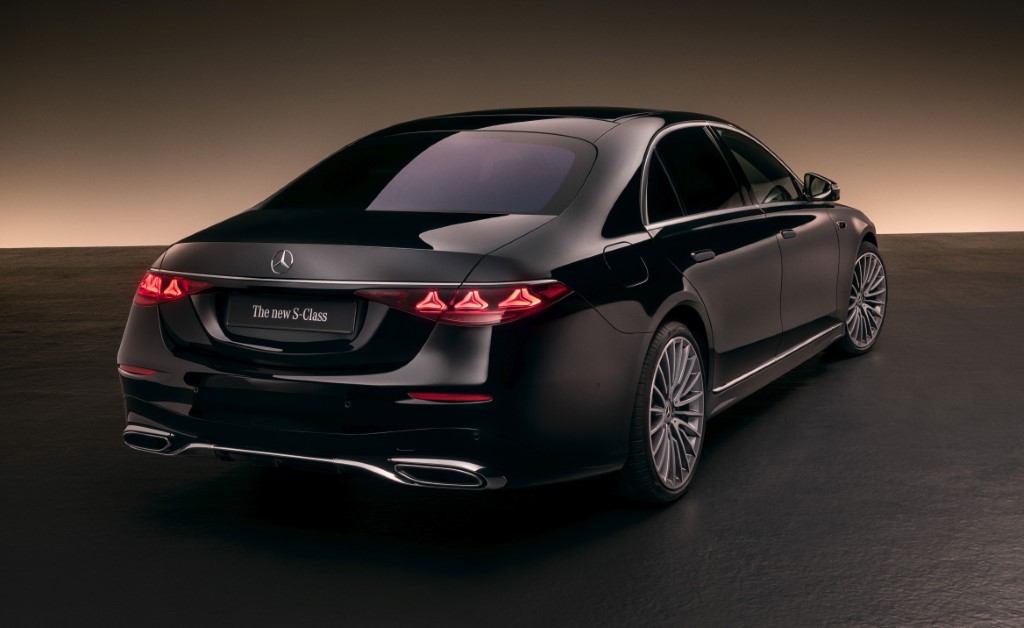
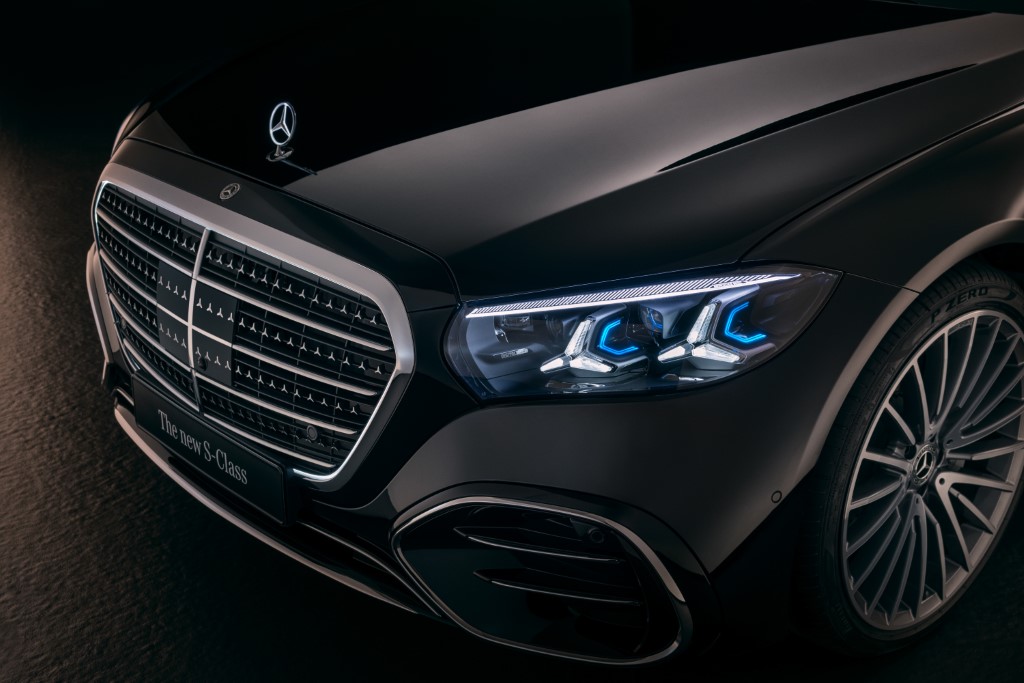
STUTTGART: The 2026 Mercedes-Benz S-Class has a bolder silhouette and, for the first time, an illuminated grille, enlarged by around 20% and accented with redesigned, three-dimensional chrome stars.
For the first time, the star on the S‑Class is optionally self-illuminated.
The new Digital Light twin-star headlamp design not only creates an iconic look day and night, but also enhances visibility.
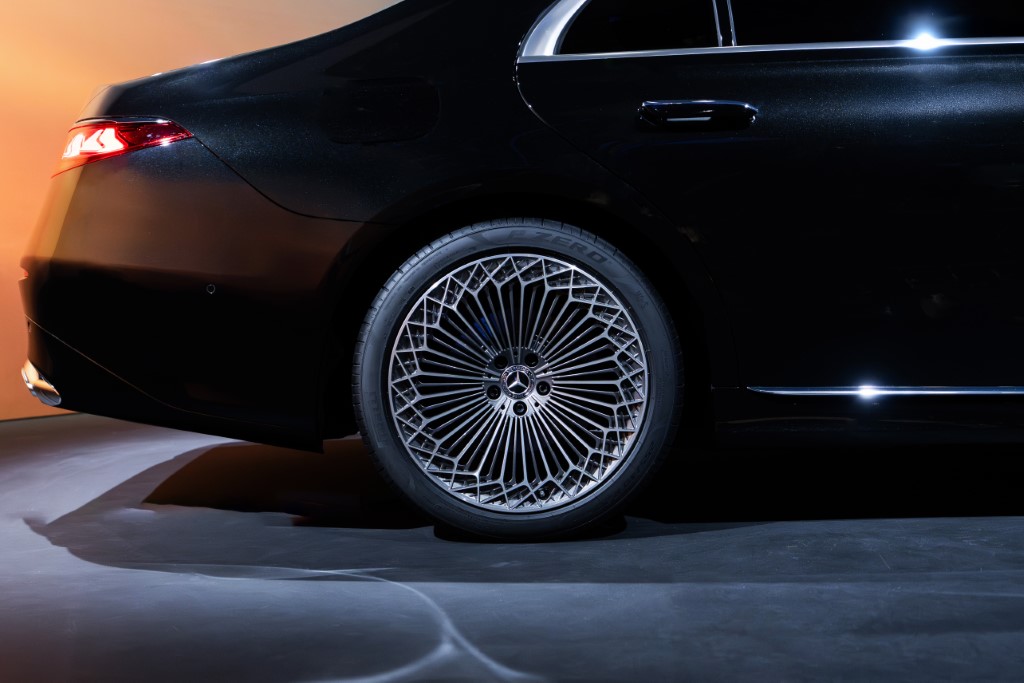
At the rear, newly designed taillights with three chrome-framed signature stars reinforce the S‑Class identity.
The new S-Class offers a range of electrified powertrains, from eight- and six-cylinder engines to six-cylinder diesel engines and a plug-in hybrid.
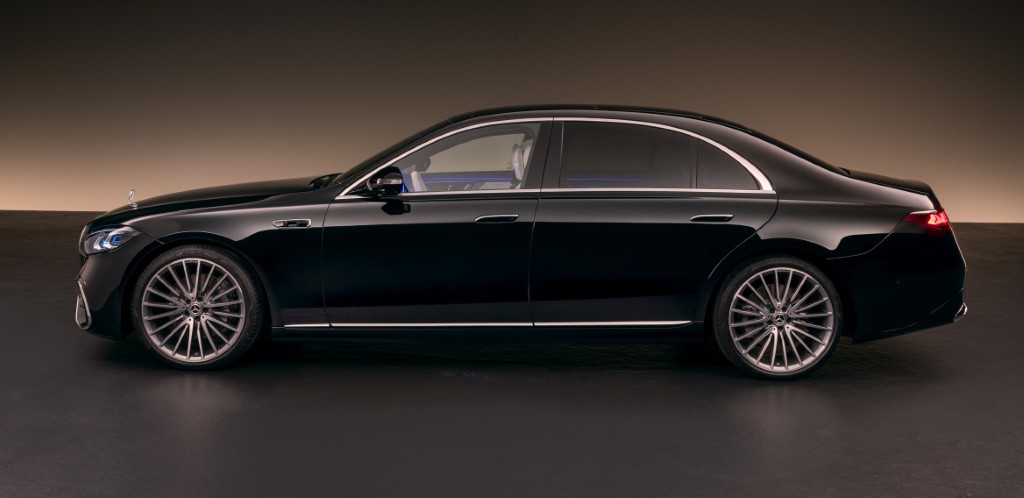
More than 50% of the S‑Class – around 2,700 components – are newly developed or re-engineered.
The new eight-cylinder engine (M 177 Evo) in the S 580 4Matic saloon long version delivers 395kW (537hp) and 750Nm of torque.
Engineering upgrades and mild-hybrid technology support seamless power delivery, energy recuperation and exceptional smoothness.
The six‑cylinder petrol engine (M 256 Evo) in the S 450 4Matic saloon long version and S 500 4Matic saloon long version offers torque of up to 600Nm; and up to 640Nm using overtorque.
The plug-in hybrid option with an electric range of around 100km combines this upgraded six-cylinder engine with an electric motor, increasing system output by up to 55kW over the previous engine generation.
This delivers a more responsive drive in the S 580 e 4Matic saloon long version with EQ hybrid tech and S 450 e saloon long version with EQ hybrid tech.
For those who prefer diesel power, the S 350 d 4Matic saloon long version and S 450 d 4Matic saloon long version feature the new six-cylinder OM 656 Evo.
All three engines feature a 17 kW integrated starter-generator (ISG).
The integrated starter-generator, available with both petrol and diesel engines, provides intelligent support in the low-rpm range.
In combination with turbocharging, this ensures excellent power delivery.
The system includes the 48-volt electrical system, which enables functions such as “coasting”, boost or recuperation and thus significant fuel savings.
The new S‑Class features the standard Airmatic air suspension or the optional E‑Active Body Control.
Both systems now feature intelligent damping, a sophisticated innovation that enhances comfort by electrically adjusting the damping system right before long speed bumps, which are particularly common in southern Europe and the USA.
Rear-axle steering – now standard with 4.5-degree and optionally offering up to 10-degree of steering angle – further enhances agility and control.
As for safety systems, its enhanced adaptive restraint system includes Pre-Safe Impulse seat belt pretensioners, dual-stage load limiters, advanced airbag inflators and an active vent in the passenger airbag.
A passenger kneebag and optional rear airbags for a frontal impact expand protection to a global standard of up to 15 airbags.
Rear passengers benefit from beltbags that inflate during severe frontal impacts to reduce chest loads, while rear airbags can deploy to reduce loads on head and neck.
Pre-Safe Impulse Side in the front row activates before a side impact to optimise occupant positioning, and models equipped with E‑Active Body Control can elevate the vehicle to distribute crash forces more effectively.
The new S‑Class elevates visibility and safety with the new Digital Light system.
Innovative micro-LED technology and a powerful new chip expand the high-resolution illumination field by 40%, delivering brighter high beams while reducing energy consumption, when compared with the predecessor system.
Dynamic Ultra Range high beam – with a reach of up to 600 metres, roughly six soccer fields – now swivels for optimal coverage, while its partial high-beam function improves detection of poorly lit road users without dazzling others.
Combined with camera data and map intelligence, cornering light adapts more precisely to road layouts – all powered by in-house software integrated into the Mercedes‑Benz Operating System (MB.OS) for faster adaptation.
The purpose-built Mercedes‑Benz Operating System (MB.OS) comes with a new service-oriented electrical and electronic architecture.
This supercomputer powers every domain — from assistance to infotainment to driving performance — delivering faster processing and greater computing power.
Standard equipment includes MB.Drive Assist, with features such as Distance Assist Distronic with Steering Assist and Lane Change Assist.
Evasive Steering Function Plus autonomously steers around objects or other vehicles to prevent collisions within the vehicle’s own lane.
For enhanced highway support, Proactive Lane Change Assist offers automated lane changes.
Additionally, MB.Drive Assist Pro includes enhanced assistance functions such as automated braking at stop signs and on traffic lights.
Powered by MB.OS, the fourth generation of MBUX comes to the S‑Class.
It comes with AI from ChatGPT4o and Microsoft Bing as well as Google Gemini, combining multiple AI agents in one system.
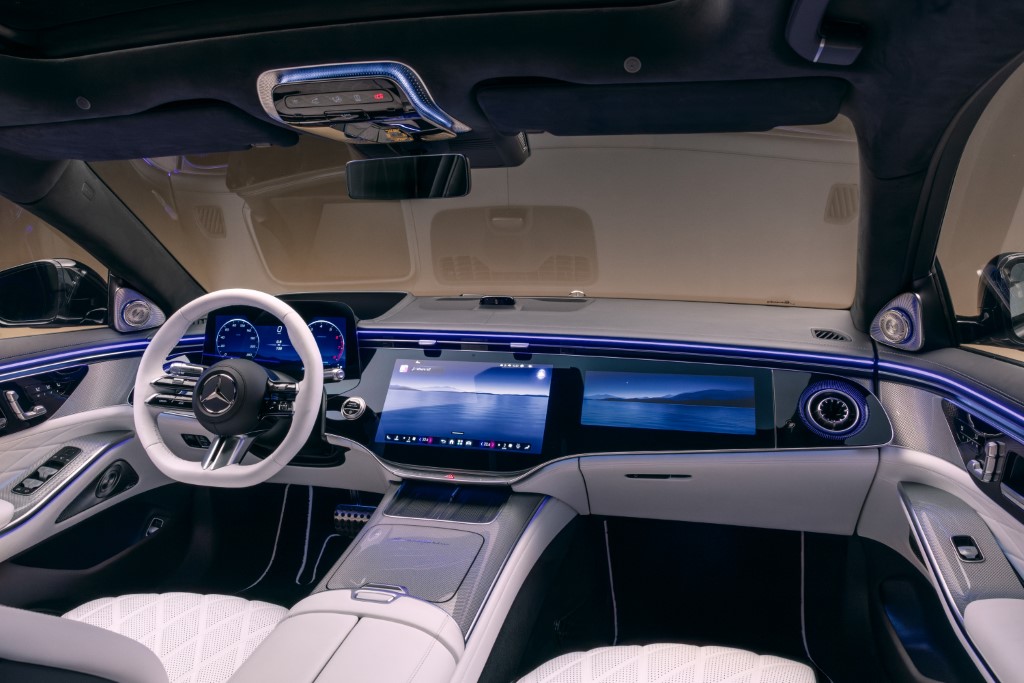
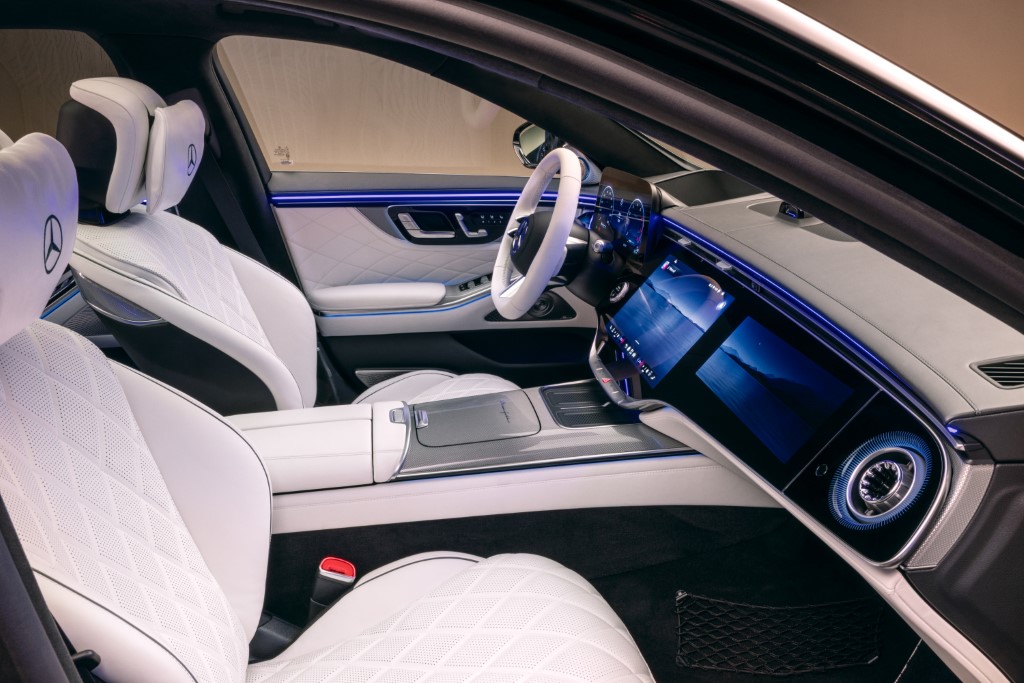
A new display concept: as standard, the MBUX Superscreen unites the 14.4-inch central display and the 12.3-inch passenger display beneath a continuous glass surface, creating a sculptural visual unit.
In the new S-Class, rear-seat excellence is a given in both wheelbase variants.
Customers can choose between a more dynamic silhouette and a long-wheelbase model with even more expansive rear-seat space.
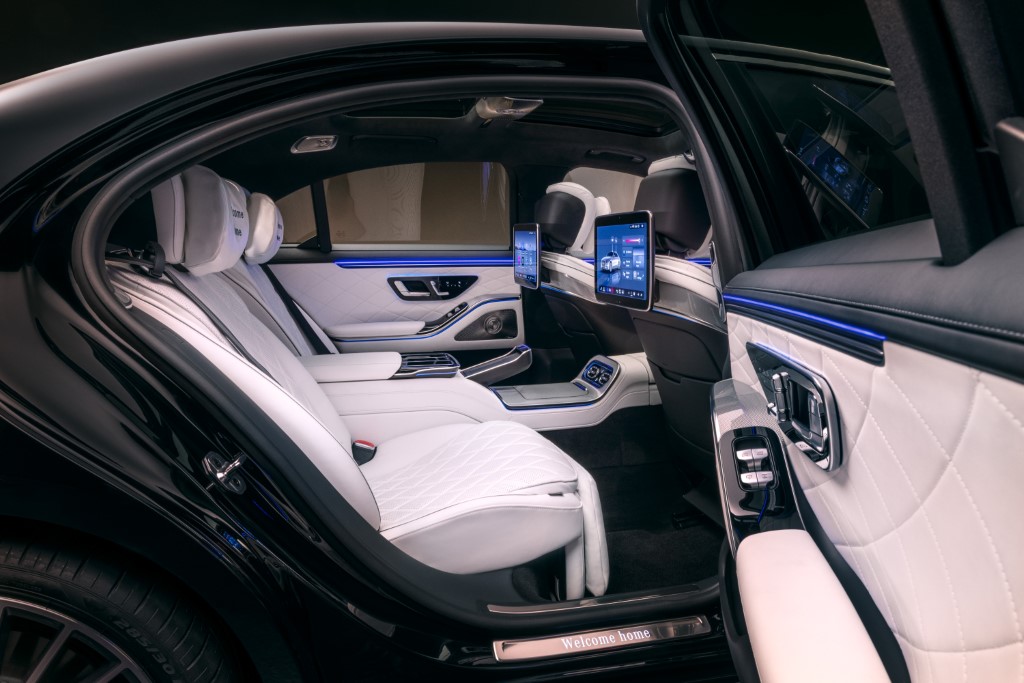
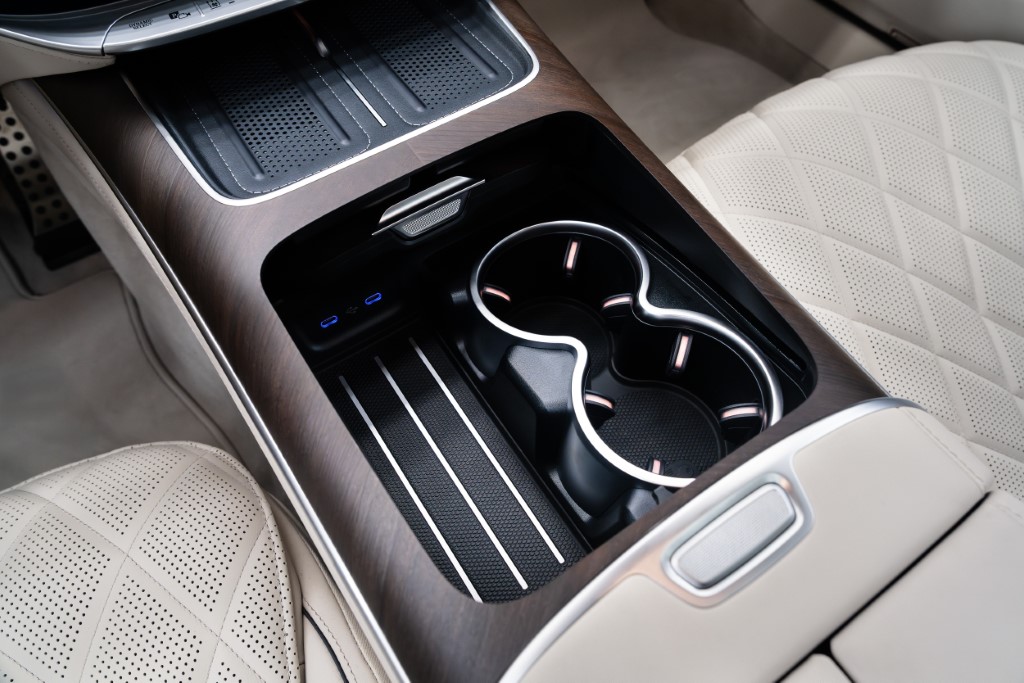
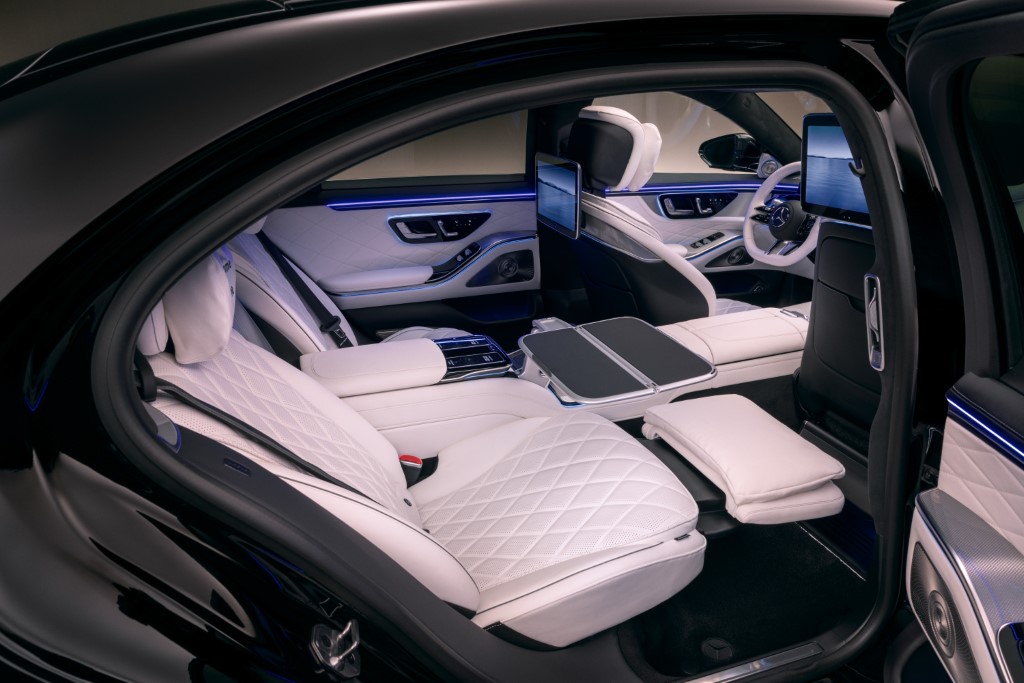
At its pinnacle, the four-seat First-Class rear compartment in the long-wheelbase model turns the rear of the S‑Class into a business lounge.
The two new detachable MBUX remote controls in the rear provide operation of vehicle functions such as climate control and window shades, as well as the larger 13.1-inch displays of the MBUX High-End Rear Seat Entertainment System.
These screens also feature integrated HD cameras, making them ideal for business video conferencing with Microsoft Teams, Zoom or Webex.