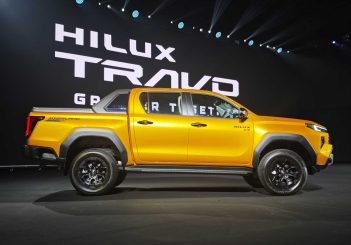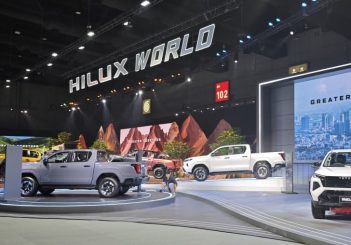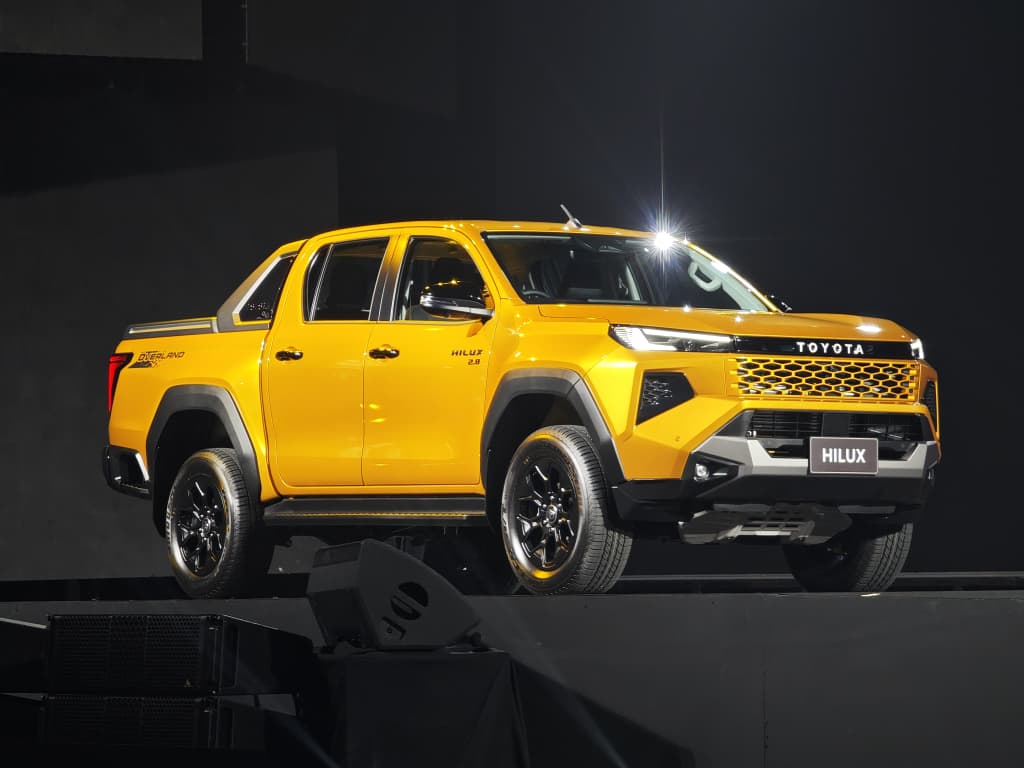
BANGKOK: TOYOTA Motor Thailand officially presents the next generation Hilux pick-up truck.
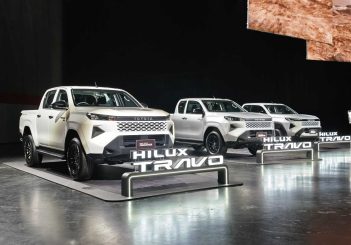
Unveiled in the birthplace of the Innovative International Multi-purpose Vehicle (IMV) platform project, the ninth-generation pick-up truck dubbed Hilux Travo in Thailand is designed to meet the diverse needs of customers across Asia.
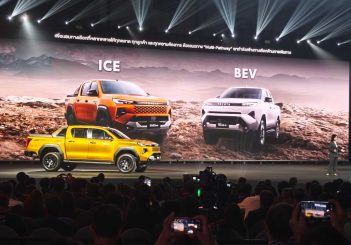
To that end it adopts Toyota's multi-pathway approach to mobility by offering both internal combustion engine (ICE) and battery electric vehicle (BEV) variants.
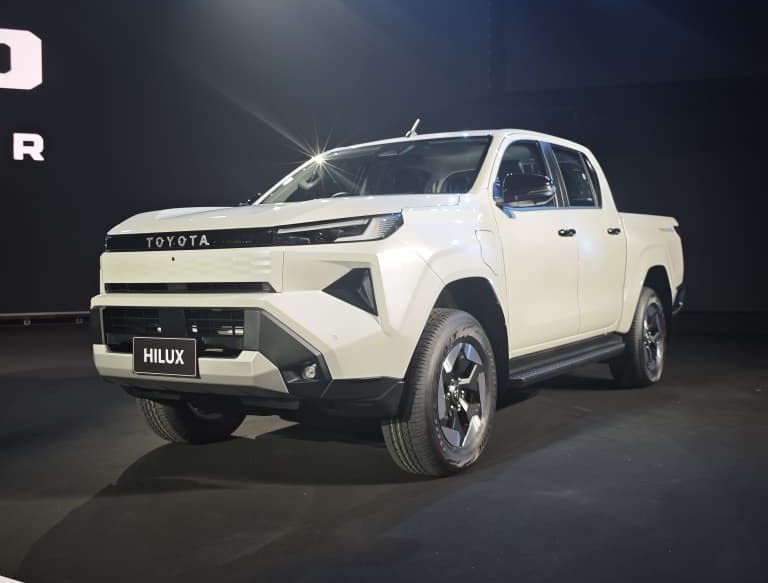
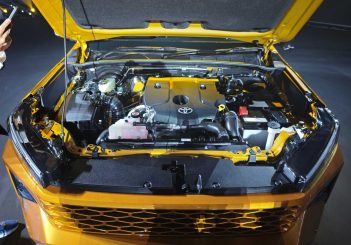
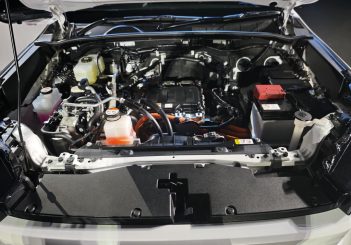
All Hilux ICE variants now house a 1GD-FTV 2.8 litre four-cylinder diesel engine (VN turbo and intercooler) paired to either a six-speed automatic transmission (AT) with sequential shift or a six-speed manual transmission (MT).
The combined powertrain delivers a maximum 204PS at 3,000rpm - 3,400rpm and 500Nm of torque between 1,600rpm - 2,800rpm when paired to the AT while the MT is capped at 420 Nm.
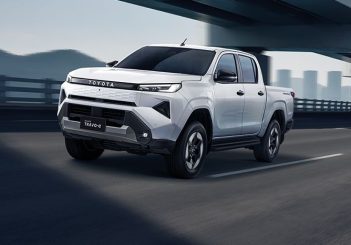
The Hilux BEV variant, known as the Travo-e in Thailand, is powered from dual motors of the eAxles that produce a total output of 196PS and 205Nm at the front and 269Nm at the rear.
Its 59.2kWh lithium-ion battery pack that is installed under the floor (making full use of the frame width) delivers a cruising range of an estimated 315km (NEDC).
DC fast charging supports up to 125kWh while AC charging is 10kWh.
The battery itself is mounted onto Toyota's shock-absorbing Diamond Guard protection subframe structure to shrug off rough terrain obstacles.
One of the key features that enhances the new Hilux's drive experience is the new Dynamic Cloud suspension system technology that improves handling, stability, and smoothness for all-around performance and comfort.
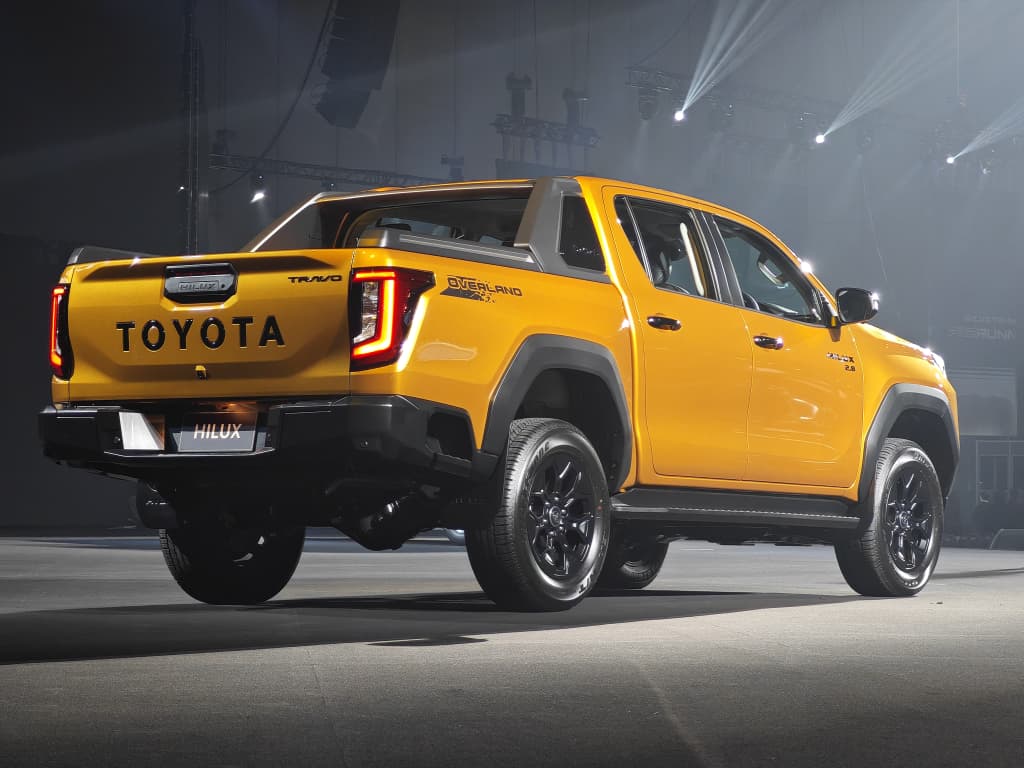
The other is the 4WD "4Trex" system that features diff-lock, Auto Limited Slip Differential and an Active Traction Control (A-TRC) as standard.
This comes in addition to the new model's enhanced body rigidity, refined suspension tuning, and the adoption of Electric Power Steering (EPS).
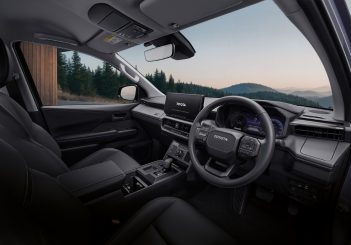
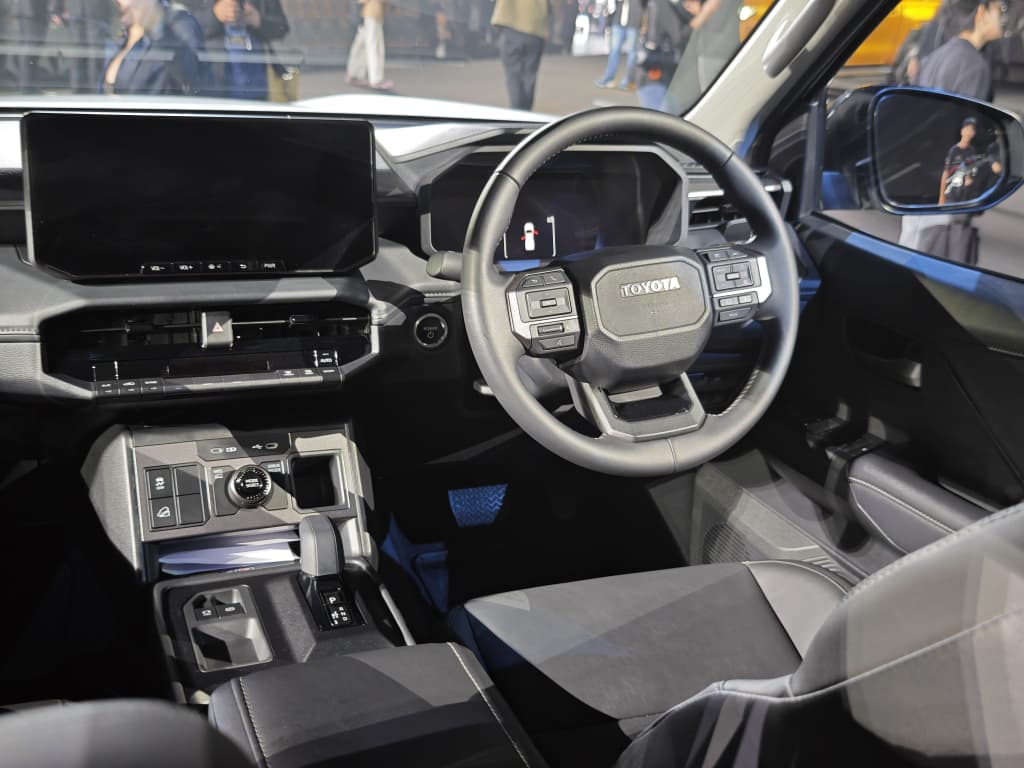
For the BEV option is the availability of the Multi-Terrain System (MTS) rotary dial that allows for drive mode select between Dirt, Sand, Mud, Rock and Snow that control throttle and gearbox response.
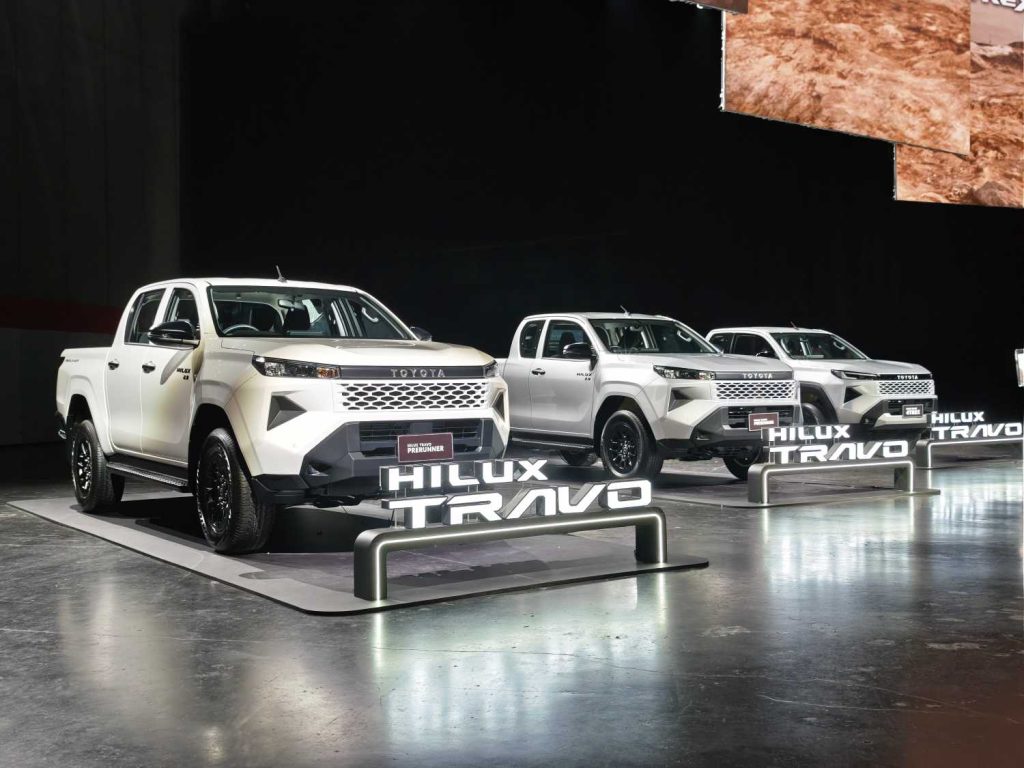
Integrated into the new Hilux is the Toyota Safety Sense 3 (TSS 3) with enhanced pre-collision and lane-keeping functions, Panoramic View Monitor (PVM) and Multi-Terrain Monitor (MTM) for superior visibility and control in all environments, and a next-generation infotainment - with smartphone integration and connected services.
At its core, the ninth-generation Hilux represents an update to the Innovative International Multi-purpose Vehicle (IMV) platform project which was launched in 2004 under the leadership of chairman Akio Toyoda to symbolise Toyota’s mission to bring mobility solutions to diverse regions through localised development.
“The IMV story proves that global success is rooted in local strength… while the new Hilux represents years of listening, learning, and developing vehicles that truly serve real-world needs,” said Toyota Motor Asia regional chief engineer Anyarat Sutthibenjakul.
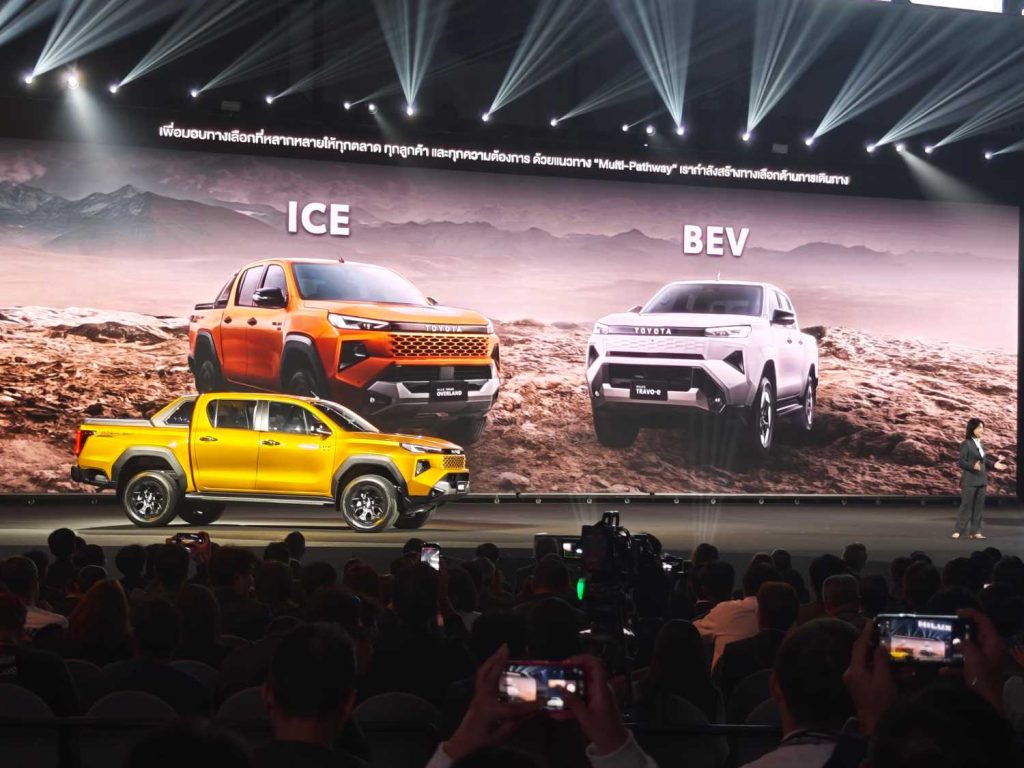
The new Hilux itself was developed through a close partnership between engineering teams in Thailand and Australia, an effort that reflects a shared commitment to create vehicles that combines deep regional insight with advanced design capability.
“We set out to reimagine a vehicle that our customers can be proud of. It is tougher, smarter, and more expressive—ready to meet the future without compromising its legendary DNA,” said Toyota Australia regional design chief Nicolas Hogios.
"From farmers transporting produce to families heading out on long trips and workers building the cities around us, Hilux has always evolved alongside the people who drive it.
"The Hilux has always been made by the people, for the people,” said Hogios.

Toyota Motor Corp chief branding officer and head of design Simon Humphries said the new vehicle is shaped by real voices, cultures, and communities — and one that represents Toyota’s belief in Mobility for All.
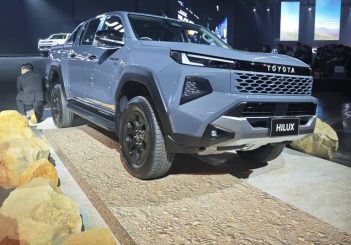
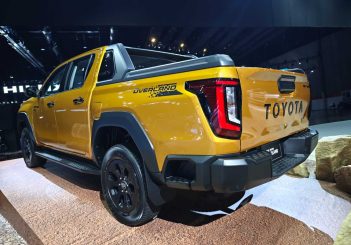
In Thailand the ICE Hilux variant comes in Attitude Black Mica, Ash, Silver Metallic, Super White II and Sulfer Metallic colour options.
The BEV Travo-e is only available in either Platinum White Pearl Mica or Ash.
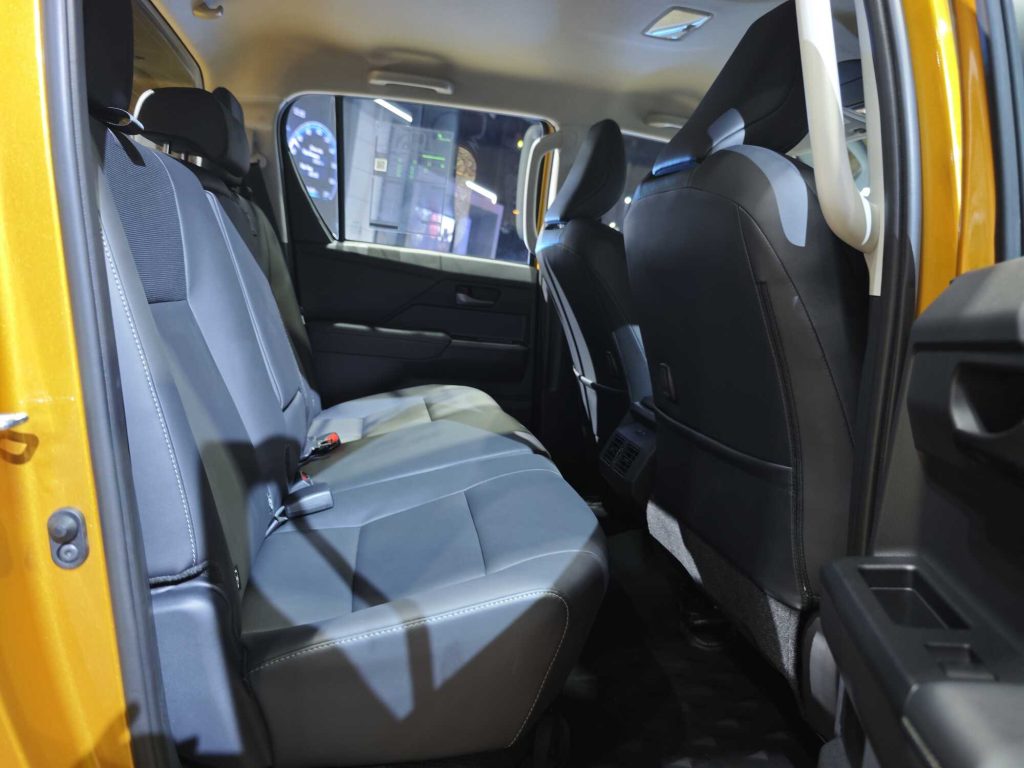
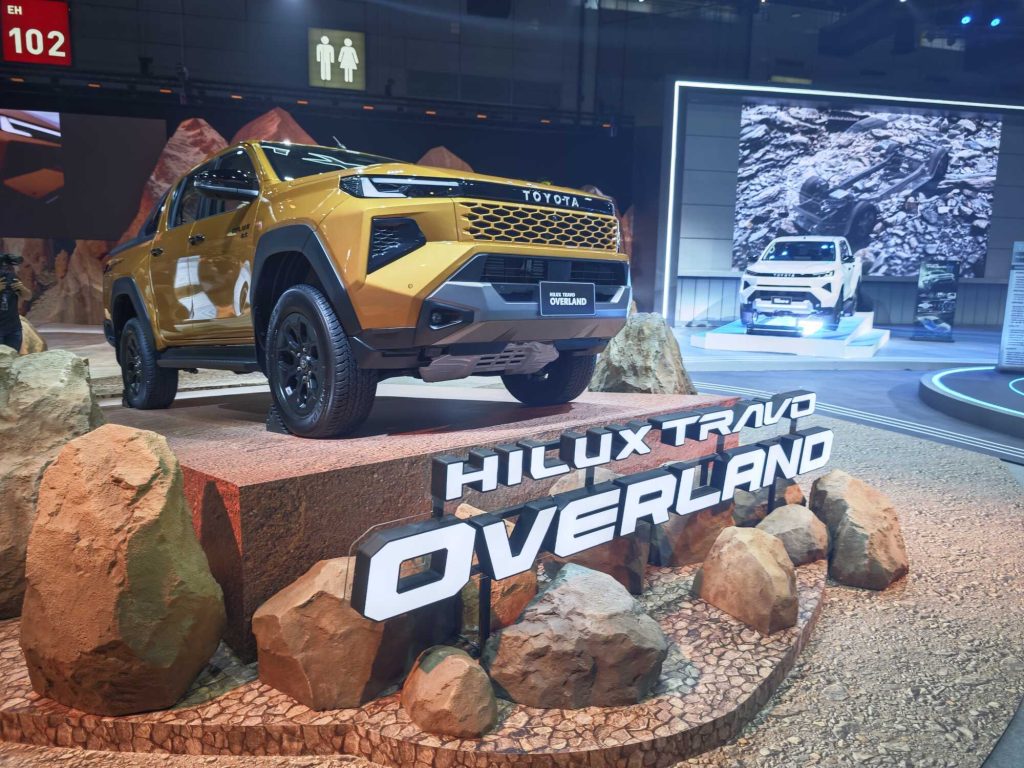
Adopting a new "Cyber Sumo" design concept, the new Hilux’s exterior features a new front fascia from its new grille and slim LED projector headlights with L-shaped daytime running lights.
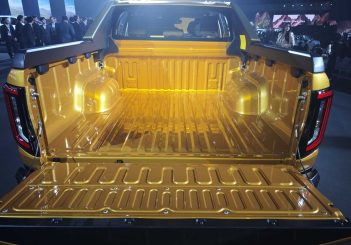
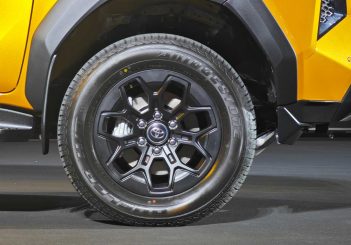
Its overall trim is a mix of sleek and active with its 18-inch cross-spoke alloy wheels, grip-oriented side steps, integrated rear sports bar with LED lighting and a tailgate damper.
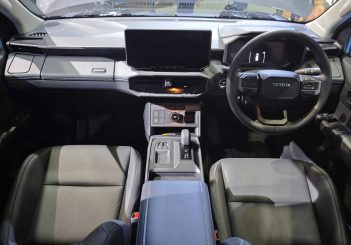
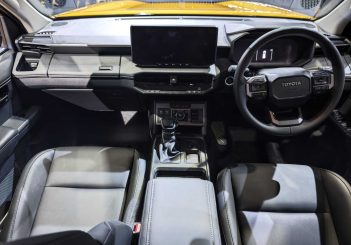
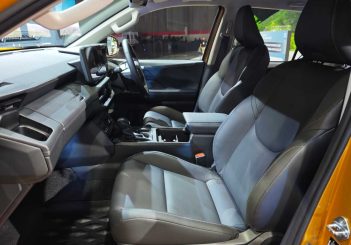
The centre console and instrument cluster have been updated with a seven-inch digital instrument display and 12.3-inch infotainment touchscreen that has wireless support for Apple Carplay and Android Auto.
Price of the Hilux Travo in Thailand starts from 767,000 baht (RM98,600) for the single cab with the double cab option starting from 895,000 baht (RM115,100).
The BEV Travo-e starts from 1,491,000 baht (RM191,700).
Toyota plans to launch the new Hilux sequentially from 2026 onwards in Asia.
Japan-bound models, where a diesel version is planned, is scheduled for a mid-2026 launch.
Toyota will also further accelerate its multi-pathway approach by developing an FCEV (fuel cell electric vehicle) model in addition to the diesel and BEV models of the the new Hilux.
The FCEV model is scheduled to be introduced in Europe and Oceania starting in 2028.