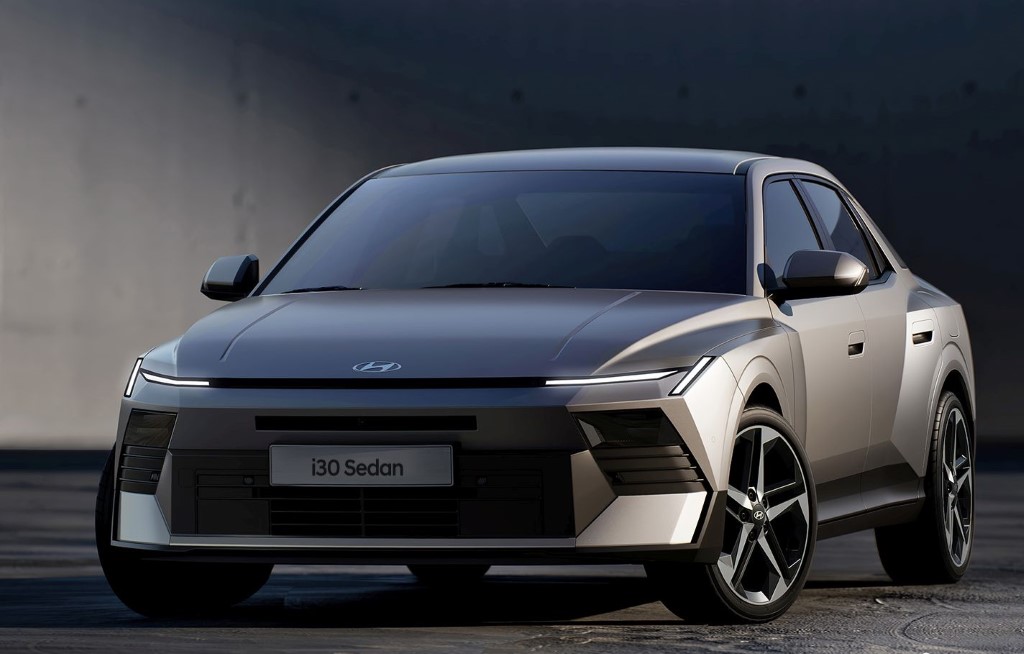
LOS ANGELES: The 2027 Hyundai i30 eighth-generation compact sedan was recently unveiled at the Los Angeles Auto Show.
Badged as Avante or Elantra overseas, the eighth-generation i30 sedan adopts Hyundai Motor’s ‘Art of Steel’ design language together with Pleos Connect, delivering a software-driven mobility experience.
“For many customers, the i30 sedan is their first experience with the Hyundai brand, and that makes this vehicle especially important to us,” said Hyundai Motor Company president and CEO José Muñoz.
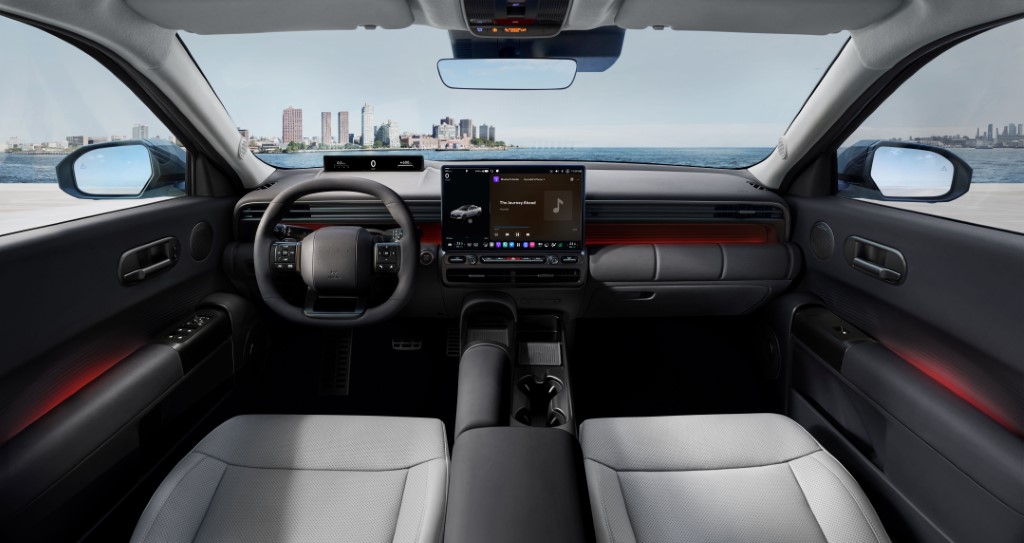
Key design elements include H-Edge lighting, futuristic grille styling, three-box proportions, slim-neck mirrors and lift-up flush door handles.
The vehicle expands in every dimension - length (+85mm), width (+30mm) and wheelbase (+30mm) - delivering medium car segment interior space with 993mm of rear legroom (+29mm) and 958mm of rear headroom (+18mm) while maintaining compact-sedan nimbleness.
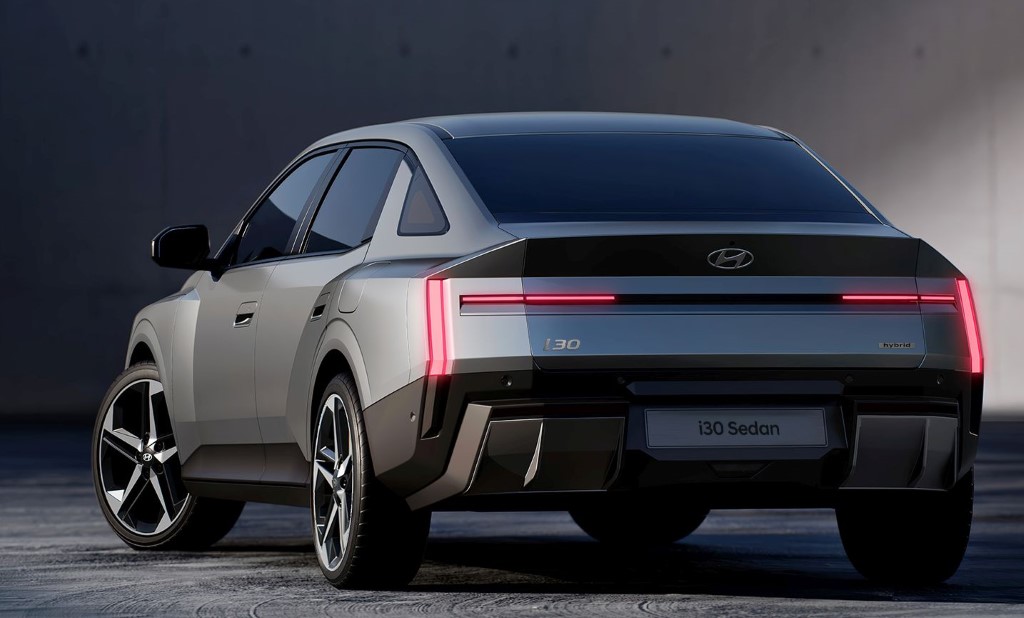
H-Edge lighting, inspired by architectural design principles, emerges as a signature design element that unifies the vehicle’s front and rear visual identity.
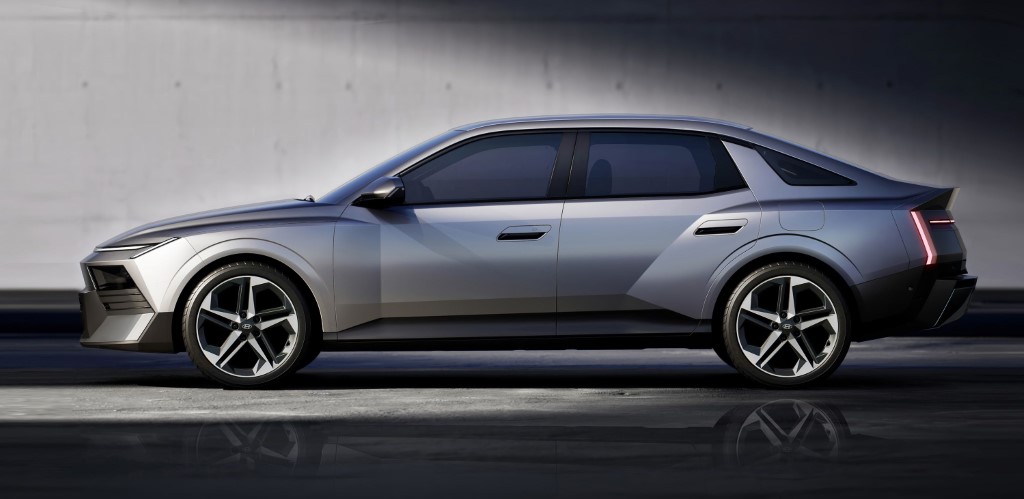
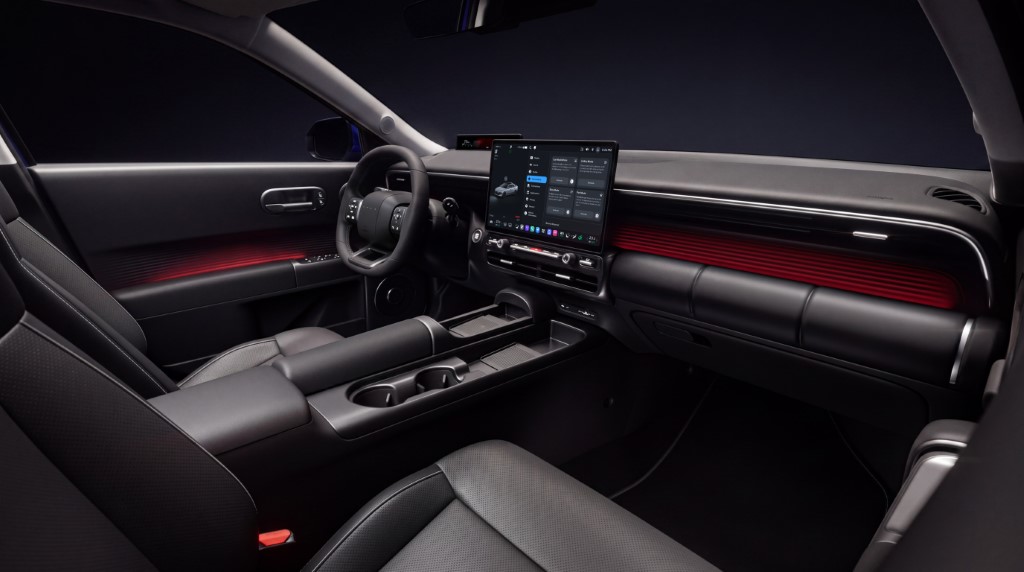
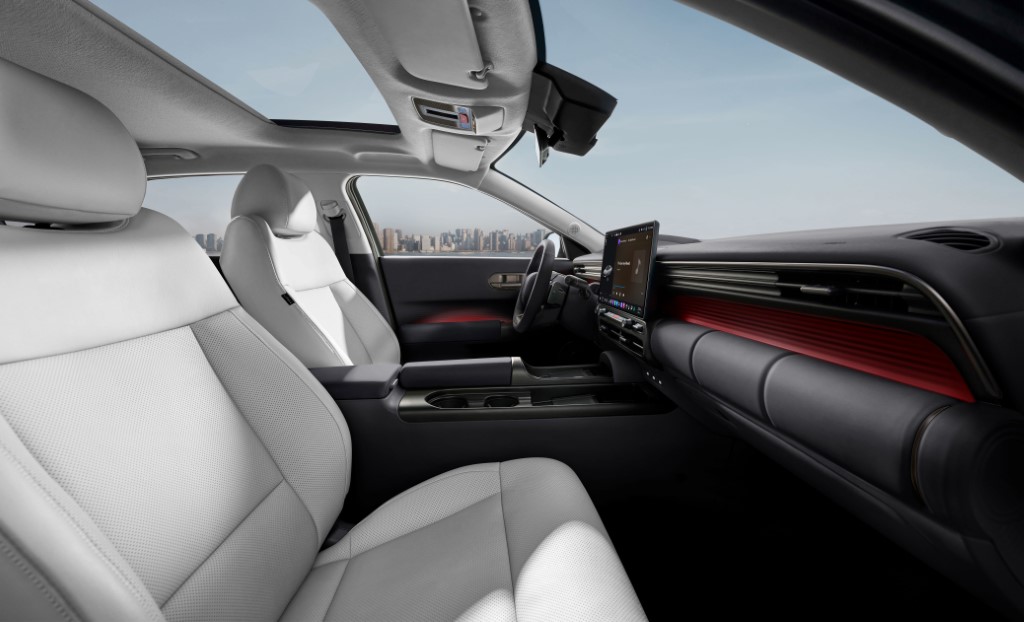
The central 12.9-inch Pleos Connect display delivers seamless access to media and connected services, while essential controls remain physical buttons.
Premium convenience features include dual wireless charging (Qi 2.0 – 15W), Audio by Bang & Olufsen, Hyundai Digital Key 2, and 100W ultra-fast charging USB ports.
The all-new i30 Sedan offers two optimised powertrains: a 1.6L hybrid and a 2.0L petrol engine.
The 1.6L hybrid powertrain delivers a combined output of 157PS (115kW) through a six-speed dual-clutch transmission.
The 1.6L hybrid powertrain comes with smart energy management technologies such as:
- Smart Regeneration System 3.0: Captures kinetic energy during braking and deceleration, optimising energy recovery and extending hybrid battery lifespan.
- Hybrid Hierarchical Predictive Control System: Intelligently anticipates driving patterns and road conditions to maximise efficiency in real time.
- Stay Mode: Powers climate control, audio and lighting functions while parked, eliminating unnecessary engine operation and reducing emissions.
The 2.0L petrol engine delivers 149PS (110kW), +26PS (19kW) over the previous 1.6L, paired with an efficient IVT transmission.
Pleos Connect, Hyundai Motor’s next-generation infotainment system built on Android Automotive OS, delivers a seamless and user-centric mobility experience.
At the core of the experience lies Gleo AI, an in-vehicle agentic AI that understands natural conversation and user context, reducing the need to navigate menus.
Drivers can simply ask, “Find a hiking trailhead with parking within 30 minutes,” and the system provides relevant results based on the request’s context.
Collision-prevention features include Forward Collision-Avoidance Assist 2 (FCA 2), Blind-Spot Collision-Avoidance Assist (BCA) and Safe Exit Warning (SEW).
Lane-management technologies - Lane Keeping Assist (LKA), Lane Following Assist 2 (LFA2) and High Beam Assist (HBA) - work collaboratively to support safe highway and urban driving.
Situational awareness is further enhanced through Intelligent Speed Limit Assist (ISLA), Blind-Spot Monitor (BVM) and Memory Reversing Assist (MRA).
The In-Cabin Monitoring Unit (ICMU) continuously monitors driver engagement and alertness through Driver State Monitoring (DSM) and Steering Wheel Grip Detection (HOD) to mitigate fatigue-related risks, while Driver Attention Warning (DAW) alerts drivers to moments of inattention.
Occupant State Monitoring (OSM) and camera-based occupant detection work seamlessly with seat belt monitoring and Rear Occupant Alert to ensure passenger protection and awareness.
The all-new i30 sedan will be launched in Australia in the first half of 2027, with hybrid powertrain only.