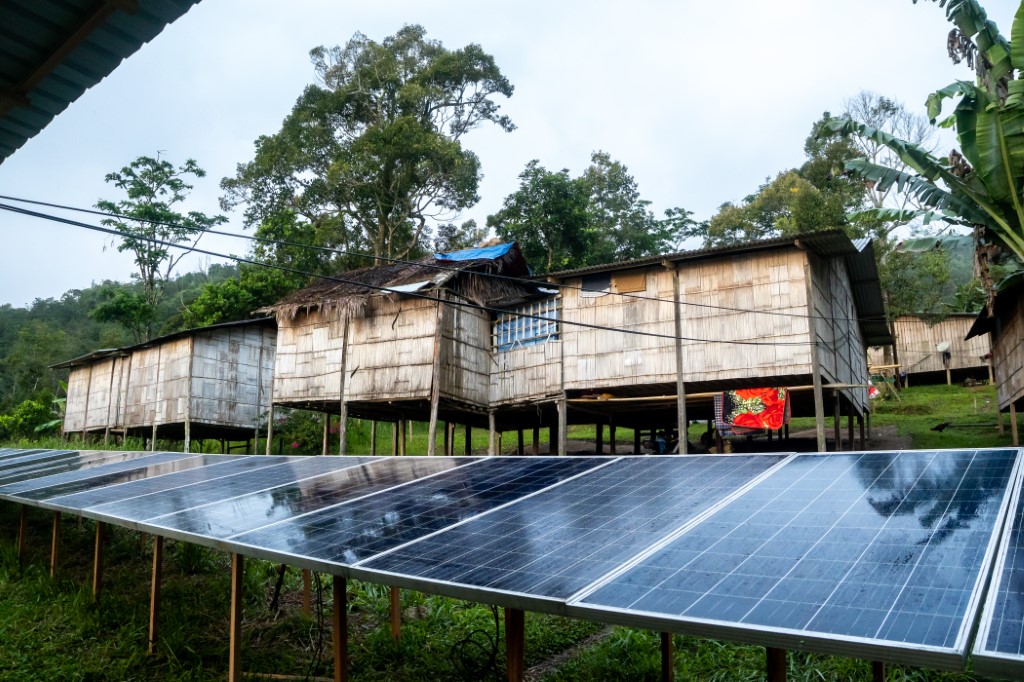
KUALA LUMPUR: A solar-powered energy storage system running on second-life BMW EV (electric vehicle) batteries at Kampung Saweh, Pos Sinderut, Kuala Lipis, Pahang was recently installed by BMW Group Malaysia and Universiti Malaya (UM).
This marks the second real-world application of the RE:GENERATE x Universiti Malaya research initiative.
Engineered by Dr Tan Chia Kwang and his team of researchers and PhD students at the UM Power Energy Dedicated Advanced Centre (UMPEDAC), the system was installed over a five-day deployment from Oct 23 to 27, 2026 and went live during the team’s visit, delivering continuous electricity access to 20 households within the Semai Orang Asli community for the first time.
BMW Group Malaysia director of corporate communications and sustainability Sashi Ambihaipahan shared, "Recollecting batteries at the end of a vehicle’s life has long been standard practice for us. RE:GENERATE takes this further by asking what those batteries can go on to do."
"At Kampung Saweh, batteries that once powered vehicles on Malaysian roads now provide 20 homes with electricity throughout the day and night, in a community that has not had that before. Working alongside Universiti Malaya has allowed us to translate research into a practical application of circular innovation, taking this technology from the laboratory into a village where it makes a meaningful difference to everyday lives,” he added.
Prior to the installation, the community relied on petrol and diesel generators for their electricity needs.
Operated for roughly four hours nightly and largely limited to lighting and fan loads, the generators cost RM10 per household daily.
The new system provides households with a continuous electricity supply across 24 hours, at significantly lower cost and without the emissions associated with generator use.
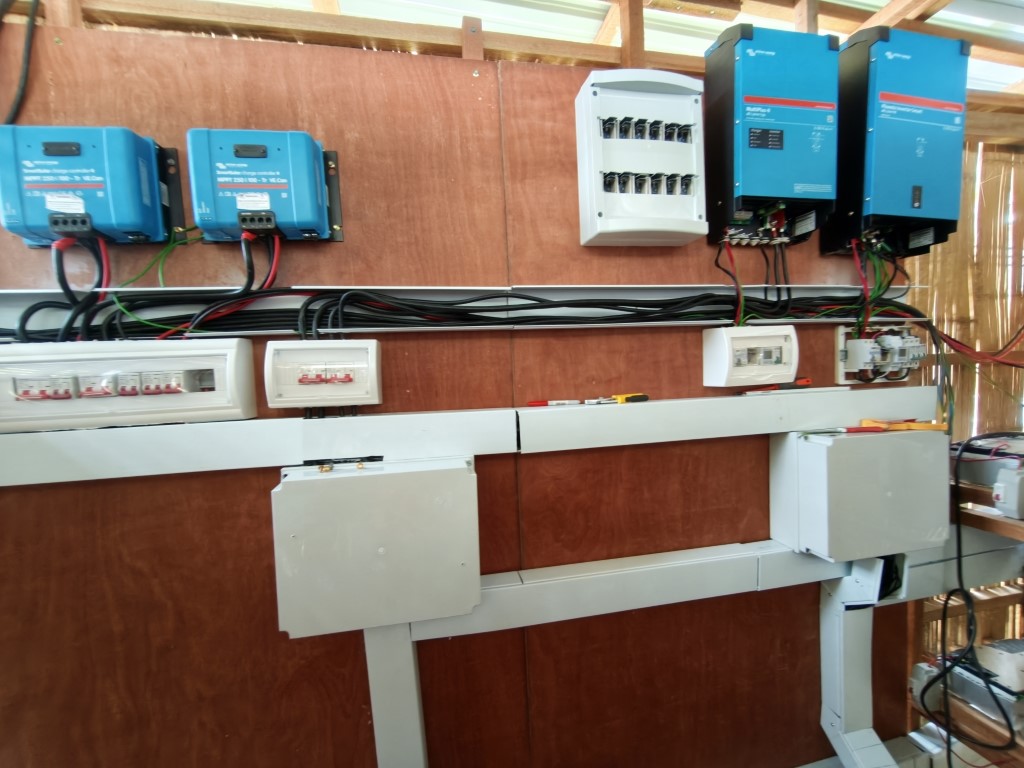
The installation comprises 30 repurposed BMW battery modules with a combined 8kW of inverter power, serving all 20 households from a single centralised point, with each household allocated 3kWh of energy daily.
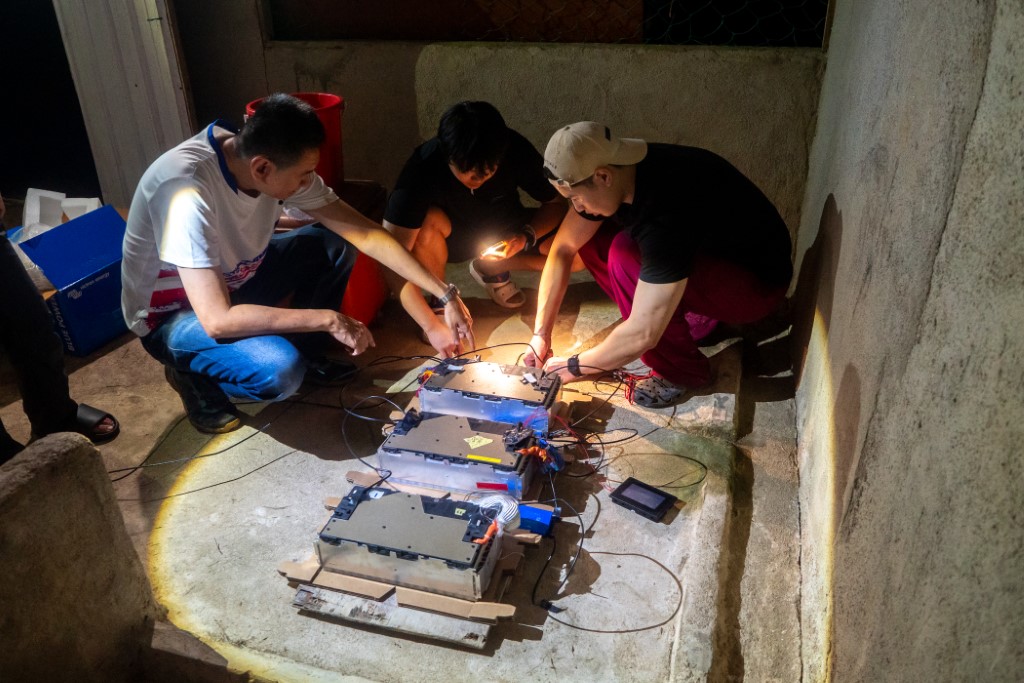
Because households do not draw electricity at the same time, the centralised configuration allows unused capacity from one home to be shared with another at the moment it is required, enabling the system to meet higher demand without the need to oversize the installation.
The batteries are housed in a structure built from wood and bamboo sourced from the surrounding environment and are charged by second-life solar panels retired early from commercial solar farms despite retaining considerable usable life.
Meanwhile, with a reliable electricity supply now in place, refrigeration comes within reach for these households for the first time.
The system has been sized to carry refrigerator loads as families acquire them, with television currently representing the highest single load across most homes.
Based on the current system design, the batteries are expected to serve the village for at least another five years.
The rural electrification project is jointly funded by UMCares, Ritsumeikan University, Japan, and Tech Inspiration Systems Sdn Bhd.