BEIJING: Crashing 4,000 vehicles might sound destructive, but for GWM it represents years of engineering, testing and investment dedicated to making its vehicles safer.
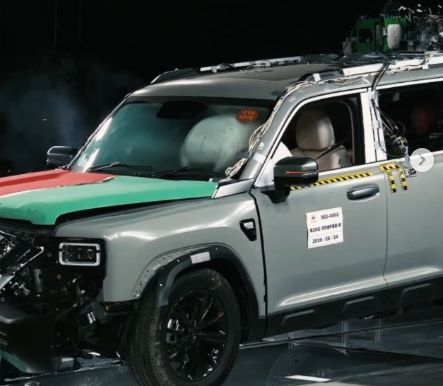
GWM recently completed its 4,000th full-vehicle crash test at its advanced safety laboratory in China.
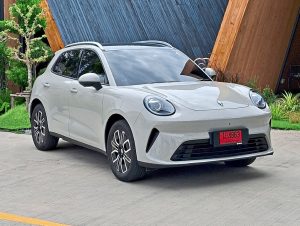
The all-new GWM Haval H7 PHEV (plug-in hybrid) was selected for the landmark test.
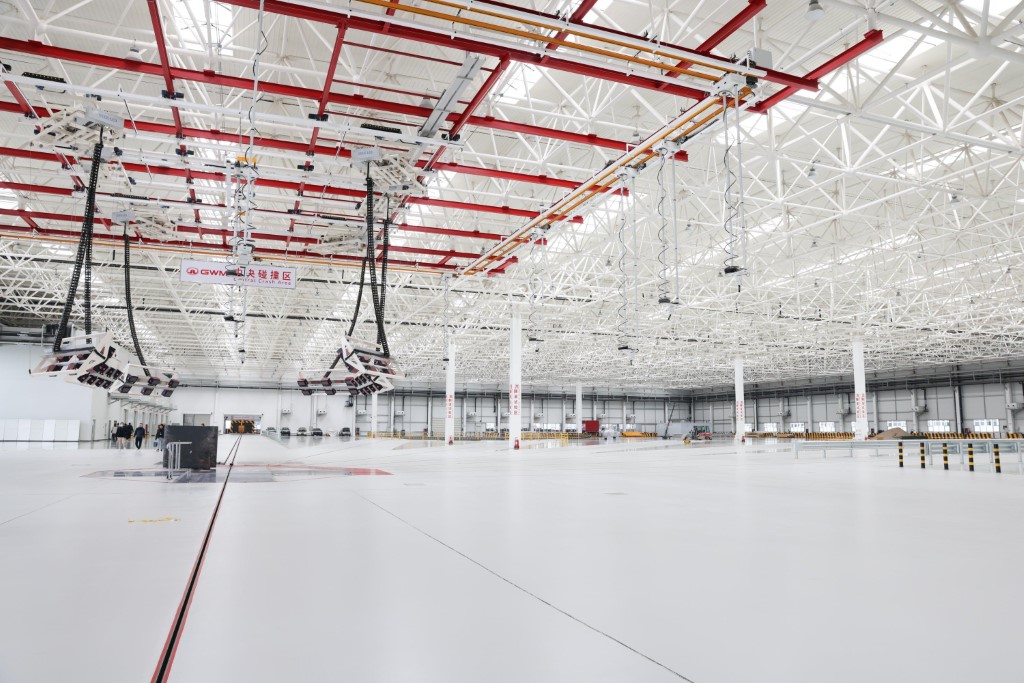
Behind the milestone is GWM’s 57,000 sq metre safety facility, representing 510 million yuan (RM310mil) in investment and equipped to recreate an extensive range of collision scenarios and analyse what happens before, during and immediately after an impact.
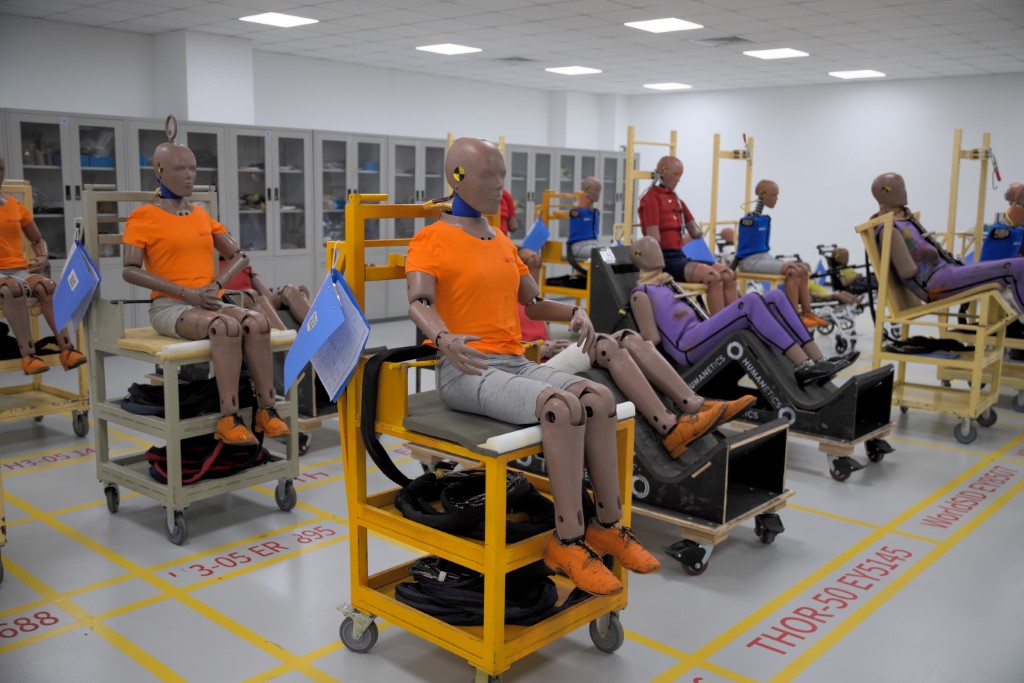
From high-speed cameras recording at up to 4,000 frames per second to more than 100 million yuan (RM60.7mil) invested in sophisticated crash-test dummies, the facility demonstrates the scale of engineering and physical validation underpinning GWM’s approach to vehicle safety.
For the landmark 4,000th test, the Haval H7 PHEV underwent a collision assessment evaluating structural integrity, occupant protection and post-collision safety performance.
Following the collision, the passenger compartment maintained its structural integrity with no significant deformation, helping prevent intrusion into the occupant survival space.
All doors remained operable, while front airbags and seatbelts operated as designed and rear child dummies remained securely positioned within their child safety seats.
Importantly for a plug-in hybrid vehicle, the assessment extended beyond the initial impact.
The H7 PHEV’s high-voltage electrical system automatically disconnected following the collision, while the fuel system remained intact with no leakage detected.
Hazard warning lights also activated to alert surrounding road users.
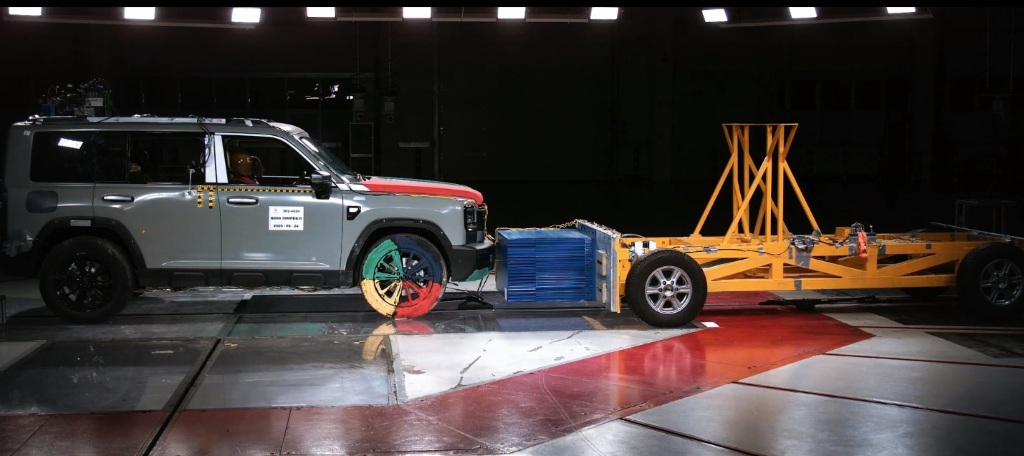
Together, the results demonstrated the all-new Haval H7 PHEV’s performance across three critical stages of collision safety: maintaining structural integrity, protecting occupants during an impact and managing key vehicle systems immediately afterwards.
GWM’s commitment to dedicated crash testing dates back to 2008, when its first safety laboratory commenced operations.
Since then, its capabilities have expanded substantially, culminating in today’s state-of-art facility.
GWM’s safety laboratory is Asia’s largest independent in-house automotive safety testing laboratory with multi-angle crash testing capabilities.
Featuring a self-developed “Five-Zone, Eight-Track” layout, the facility can recreate an extensive range of collision types, impact angles and complex real-world accident scenarios.
Its capabilities include full-vehicle crash testing, restraint-system development, structural safety evaluation, pedestrian protection and integrated active and passive safety validation.
High-speed cameras recording at up to 4,000 frames per second allow engineers to analyse vehicle structural performance, occupant movement, restraint systems and airbag deployment.
Physical crash testing is supported by digital simulation, allowing engineers to recreate thousands of road scenarios and emergency conditions throughout the vehicle development process.
The facility also supports testing and validation against requirements and protocols used across major international markets
The selection of the H7 PHEV for crash test number 4,000 highlights how GWM’s safety development is evolving alongside its expanding electrified vehicle portfolio.
Beyond conventional structural and occupant protection, electrified vehicles require additional consideration of battery and high-voltage systems during and following an impact, demonstrated by the H7 PHEV’s automatic high-voltage isolation during the milestone test.
GWM’s global safety credentials are also reflected in independent testing, with multiple models achieving five-star ratings from organisations including ANCAP in Australia and New Zealand and Euro NCAP in Europe.