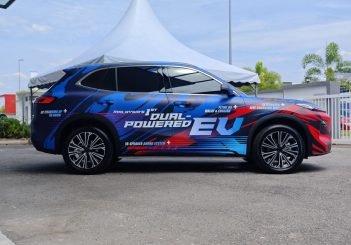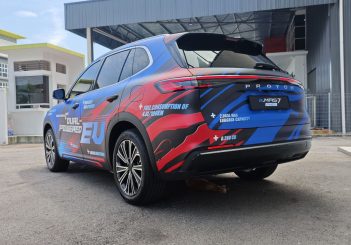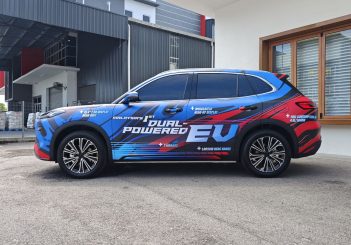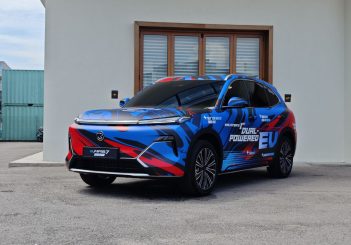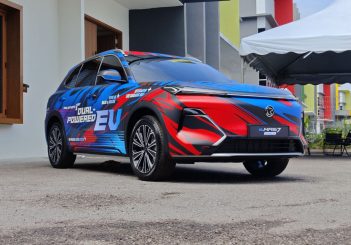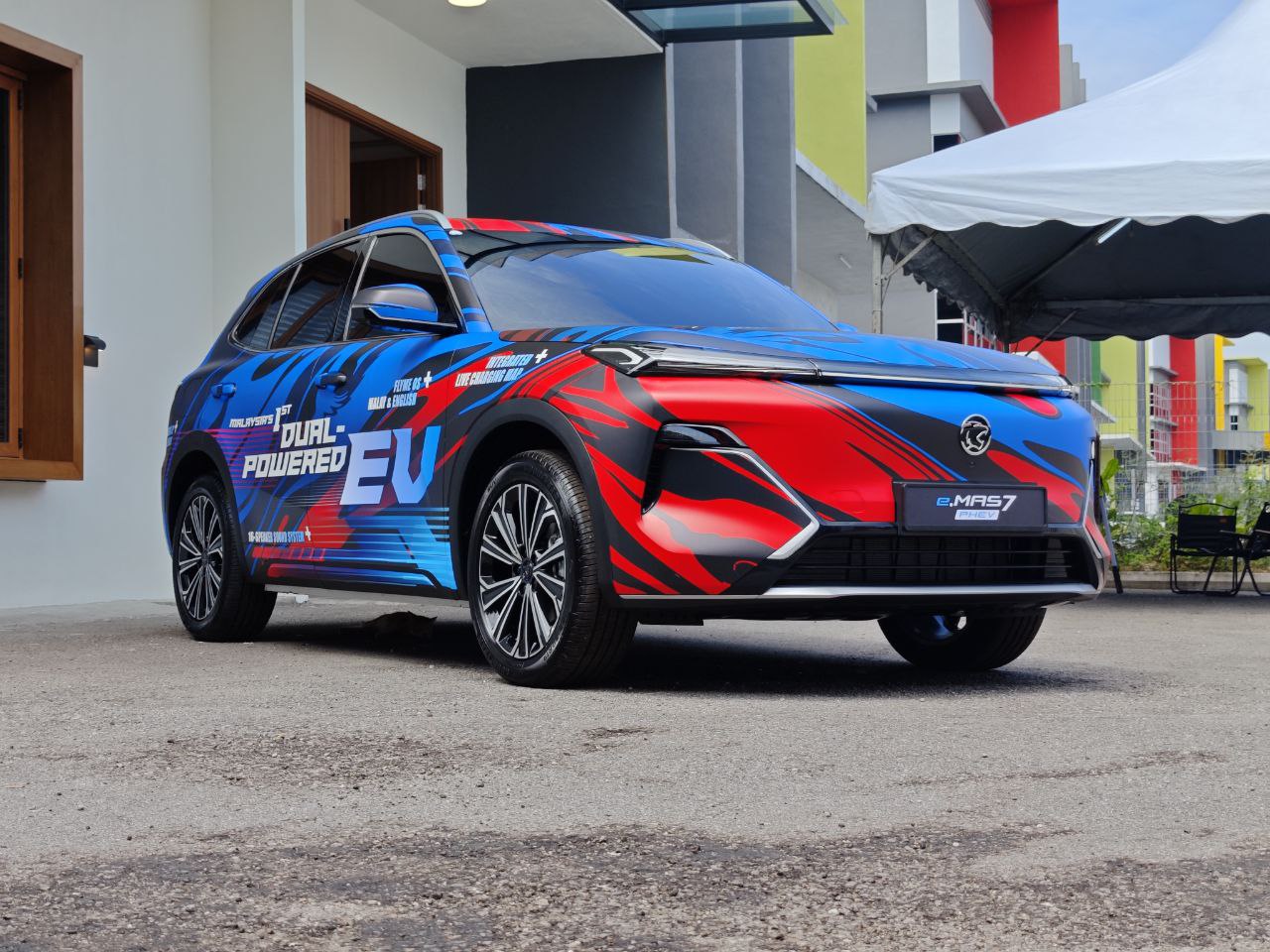
KUALA LUMPUR: Proton has fleshed out the details of its first plug-in hybrid electric vehicle (PHEV) which will be launched sometime soon.
Offered in import (CBU) form first and will later move to local assembly (CKD), the Front Wheel Drive (FWD) e.Mas 7 PHEV is developed on the same Global Modular Architecture (GMA) platform as its battery electric vehicle (BEV) counterpart.
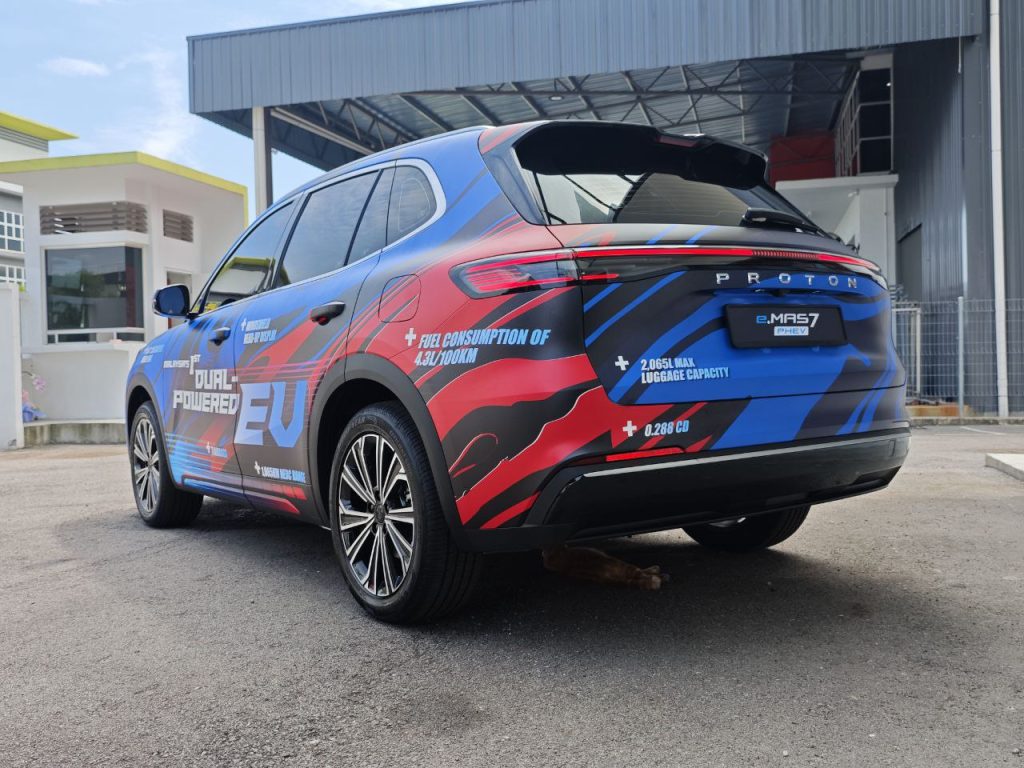
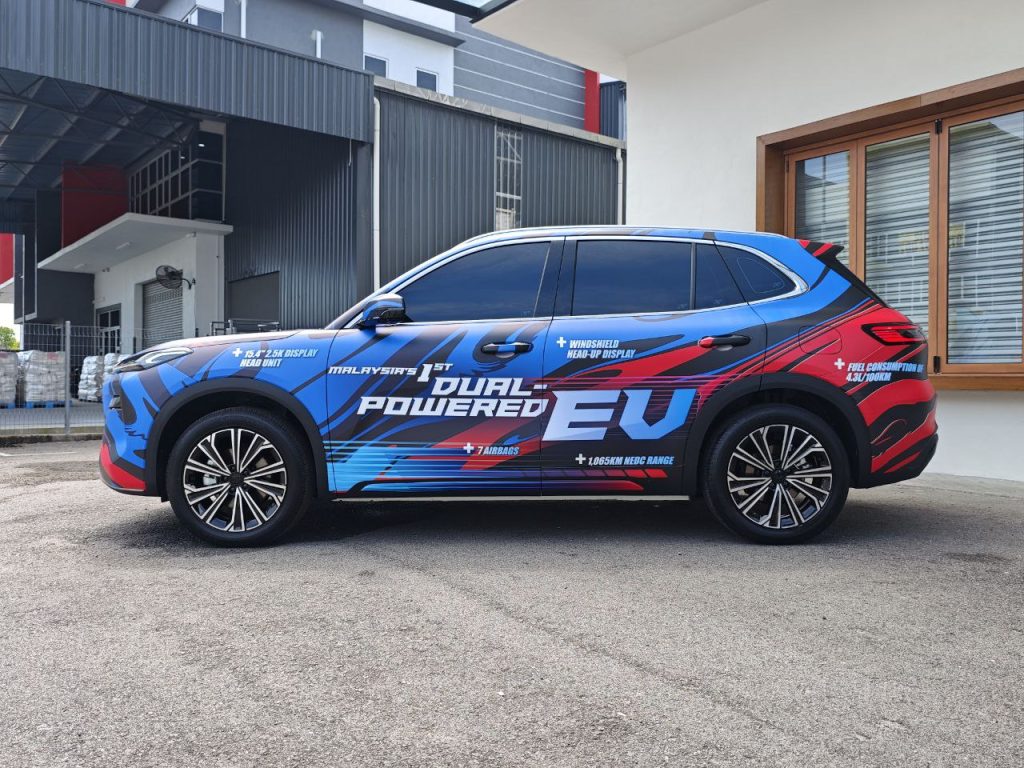
This effectively makes the C-segment five-seater e.Mas 7 sports utility vehicle (SUV) Malaysia's first dual-powered electric vehicle (EV).
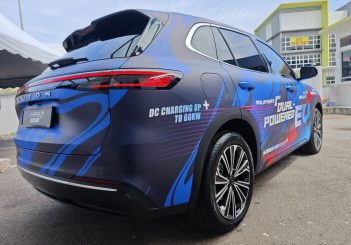
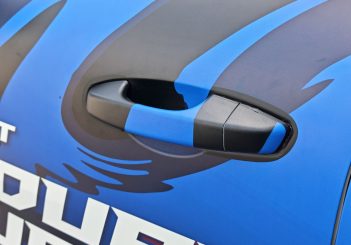
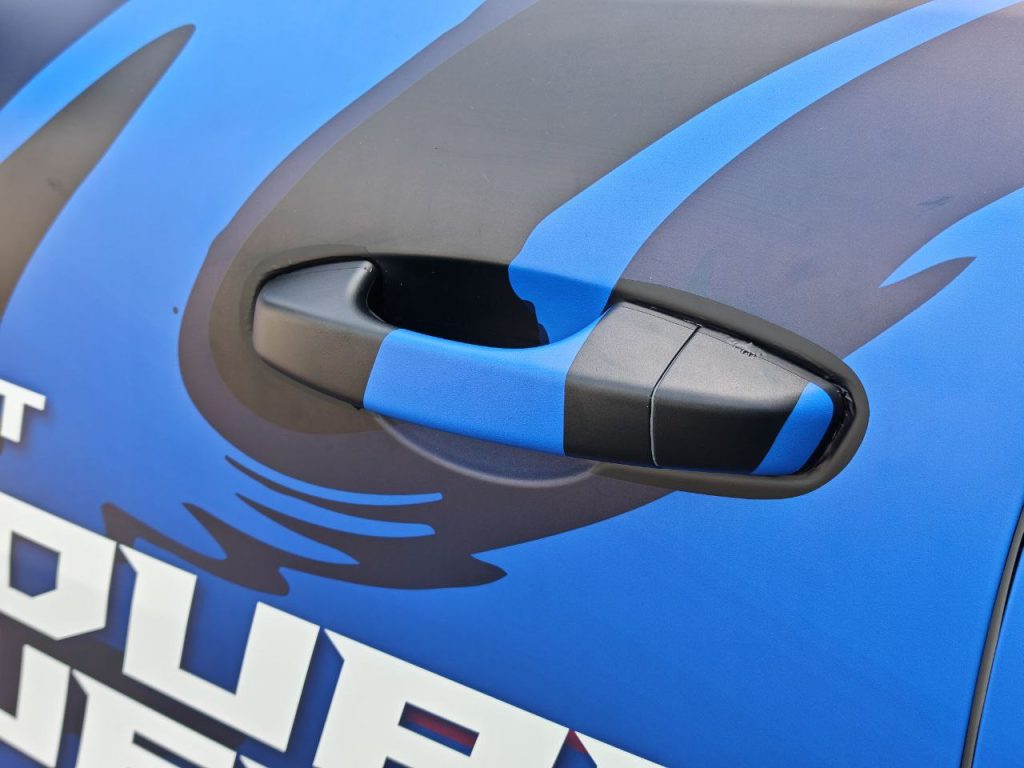
That goes for its exterior design as well with very minor alterations made to the PHEV variant such as its slimmer and lowered front headlamps and non-hidden physical door handles.
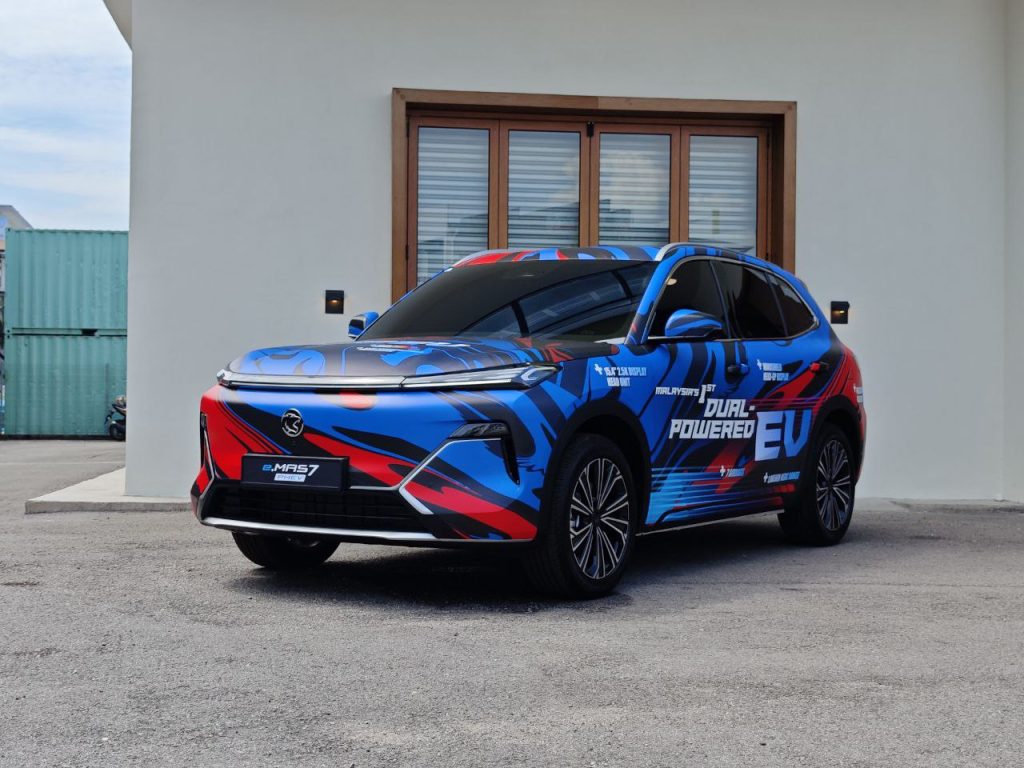
It is available in three variants (Prime, Premium and Premium Plus) and according to Proton, depending on which of them you choose, the e.Mas 7 will come complete with segment defining qualities.
It has at least five exclusive-in-class features in the form of a full-width front LED illuminated bar, fully reclinable front seat, English and Malay voice command and system language, integrated live charging map, and a 16-speaker set with headrest.
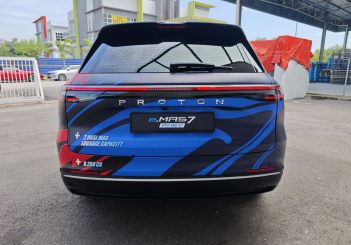
The SUV's best-in-class features includes a 15.4-inch and 2.5K resolution infotainment head unit (IHU) that runs on Flyme OS. more than 1,000km of driving range, fast DC charging, an engine thermal efficiency of 46.5%, a 0.288cd drag coefficient, the Short Blade Battery, a maxiumum luggage capacity up to 2,065 litres (expandable from its 528-litre boot space), a class-leading rear headroom of 73.5mm, and a length and wheelbase of 4,740mm and 2,755mm respectively (its height is 1,685mm while its width is 1,940mm).
A major best-in-class feature of the vehicle is the 1.5-litre 4 cylinder EM-i Dedicated Hybrid Engine (DHE) that is paired to an 11-in-1 Dedicated Hybrid Transmission (DHT).
Standard across all variants, the powertrain delivers a combined maximum power of 193kW and a maximum torque of 262Nm, and a maximum speed of 170kph.
Among the three, the Premium Plus variant comes with a higher, 29.8kWh lithium iron phosphate (LFP) battery while the one in the lower two variants are 18.4kWh.
Their AC charging power is similar at 6.6kW with home charging said to take between 3.1 hours or 4.6 hours to complete charging from 0% to 100%.
Where they diverge are their DC fast charging capabilities with the Premium Plus housing a 60kW battery with a 30%-80% State-of-Charge (SOC) of 16 minutes.
The Prime and Premium on the other hand is 30kW with a SoC of around 20 minutes.
With that Premium Plus also has better range over its siblings with a 170km (NEDC) EV drive range and a total NEDC range of 1,065km - compared to the standard 104km and 1,000km, respectively.
The greater range is traded off for a slightly slower acceleration with the Premium Plus having a 8.2 seconds century sprint compared to the Prime and Premium's 8 seconds.
Fuel consumption also differ though extremely marginal with the top variant with 4.4 litres/100km (NEDC) and the other two at 4.3 litres/100km.
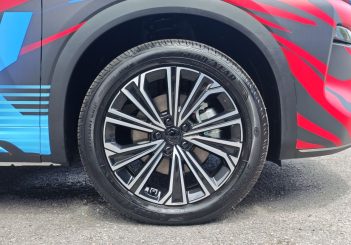
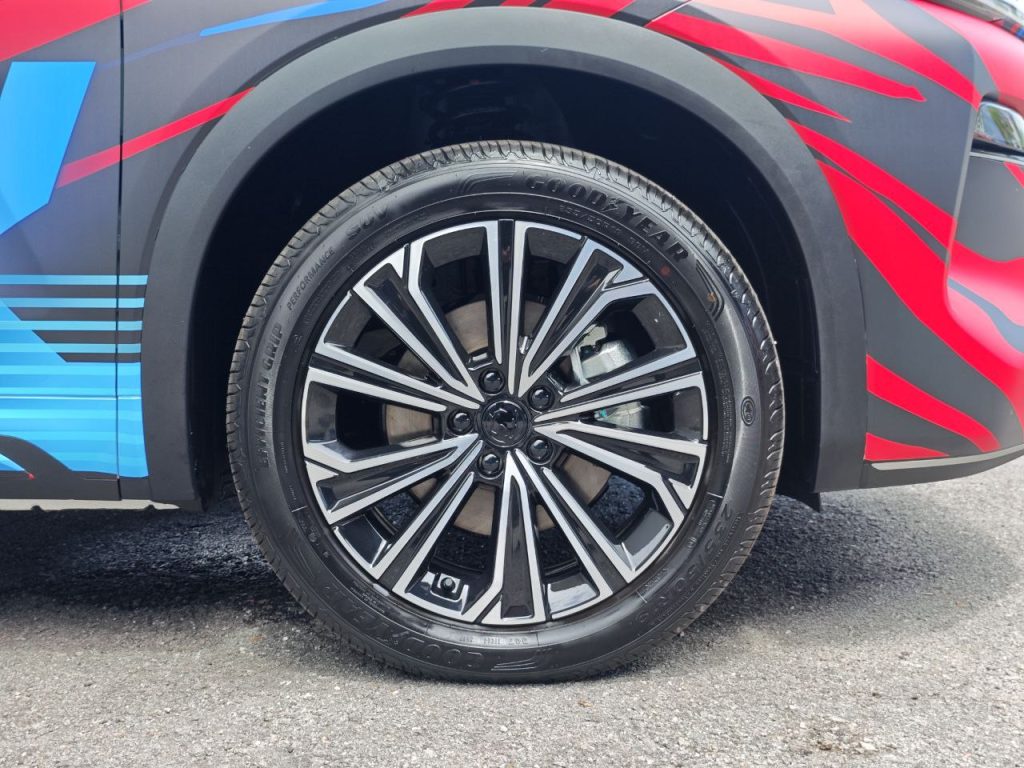
Further elevating the e.Mas 7 PHEV's drive performance is inclusion of a multi-link rear independent suspension, 18-inch alloy wheels, and a class-leading small turning radius of 5.2 metres.
For safety and security the e.Mas 7 PHEV is packed with a total of seven airbags (depending on the variant), Auto Brake Hold, Traction Control System (TCS), Antilock Brake System (ABS), Electronic Brakeforce Distribution (EBD), Brake Assist (BA), Electronic Stability Control (ESC), Active Rollover Protection (ARP), Hill Hold Assist (HHA), Hill Descent Control (HDC), Multi Collision Braking System (PIB), Tire Pressure Monitoring System (TPMS), and Regenerative Braking System.
This is in addition to a host of standard features from its Level Two Advanced Driver Assistance Systems (ADAS): Intelligent Cruise Control (ICC), Adaptive Cruise Control (ACC), Front Collision Warning (FCW), Automatic Emergency Braking (AEB), Emergency Brake Assist (EBA), Lane Departure Warning (LDW), Lane Departure Prevention (LDP), Traffic Sign Recognition (TSR), Emergency Brake Assist (EBA), and Lead Vehicle Departure Alert (LVDA).
While the Prime variant also comes with L2 ADAS it does miss out on a couple of features such as Door Open Warning (DOW), Emergency Lane Keep Assist (ELKA), Rear Collision Warning (RCW), Rear Cross Traffic Alert (RCTA), Rear Cross Traffic Brake (RCTB), Lane Change Safety Warning (LCW), and Blind Spot Detection (BSD).
The Prime variant also doesn't come with Occupant Detection Alert, 360-degree camera with 3D display, and front and rear parking sensors - in their place is a Rear View Camera.
In terms of connectivity the e.Mas 7 PHEV is compatible with Android Auto and Apple Carplay. The Proton e.Mas app can also be used to monitor the vehicle's status, as a remote control, and to scheduled trips and charging.
Price and packages for the e.Mas 7 PHEV is will only be revealed upon launch. The SUV will be available in the existing Obsidian Black and Lithium White colours found on the BEV model.
They will be joined by three new colours of Mercury Silver, Galena Grey, and Azure Blue.