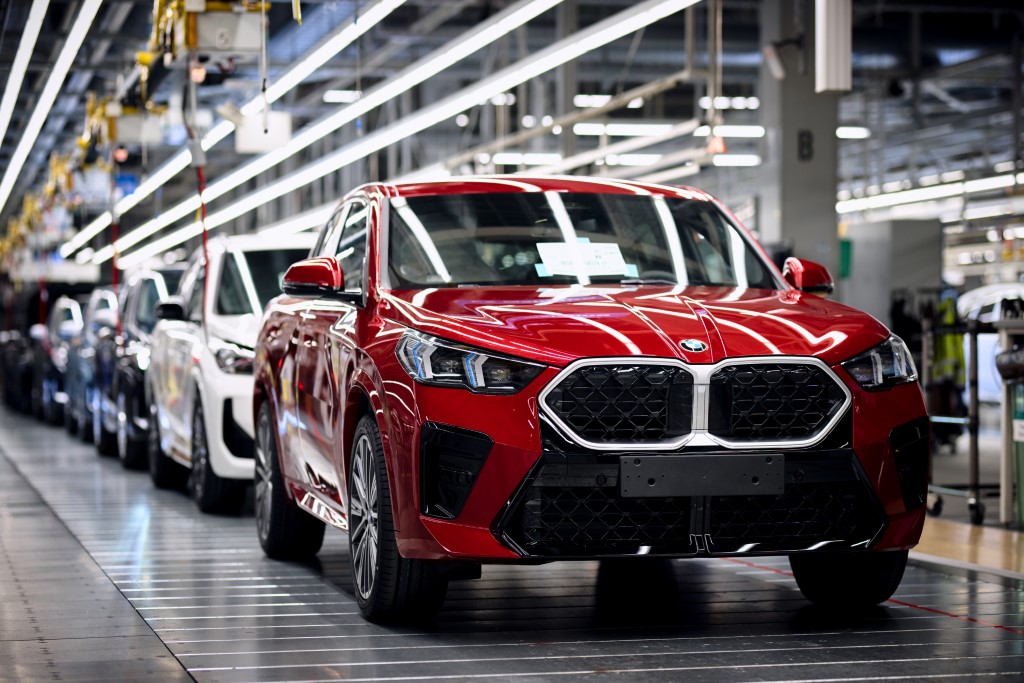
REGENSBURG, Germany: Plant Regensburg achieved a new production record of 356,901 vehicles in 2025, making it the BMW Group’s highest-volume car plant in Europe.
Since the plant opened in 1986, 8.7 million vehicles have rolled off its production line.
“With this record production, we not only reached a new all-time high in the plant’s 40-year history but also – as in the previous year – helped the BMW Group’s German plants build more than one million vehicles again in 2025,” says plant director Armin Ebner.
“For 40 years, the plant has been a central development powerhouse for the eastern Bavarian region.”
More than 150,000 of the vehicles manufactured in Regensburg in 2025 were electrified – that is, either fully-electric vehicles or plug-in hybrids.
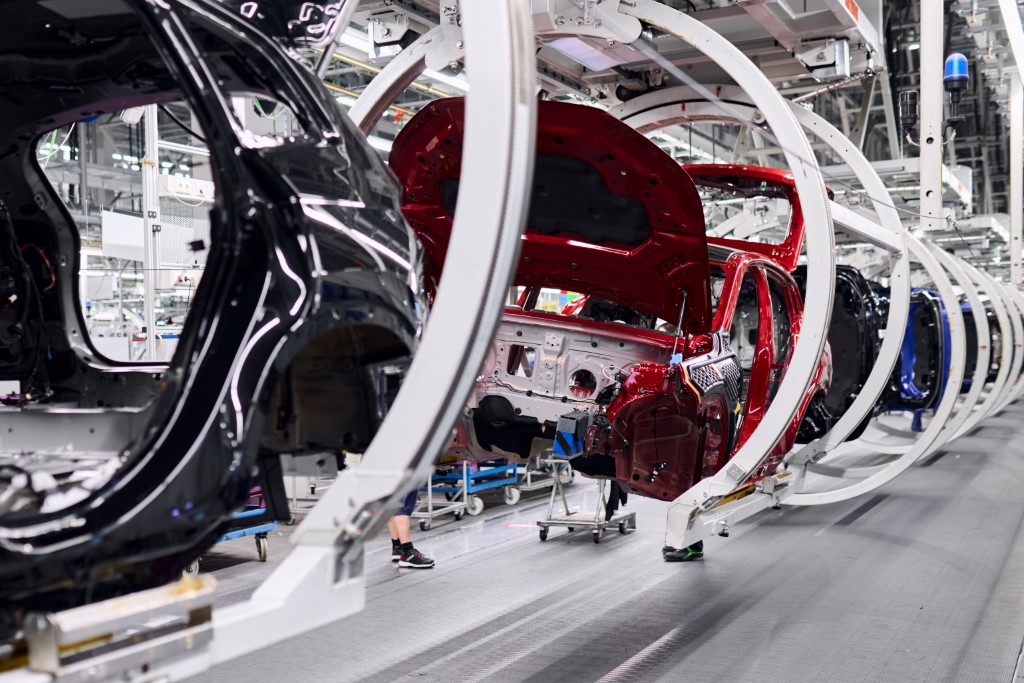
The BMW X1 was the highest-volume model, with over 266,000 vehicles produced, while the BMW X2 accounted for more than 90,000 vehicles.
Over 55,000 vehicles remained in the company’s domestic market of Germany.
More than half of the cars produced in Regensburg in 2025 went to customers in other European countries. More than 100,000 vehicles were shipped overseas.
By implementing efficiency measures within its production system, BMW Group Plant Regensburg has lowered costs by more than a quarter since 2019.
“Digitalisation is an important lever for this,” says Ebner.
Examples include the use of artificial intelligence in automated surface processing in the paint shop and for quality controls during vehicle assembly, or a cloud-based traffic control system for supplying parts.
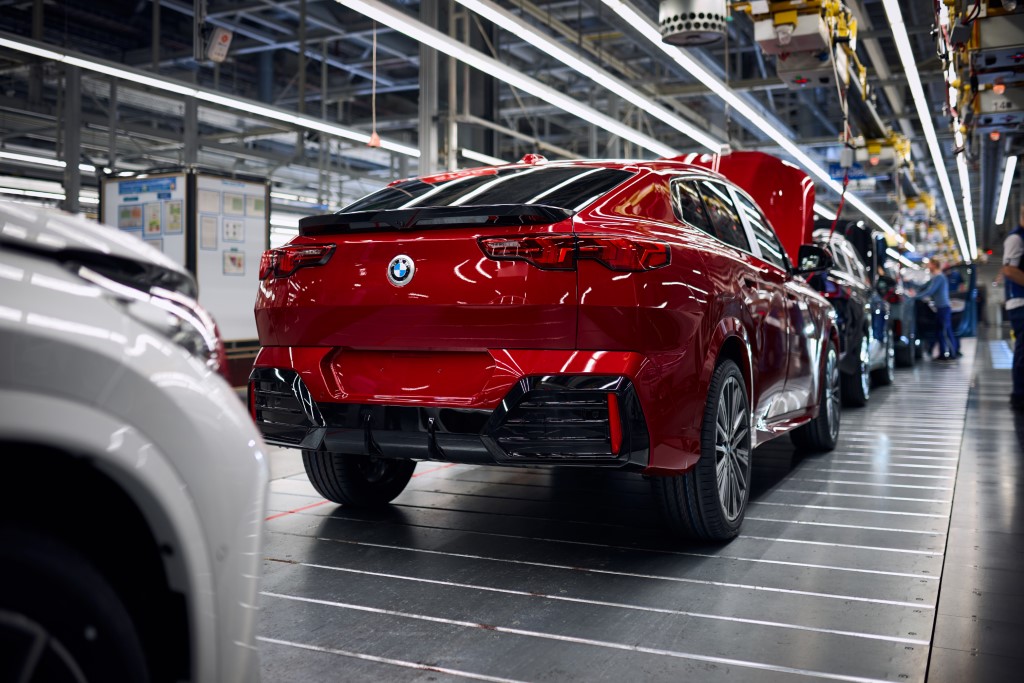
Since early 2025, new vehicles have also been able to navigate autonomously, without a driver, from the assembly line to the loading area.
Ebner is optimistic about the plant’s anniversary year: “With our attractive BMW X1 and BMW X2 models, we are producing exactly what our customers want, while continuing to operate three shifts around the clock.”
Every 57 seconds, a new vehicle rolls off the assembly line.
This currently adds up to more than 1,400 vehicles per workday, which are then delivered to customers around the world.
Different types of drive train are flexibly manufactured on a single production line – from models with internal combustion engines to plug-in hybrids and fully-electric vehicles.