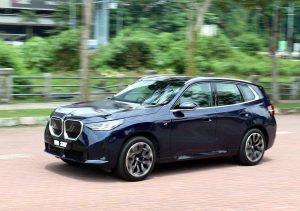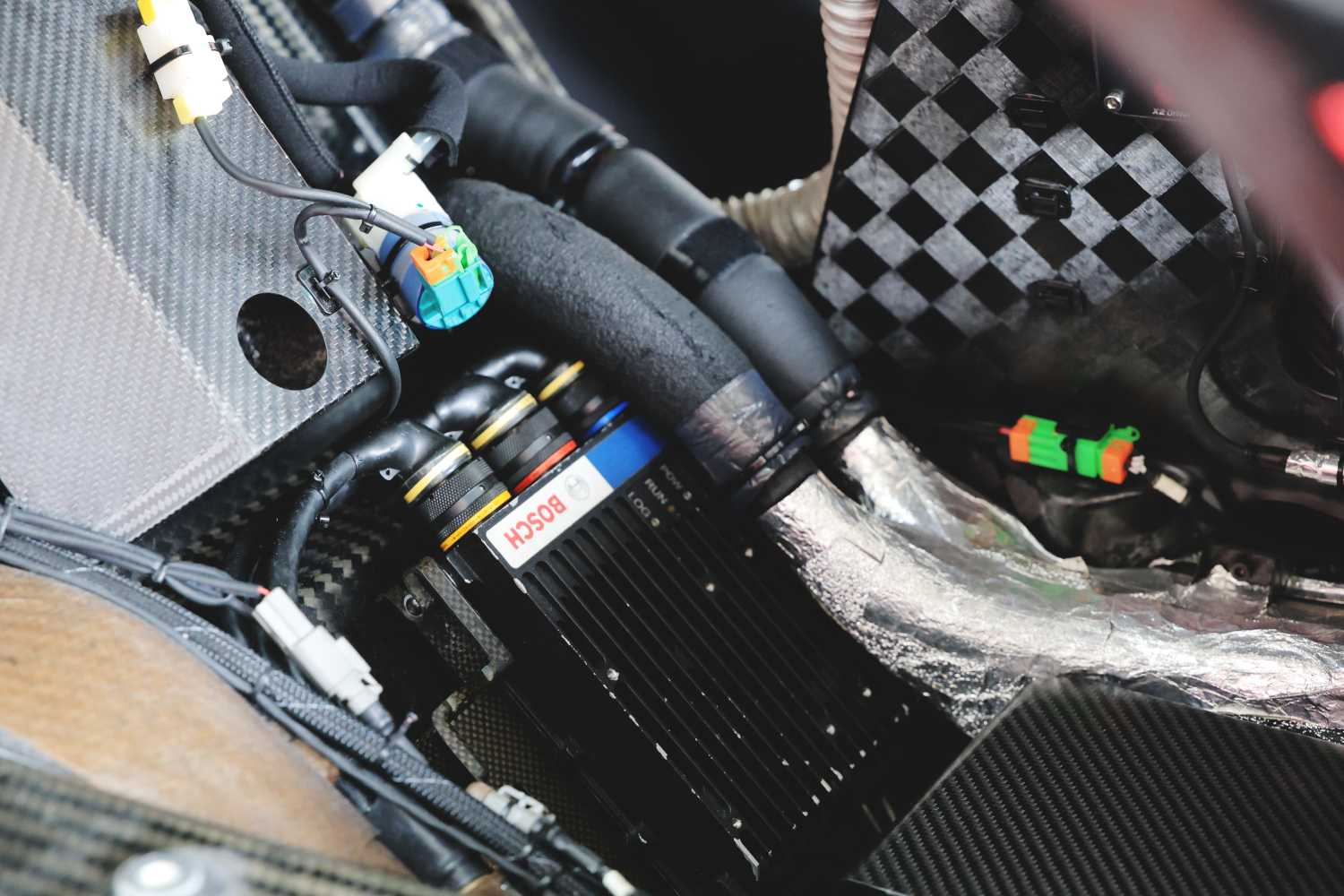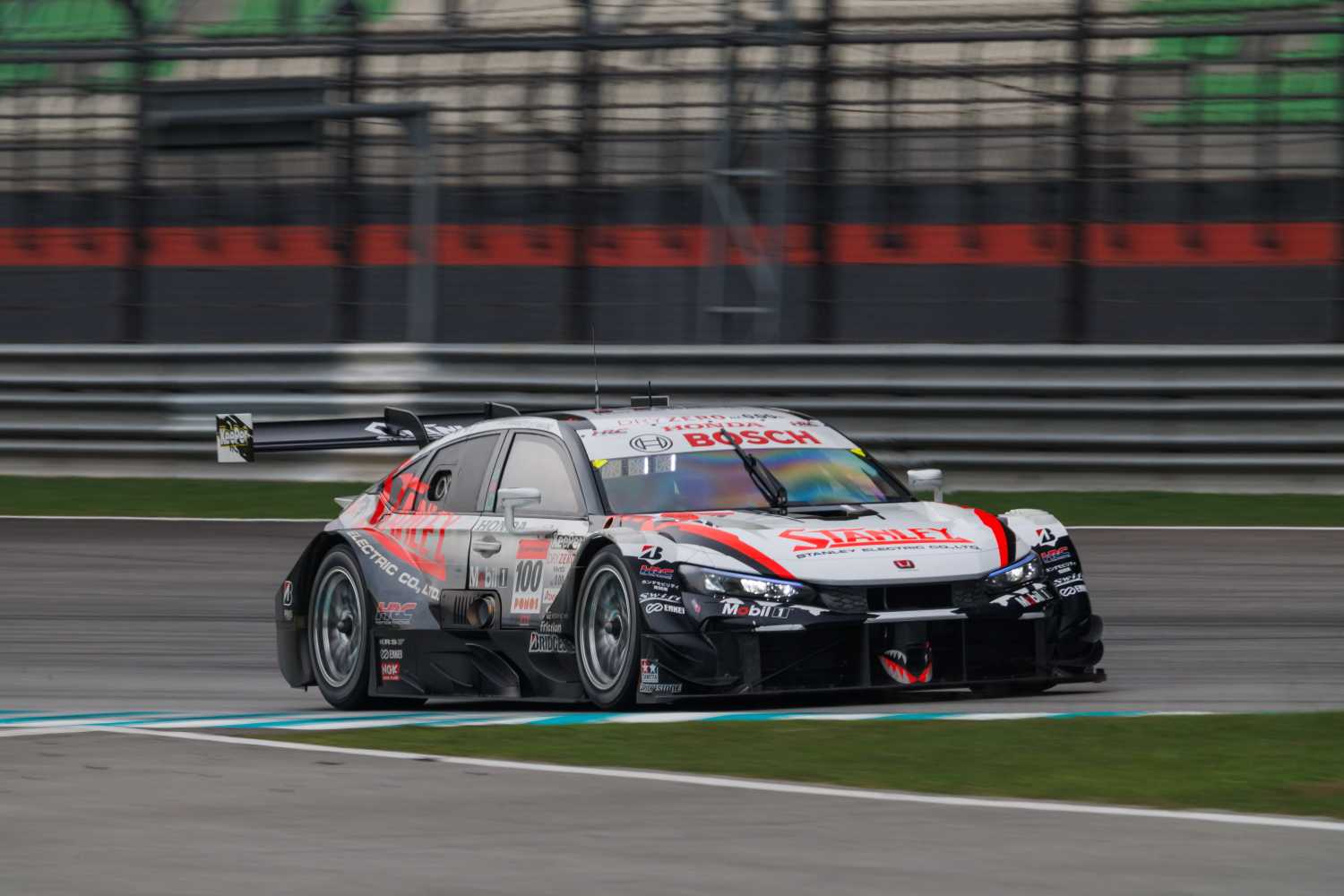
BOSCH Engineering Group is setting its sights on Malaysia as the launchpad for its expansion into Asean.
This will help to bring advanced technology, motorsport-DNA and German engineering precision to a region rapidly transforming its automotive landscape.
Operating under Bosch Mobility, the engineering arm is well-known for its work with high-performance vehicles and niche automotive projects.
Now, it plans to play a key role in electrification, hydrogen technology, automation and software-defined vehicles.
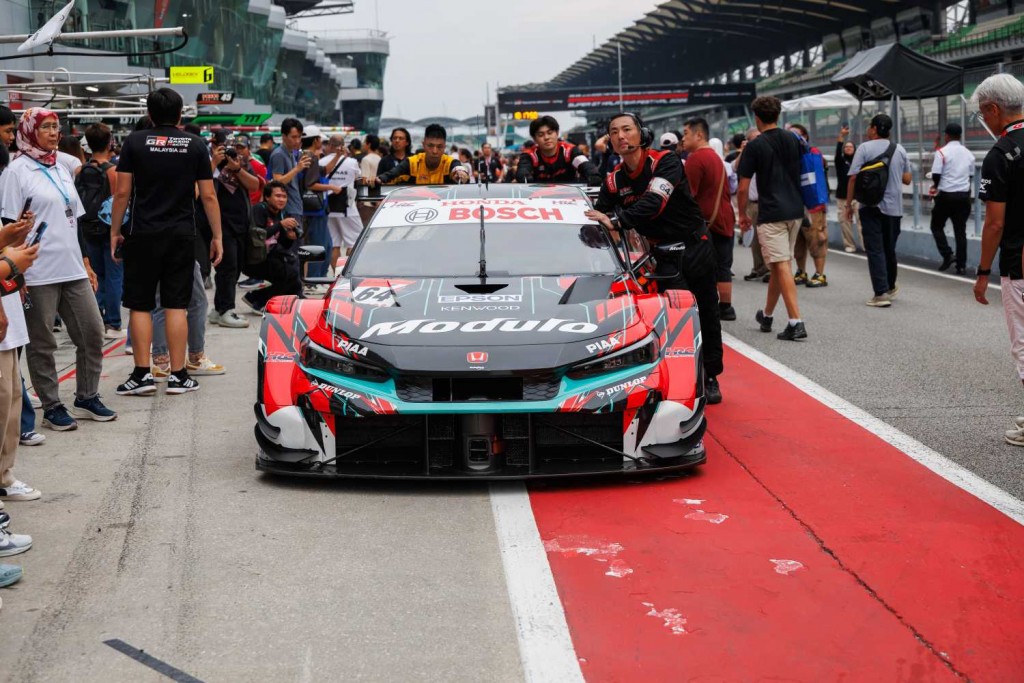
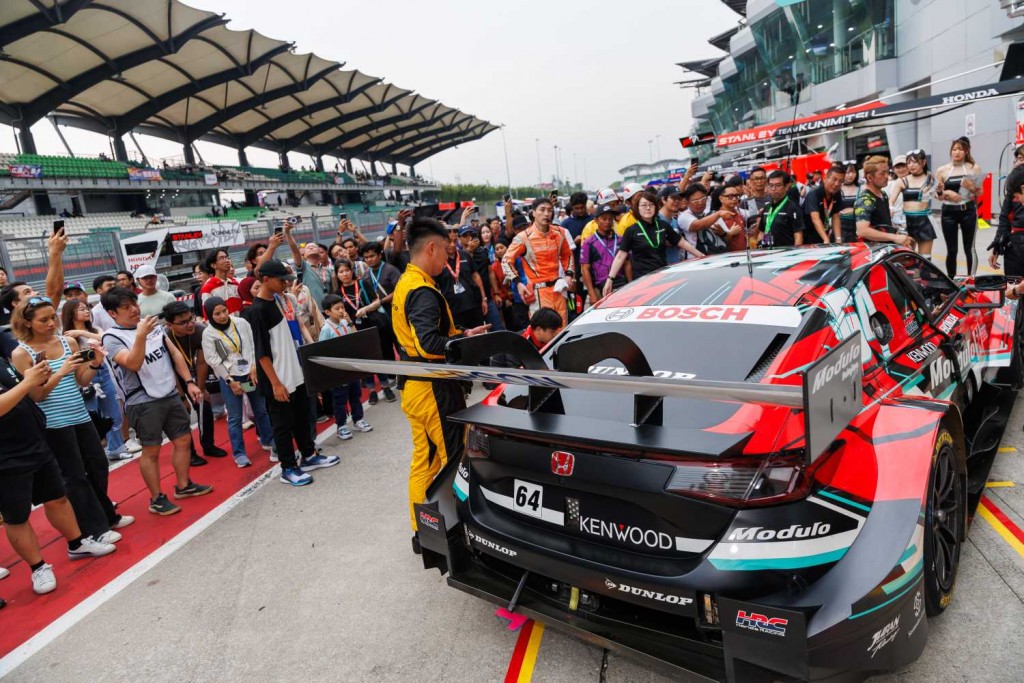
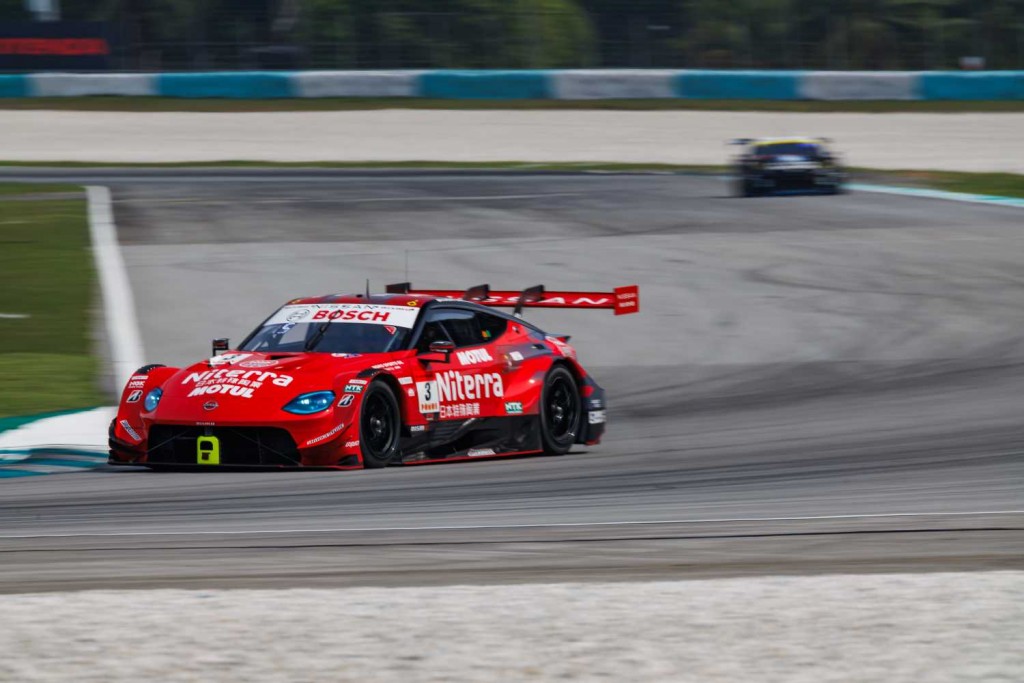
“We’ve only just scratched the surface,” said John Plackmann, managing director of Bosch Engineering Japan, during the recent Super GT race at Sepang International Circuit, where Bosch served as a series sponsor.
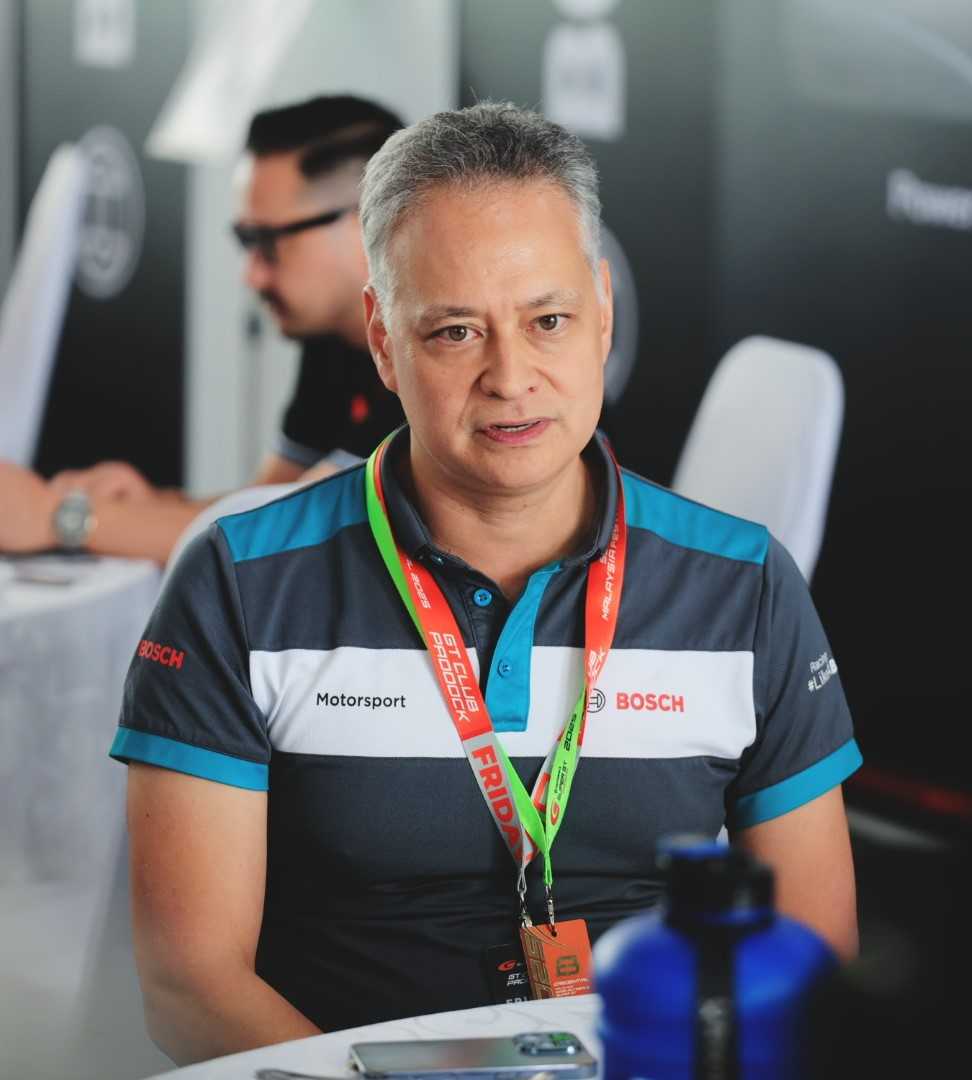
Plackmann.
The Super GT race marked a return to Malaysia after a 12-year hiatus as the third round of the 2025 season.
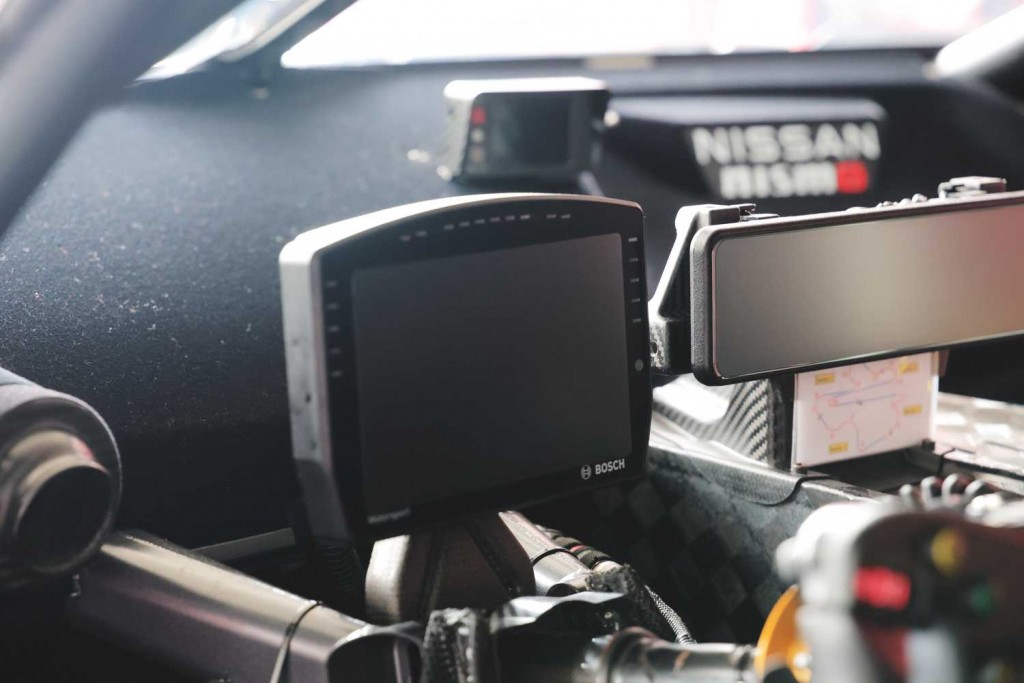
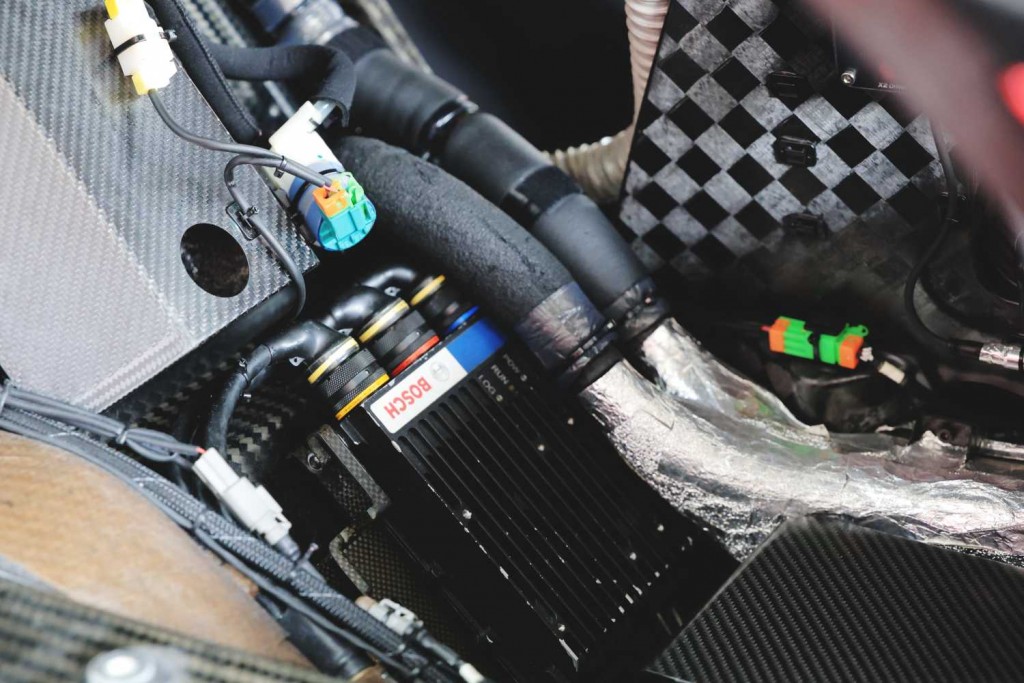
For Bosch, motorsport is more than sponsorship – it’s a proving ground for cutting-edge innovation.
“Motorsport represents the pinnacle of automotive engineering. These components must survive the harshest conditions,” Plackmann explained, as technologies tested on the track often make their way into road cars.
“From braking systems to calibration and powertrain management, our work in motorsport helps shape series-production vehicles.
"We even collaborate with brands like Ferrari and Lamborghini to achieve record lap times at Nurburgring,” he said.
Beyond consulting, Bosch Engineering provides full-service solutions – from system design and architecture to powertrain calibration, active safety and battery management.
Currently, Bosch Engineering employs about 3,000 engineers worldwide, including 60 in Japan.
Malaysia’s operation will start small, but will be backed by global resources.
“We have backend support from Vietnam and India, and specialised expertise in China for Advanced Driver Assist Systems (ADAS) and automated driving.
“From Germany, we bring advanced automation know-how, and our motorsport division in North America works on innovations like Race Connect,” Plackmann said.
After a year of evaluation, Malaysia was chosen for its robust automotive ecosystem.
“This market has strong competence with Proton and Perodua, as well as a vibrant environment full of young talent and returning engineers eager to innovate,” Plackmann said.
The country’s hydrogen agenda and electric vehicle (EV) development also played a role.
“We see major opportunities in hydrogen engines, green energy and electrification,” he added, noting that Bosch is already in talks with OEMs in Malaysia, Thailand, and Indonesia.
Plackmann stressed that the days of simple badge engineering are over.
“Companies are looking into cybersecurity, functional safety and new EV platforms. These are areas where we can provide strong engineering support,” he said.
Discussions are also underway in Thailand for battery electric projects, while Indonesia shows interest in niche automotive solutions.
Bosch Engineering is active in multiple sectors beyond passenger cars, including rail and public transportation.
“We’ve developed rail collision-warning systems using radar for more than 15 years, already in use in Europe, and now under discussion in Japan and Asean,” Plackmann revealed.
The company is also pushing automation and AI-driven systems for public transport and heavy equipment.
“We’ve worked on automated bulldozers in Japan and are exploring how that expertise can be adapted for infrastructure projects here,” he said.
In green mobility, Bosch has brought fuel-cell systems into production outside Asean and is getting inquiries on hydrogen engine conversions.
“Depending on scope, a full development programme takes two to three years, but we can engage at any stage – from early architecture design to calibration and final validation,” Plackmann said.
Mecker.
The future, however, lies in software-defined vehicles (SDVs), which allow cars to receive updates like smartphones and help to extend their life cycles.
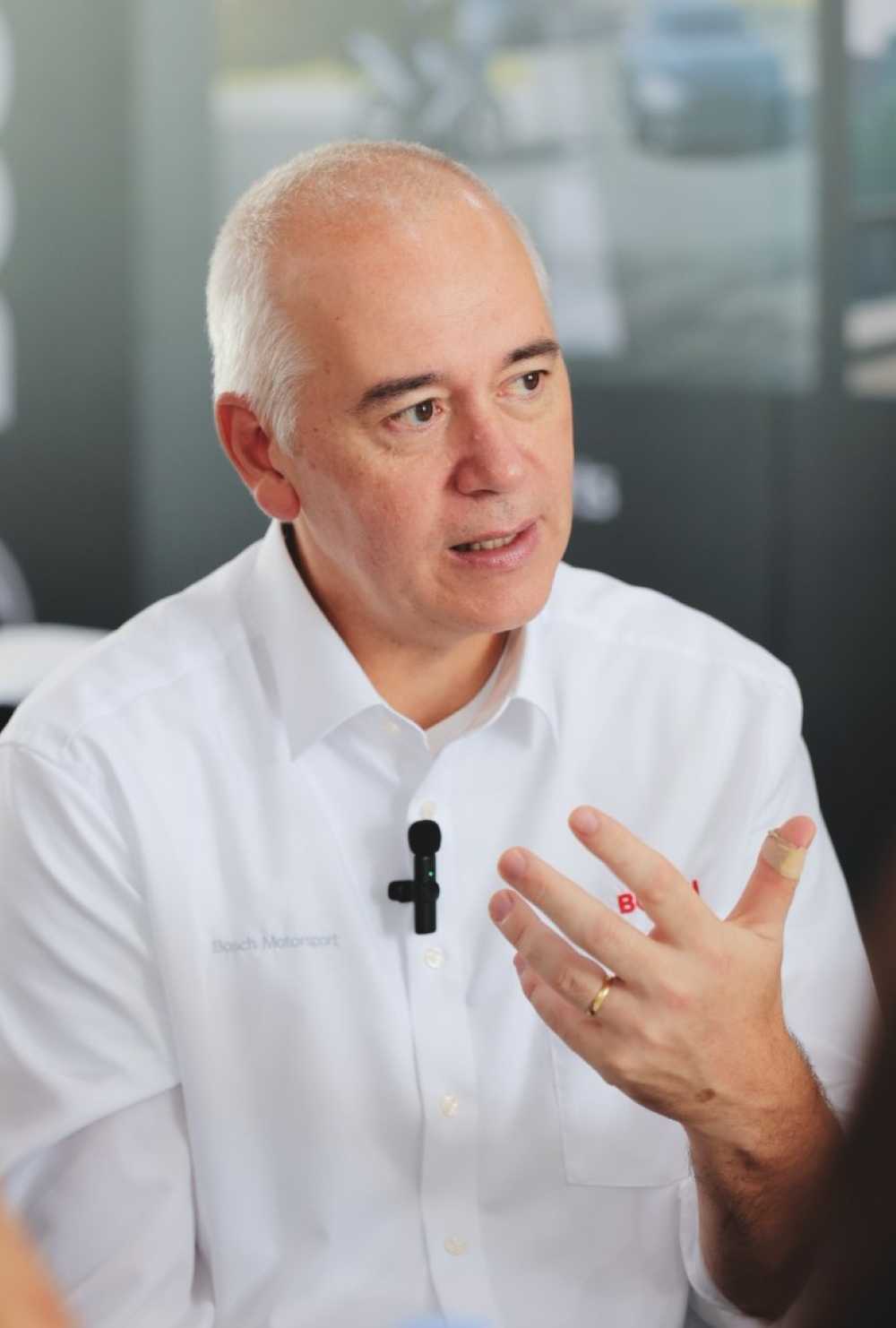
“This requires a new electrical architecture with centralised computing,” said Bosch Mobility South & East Asia president Christian Mecker.
“It’s not just about getting from A to B any more because cars are becoming an experience,” he explained.
Bosch already has a major presence in Malaysia, with three plants in Penang employing 3,400 people out of its 4,000-strong workforce.
These facilities produce sophisticated automotive electronics, navigation systems and handle semiconductor packaging.
Malaysia could also become a production hub for complex automotive electronics as Bosch helps Original Equipment Manufacturers (OEMs) localise supply chains.
“Once a customer decides to localise, they start thinking about which products to source locally,” Mecker said.
The influx of Chinese automakers into Asean is changing the game and is admitted by Mecker as “both a blessing and a challenge”.
“Chinese brands are fast and bold, while Asean remains a smaller market, so it’s hard to predict who will succeed,” explained Mecker, who also praised Malaysia for its focus on affordability.
“You (Malaysians) still know what affordable means, and some luxury-focused brands could learn from this approach,” he quipped.
Mecker noted a fundamental industry shift, stating that 15 years ago, horsepower was everything, whereas today, the size of the (touch)screen matters more.
He cited Chinese consumers, especially younger first-time buyers, as a key driver of this change.
“Many look at what a car can do, not what’s under the hood,” he said, which happens to force companies to seek out new partnerships.
“No one can do it alone anymore. We need to collaborate with tech players like Google and Microsoft. It makes things complex, but also opens tremendous opportunities,” Mecker said.
While automotive accounts for over 60% of Bosch’s business, the company is diversifying into other sectors, including air-conditioning systems, after acquiring Johnson Controls and Hitachi.
“Relying on one industry is risky.
“During the pandemic, automotive slowed down, but home appliances and power tools boomed,” Mecker said.
Plackmann hopes to see Bosch Engineering’s Malaysian team grow within a year.
“We’re just starting, but the potential here is huge,” he said, adding that Asean also offers an exciting mix of ambition and opportunity.
“There’s energy here – young talent, returning engineers, and a desire to build something new. We want to be part of that,” said Plackmann.
As electrification, automation and digitalisation accelerate, Bosch’s strategy will now look to combine German engineering, global resources and motorsport innovation to help shape the future of mobility in Asean.