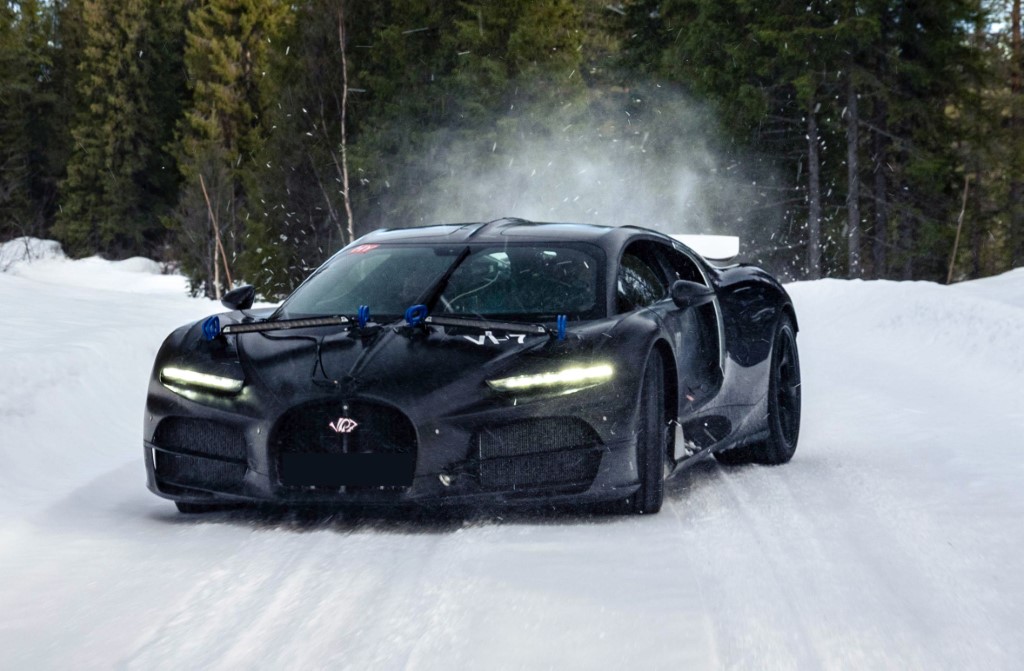
STOCKHOLM: At the Colmis Proving Ground in Arjeplog, a landscape of ice, snow and extreme cold becomes the test site for a new generation of Bugatti hypercar.
In the latest episode of the ‘A New Era’ docuseries, Bugatti journeys to the frozen expanses of northern Sweden, where the Tourbillon validation prototypes are immersed in one of the most exacting environments in automotive development.
The Tourbillon has been conceived to define a new era for Bugatti; with an all-new platform, a naturally aspirated V16 engine, three electric motors and a hybrid powertrain producing 1,800hp.
In Sweden, in the stark frozen beauty of Arjeplog, the pursuit of performance takes the form of a pursuit of control.
Grip is reduced to its most fragile state; polished ice, packed snow, slush and asphalt present constantly changing surfaces, each one revealing a different layer of the car’s behavior.
"Of course, hypercars are not really intended to be driven on snow and ice, but we do cover this quite extensively. Simply because it’s of paramount importance, to both our customers and the teams developing the car, that the Tourbillon works extremely well in all weather conditions. After all, if its capabilities are comparable to other cars, it’s no longer a Bugatti," said Bugatti Rimac chief development driver Miroslav Zrnčević.
The work in Arjeplog focuses on low-MU conditions – where the coefficient of grip is dramatically reduced.
In such an environment, the task is to ensure that the Tourbillon’s immense performance remains accessible, intuitive and faithful to the driver’s inputs.
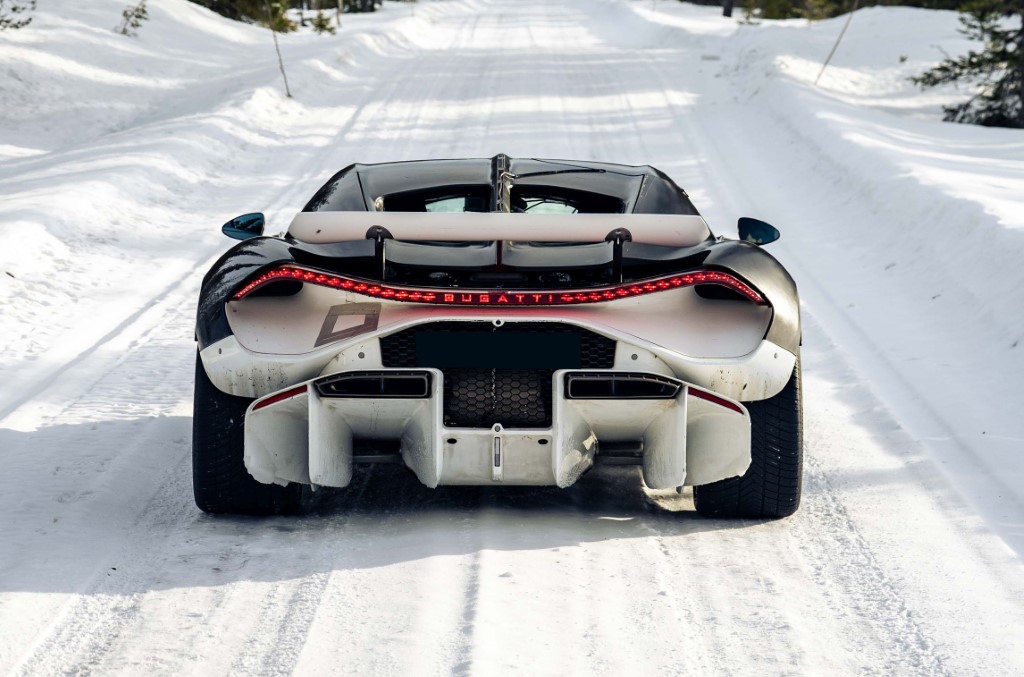
With 1,800p available from its hybrid V16 powertrain, that requires the integration of all-wheel-drive torque distribution, traction control, braking systems and electronic stability control.
Across four weeks of winter validation, the team adapts continuously to the conditions.
During the first part of the programme, temperatures reach -30°C, before warmer weather alters the surface profile and introduces new challenges.
With the narrowing window for true winter testing upon them, the team extends its work into night sessions, using every hour and every surface to gather data and refine the car.
The programme encompasses the full breadth of systems that guide the Tourbillon’s behavior in low-temperature conditions.
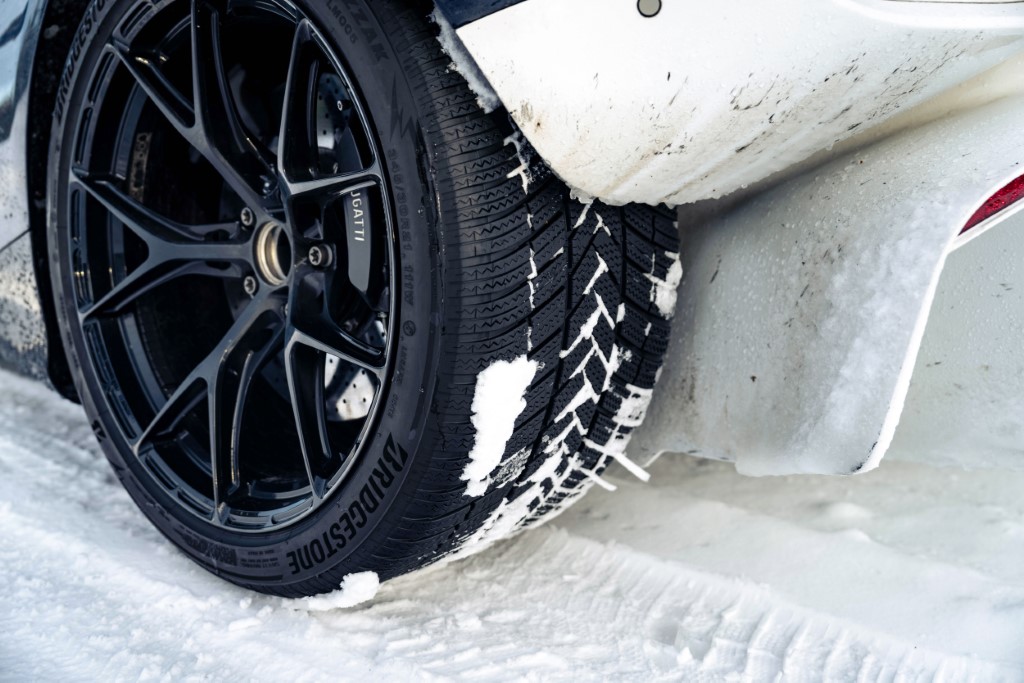
Climate control is evaluated through both objective, empirical measurement and the subjective perception of comfort among those inside the cabin.
Windscreen defogging, cabin warmth and usability in extreme cold are all assessed in the real environment, for which they must be ready.
The work then moves to the braking system, one of the most complex areas of the Tourbillon’s hybrid architecture.
Through this meticulous assessment, Bugatti’s test-drivers determine the effectiveness of the relationship between regenerative braking from the electric powertrains and the hydraulic foundation brakes – all through a fastidiously engineered brake-by-wire system.
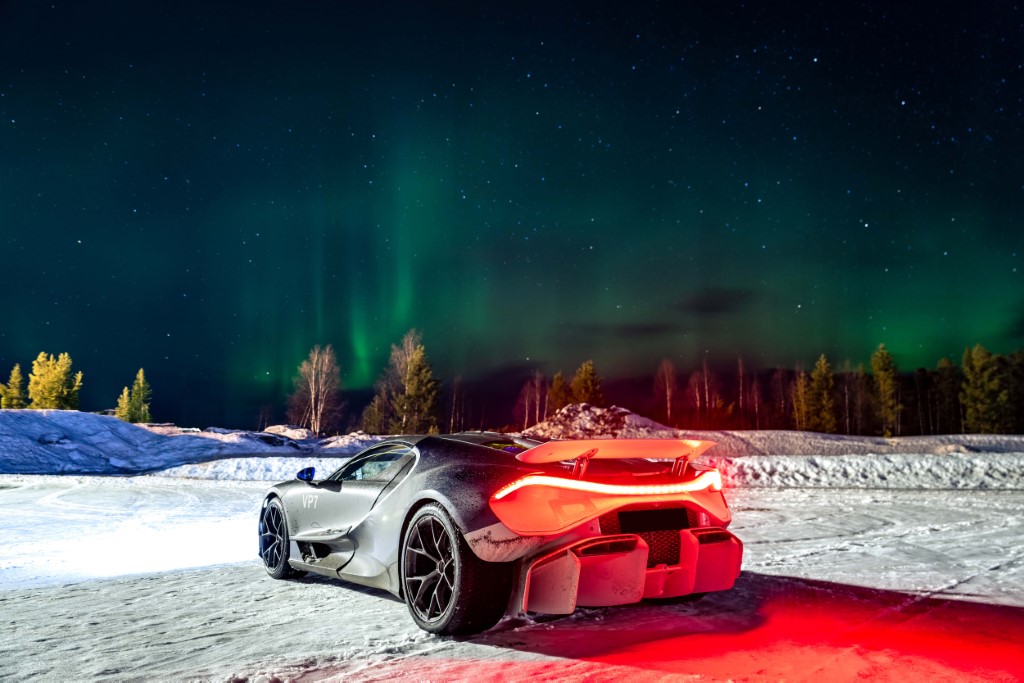
ABS and ESC calibration form the next layer of analysis for the marque’s test-driving talent.
Braking takes place on polished ice, packed snow, slush and asphalt, as well as through MU-jumps – moments where the validation prototype transitions from one level of grip to another in a single event.
The car may begin braking on dry or heated asphalt before continuing onto polished ice, forcing its systems to recognize and respond to the sudden change in adhesion.
"In this scenario, what we look for in the system is its ability to fight and master various kinds of conditions, so in essence different types of grip on the tyre," said Zrnčević.