HONG KONG: CaoCao Inc has announced plans to deploy 100,000 fully purpose-built robotaxis by 2030 and to launch large-scale commercial operations worldwide.
CaoCao is Geely Holding Group’s primary commercial platform for Robotaxi operations.
CaoCao said the company has spent the past decade cultivating the shared mobility market, accumulating vast volumes of trip data, developing mature dispatch algorithms, and building a nationwide service network, all of which provide a solid foundation for Robotaxi commercialisation.
In addition, by owning and operating the largest custom fleet of its kind in China, CaoCao has gained valuable experience in large-scale fleet operations and efficient asset management, directly applicable to the robotaxi era.
CaoCao’s Robotaxi 2.0 phase is currently undergoing pilot operations.
The company is focused on improving the automated management of large-scale fleets, with plans to launch the "CaoCao Intelligent Mobility RAS" platform and fully implement an intelligent asset management system.
This will further integrate its operational strengths with smart cockpit and autonomous driving technologies.
As part of its Robotaxi 2.0 phase, CaoCao aims to transition from operations with safety drivers to fully driverless service, while also exploring mixed fleets that combine human-driven and autonomous vehicles.
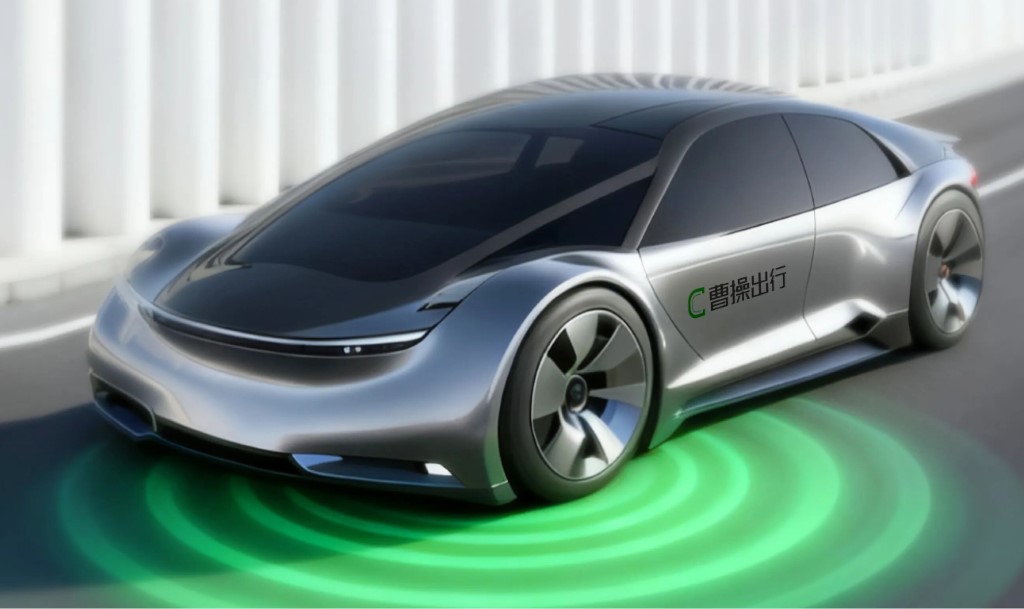
In parallel, CaoCao is working with Geely and other partners to develop a fully purpose-built robotaxi model pre-equipped with proprietary autonomous driving components and related applications.
The vehicle is set to debut this year, and the company aims to deploy 100,000 of these vehicles by 2030.
Geely’s Green Intelligent Mobility Hub serves as the physical embodiment of the group’s “green and intelligent mobility ecosystem” vision and is expected to become a key node in a three-dimensional mobility network that links transportation, energy and data.
CaoCao has developed a replicable standard for building such hubs and intends to roll them out alongside the expansion of its robotaxi business.
The hubs are intended to provide full-scenario automated operational support for fully custom vehicles and, together with partners, underpin an integrated “space-air-ground integrated” mobility ecosystem.