BEIJING: China has adjusted its cash-for-clunkers program that could impact lower-priced brands such as BYD Co, potentially reducing the boost to new car sales next year.
Customers buying a qualifying new energy vehicle, which includes electric cars and hybrids, can receive a 12% rebate - up to a maximum 20,000 yuan (US$2,850 or RM11,571) - if they scrap an older petrol vehicle or EV registered before 2019 at a government-approved junkyard, agencies including the nation's top economic planner said late Tuesday.
People trading-in an older car for a more fuel-efficient petrol vehicle or upgrading to a newer EV would get a rebate of between 6%-10%, up to a maximum of 15,000 yuan (RM8,702), according to a document issued by the Ministry of Commerce.
To receive the maximum 20,000 yuan subsidy, a new car would need to cost at least 166,700 yuan (US$23,870 or RM96,936).
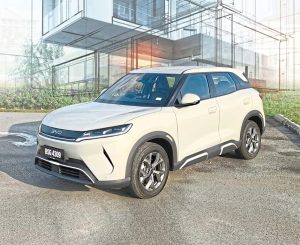
That could encourage consumers to buy more expensive models but negatively impact mass-market manufacturers such as BYD, Zhejiang Leapmotor Technology Ltd and Geely Automobile Holdings Ltd.
BYD had an average sale price of 107,000 yuan (RM62,075) in November, according to data provider China Auto Market.
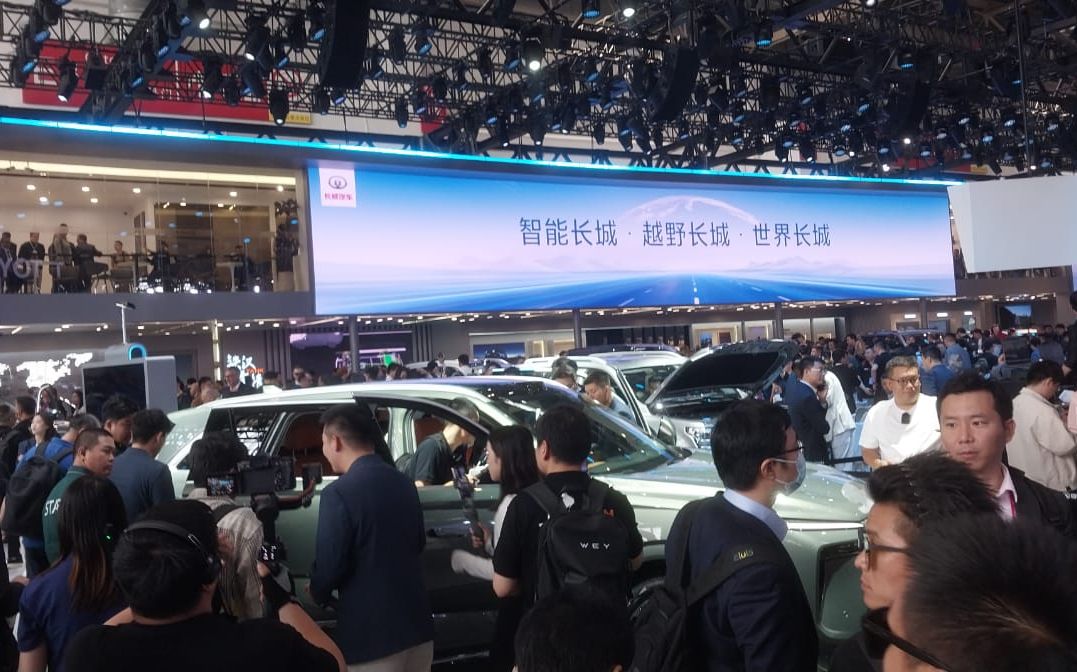
BYD and Leapmotor shares fell more than 2% in Hong Kong trading on Wednesday, while Great Wall Motor Co and Xpeng Inc climbed more than 3% before trimming advances.
Even though the extension of trade-in subsidies is welcome news to the auto industry, the new conditions lend uncertainty to how much the program will underpin demand in 2026.
An earlier-than-anticipated withdrawal of the trade-in program in some parts of the country this year hit auto sales, leading to an 8% drop in November during what is usually a peak time for demand.
Combined with the gradual phasing out of a tax break on EV purchases starting next year, the move adds further challenges to an industry already struggling with overcapacity and a long-running price war.
Given vehicles priced below 200,000 yuan (RM116,028) account for more than 60% of new car sales, reducing the rebate on lower priced cars while keeping it the same for mid-to-high-end vehicles, may still be negative on total volume boost, Paul Gong, UBS AG's head of China Autos research wrote in a note.
Deutsche Bank AG analyst Bin Wang forecasts a 5% year-on-year decline in China's passenger vehicle wholesales volume next year, in part due to the reduction of favorable government policies.
"The revised 2026 vehicle trade-in subsidy programs will reduce support for mid-to-low-priced vehicles under 150,000 yuan (RM87,021), a shift from 2025 policies that offered uniform subsidy amounts," the analysts wrote in a note.
"Essentially, the lower a vehicle's selling price, the greater the reduction in the per-vehicle trade-in subsidy amount due to higher subsidy-reduction-to-vehicle-price ratios."
For instance, someone buying a BYD Seagull compact hatch at the starting price of 69,800 yuan (RM40,494) and scrapping an old car would have received a 20,000 yuan (RM11,571) rebate in 2025.
Under the new rules, they would only get around 8,400 yuan (RM4,873).
The changes could also help prevent fraud. Some dealers were able to purchase cheap EVs in bulk then off-load them as "zero-mileage" used cars - essentially new vehicles that haven't been driven but were previously registered - in order to claim the subsidies.
This was one of the reasons that led to the program ending early in parts of China this year due to funds running out faster than budgeted.