Driving view gets worse in new models, says US survey
By DPA | 10 July 2025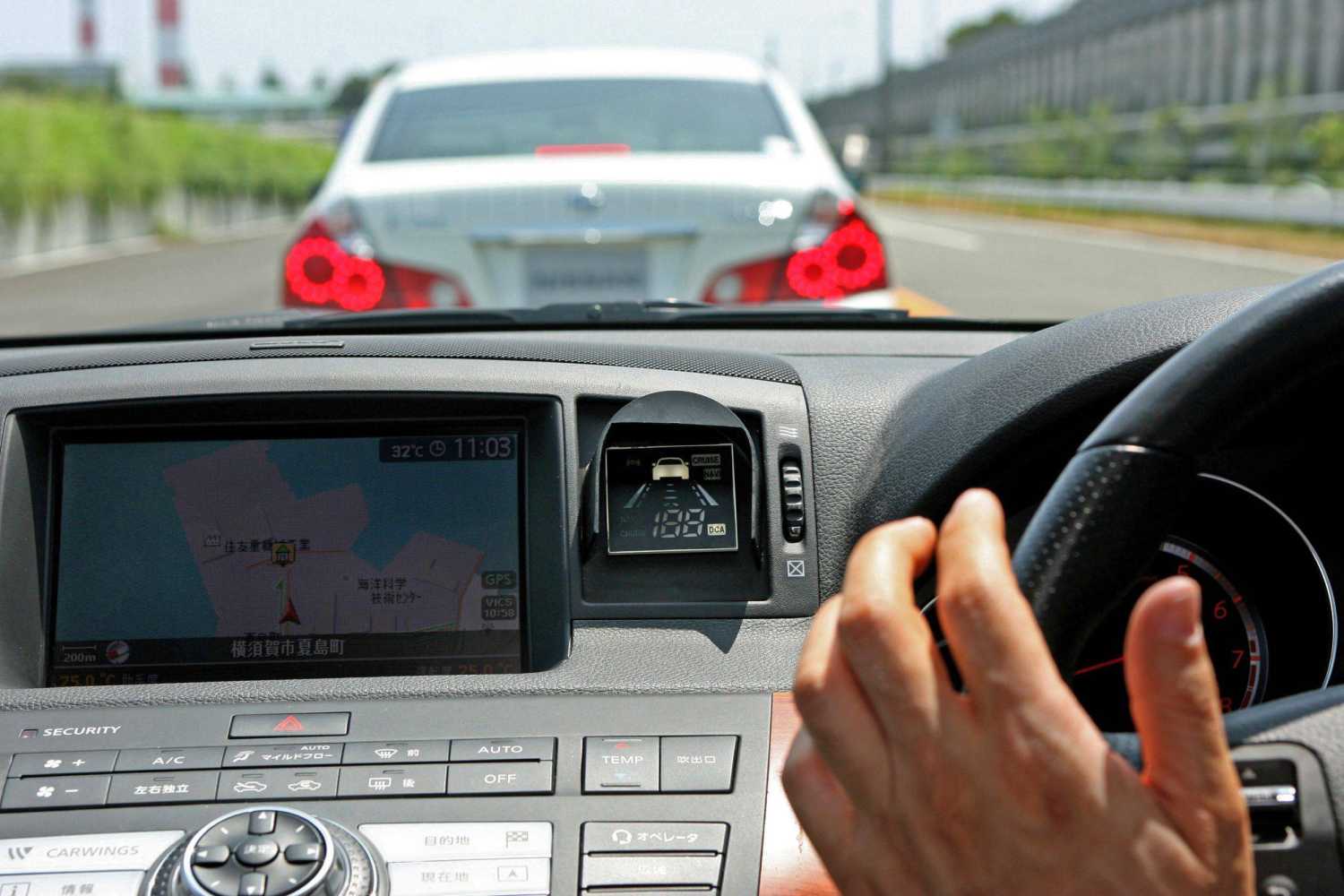
WASHINGTON: If you have the feeling it's become harder to get a clear view of the road from the driver's seat of a car these days, you are probably right.
At least that's the conclusion of a new US survey.
Researchers from the US non-profit Insurance Institute for Highway Safety (IIHS) said that tech-powered features such as blind-spot monitoring seem to encourage designers to further shrink the amount of glass on a vehicle.
They also pay less attention to the problem of higher bonnets and tailgates, which can obstruct the driver's outward view.
The forward blind zones of six top-selling passenger vehicles grew over the past 25 years as pedestrian and cyclist fatalities soared, said the IIHS.
"The across-the-board decrease in visibility for this small group of models is concerning. We need to investigate whether this is a broader trend that may have contributed to the recent spike in pedestrian and bicyclist fatalities," said IIHS President David Harkey.
Vulnerable road user deaths in the US have increased to their highest level in more than 40 years, the IIHS says.
"At the same time, increasing vehicle size and taller front ends may contribute to larger forward blind zones, but little is known about the role that visual occlusion may play in this trend."
To quantify the blind zones, researchers from the Department of Transport (DOT) used the IIHS method to calculate the occluded and visible areas at ground level in a forward 180-degree arc around the driver at ranges of 10 metres and 20 metres.
In the 10-metre forward radius nearest the vehicle, outward visibility declined in all six vehicle models measured over time.
The SUV models showed up to a 58% reduction in visibility within a 10-metre radius.
Other vehicles exhibited smaller (7-19%) reductions. At longer distances (10 to 20 metres), vehicles demonstrated both increases and decreases in visibility.
The results show that, for the selected vehicles (Chevrolet Suburban, Ford F-150, Honda Accord and CR-V, Jeep Grand Cherokee and Toyota Camry), the outward visibility has decreased.
The study noted that the biggest difference in visibility from the cockpit was observed with the Honda CR-V.
In a 1997 model, the researchers measured 68% visibility, while the 2022 edition came in at just 28%.
Tags
7.8
Kawasaki Z900: Great streetfighter
GWM ORA 5 HEV: Cute and efficient
8.1
Mazda CX-60 2.5 (2WD High): Bigger ambitions
8.7
Perodua QV-E: Spirited heart
General Tire Altimax GS6: A little extra for everyone
7.2
Toyota Vios 1.5 HEV AT: Old strengths, new pressure
7.6
Moto Morini X-Cape 1200: Punching above the price
8.3
BMW X3 30 M Sport: Staying ahead of rivals

BYD Atto2's rotating centre display

Zeekr Space Sunway City Video

Honda Civic Type R Ultimate Edition: Last 40 Units for Europ...

Bentley Unveils Bentayga Speed: Most Powerful Luxury SUV wit...