MALAYSIANS will soon be passing through Radio Frequency Identification (RFID) toll lanes at an improved pace.
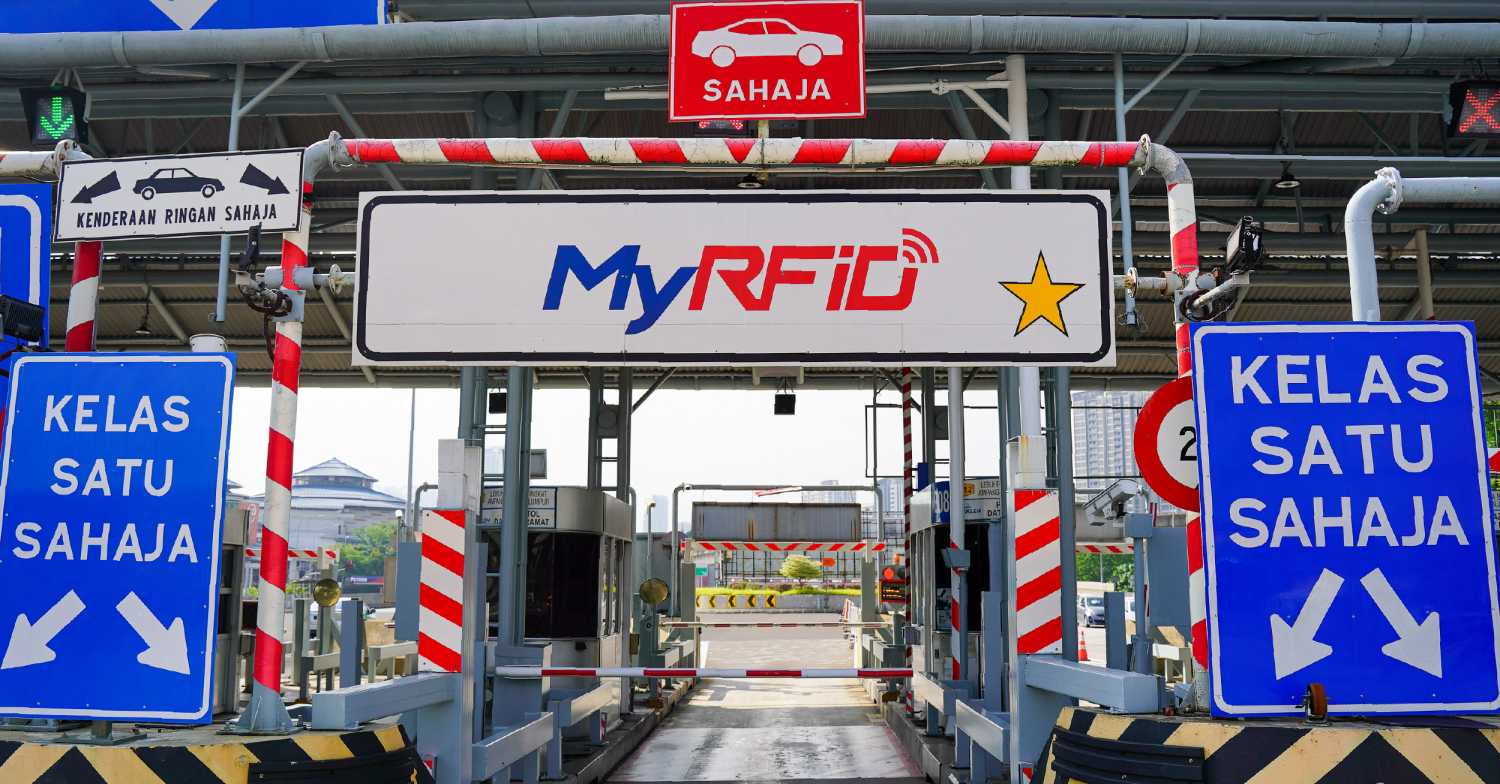
For the time being though you'll only be able to experienced the upgrade at one selected lane at the Ampang Kuala Lumpur Elevated Highway (AKLEH) toll - one that is marked by a yellow star on its board.
Open to everyone the location is where Touch ’n Go Sdn Bhd (TnG) is currently putting to public trial its Enhanced RFID lane.
This means chances are you might have already experienced it yourself without knowing it.
It is also the only location to adopt the enhancement for the time being. Even though TnG did say the upgrade would take place nationwide they would however come in phases and it is not publicly known where the exercise would be carried out next.
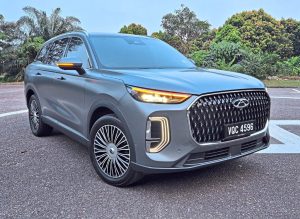
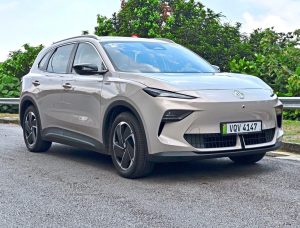
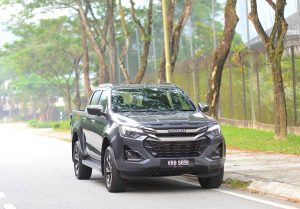
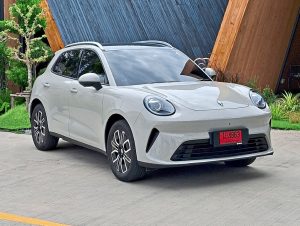
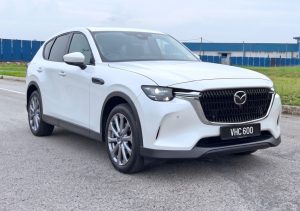
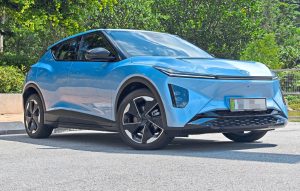
In an effort to raise its awareness TnG in partnership with GWM Malaysia, whose vehicles were used to support the activity, ferried selected members of the media across the lane for a live demonstration.
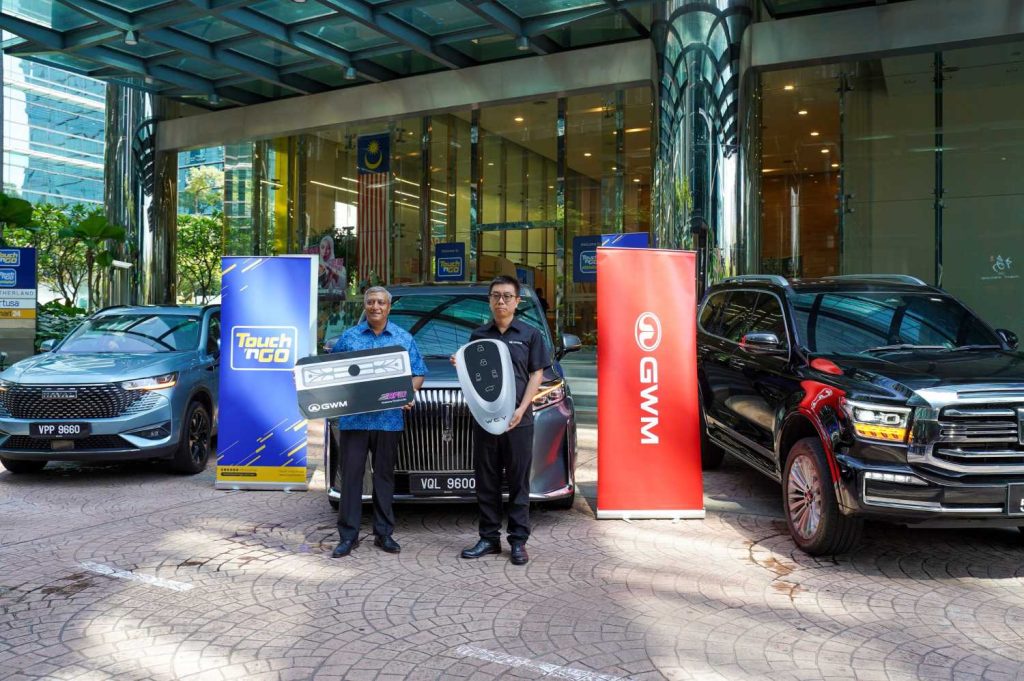
GWM Malaysia corporate affairs managing director Cui Anqi said that the collaboration reflects both company's shared commitment to make everyday mobility for Malaysians smarter, more connected and more seamless.
"At GWM, we believe the future of mobility is not defined by vehicles alone, but by the entire ownership experience," he added.
Adopting a homegrown technology known as Titan Flow, TnG says the effort is part of their continued journey towards one day introducing a gateless Multi-Lane Fast Flow (MLFF) system.
TnG chief executive officer Praba Sangarajoo explains that the best journey is one people hardly notice as nobody begins a journey wondering whether their toll transaction will go through since they simply expect it to.
"Our focus has always been on creating experiences that are seamless, reliable and secure whilst maintaining the accuracy and accountability required by highway operators. Titan Flow brings together multiple technologies that work in concert to deliver that experience.
"Achieving a 99.98% detection accuracy rate is not the result of relying on a single technology. It comes from combining RFID, Automatic Number Plate Recognition (ANPR), Light Detection and Ranging (LiDAR), Artificial Intelligence (AI) and Machine Learning (ML) in a way that allows each component to complement and validate the others.
"This layered approach gives us the confidence to deliver a seamless user experience while maintaining the level of reliability and accountability required for future tolling environments.
"What makes Titan Flow particularly meaningful is that it was developed by Malaysians for Malaysians. It reflects nearly three decades of understanding how people move across the country and our commitment to building solutions that can support the next generation of mobility infrastructure," Praba added.
Getting into the nitty-gritty, TnG explained that while camera-based systems and AI technologies play an important role in verifying and classifying vehicles, RFID provides a highly dependable primary detection layer that is less susceptible to environmental factors such as heavy rain, glare and fluctuating visibility conditions.
Additionally, it is said that RFID incorporates encryption and authentication mechanisms designed to safeguard transaction data and help prevent the cloning or misuse of RFID tags. This to them further strengthens the integrity of the tolling ecosystem.
In all TnG says the integrated approach is particularly important in a future MLFF environment, where every vehicle must be captured and classified accurately and reliably without the need for barriers or manual intervention.
Supporting this experience for now is the SOS Balance feature on TNG eWallet which allows motorists to pass gates even if they have insufficient balance at the point of toll payment - as long as they have a good record and make payment within a set time.
Since its launch the feature is said to have enabled approximately 36 million journeys without disruption whilst providing users with a sufficient grace period to reload and settle their payments.