FRANKFURT: Slack car demand and new competitors like China's BYD Co could force Europe's manufacturers to shed as many as eight factories as the industry moves through a painful reset, according to consultancy AlixPartners.
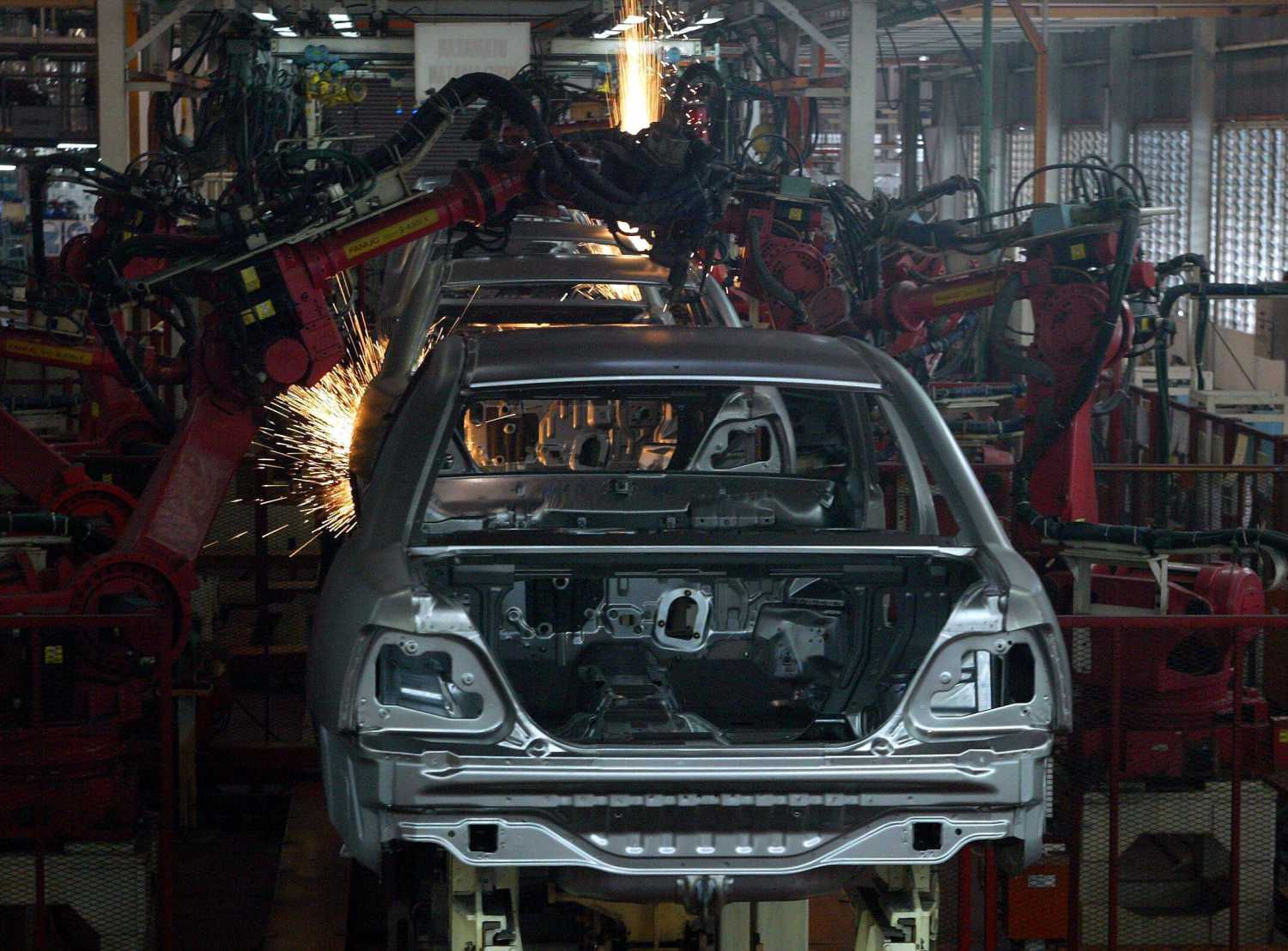
Across the continent, car plants are running at just 55% of capacity on average, with sites operating at less than three-quarters full draining company bottom lines, the restructuring advisers said.
"European carmakers will lose between one and two million vehicles to Chinese brands in the coming years," said Fabian Piontek, AlixPartners' managing director in Germany.
"Chinese carmakers will reach a market share of around 5% in Europe this year."
A representative for Stellantis declined to comment.
Shuttering a site is costly and leads to long negotiations with powerful worker representatives.
AlixPartners estimates that closing a large factory with about 10,000 workers triggers expenses of around €1.5 billion (RM7.19bil), with the process taking one to three years.
After decades of growth, manufacturers are cutting thousands of jobs and throttling output because demand hasn't bounced back to levels seen before the pandemic.
Volkswagen AG closed its plant in Zwickau, Germany for a week this month while Stellantis is temporarily halting output at sites that make models like the Fiat Panda and Alfa Romeo Tonale.
Deliveries in Europe inched up just 0.9% last year, to around 13 million vehicles, according to the European Automobile Manufacturers' Association.
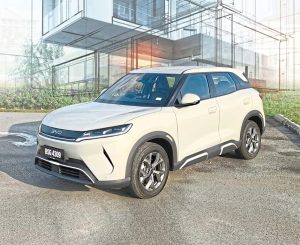
Chinese brands like BYD and SAIC Motor Corp's MG could take 10% of the market by 2030, raising the pressure to reduce capacity, AlixPartners said.
Generally, car plants are profitable when they're designed to make at least 250,000 vehicles annually.
If Chinese manufacturers were to sell around 2 million cars a year in Europe by 2030, the region would have about eight factories too many, the advisers said.
Closing down whole sites is difficult in most European countries.
In Germany, worker representatives sitting on company supervisory boards such as Volkswagen and Mercedes-Benz Group AG can also block decisions.
Volkswagen executives last year took months to reach an agreement with labor leaders on cost savings, and eventually rowed back on plans for VW's first-ever factory closures in Germany.
The final deal included capacity cuts and a reduction of 35,000 workers.
"It's a process that takes long and executives need a narrative that closing down the plant is the only viable business option," AlixPartners consultant and managing director Tom Gellrich said.