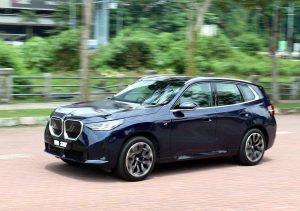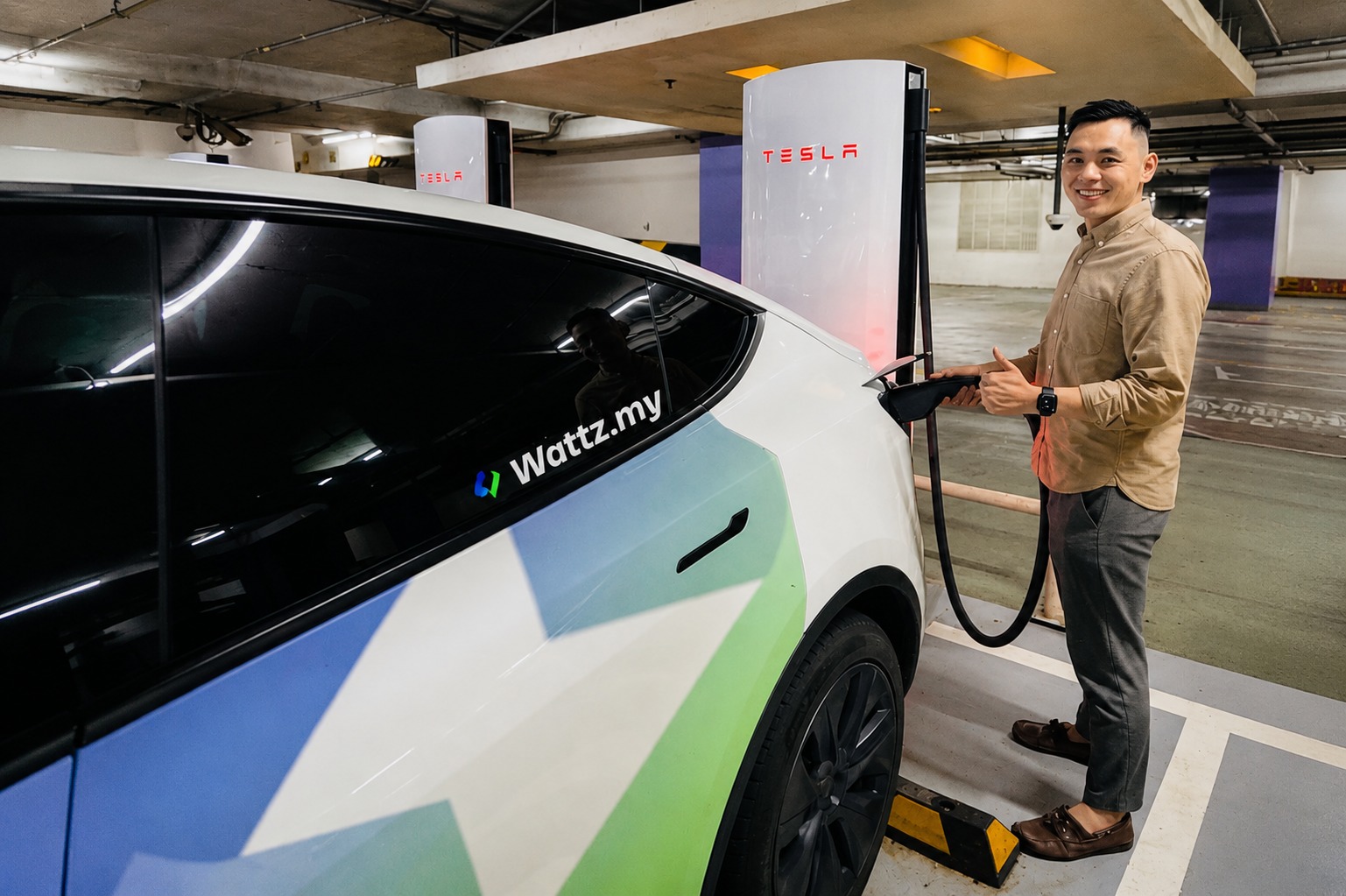
PETALING JAYA: Electric vehicles (EVs) are no longer a niche option in Malaysia.
Much like it is internationally, their numbers in the local market is proof that they've become a mainstay in the industry.
As Wattz Mobility puts it we went from almost no meaningful choices five years ago to a multitude of models on sale today.
Then there's local assembly (CKD) which will not only cement their presence by investment but also stabilize market pricing moving forward.
Even now the once dream of having an EV at every price point to suit the budget is very much a reality.
In fact, almost every faceted of EV-related infrastructure is progressing accordingly.
According to data from the Road Transport Department (JPJ) and Malaysia Automotive Association (MAA) as tabulated by Wattz, EV sales and charging infrastructure remain the fastest-growing segments in visible terms.
EV registrations more than doubled in 2025 and charging networks continue to expand across the country.
Reports show MAA approximated 30,848 units sold which represents a 105% year-on-year growth.
Early 2026 data shows this momentum continuing with strong double-digit growth and EV share of total industry volume reaching 7%-9% in individual months.
As for charging, it is reported that DC fast charger deployment exceeded its original target as of early 2026, with 1,923 DC fast chargers installed compared with the initial target of 1,500.
And yet the same data has shown that the adoption of EVs while impressive remain on the low side in Malaysia, representing only around 5%-7% of new vehicle sales in the country.
It is considerably a small percentile when compared with nearly 20% in Thailand and over 40% in Singapore.
Wattz Mobility founder and chief executive officer Jack Ong Zi Hao makes a case that many consumers are now asking practical questions even if affordability remains an important consideration.
"Will an EV fit my daily routine? How convenient is charging? What is the real-world range in Malaysian conditions? What happens on longer journeys? These are confidence questions and not hardware questions," he highlighted.
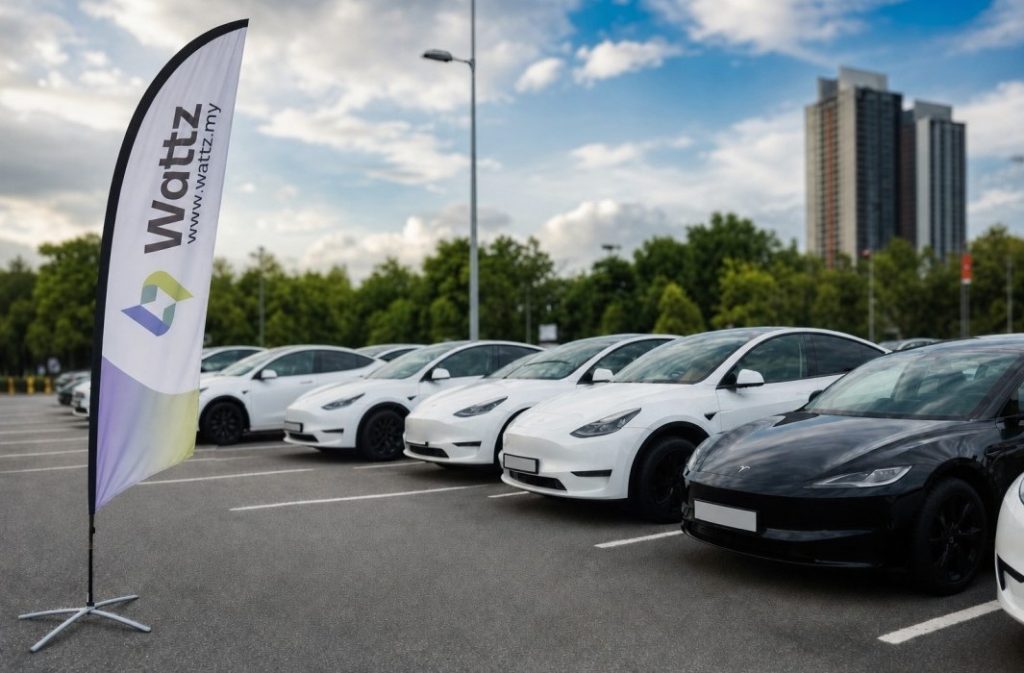
In Ong's view he posits that while infrastructure gets people interested, it is confidence that gets people to buy.
Citing the huge lesson he took away from his time at TNG Digital is that adoption is behavioural and not technological.
He added that the figures would have been vastly different if that wasn't the case since hardware is improving faster than public perception and the cars themselves are becoming more competitive with prices falling through CKD local assembly.
"Consumers rarely change habits simply because a technology exists. They change when they feel comfortable, confident and see practical value in their everyday lives," said Ong.
By 2030, Ong estimates Malaysia’s EV market could be worth RM6 billion to RM8 billion. This opportunity is expected to grow significantly as the market progresses towards national electrification targets.
The larger opportunity lies beyond the vehicle itself which is by reducing uncertainty.
"Many prospective buyers are interested in EVs but remain unsure about charging, ownership costs, battery performance, resale value and long-term practicality. These uncertainties create friction in the decision-making process," said Ong.
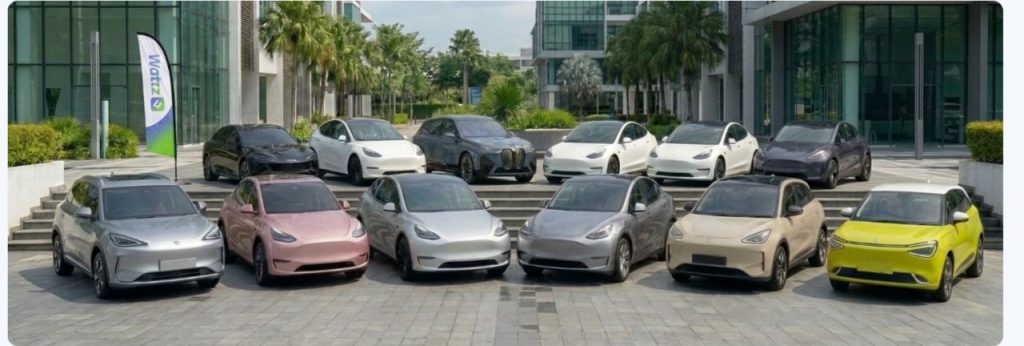
To better illustrate the connection he mirrors the situation during his time in helping Malaysians make the transition from cash to digital payment. Similarly he points out that the weight of value involved is where they divulge.
"Yes, the similarities are strong but the stakes are much higher with vehicles. Both involve changing long-established habits.
"The wallet still holds your money. The car still takes you from A-to-B. But the way people interact with them changes significantly.
"With digital payments, trust was built through repeated positive experiences. People started with small transactions and gradually became comfortable using digital payments every day.
"EV adoption follows a similar pattern. The difference is that consumers are making a much larger financial commitment. Trying an e-wallet carried almost no risk. Buying an EV is a major purchase decision,' he stresses.
The solution Ong views is in real-world experience. This this also means a short test drive cannot fully answer their concerns.
"Most Malaysians have never used an EV beyond a short test drive. They lack firsthand experience of real-world range, charging behaviour, running costs, and long-distance travel in Malaysian conditions.
"Consumers are often being asked to make a six-figure purchase decision after spending only a few minutes behind the wheel. That practical experience is the missing step in the adoption journey.
"People rarely change behaviour because they are told to. They change when they experience the benefits themselves," he further explained.
Expanding on this conundrum, Ong suggests taking peer-to-peer rental into consideration as the best potential way to address this - where users can drive an EV for several days in their normal routine as a way of prioritising real experience.
"The highest-leverage opportunity today lies in helping consumers understand whether an EV genuinely works for their lifestyle.
"The companies that successfully help consumers move from uncertainty to confidence will earn trust at the most important stage of the customer journey,' he concludes.