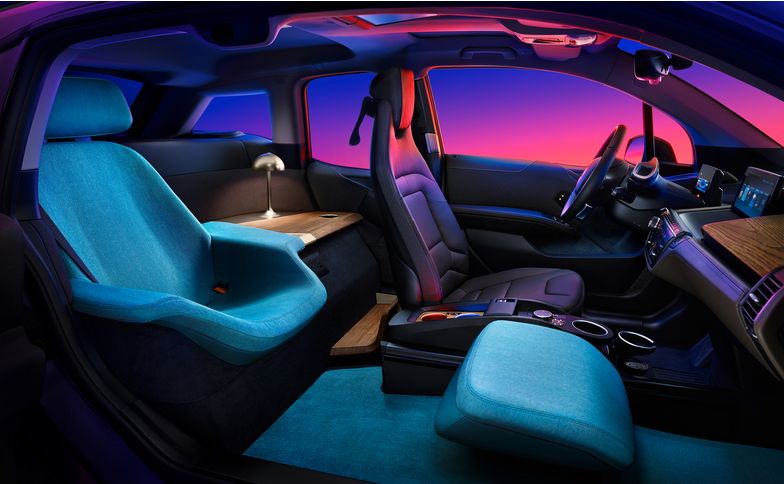
FRANKFURT: The automotive industry isn't only cutting carbon emissions these days. To deflect criticism of cars' role in global warming and project environmental responsibility, it's also using new, ostensibly "green" materials, mostly from recycled or renewable resources.
Previously out of sight and reach, they've usually served in insulation or padding. Now they're making an appearance in places including the seats.
"Long gone are the days when leather seats were regarded as the ultimate in luxury, and fabric or plastic were reserved for cheap models," says Ruth Pauli, a Cologne-based automotive and material design expert.

VW ID.4
The British marque Land Rover, for instance, like Tesla and Audi, has jumped on the vegan lifestyle bandwagon and is offering fabric seat covers as an alternative to leather in models such as the Evoque and Velar. To justify higher prices, they're not just any old covers, but were developed in collaboration with the Danish fabric house Kvadrat, says a company spokesperson.
Other carmakers are using virgin wool, and Bentley is now even putting tweed in its models, if only for its door panel covers at first.
In the name of sustainability and the lowest possible environmental impact, the leather in BMW's electric-powered i3 isn't tanned with chemicals, but with olive production waste. Skoda is experimenting with oak and rhubarb extracts to treat its leather. Seat covers from yarn made of recycled PET bottles is an option in the Audi A3 and Polestar 2.

Polestar 2
"Forty-five recycled bottles per car are used for them, and another 62 for the carpets," says Audi spokesman Tobias Soellner.
Carmakers are going even further and experimenting with materials that probably aren't ready for mass production yet. According to Daimler chief design officer Gorden Wagener, seats in the Mercedes-Benz Vision EQS are covered with recycled plastic from old fishing nets recovered from the ocean. In some tests for Volkswagen's I.D. electric series, the artificial leather seats are made from apple scraps, a company spokesperson says.
As good as the new materials may be for an environmentally friendly image, carmakers must also consider their safety and durability. And consumers notice differences in comfort, since what appeases their ecological conscience won't always please their bum. As some seat covers make you sweat more than others, or are warmer or colder, Pauli recommends a test-sitting if possible.

EQS.
For all carmakers' ecological correctness, she sees marketing or cost-cutting reasons to be often behind their trendy "green" upholstery fabrics. "On closer inspection, many supposedly sustainable materials aren't as environmentally friendly as the manufacturers and our gut feeling would have us believe," Pauli says.
The leather in car seats, for instance, despite its associations with luxury, is a meat industry waste product and therefore better than any synthetic alternative specially made for cars, she remarks. And while it's important to fish plastic out of the ocean, she adds, sorting it for the homogeneous, high-quality fibres needed to spin automotive textiles is time-consuming and costly.