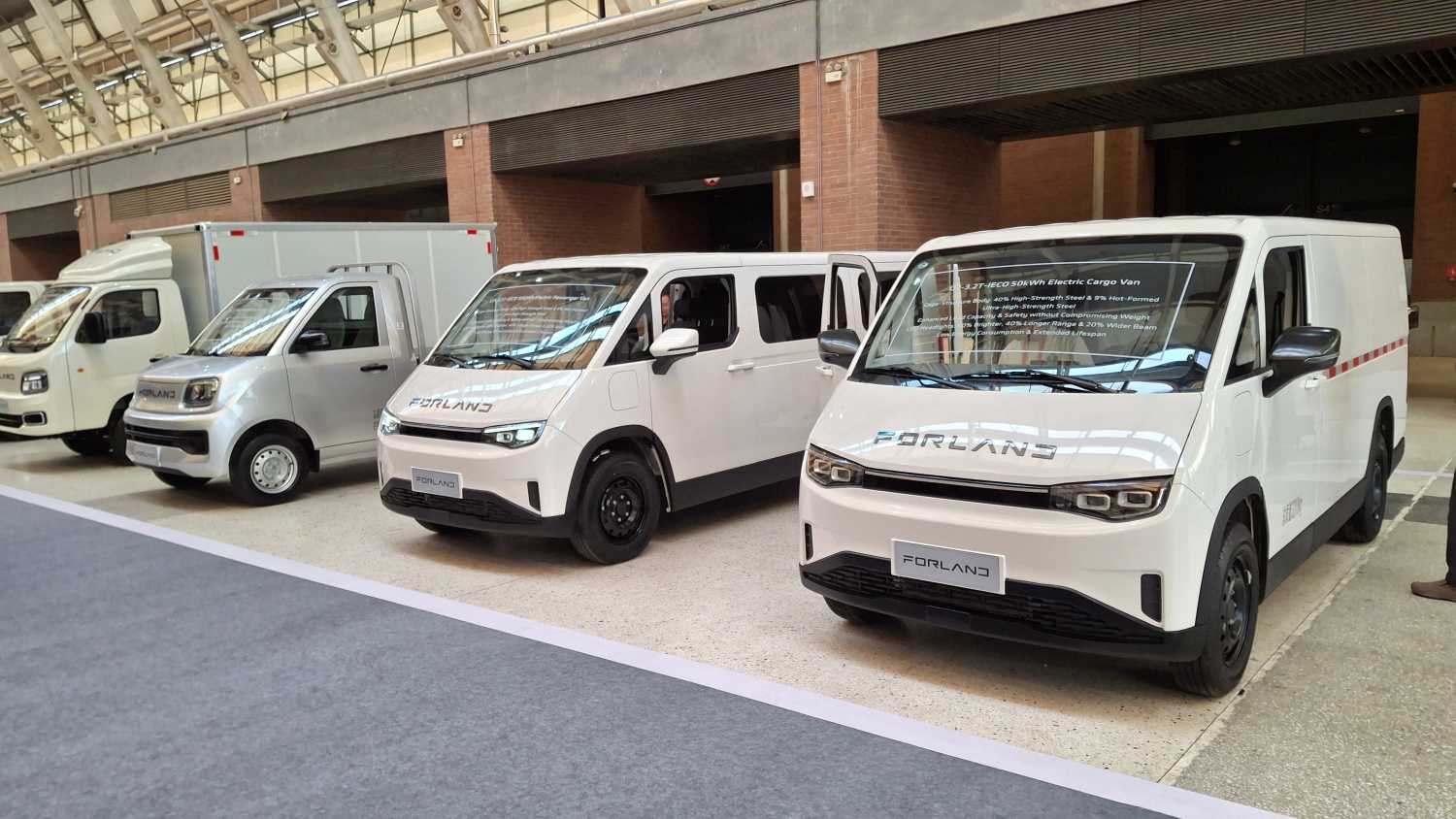
FORLAND might not ring a bell with anyone in the Malaysian truck scenario but from the first quarter of 2026, it might turn heads with what it could offer as a medium-duty truck in the Forland L7.
More importantly, it’s not a newcomer to making medium and small trucks, having done so since 1999 and started its global expansion with a CKD facility in Vietnam in 2004.
In 2013, the Chinese truck maker secured a landmark order from Algeria that is said to set a new record for China’s light-duty dump truck exports.
In September last year, Forland launched its global strategy to connect the future with green technology and share ecological value with the world, with a goal to reach 150 countries and regions by 2030.
Since then, it accelerated its overseas expansion with global sales growing 53.6% year-on-year while its market network expanded beyond 50 countries to include emerging markets such as Morocco and Colombia to reflect its rapid global momentum.
To date, Forland has delivered more than 6.6 million commercial vehicles beyond China, with key regions being South America, Africa, Russia, Eastern Europe, Oceania and South East Asia.
As part of its green technology, it has ventured into electric vehicles and a recent visit to Beijing and Qingdao, China, to visit its manufacturing facilities and attend its Global Partners Conference 2026 gave us a good idea what Forland is all about.
Forland is seen as a company under Foton, which in turn is a subsidiary of the BAIC Group (Beijing Automotive Group Co Ltd), and both Forland and Foton were founded about the same time in 1996.
Although there is some overlap in vehicles offered (such as vans and light trucks) by the two companies, Foton focuses more on the heavy-duty truck sector while Forland specialises in light and mini commercial vehicles.
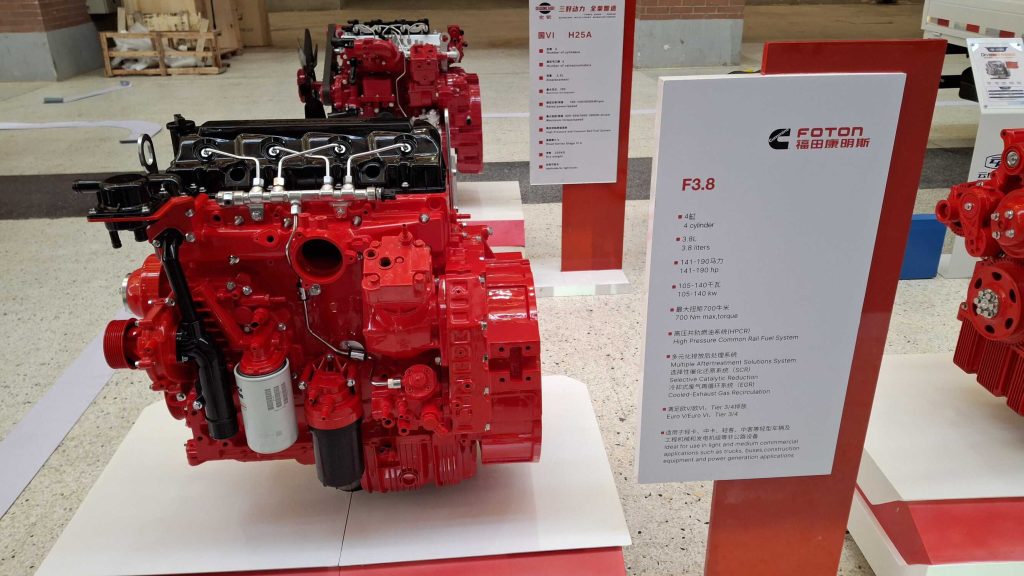
Coming under the same umbrella, Forland uses engines built by Foton in Beijing; the engines for the vehicles sold in China are painted orange to reflect its Cummins roots while those for export markets are painted in red.
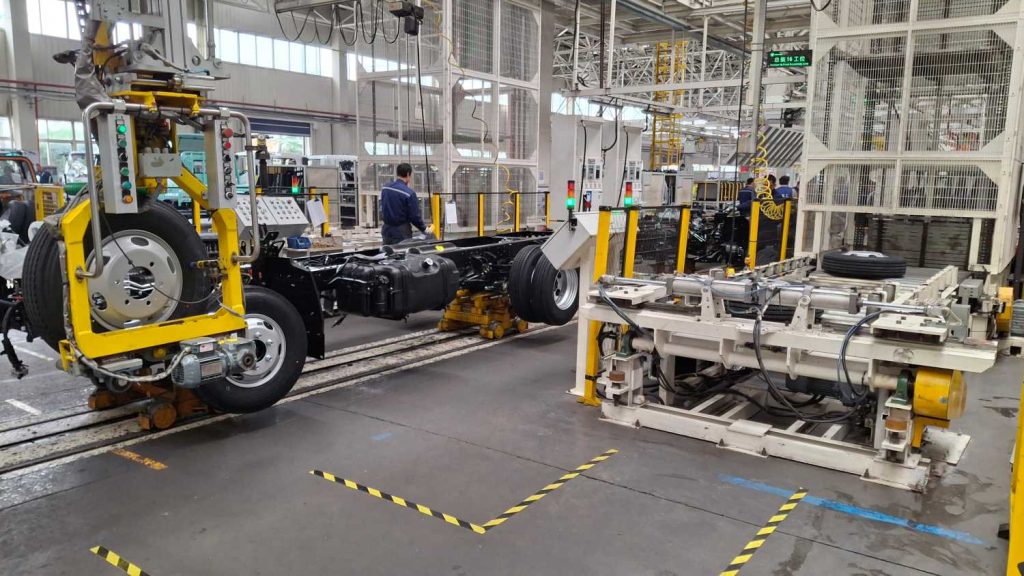
Forland manufactures its range of vehicles at a sprawling complex in Qingdao and expects to exceed 250,000 vehicles being produced this year.
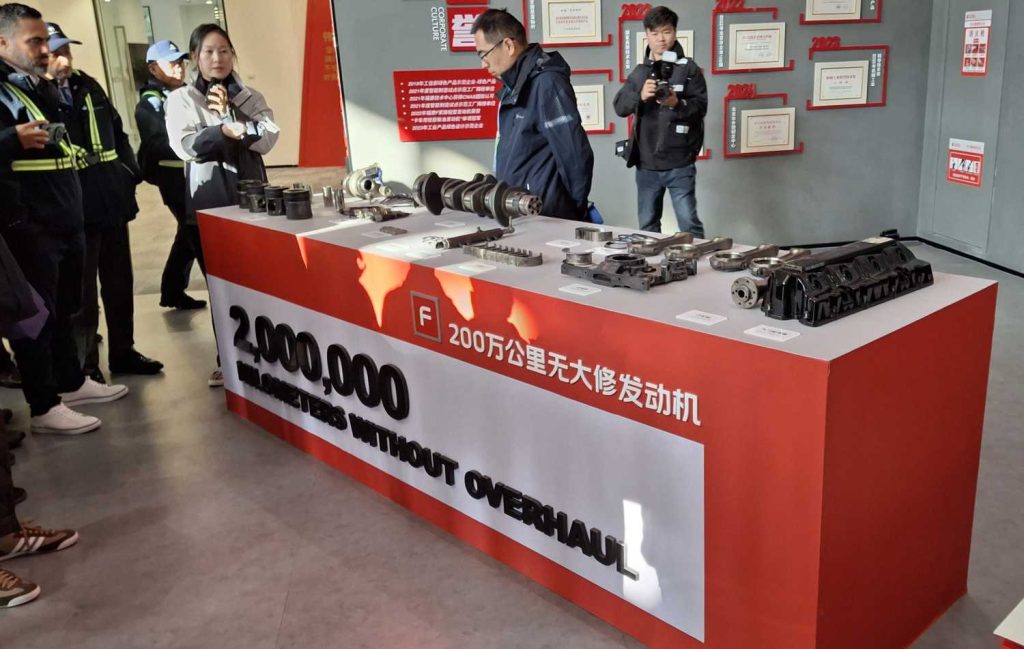
The company takes its commercial vehicle development seriously as we were shown how materials and manufactured parts were subjected to various tests to gauge their durability, functionality and suitability.
At the Foton factory in Beijing, the range of commercial vehicles made were also subject to sound tests to raise the level of driving comfort and we believe Forland has similar procedures as well.
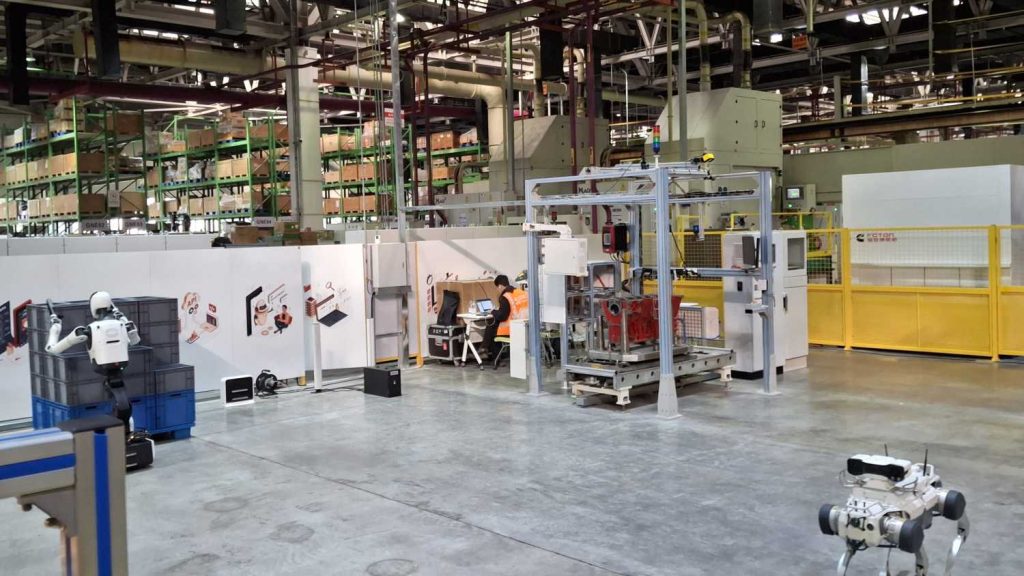
The level of automation is high in some areas of the manufacturing process and tests were being conducted on new automated processes when we were at the Foton factory.
Forland’s global expansion also includes the localised construction of parts that sees technology sharing, technology transfer and joint venture factory establishment.
We were told that Forland is moving its central operations to Qingdao from Changsha to be nearer the factory and shipping facilities.
Qingdao, about 800km south of Beijing, has a relatively young history as it was founded in the early 1900s by Germany as a shipping port due to its deep waters.
Germany wanted to include Qingdao as one of its many colonies then but when World War I started in 1914, Germany left as Japan (which neighbours China) was one of the Allied Powers that it was in confrontation with.
As such, they left behind buildings with German architecture, a railway station and a brewery that now produces one of China’s beer brands, Tsingtao.
Foton Motor vice-president and Forland Motor president Liu Xuguang gave us a brief outline on Forland’s new brand strategy, saying that the organisation had fully upgraded its development strategy based on key trends in new energy transition, digitalisation, intelligence and globalisation.
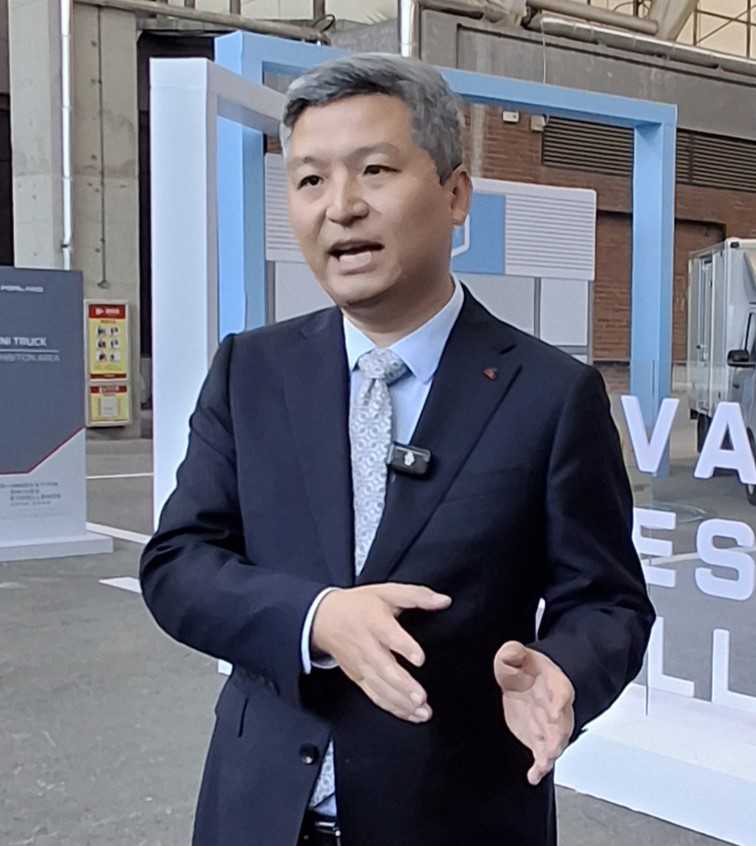
“Rapid progress in intelligent technology is pushing the transportation industry to shift from traditional methods to smart logistics.
“Advanced technologies like IoV, big data models and artificial intelligence bring more possibilities for automation, intelligence and efficiency in the logistics process,” he said.
On intelligent driving products, Liu said Forland’s light and micro trucks are equipped with “relatively mature” L2+ advanced driving while it was fully engaged in research and development on L4-level intelligent driving.
During the Global Partners Conference in Qingdao, Forland displayed its full range of vehicles, including 10 EVs in different model configurations, as well as new models.
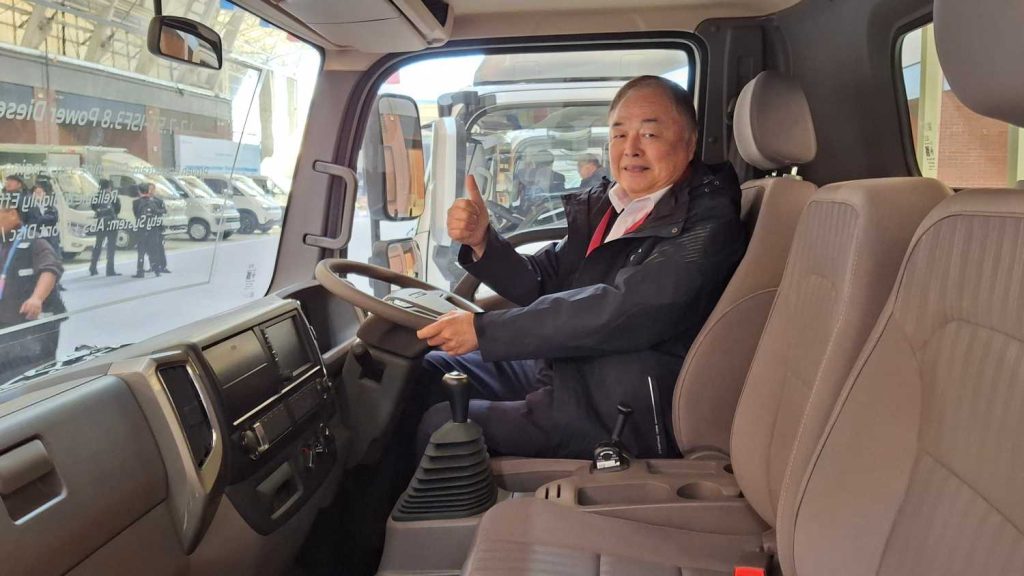
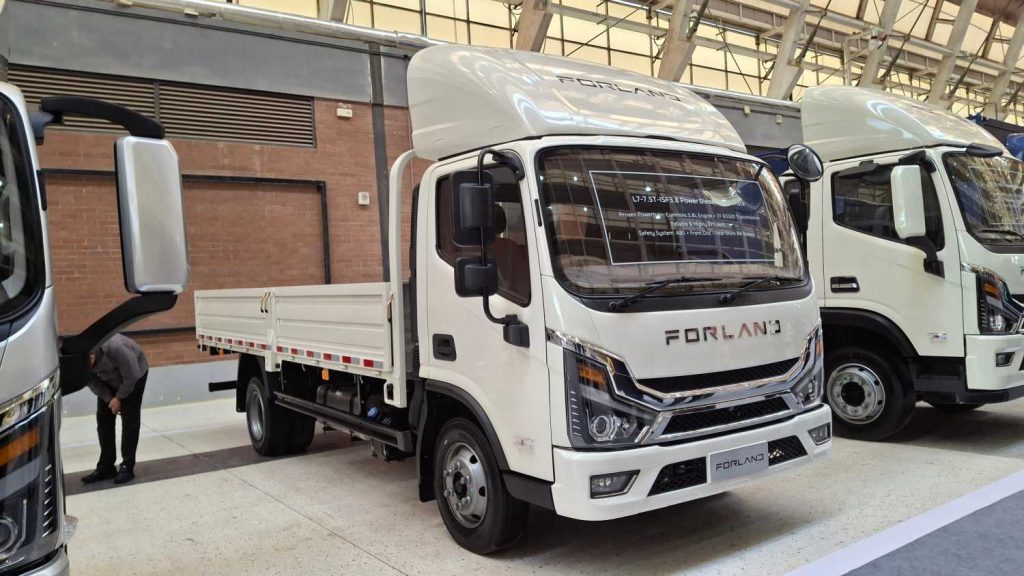
What is relevant to our market is the upcoming introduction of the Forland L7 7.5-tonne light-duty truck powered by a 3.8-litre diesel engine with ZF transmission.
It is being introduced to the market by Handal BCM Sdn Bhd that distributes Foton commercial vans.
CEO Datuk Donald Choo said the rationale for introducing the Forland L7 is that many Foton van customers are also in the market for light- to medium-duty trucks, mostly for goods delivery and logistics in urban centres.
At a price that is about 30% lower than the rivals that are mostly the Japanese brands, he expects to make good inroads in the market.
He emphasised that Handal BCM had full distribution rights of the Forland brand of vehicles in Malaysia.
The conference also saw the launch of the L7 automatic truck that was developed for global markets and features advanced smart technologies for strong performance.
Development of the L7 automatic truck is reportedly based on millions of kilometres of real-world road data and in-depth research on driving habits across different regions.
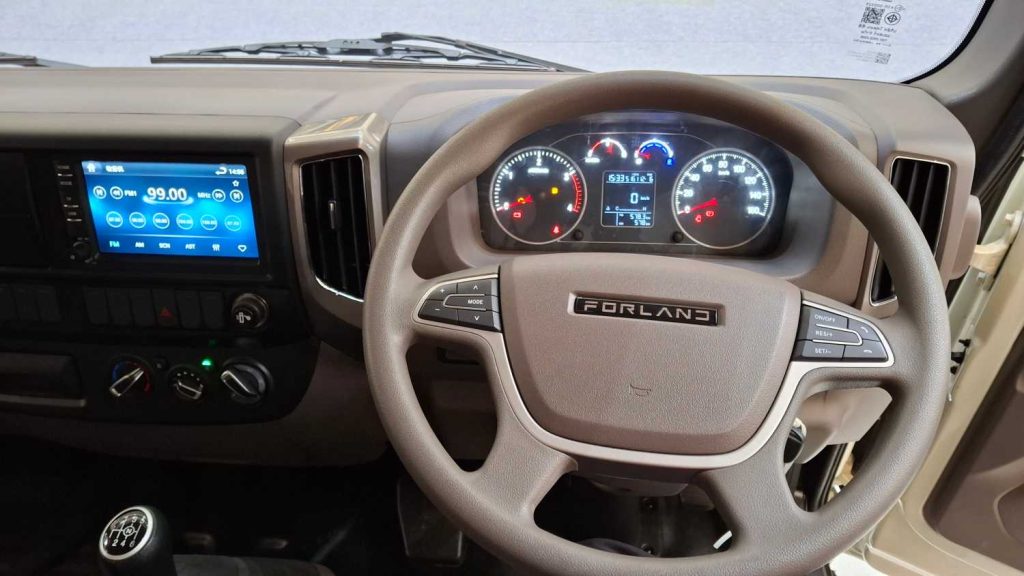
It is powered by a Cummins 3.8-litre engine delivering 168hp that is paired with a ZF six-speed AMT transmission.
With standard dual driving modes – Economy and Power – the L7 automatic is reported to optimise fuel economy and driving performance.
On the safety front, the L7 won’t lose out much to many cars on Malaysian roads as it comes standard with AEBS automatic emergency braking, LDWS lane departure warning, ESC stability control and EBS braking that meets EU standards.
Additionally, its Advanced Driver Assistance Systems (ADAS) integrate millimetre-wave radar and cameras to detect pedestrians and vehicles up to 150 metres away, with an optional 360-degree panoramic view system.
Features such as an adjustable steering wheel, air suspension seat and powerful air-conditioning system should make long hauls significantly more comfortable.
Other details are a reinforced chassis, upgraded rear axle torque (+17%), wider 235 tyres and a maximum payload capacity of seven tonnes.
We have a feeling that the Forland L7 automatic might just be introduced here as modern day vehicles with automatic transmission return pretty good fuel mileages, a key factor for the commercial vehicle industry.