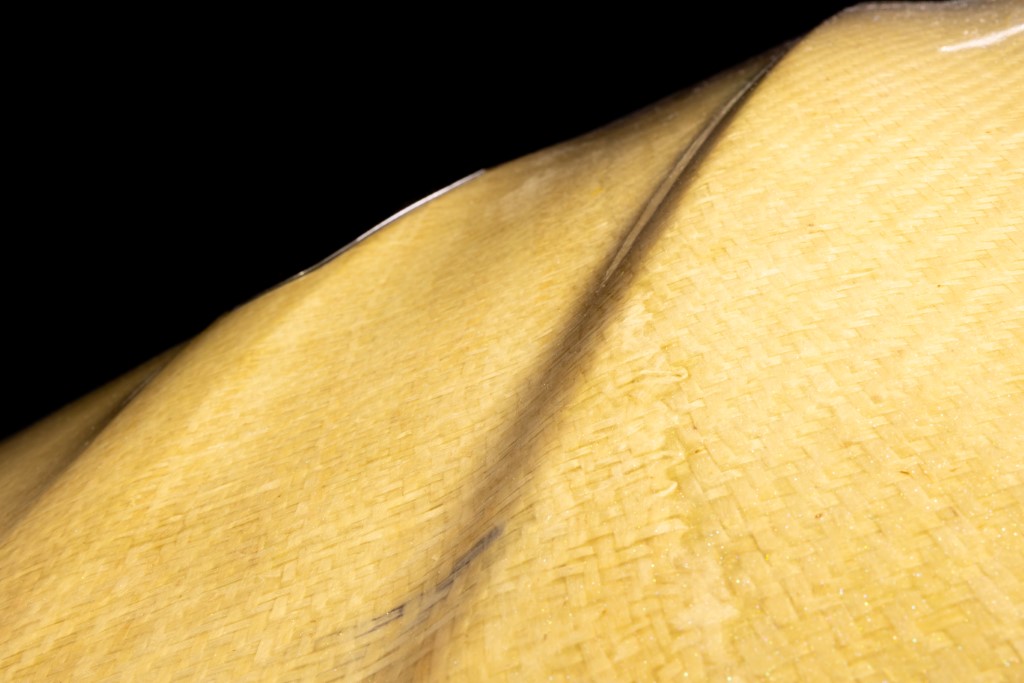
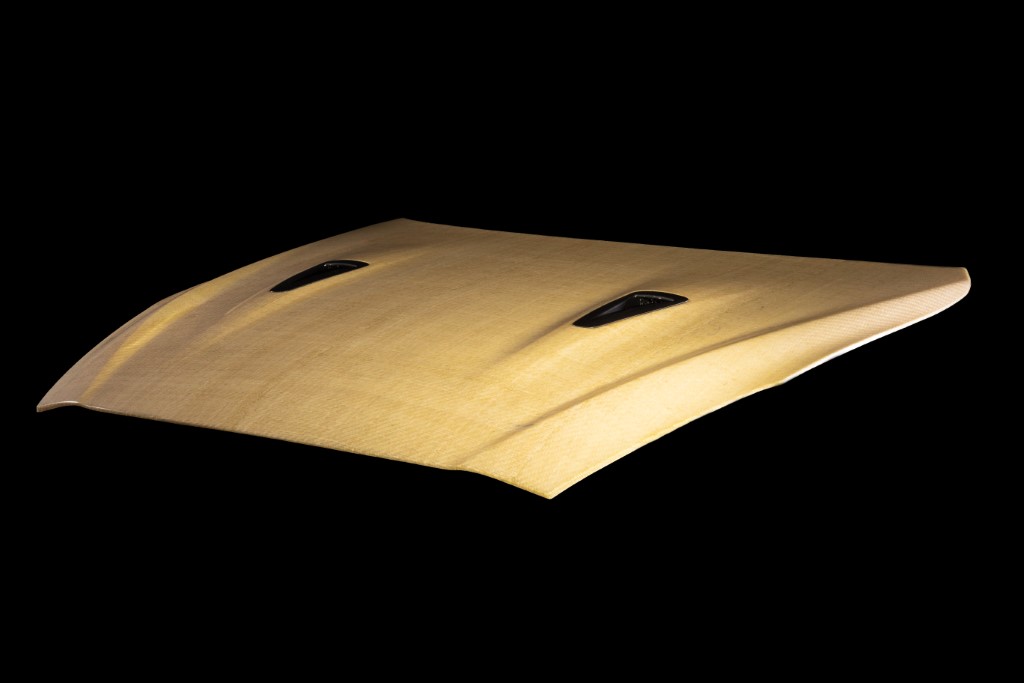
YOKOHAMA, Japan: Nissan Motor Co Ltd and Food Reborn Co Ltd have jointly developed the world’s first automotive exterior body panels by natural fibre-reinforced plastic (NFRP) using fibres derived from pineapple leaves.
Nissan will also license its manufacturing expertise of natural fibre-reinforced plastics to Food Reborn.
Nissan is continuously working to reduce its dependence on natural resources and expand the use of sustainable materials as part of its Nissan Green Program 2030.
As part of these efforts, Nissan is developing lightweight and cost-competitive composite materials with reduced environmental impact.
Sustainability is becoming increasingly important in motorsports.
In racing categories featuring stock production cars, regulations require the use of sustainable natural fibre-reinforced plastics whenever exterior body panels are modified.
However, the limited number of specialised suppliers in this sector has created significant challenges for teams, driving up costs and restricting a stable supply.
In light of these challenges, Nissan and Food Reborn focused on pineapple leaves, a resource that has largely gone unutilised.
Combining Nissan’s expertise in composite materials with Food Reborn’s knowledge of pineapple leaf fibres, the companies developed the world’s first automotive exterior body part made from natural fibre-reinforced plastic using pineapple leaf fibres.
The companies have also established the world’s first process that transforms fibres extracted from pineapple leaves into flat yarn, weaving the yarn into fabric, and then using it as reinforcement in a composite material.
Unlike previous applications of pineapple leaf fibres, the newly developed process enables the fibres to be formed into flat yarn and woven into fabric for use as reinforcement in a high-performance composite material.
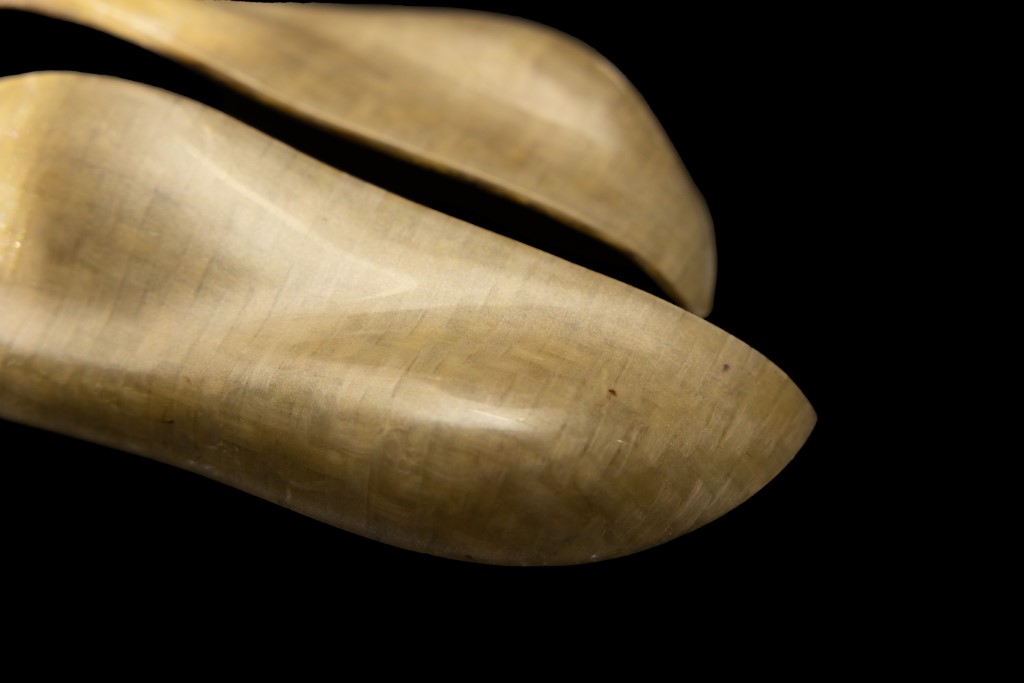
The new composite material offers higher tensile strength than conventional flax-based natural fibre materials.
More than 50 million tons of pineapple leaves are discarded without being utilised worldwide each year, and this development have the potential to create new value from this underutilised resource.
Nissan corporate executive responsible for technology development Tatsuzo Tomita said, "We have developed a new fibre-reinforced composite material that utilises pineapple leaves; a byproduct usually unutilised and discarded. This sustainable and composite material also delivers the high level of performance required for demanding environments such as motorsports."
Food Reborn CEO Etsuko Uda said, "Transforming agricultural byproducts like pineapple leaves into high-performance materials for automotive and sporting goods is highly significant.”
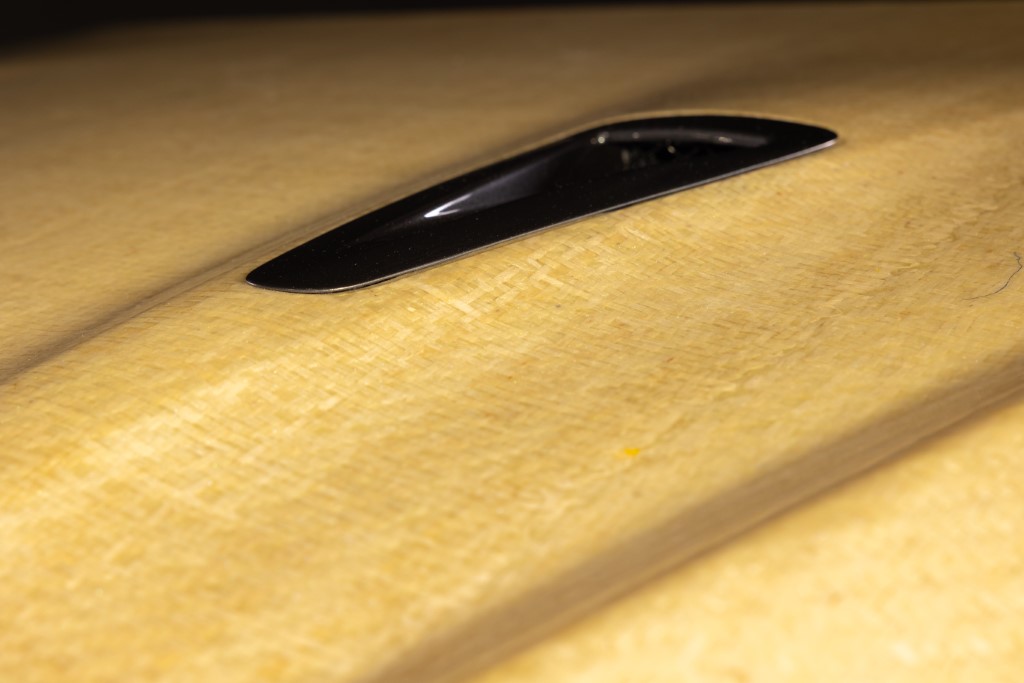
Nissan has licensed its manufacturing expertise to Food Reborn for producing flat yarn, woven fabric and prepreg, an intermediate material for moulding in which resin is impregnated into fibres extracted from pineapple leaves.
Lightweight with a lower environmental impact, the material has the potential to be used in a wide range of applications beyond automobiles.
Nissan and Food Reborn plan to exhibit the exterior body panel using the newly developed technology at SAMPE Japan Advanced Materials Technology Exhibition 2026 (Nov 18 to 20).