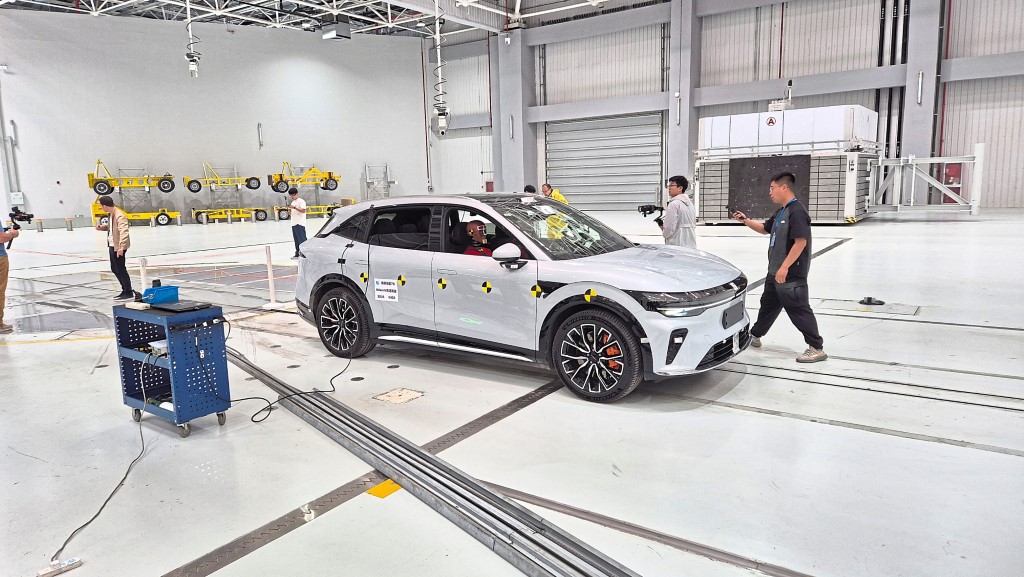
NINGBO: With five Guinness World Records under its belt, Geely Auto Safety Centre in Ningbo, China lays claim as the world’s largest and most advanced automotive safety testing facility.
THE global automotive industry has long been defined by a select group of safety benchmarks established by European and Western automakers.
However, a shift in the world of vehicle protection and testing has arrived following the opening of the Geely Auto Safety Centre in Ningbo, China – a major port city on China’s eastern coast known for its strategic location along the East China Sea and its role as one of the country’s busiest trading hubs.
It is also an important industrial centre, with a strong manufacturing base that supports automotive production and export activities.
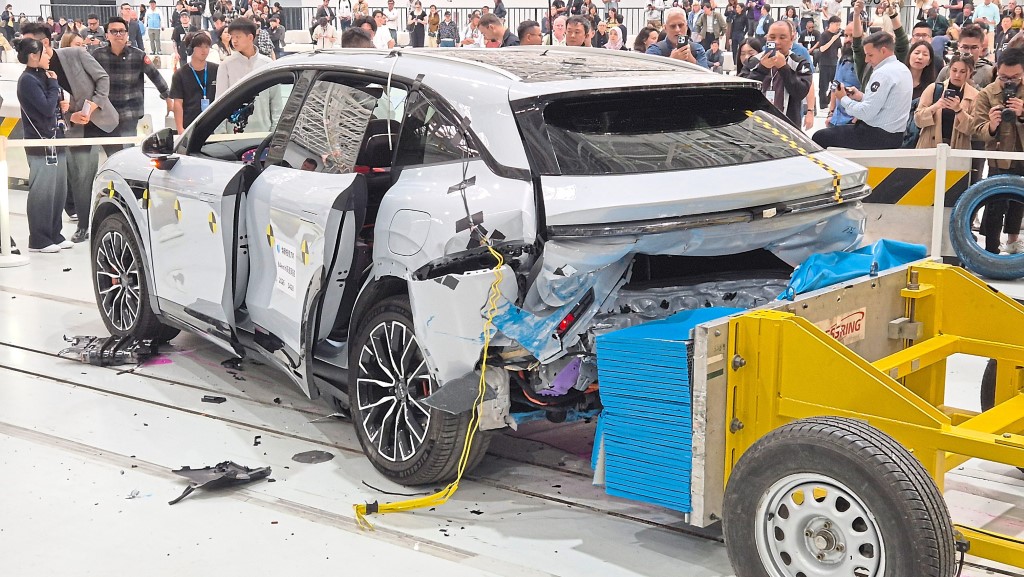
The centre, officially opened on Dec 12 last year, immediately claimed its position as the largest and most technologically advanced automotive safety testing environment in the world.
Representing an initial investment of over 2 billion RMB (RM1.23bil), the centre is not only a crash-test lab, but also a testament as the company looks to redefine safety for the intelligent vehicle era.
With five Guinness World Records under this facility’s belt, it spans across 45,000sq m of land with a massive floor area of 81,930sq m to stand as the world’s largest automotive safety laboratory.
This behemoth of a facility is complemented by specialised infrastructure designed to simulate nearly every conceivable road scenario.
At the heart of the facility is the longest indoor car crash test track in existence, stretching 293.39m.
This length is critical for modern testing, as it allows vehicles to reach the high speeds necessary for simulating severe highway-speed collisions in a controlled, indoor environment where environmental variables can be strictly managed.
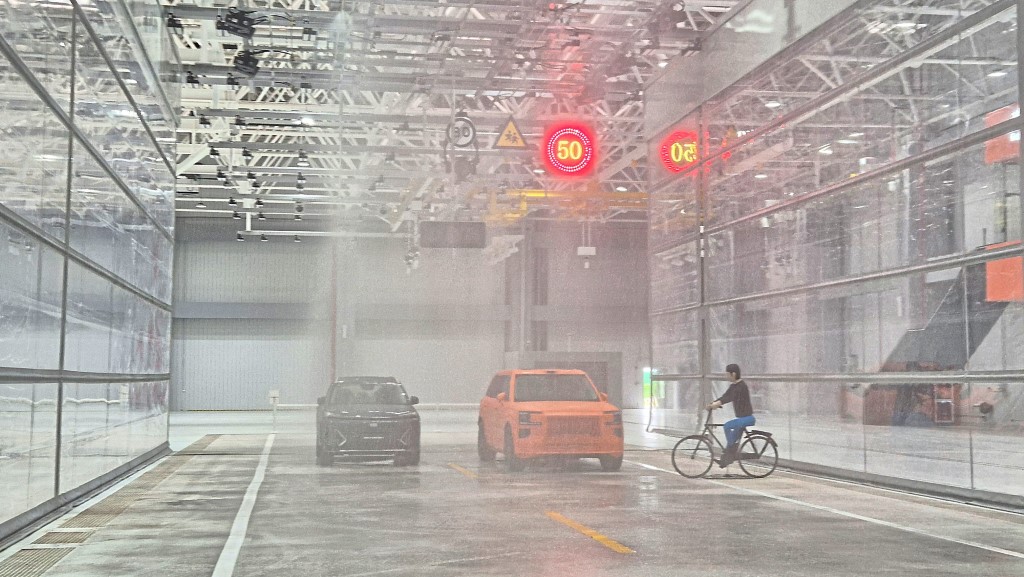
Beyond impact tracks, the facility houses a 28,536sq m altitude-climate adjustable wind tunnel, which currently holds the record for the largest facility of its kind for car testing.
This is not just a tool for measuring aerodynamics, but also acts as a sophisticated climate chamber capable of simulating solar radiation, heavy rain, and even snow.
Wind speeds can also be generated to reach up to 250kph, so that engineers can test how a vehicle’s safety systems and mechanical integrity perform under extreme environmental stress.
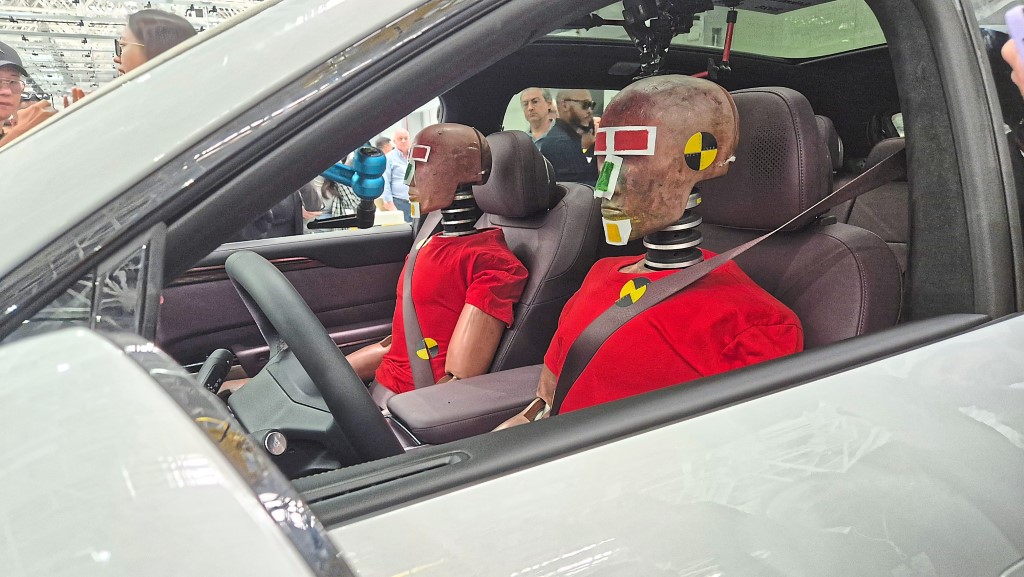
Whether it is a sensor being obscured by heavy precipitation or a vehicle’s response to intense solar radiation, the centre is said to provide data that was previously considered unattainable.
Through this automaker’s vision, this facility was built to address a comprehensive safety level in mind - one that’s currently transitioning vehicles from being a mere mechanical machine to a mobile computer.
While physical crashworthiness remains a priority, the centre is pioneering the integration of digital security into the safety standard, hence a dedicated cybersecurity testing wing.
As vehicles become increasingly connected and reliant on over-the-air (OTA) updates, they too become vulnerable to new types of threats.
The centre is also equipped to perform CNAS-certified (China National Accreditation Service for Conformity) testing to evaluate multiple attack vectors by allowing engineers to scrutinise everything from vehicle chips and firmware to data transmission and encryption protocols - thereby helping to ensure vehicles are secure in both physical and digital sense.
The testing capabilities extend to 27 different categories, the most ever offered by an automaker-owned laboratory, which includes advanced pedestrian protection tests, where the vehicle’s exterior design and active safety features are evaluated for their ability to minimise injury to those outside the vehicle.
There is also a dedicated focus on battery and new energy powertrain safety, which is essential as the world transitions toward electric mobility.
The facility can simulate various failure modes to ensure that the power plants of the future remain stable even in the event of an unfortunate collision.
One of the more unique aspects of the centre is its human-centric approach to health-related safety evaluations.
While most labs focus on what happens during a crash, this automaker is also concerned with what happens inside the cabin during daily use, with a focus on well-being via air quality and environmental health.
Over the past decade, the company said that it has invested heavily in research and development, with safety consistently positioned as its core priority - a key importance given its strategic partnership with Proton.
Such technologies developed and validated at its Ningbo facility will, sooner or later, find their way into Geely’s future models destined for the Southeast Asian region, and this should further improve vehicle safety, directly leading to a more secure daily commute for all.