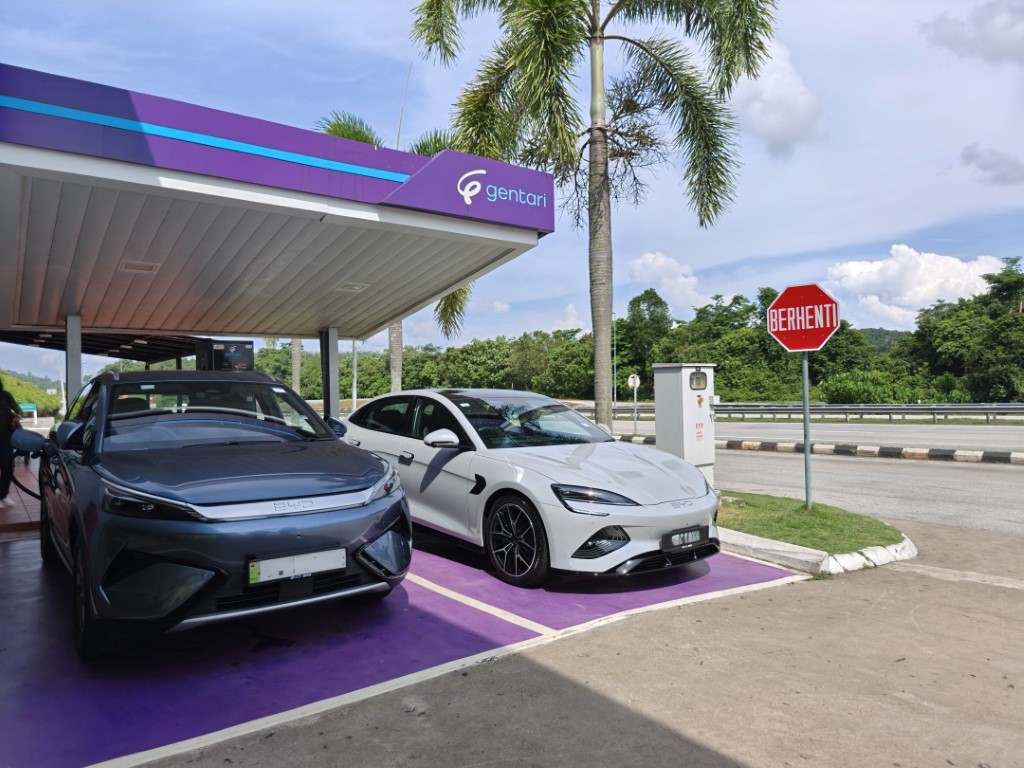
KUANTAN: The next phase of Malaysia's electric vehicle (EV) charging development will focus less on adding chargers and more on improving how the network serves drivers, according to Gentari.
The Petronas-owned clean energy company outlined its 2026 direction during a media visit to its Voltage Renewables Sdn Bhd (VRSB) solar facility in Gebeng, Pahang, where it highlighted plans to improve charging accessibility, reliability and long-distance travel convenience as EV adoption continues to grow.
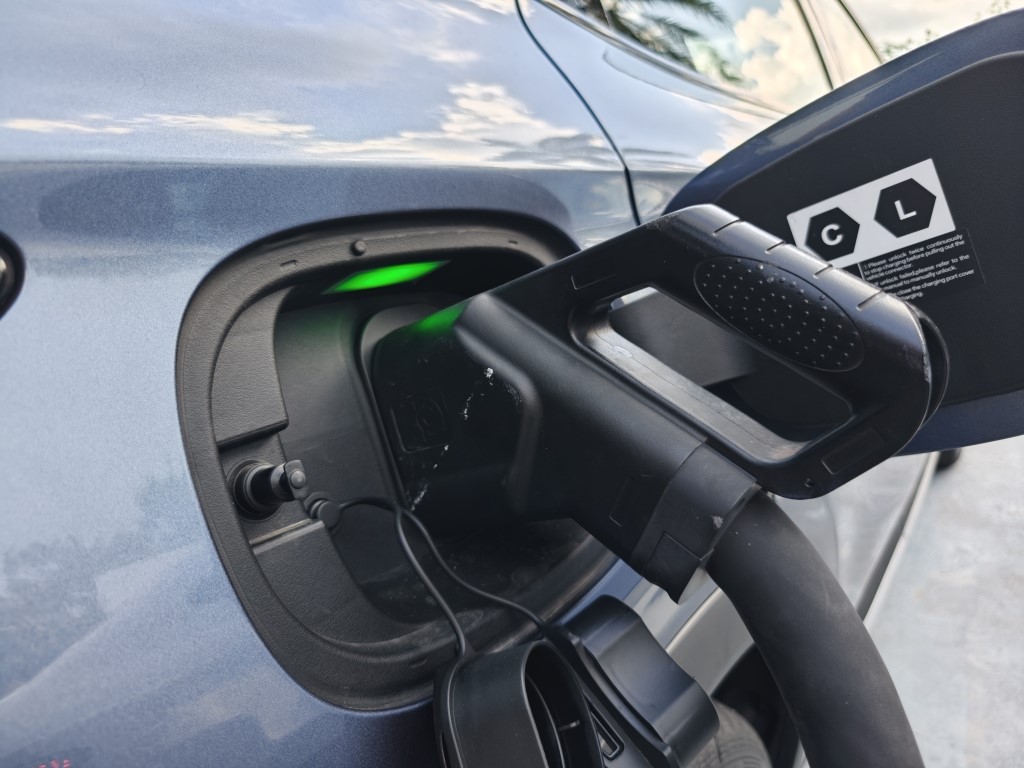
Gentari currently operates more than 600 EV charging points nationwide, while its Gentari Go platform provides access to over 10,000 charging points across Malaysia, Singapore and Thailand through roaming partnerships.
The company is focusing on optimising network usage, with emphasis placed on highways, intercity routes and densely populated urban areas where charging reliability matters most.
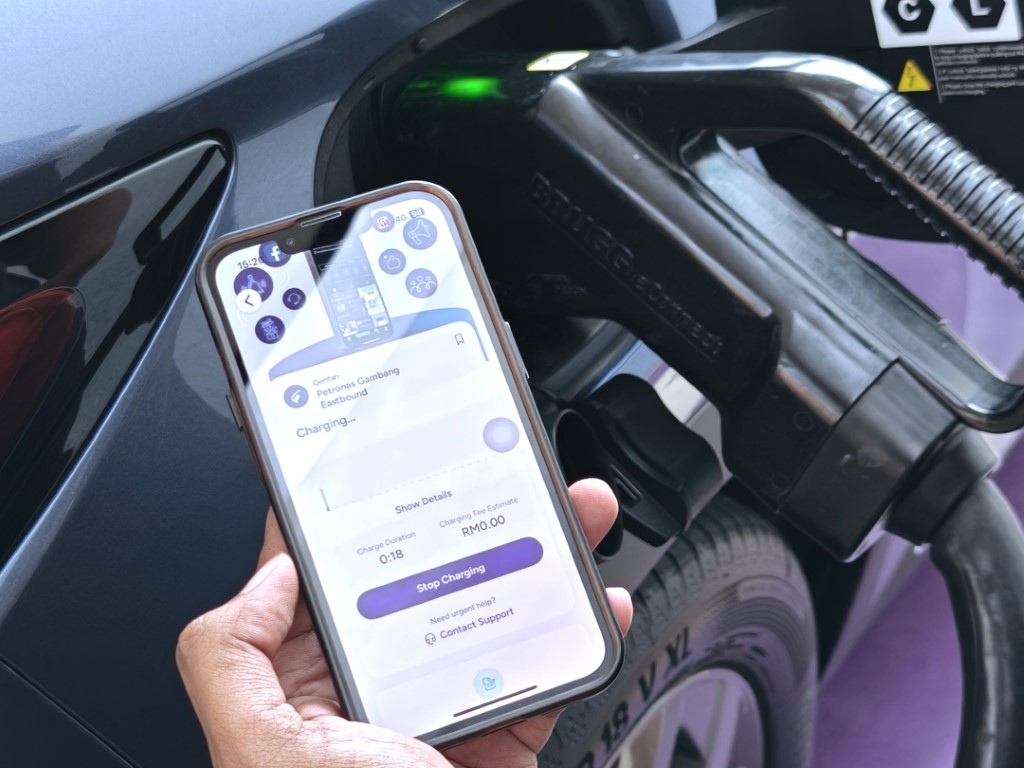
The East Coast remains an important part of that strategy, with Gentari operating 25 charging locations across Pahang, Terengganu and Kelantan to support longer-distance EV travel beyond major urban centres.
A recent example is the upgrade at Petronas Penchala Link (Damansara-bound), where a single 24kW charger was replaced with three 200kW DC fast chargers.
Gentari sees such upgrades as an important step towards establishing high-speed intercity charging corridors as EV ownership expands beyond early adopters and into the mainstream market.
The company is also enhancing the user experience through its Gentari Go platform, which now offers access to charging points across three countries and includes features such as route-based charger discovery and roaming integration.
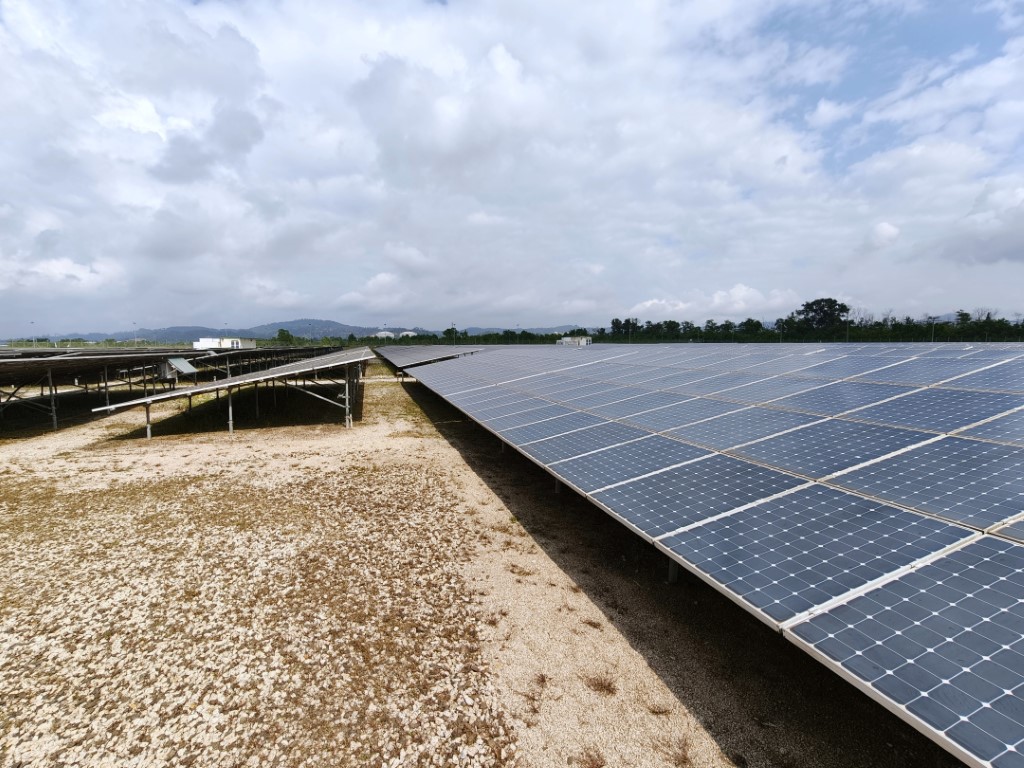
Behind the charging network is Gentari's broader clean energy business.
The company has accumulated 9.1GW of installed and under-construction renewable energy capacity globally, with solar accounting for approximately 80% of its project pipeline.
In Malaysia, its renewable energy portfolio continues to expand, with the 150MWp Large-Scale Solar 5 (LSS5) project in Kedah expected to come online next year.
As EV adoption grows, the availability of low-carbon electricity will play an increasingly important role in maximising the environmental benefits of electrified mobility.
The VRSB facility illustrates one part of that ecosystem.
Commissioned in 2014, the 10MW solar farm feeds electricity into the national grid and has generated more than 125 million kWh of power to date.
Gentari estimates that amount of energy is equivalent to enabling over 836 million kilometres of EV travel.
Gentari's strategy highlights the connection between EV adoption and renewable energy, both of which play an important role in Malaysia's transition towards net-zero emissions.