NEW YORK: Top automakers General Motors and Toyota reported lower first-quarter sales in the US on Wednesday, as economic uncertainty, high borrowing costs and vehicle prices kept buyers on the sidelines.
Vehicle sales decreased 5.3% in the three-month period compared with the prior year, according to research firm Omdia.
"The loss of EV tax credits, coupled with ongoing elevated interest rates and vehicle prices will lead to a slower pace," said Charlie Chesbrough, senior economist at Cox Automotive.
GM reported a nearly 10% drop in sales to 626,429 vehicles, hit by winter storms early in the quarter and an unfavorable comparison due to a strong surge of sales in the year-ago period.
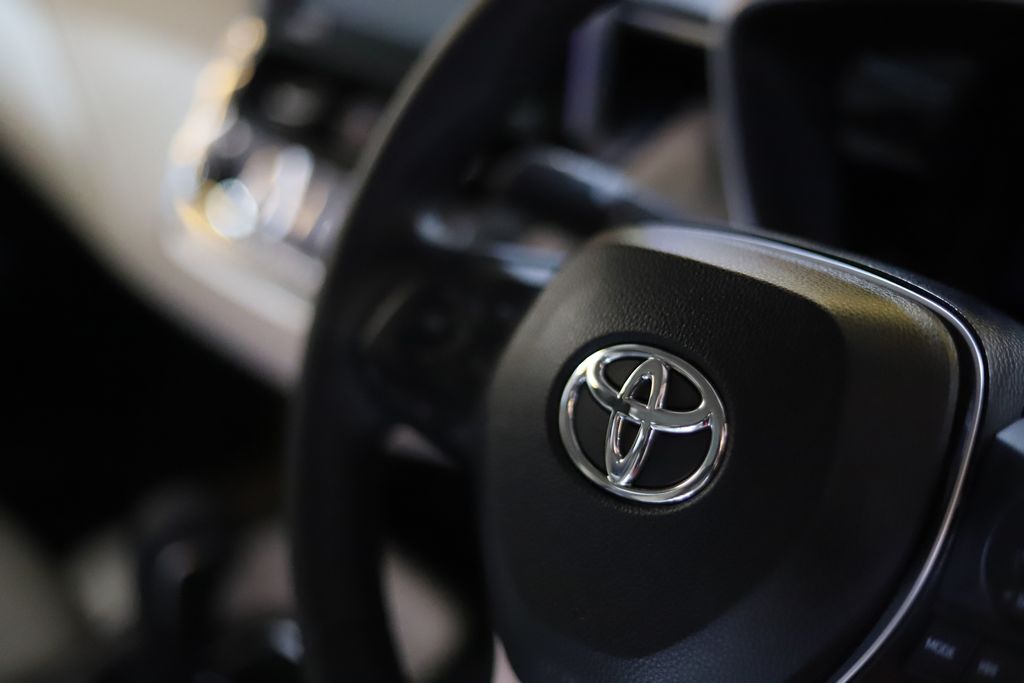
But the company still held on to its top spot for quarterly sales, followed by Japan's Toyota, which reported a marginal drop in sales to 569,420 units, helped by steady demand for crossover SUVs like the RAV4.
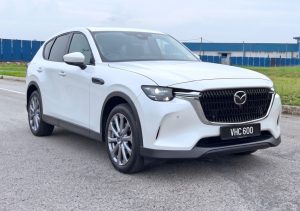
Mazda, too, reported a drop of about 14% in quarterly sales.
Stellantis is slowly rebounding from a long sales slump, recording a 4% sales increase in the U.S. for the quarter, helped by improvements in the Ram and Jeep brands.
Hyundai and Honda reported higher numbers, buoyed by demand for their SUVs, trucks and hybrid models.
FUEL COSTS SURGE
The Iran war has added to the strain on the market, with rising oil prices posing a risk to consumer spending.
Petrol prices are approaching a national average of US$4 (RM16.11) per gallon.
But Scott Bell, vice president, global, at Chevrolet, said he was optimistic about the carmaker's outlook for the year, adding that the higher fuel prices had yet to significantly hit demand.
Although pricier fuel typically boosts interest in electric vehicles, analysts say overall demand could be hit if car prices stay high.
EV sales, which surged ahead of a federal incentive cut last year, were expected to fall about 28% in the first quarter, Cox said.
"Pure EV shopping interest has climbed to its highest point so far in 2026," said Erin Keating, senior director of economy and industry insights at Cox Automotive.
"We've had peaks before, so while this trend is encouraging, we're not in uncharted territory," she said.
Hyundai's North American chief, Randy Parker, said he expected higher fuel prices to be around for a while.
"It's brought the consumer back to thinking about hybrids, thinking about EVs, thinking about fuel efficiency," he told reporters on Wednesday.
At dealership lots, rising inventory levels are driving more competition among dealers, which could benefit buyers looking for better deals.
"When you have more vehicles than you have customers, it is going to be very competitive," said Jason Hoff, CEO of Mercedes-Benz North America.
Jim Walen, a Stellantis and Hyundai dealer in Seattle, expects flat sales this year as consumer sentiment weakens, even as automakers push for growth, potentially leading to higher discounts.