BAODING, China: GREAT Wall Motor (GWM) chief engineer Yvan Le Neindre looks at things in a straightforward manner - large and heavy vehicles expose the weaknesses of conventional hybrid systems.
“More weight means less performance,” he said, outlining the rationale behind the company’s Hybrid Intelligent 4WD (Hi4) Performance system.
In smaller cars, traditional hybrid layouts work well by balancing efficiency with acceptable pace, but once its mass increases, the equation changes – engines are forced to work harder, thus, efficiency takes a hit and performance suffers.
“An engine that is overloaded might not be able to get the same fuel savings,” Le Neindre explains.
“This is one of the challenges we are facing when we have heavy vehicles.”
Moving from a medium-sized model to a larger J-segment vehicle can result in a significant weight jump.
The J-segment covers sports utility vehicles (SUVs), crossovers, and 4x4 vehicles.
In some cases, the increase approaches 46% to 47% under certain load and acceleration scenarios.

That extra mass does not simply blunt acceleration; it pushes the engine outside its optimal efficiency window.
The result is a double penalty – slower performance and higher consumption.
“For the J-segment, we needed to find another solution, and that’s why the Hi4 Performance solution was created,” he added.
At the heart of Hi4 Performance is a fundamentally reworked drivetrain which pairs a 1.5-litre turbocharged engine with two electric motors and a critical four-speed Dedicated Hybrid Transmission (DHT).
“With two speeds, we cannot find the optimal set point for the engine.
“With four speeds, we have a wider degree of freedom where we can better tune the set point and get the efficiency,” he said.
In practical terms, the additional ratios allow the engine to operate closer to its “sweet spot” across a broader range of velocities.
Whether cruising at motorway pace or climbing a gradient, the system can select a more appropriate gear while direct drive remains available across much of the speed range, reducing unnecessary energy conversion losses.
The package has also been engineered to be modular.
That flexibility allows GWM to deploy the architecture across different vehicle types and segments without redesigning the entire system.
“Based on this, we can attain a 0 to 100kph acceleration time of 4.7 seconds,” Le Neindre said in reference to some of GWM’s vehicles - making it clear that the Hi4 Performance system is not conceived as a compromised solution, but rather reverses the long-standing assumption that heavy equals slow.
He referenced internal comparisons between a 2.0-tonne hybrid vehicle and a 2.6-tonne model that uses the Hi4 Performance architecture.
Despite a 600kg weight difference, the heavier vehicle delivers stronger dynamic responses than mainstream hybrid rivals.
“For most of the competitors, we get the best performance from 0 to 100kph sprints, and we also have a much longer torque distribution.”
The latter is the most crucial for a sustained, usable torque across a wider band of speeds, thereby translating it to better overtaking abilities and steadier high-speed performance.
Yet, outright pace is only half the story, with the other half dedicated to efficiency, especially at motorway speeds where hybrids are often tested hardest.
“We can ensure that we always have direct drive across the whole range of speed,” he says.
“This way, we can always find the best efficiency.”
He offers a familiar scenario where a vehicle is travelling at 120kph on a highway incline.
In such conditions, conventional single-speed hybrid systems can struggle to keep the engine within its most efficient operating range, and while it can provide up to about a 4% improvement in efficiency, a vehicle with a Hi4 Performance system could gain as much as 6%.
The advantage stems from two key factors – direct drive capability and the flexibility accorded by four gear ratios.
“You can adjust to every driving condition and ensure the best efficiency for the customer,” he says.
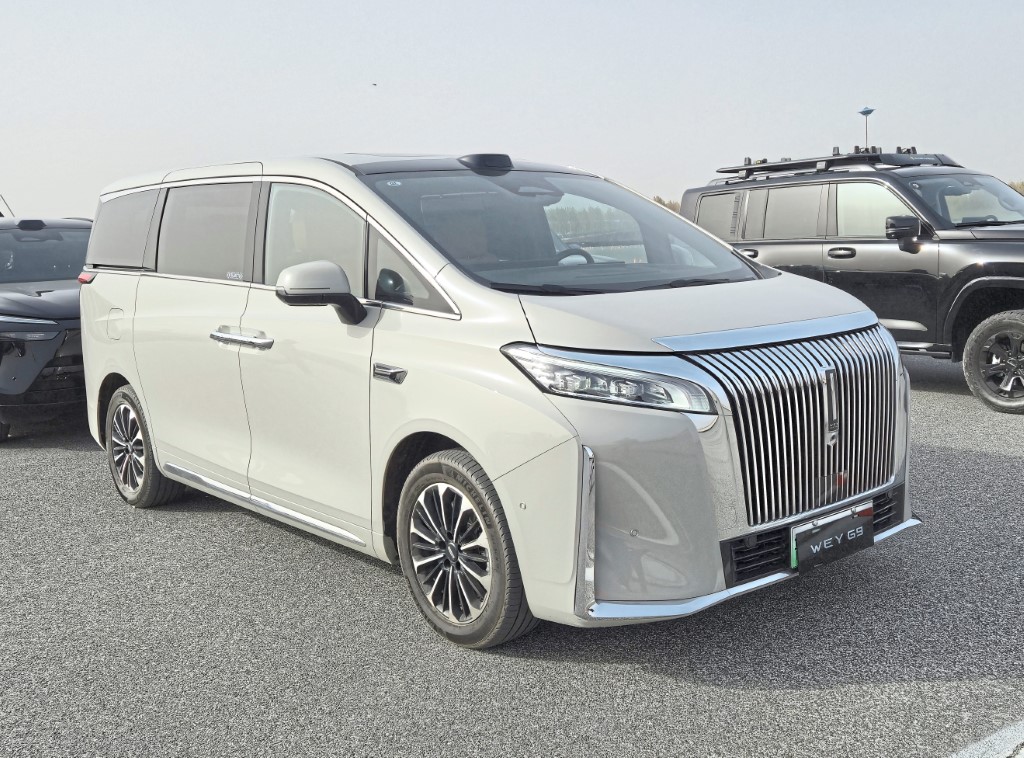
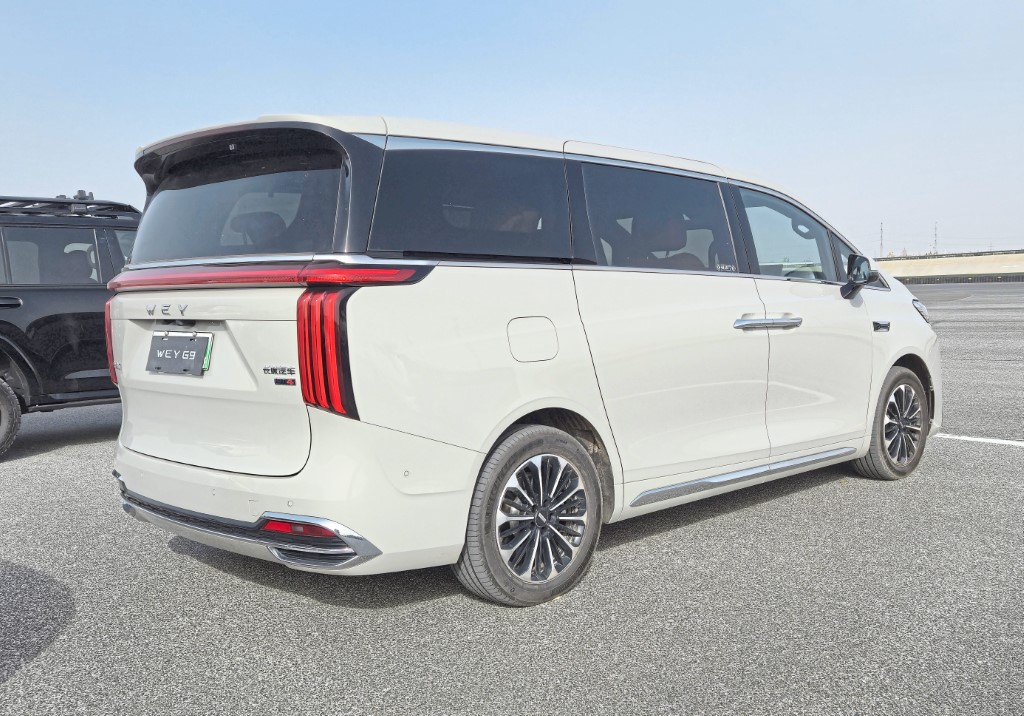
The system is no longer theoretical, since it is already on sale, particularly in Malaysia and can be found in the recently launched luxury Wey G9 plug-in hybrid electric vehicle (PHEV).
Globally, more than 40,000 units equipped with the Hi4 Performance architecture have been sold to date.
For a relatively new hybrid configuration, that is a significant milestone.
Behind the scenes, validation has been extensive as Le Neindre pointed to a development programme that includes over 1,600 types of verification equipment and thousands of kilometres of testing across varied environments - the aim is durability as much as dynamism.
From the initial admission that “more weight means less performance” to a claimed 4.7-second sprint time and measurable efficiency gains over rival architectures, Hi4 Performance represents GWM’s answer to the heavy hybrid dilemma.
The message from Le Neindre is clear.
With the right architecture, large and comfortable vehicles no longer need to trade power for efficiency.