BAODING, China: FOR Great Wall Motor (GWM), safety validation does not begin with marketing claims, but rather, it all begins with the impact.
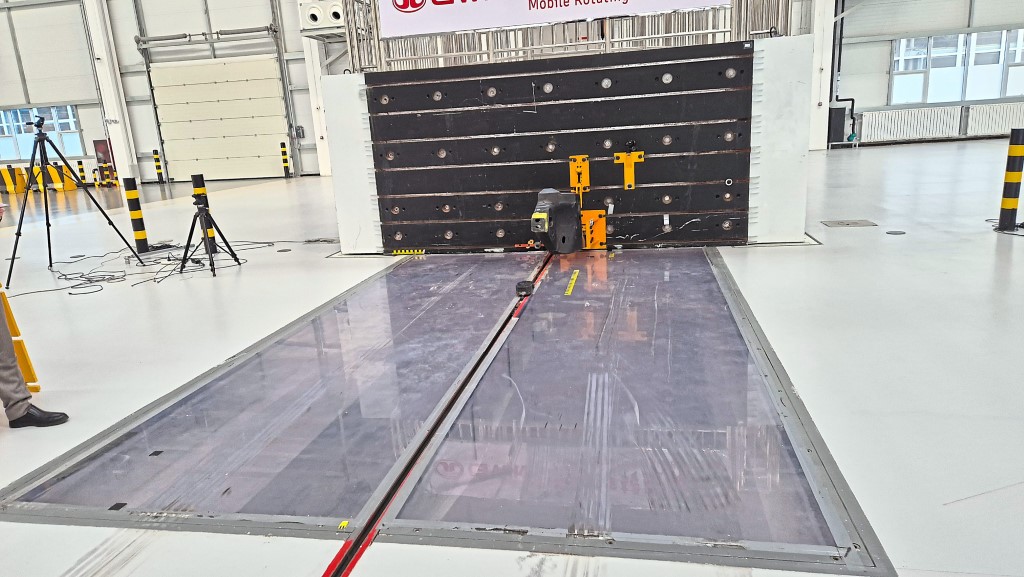
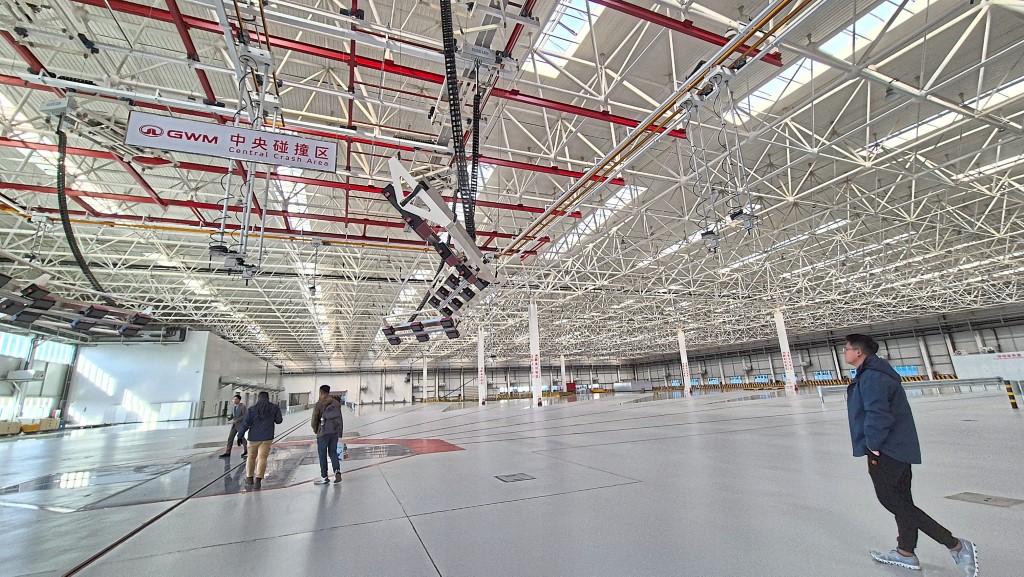
The carmaker operates its own full-scale crash test facility that spans 57,000 sq m in Baoding, China and represents an investment of 510 million yuan (RM290.8mil).
The facility is designed to meet global protocols, from America’s National Highway Traffic Safety Administration (NHTSA) requirements to Europe’s Euro New Car Assessment Programme (NCAP) standards.
Rather than it being a simple installation, it is, in fact, a working laboratory.
Between three and five crash tests are conducted daily consisting of frontal impacts, offset collisions, and side strikes, among others.
Each scenario is used to replicate real-world accident conditions with forensic precision.
High-speed cameras record at 4,000 frames per second, with every millisecond of deformation being captured.
Engineers will later dissect the footage frame by frame, with one ultimate goal – understand exactly how energy travels through the structure and how the cabin protects its occupants.
Rollover testing forms part of the programme, with each vehicle getting propelled up a ramp at 50kph before being tipped into a controlled roll.
The method differs from some rivals, but the objective is the same – ensure structural integrity and occupant survival space remain intact.
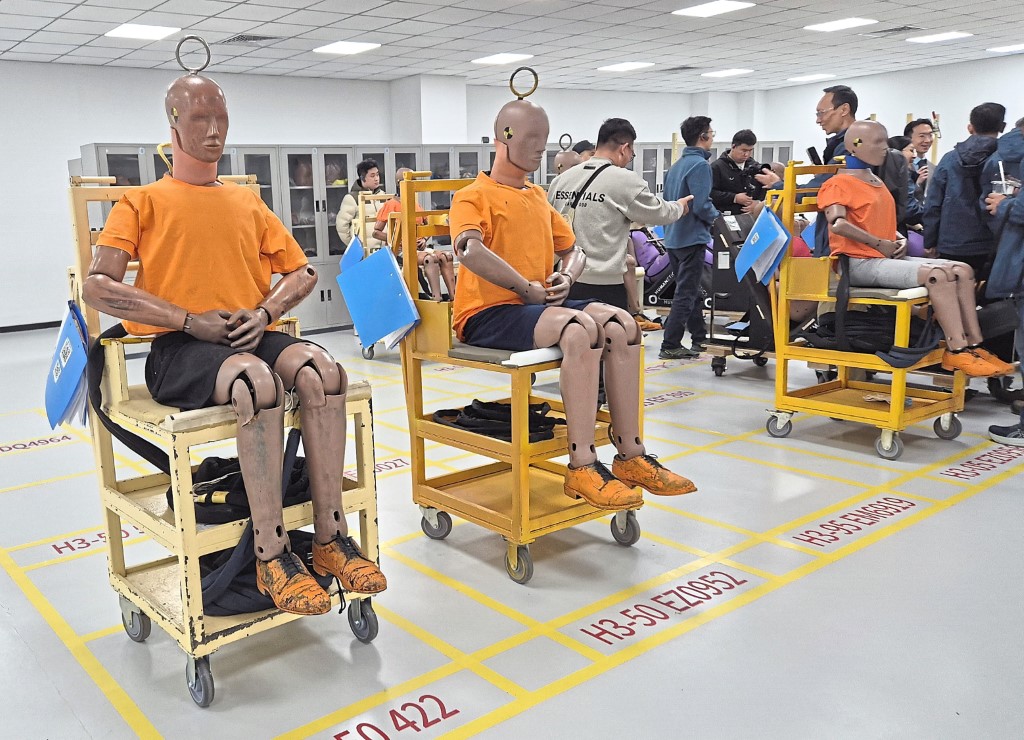
Inside the cabin are some of the most expensive components in the building, crash-test dummies.
Adult dummies cost between five and 10 million yuan (RM5.7mil) each, with child dummies costing less at around 50,000 yuan (RM28,510).
Each is fitted with an array of sensors that measure forces acting on the head, chest, pelvis and limbs.
Data collection is rigorous, with injury criteria calculated, structural weak-points identified, and reinforcements are redesigned if required.
With electrification, this has added another layer of scrutiny, where battery electric and plug-in hybrid vehicles are transferred to a post-test observation room after impact.
There they remain under monitoring for 24 hours, where thermal cameras track battery temperatures, and engineers watch for signs of delayed thermal events.
If a battery pack shows any risk of ignition, the vehicle can be lowered by 1.2m into a dedicated water bath that will help to contain and suppress potential fires quickly and safely.
This is a reminder that modern safety extends beyond crumple zones and airbags these days, as battery stability and post-impact behaviour are now critical factors.
The facility supports the development of models across GWM’s expanding portfolio, from internal combustion vehicles to hybrids and fully electric products.
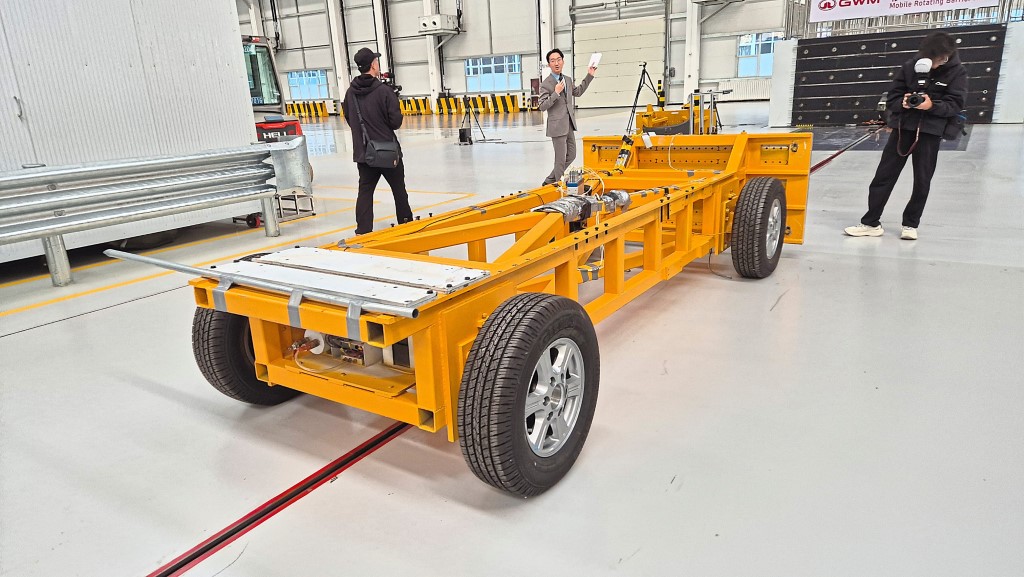
Each must clear internal benchmarks before facing external certification bodies, and for global markets, such as ours, it matters.
Meeting Euro NCAP or NHTSA requirements is not optional for brands with international ambitions, and by investing in its own crash centre, GWM is able to maintain tight control over development timelines and validation standards.
As vehicles grow larger and more complex, and as electrified powertrains introduce new variables, the margin for error narrows.
Performance figures may dominate headlines, charging times may attract attention, but in this the focus is more fundamental at impact survival.
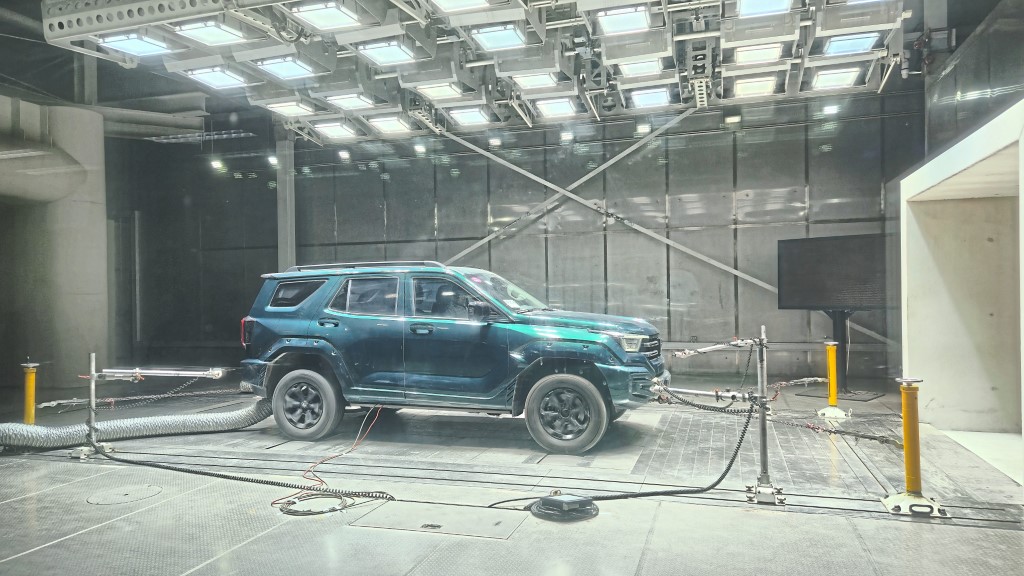
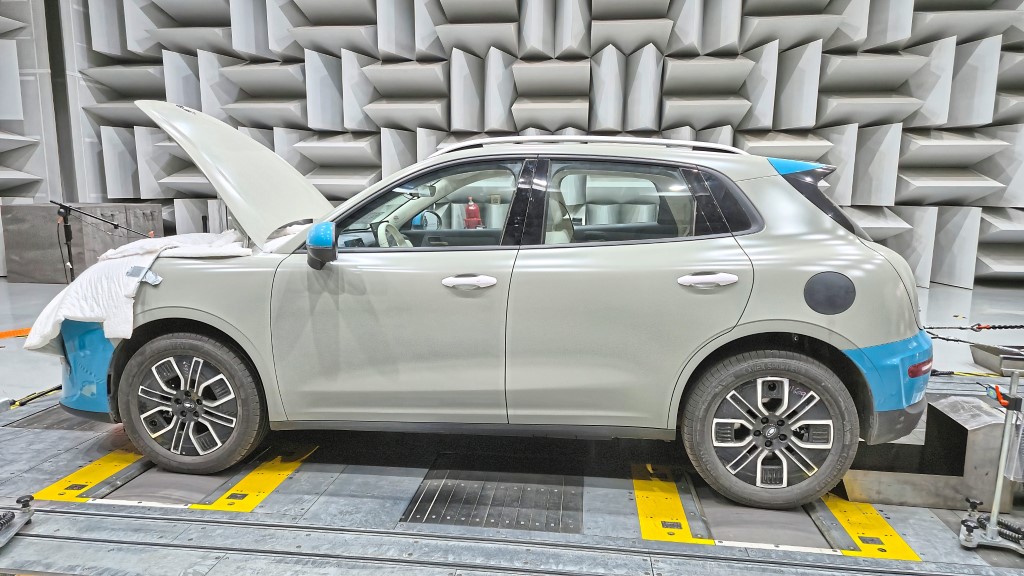
Aside from the crash test facility, it also tests in-car and exhaust acoustics, the ability to withstand extreme temperatures, and aerodynamics.