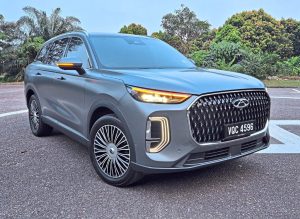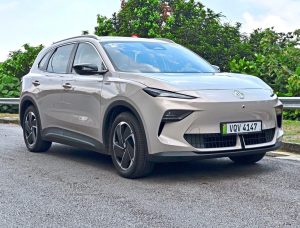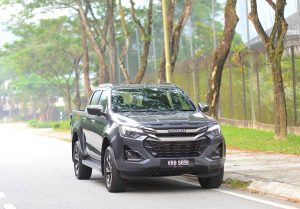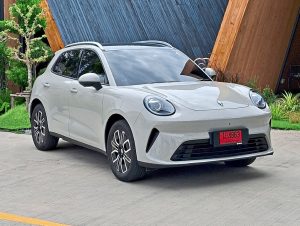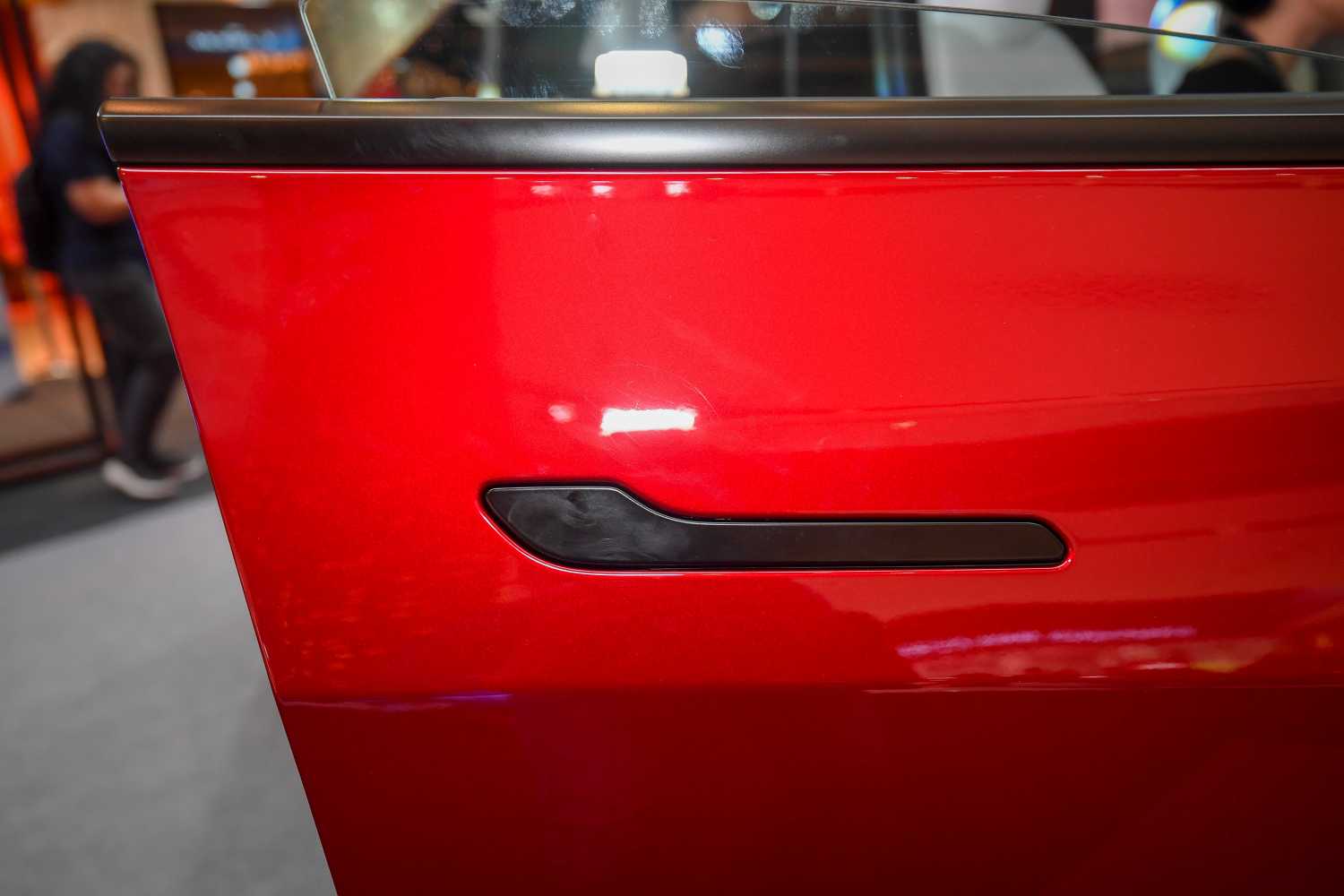
PETALING JAYA: As China moves to phase out “hidden” or retractable car door handles by 2027 over safety concerns, Malaysian transport experts are urging authorities to tighten inspections on new vehicles sold locally, warning that the sleek designs could pose deadly risks during emergencies.
The controversial door handles have come under scrutiny in both the United States and China following reports of occupants dying after being unable to open car doors during serious accidents.
Universiti Putra Malaysia Road Safety Research Centre head Assoc Prof Dr Law Teik Hua said all new car models should undergo strict safety checks to ensure their door handle systems comply with existing standards.
“The risks associated with hidden door handles are closely linked to emergency response and occupant survival during critical incidents such as collisions or fires,” he said.
Law explained that the main danger lies in the reliance on electronic systems to activate the handles.
“In a collision where the electrical system is compromised, electronic door handles can completely fail, trapping occupants inside the vehicle,” he said, adding that bystanders and emergency responders can also be delayed.
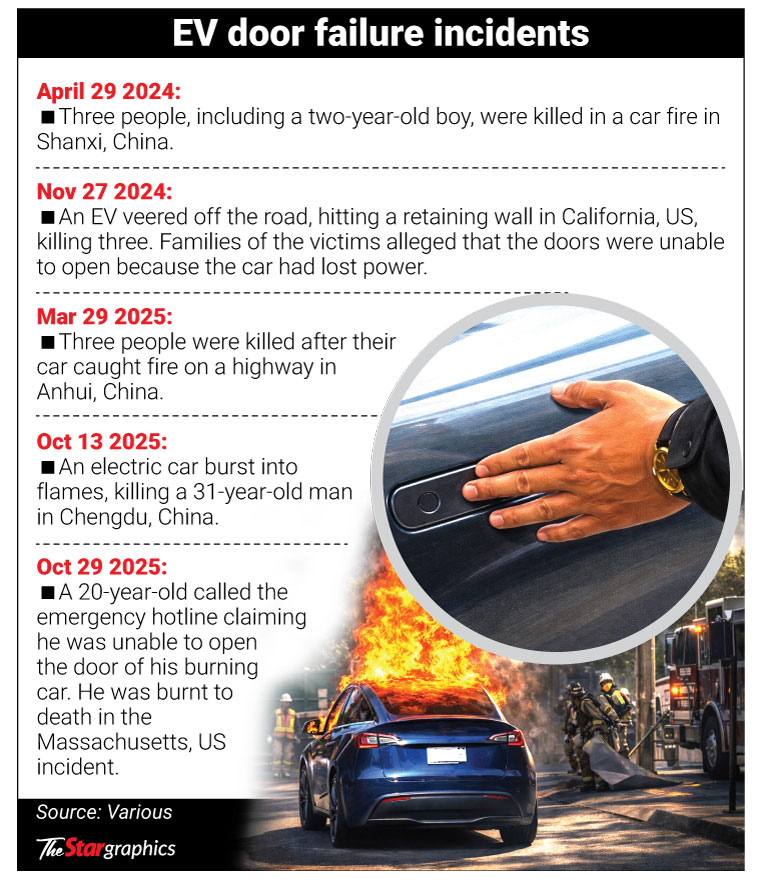
In an October incident last year in Chengdu, China, a driver died after hidden door handles could not be opened by passers-by or rescuers before the car burst into flames.
Law noted that China’s new regulation directly addresses these risks by requiring mechanical door handles on both the inside and outside of vehicles.
“Emergency responders can lose precious seconds searching for a way to open the door, while occupants may struggle to operate unfamiliar systems,” he said.
Universiti Pertahanan Nasional Malaysia Assoc Prof Dr Ng Choy Peng also urged the Road Transport Department (JPJ) to closely scrutinise upcoming electric vehicle (EV) models equipped with hidden door handles.
“It is extremely important that these systems comply with current safety standards.
“Given that the technology has yet to sufficiently address safety concerns, I would advise potential EV buyers to consider opting for traditional door handles rather than fully hidden ones for now,” said Ng, who is from the university’s Civil Engineering Department.
She explained that most hidden handles rely on electric actuators, sensors or software, which may shut down after a crash, preventing doors from unlocking.
“If occupants are unaware of the location of the mechanical override, the situation could potentially trap them.”
Ng added that similar failures could occur during floods, when water ingress may short-circuit electronic control units and disable door actuators.
“This increases the risk to occupants and may also delay emergency response efforts,” she said.
Transport expert Gary Foong echoed these concerns, saying new passenger vehicles sold in Malaysia should undergo proper homologation, inspection and certification by Sirim Bhd to ensure compliance with automotive safety standards.
“Such certification would help align new vehicle designs with proven safety benchmarks and provide greater assurance to consumers, emergency responders and the public.”
Foong warned that in situations involving power loss or structural damage, electronically operated handles may fail to deploy.
“In Malaysia’s hot climate, where post-collision fires can escalate rapidly, even brief delays in opening doors could have serious consequences.
“While some manufacturers include internal mechanical emergency releases, these are not always immediately apparent to passengers or rescuers unfamiliar with the vehicle,” he said.
China’s Ministry of Industry and Information Technology recently announced that all new vehicle models must comply with updated door handle safety requirements from Jan 1, 2027.
Under the new rules, every car door must be fitted with both exterior and interior handles, which must be clearly located and functional in the event of an accident.
The concerns come amid rapid growth in Malaysia’s EV market. Data from JPJ showed that EV registrations reached 44,813 vehicles as of last year, representing a 105.7% year-on-year increase compared with 21,789 units previously.
In December alone, 8,123 EVs were registered, more than triple the figure recorded a year earlier.