PETALING JAYA: With biodiesel plants operating below full capacity, there is significant room to expand the national biodiesel blend from B10 to B20 and B30, says Datuk Seri Noraini Ahmad.
“At present, most areas in Malaysia are still operating with the B10 blend for the transport sector.
“Therefore, there is considerable scope to support the increase of the national biodiesel blend from B10 to B20 and B30,” said the Plantation Industries and Commodities Minister.
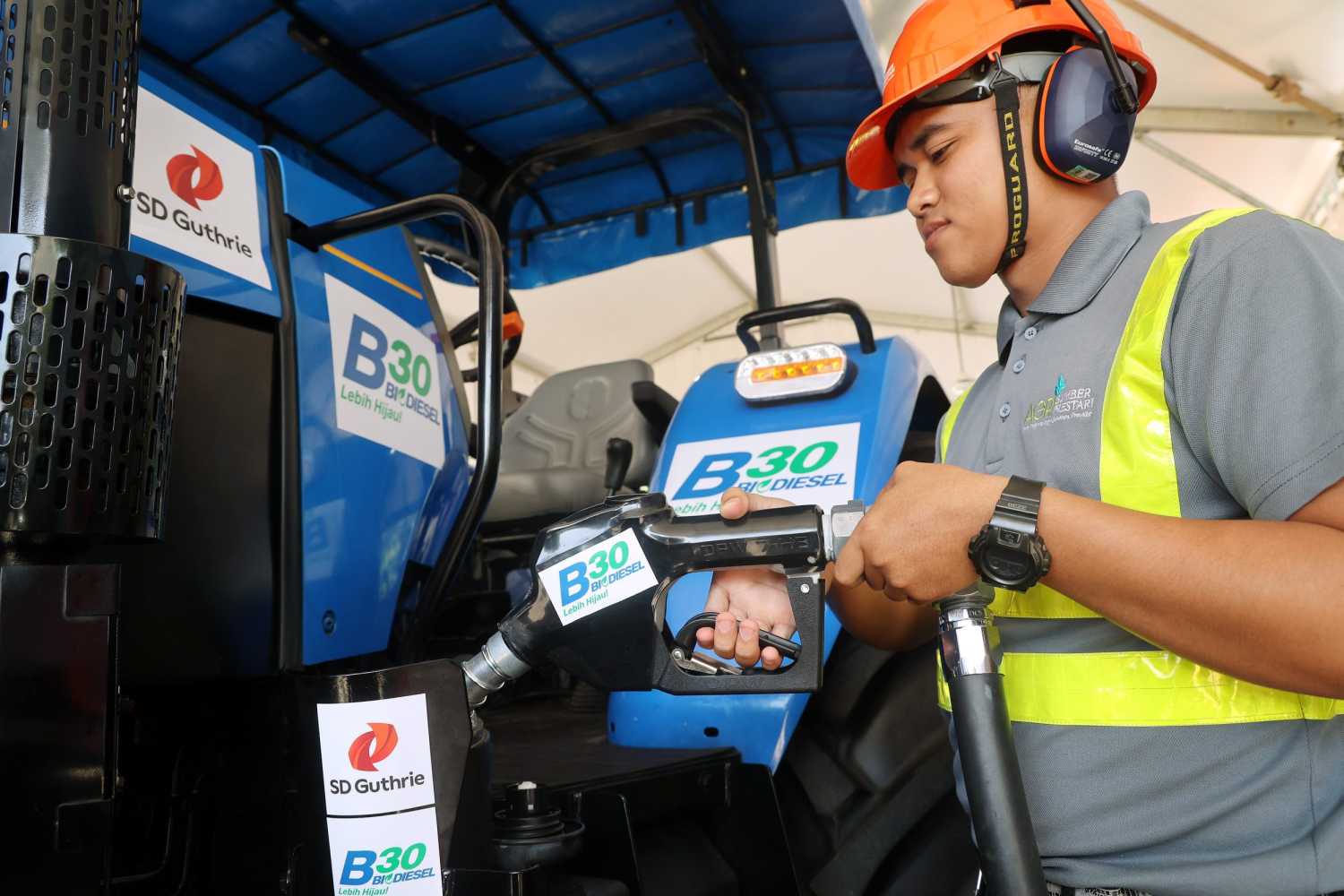
B10, B20 and B30 biodiesel refers to diesel fuels blended with 10%, 20% and 30% palm oil-based biodiesel, respectively, with the remainder being conventional petroleum diesel.
In 2025, Malaysia’s biodiesel output stood at 975,207.29 tonnes, compared to a maximum production capacity of 2.36 million tonnes.
This indicates that biodiesel plants are operating at just 41.3% of capacity.
“In terms of plans to expand the use of B20 nationwide, the government will implement this progressively, taking into account the sensitivity of palm oil prices relative to current petroleum prices,” she said.
She added that the availability and upgrading of blending depot infrastructure nationwide must also be prioritised.
“Allocations have been provided under the 13th Malaysia Plan 2026-2030 to upgrade biodiesel blending depot facilities in Sandakan, Tawau, Sepanggar and Bintulu to support production of B20 and B30 biodiesel.
“The upgrading of these biodiesel blending depots will be implemented in phases to ensure infrastructure improvements are carried out in a well-planned and effective manner, taking into account the country’s fiscal position,” she said.
Launched in 2011, the National Biodiesel Programme began with B5, followed by B7 in 2014 and B10 in 2019.
Since January 2020, the B20 Biodiesel Programme has been implemented in phases including for transport use in Langkawi, Labuan and Sarawak (excluding Bintulu).
For the industrial sector, the government has implemented the B7 programme since July 2019.
Noraini said the government remains committed to encouraging the use of palm-based biodiesel at higher blending rates.
Through the Malaysian Palm Oil Board, research and pilot trials are being conducted on palm-based biodiesel for four-wheel drive vehicles, machinery and ground service vehicles at airports and ports.
Among the pilot projects is the B20 palm biodiesel trial for ground service vehicles at Kuala Lumpur International Airport, which began in February last year and is expected to conclude in August.
Projects are being carried out on machinery and vessels at four major ports: Port of Tanjung Pelepas, Northport (Port Klang), Johor Port and Kuching Port.
The Malaysian Biodiesel Association has urged the government to speed up implementation of higher biodiesel blends for transport and industrial use.