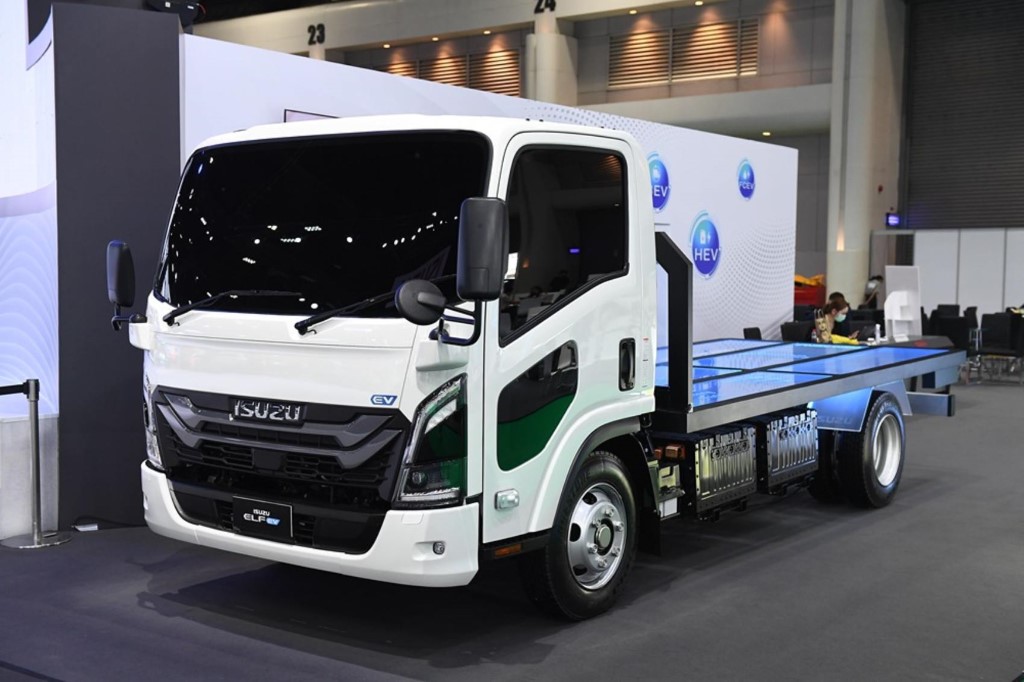
TOKYO: Isuzu Motors and Toyota Motor Corp will jointly develop Japan's first mass-produced hydrogen-powered light-duty fuel cell (FC) electric truck.
The new vehicle will be based on Isuzu's Elf EV (electric vehicle) light-duty truck, launched in 2023 and designed using I-MACS (Isuzu Modular Architecture and Component Standard), Isuzu's product development platform.
It will use Toyota's new fuel cell system (third-generation FC system).
Both companies aim to start production in financial year 2027.
Light-duty trucks are often used for deliveries to supermarkets, convenience stores, and other services.
In many cases, these vehicles are equipped with refrigeration or frozen storage capabilities and make multiple deliveries per day, requiring long operating hours and being driven long distances.
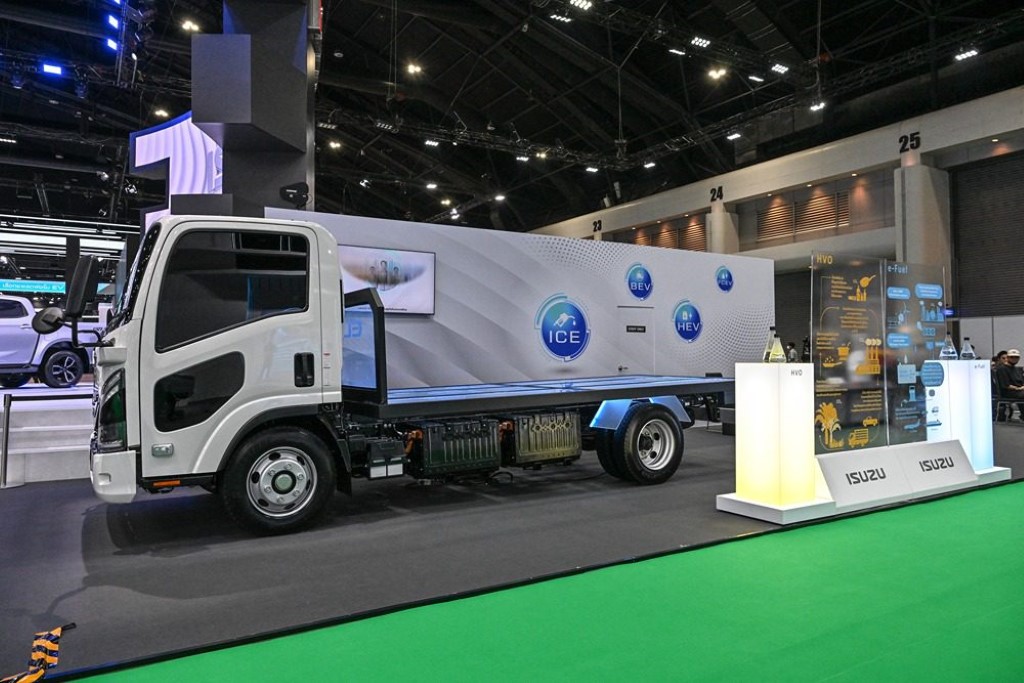
For such high-utilisation applications, fuel cell electric vehicles (FCEVs) which use hydrogen as a high-energy-density fuel, represent an effective option.
Compared to BEVs (battery electric vehicles), which face the challenge of long charging times, FCEVs can significantly reduce refueling time.
Furthermore, because they offer a long driving range per refueling, they are well-suited for harsh operating environments.
Furthermore, like BEVs, FCEVs produce little vibration or noise and emit no CO2 while in use, thereby contributing to reduced environmental impact.
One of the challenges to the widespread adoption of FCEVs is the high vehicle price point.
Isuzu is working to reduce costs by optimising the vehicle body structure and reviewing manufacturing processes.
Meanwhile, Toyota is undertaking similar efforts through innovations in fuel cell design and manufacturing processes.