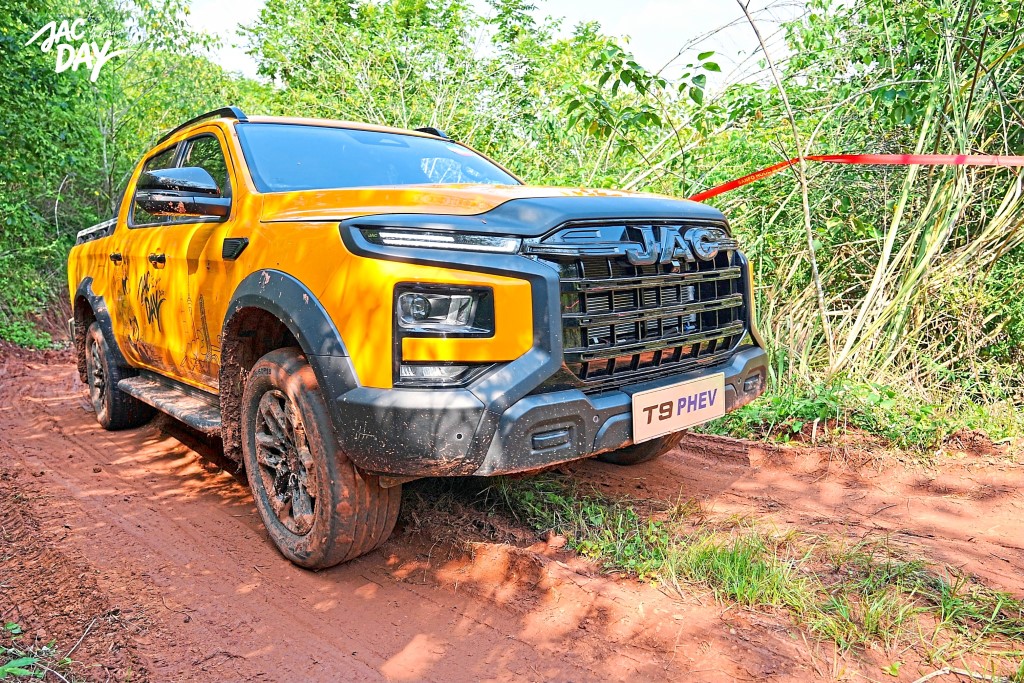
CHENGDU in August is as hot and humid as Malaysia; during our visit, there was no haze, unlike what now dogs large swathes of South-East Asia.
In these muggy conditions, we went off-roading in the JAC T9 PHEV – known as the Hantu PHEV in China and the Hunter PHEV in some export markets.
JAC, or Anhui Jianghuai Automobile Group, traces its roots to 1964 and built its reputation on commercial vehicles before expanding into passenger cars.
Held alongside the Chengdu International Motor Show, JAC Day 2026 brought overseas media, dealers and customers from more than 20 countries to sample the T9 PHEV, JS9, JS8 Pro, JS4 Pro and E30X.
The T9’s diesel and battery-electric siblings were also in the round-up.
For Malaysia, the T9 plug-in hybrid is of core interest.
It is expected to be the next addition after the diesel and electric versions introduced last year.
The export-specification pick-up we drove differed from the refreshed China-market Hantu PHEV displayed at the motor show.
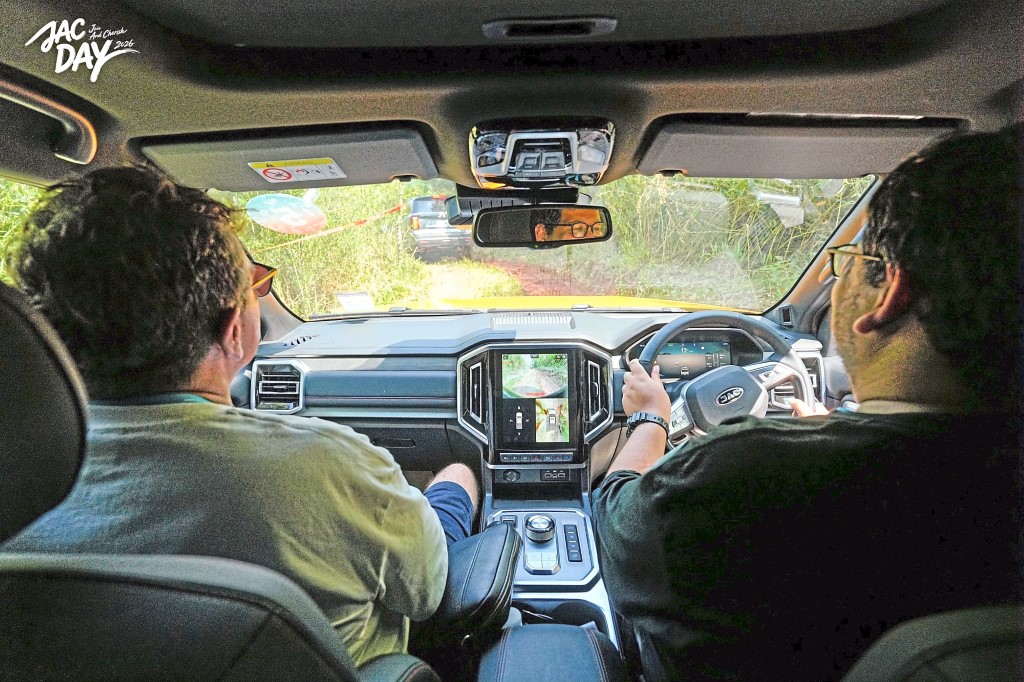
Sold in China since August 2025, the 2026 version mainly gains a redesigned cabin, more soft-touch trim and a 15.6-inch touchscreen.
The PHEV hardware is largely carried over.
Malaysia is set to receive the standard-wheelbase version, measuring 5,330mm long with a 3,110mm wheelbase.
It looks every bit the modern lifestyle pick-up: big, brawny and dominated by an in-your-face grille.
Up front, the seats are firm and supportive, while the rear bench offers useful adult legroom.
Chengdu is firmly panda country, home to the Chengdu Research Base of Giant Panda Breeding.
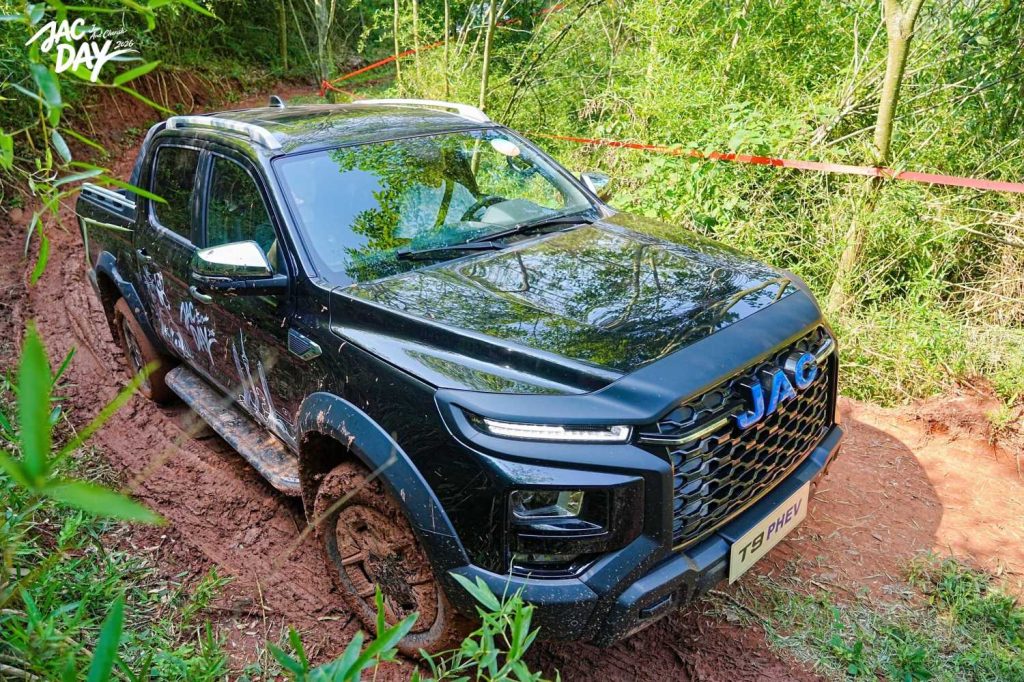
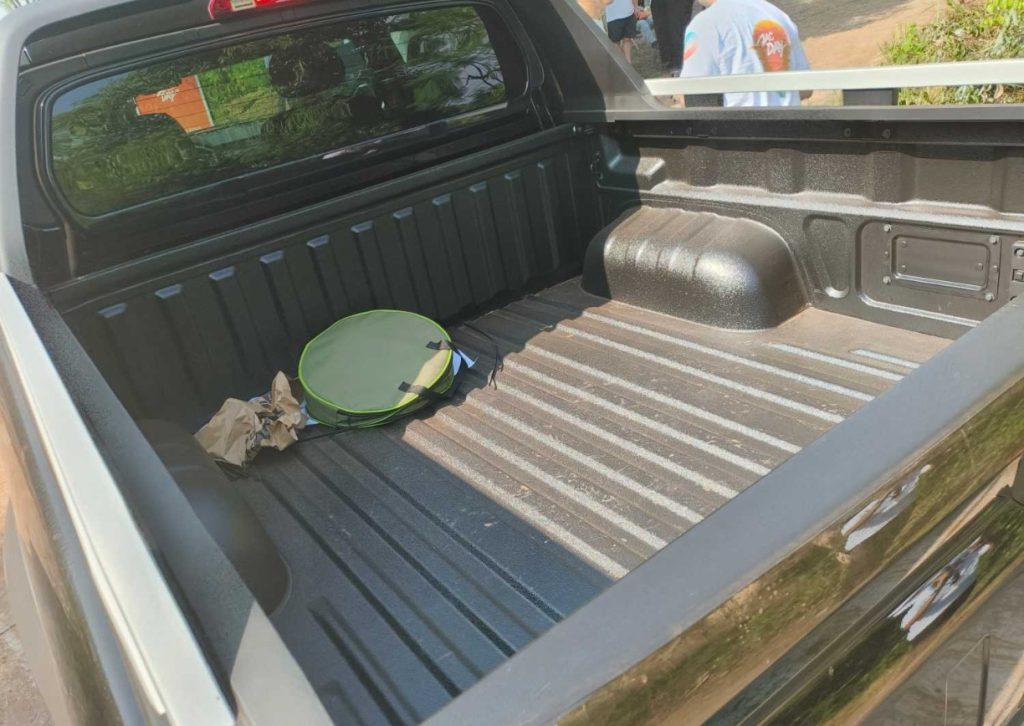
By local yardstick, the T9’s 1,520 x 1,590 x 470mm cargo bed could take two adult giant pandas at a pinch.
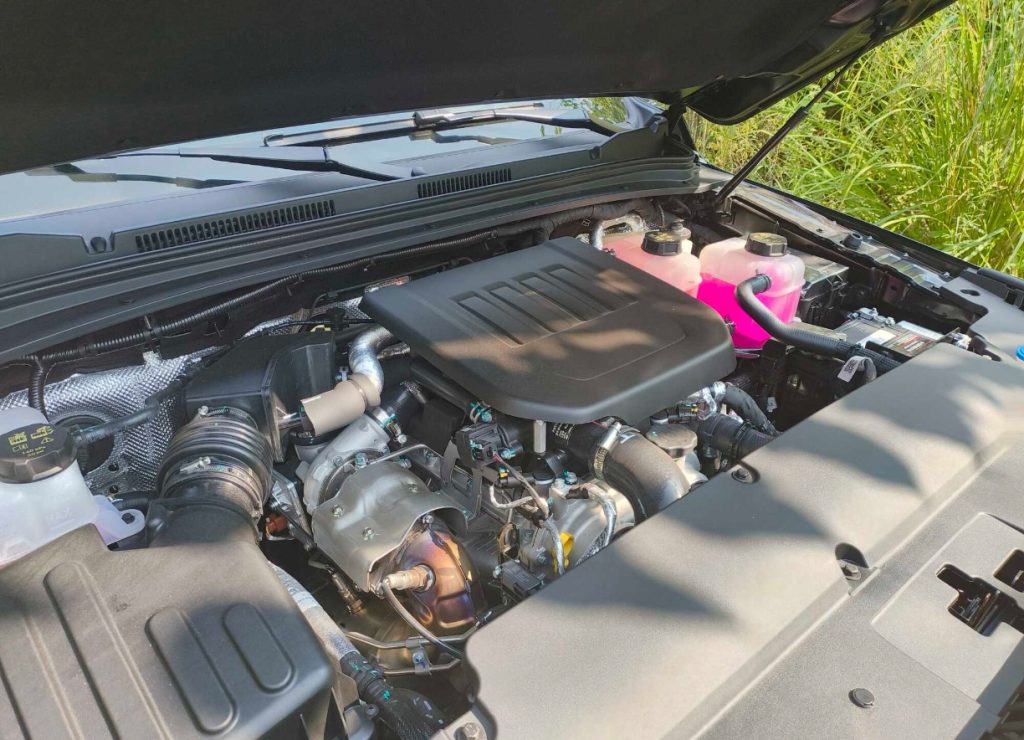
JAC quotes 385kW/516hp and 1,000Nm from the 2.0-litre turbo-petrol PHEV and dual-motor AWD system.
A 31.2kWh LFP battery provides about 100km of electric range, while combined range is 1,000km. Braked towing capacity is rated at 3,500kg.
There is no shortage of shove, but more useful off-road is how smoothly and precisely that torque can be delivered.
Careful pedal inputs let the T9 creep through ruts, climb steep sections without a rush of revs and maintain momentum on slippery ground.
Electric assistance means the driver does not have to chase revs to find useful torque, making it easier to feed in power on muddy inclines and rougher sections without upsetting the pick-up.
At low speeds, the steering is light and predictable enough to place the T9 confidently through tight sections, while the rotary gear selector is straightforward to use.
Behind it are four quick-access buttons for Off Road mode, the front and rear electronic differential locks and Tank Turn.
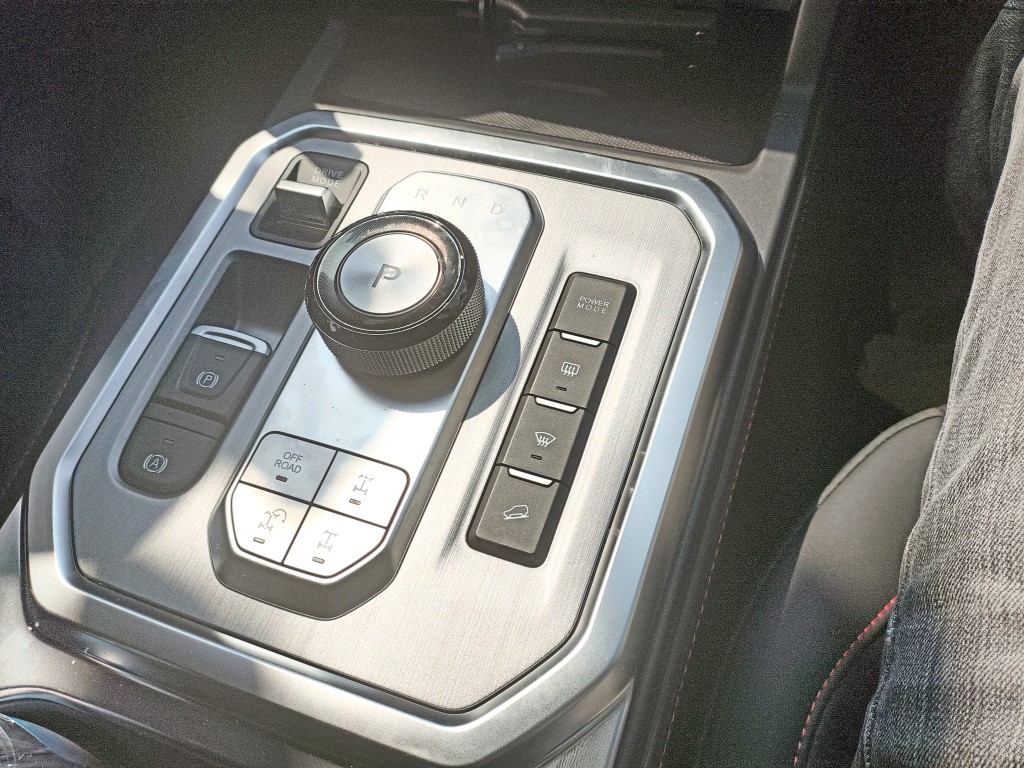
The AWD system also offers Snow, Mud, Sand and Rock terrain modes, plus an off-road cruise function that maintains low speed over difficult ground.
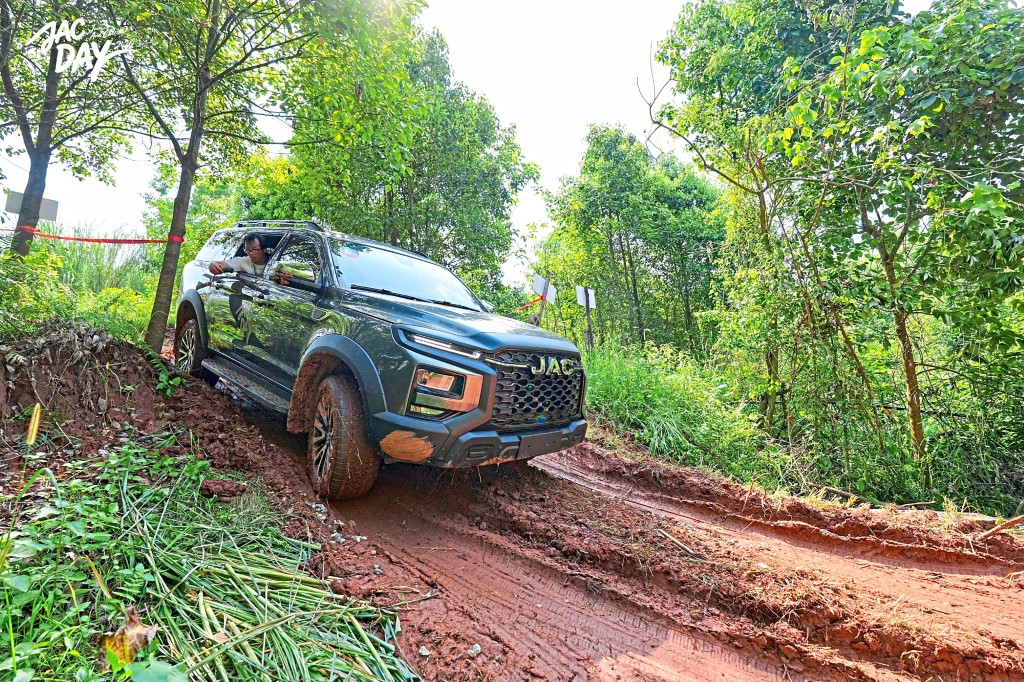
Our pick-up truck was bogged down once in a deeply rutted muddy stretch near a ravine, prompting the JAC instructor onboard to take over.
By working the steering from side to side while feeding in power, he eventually found enough traction to free the PHEV before handing the wheel back.
It then tackled more rutted tracks, descents and rocky sections surprisingly well.
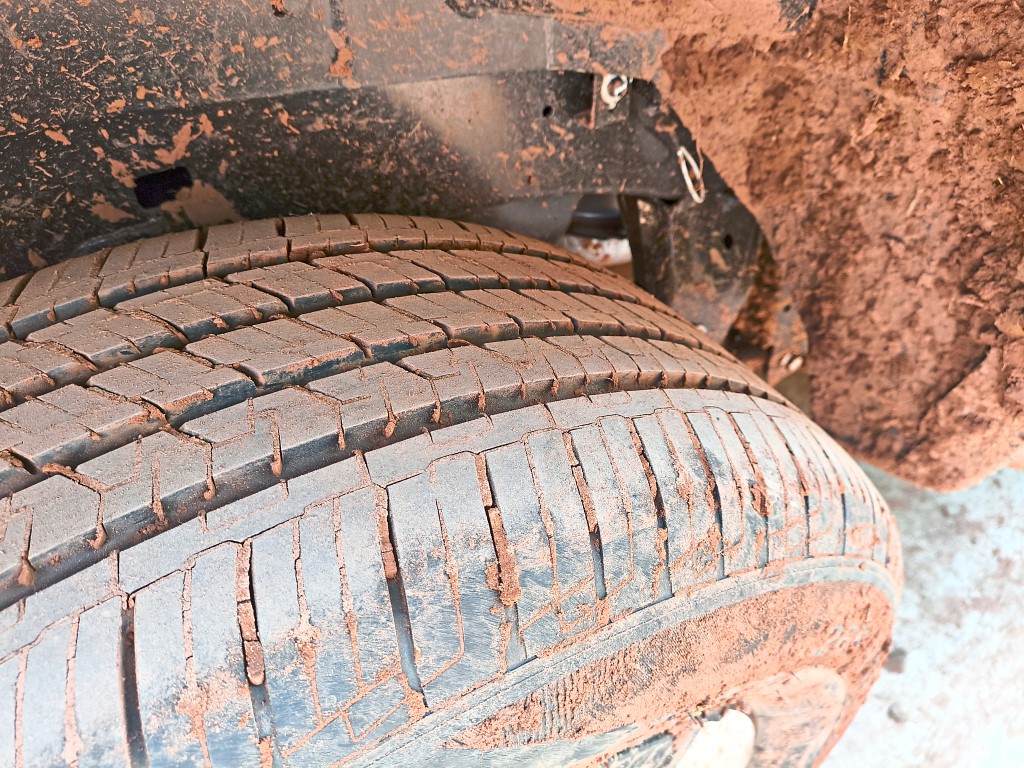
The road-biased tyres became the obvious weak link once their treads got caked with mud.
Grip dropped quickly on slick, churned ground, so all-terrain or mud-terrain tyres would be better suited here.
The T9 PHEV we drove combines double-wishbone independent front suspension with a coil-sprung multi-link live rear axle, a notable departure from the leaf springs used by the diesel T9.
Its 210mm ground clearance, 550mm wading depth, 27-degree approach angle and 23-degree departure angle are respectable, although there is no conventional low-range transfer case.
The T9 PHEV works best as a fast, comfortable dual-purpose pick-up with credible recreational off-road ability rather than a hardcore 4x4.
Gravel roads, plantation tracks, moderate mud and badly rutted trails should be within its remit with suitable tyres, while more technical terrain would demand greater care.
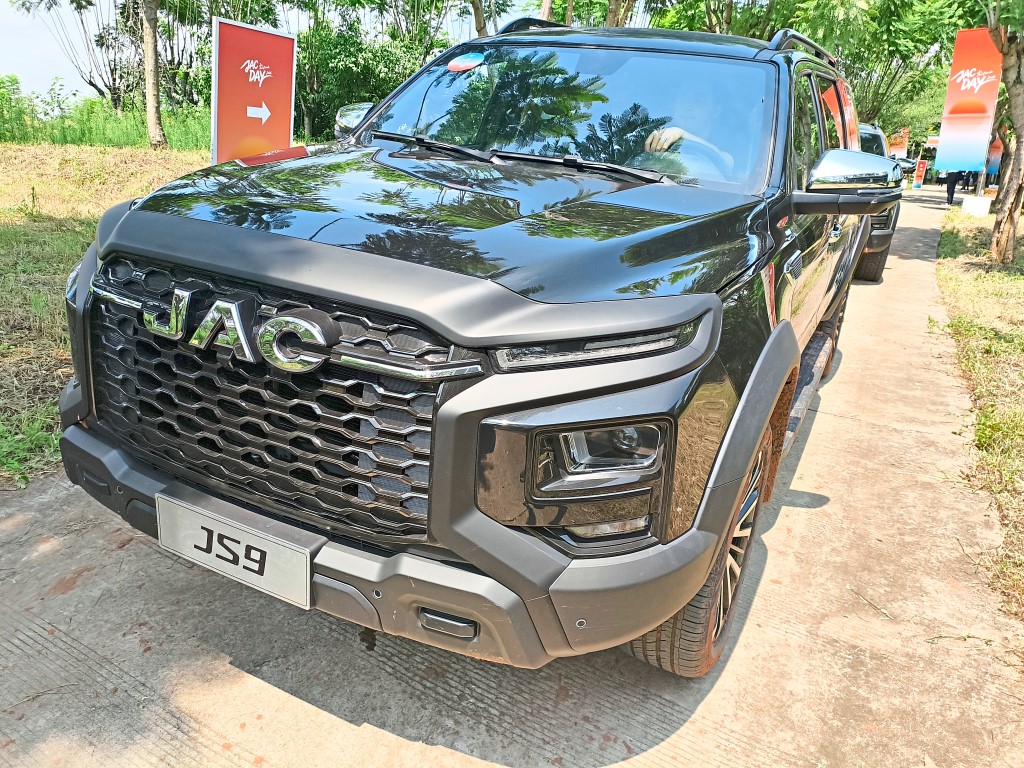
JS9
The JS9 was the other vehicle that caught our eye, showing how JAC has reworked the T9 architecture into a passenger-focused SUV.
It turns the T9’s ladder-frame underpinnings into a large three-row, seven-seat SUV aimed mainly at export markets, including Russia and South Africa, while Australia is evaluating it.
At about 5.2m long, the JS9 is around 130mm shorter than the T9 PHEV but shares its 3,110mm wheelbase.
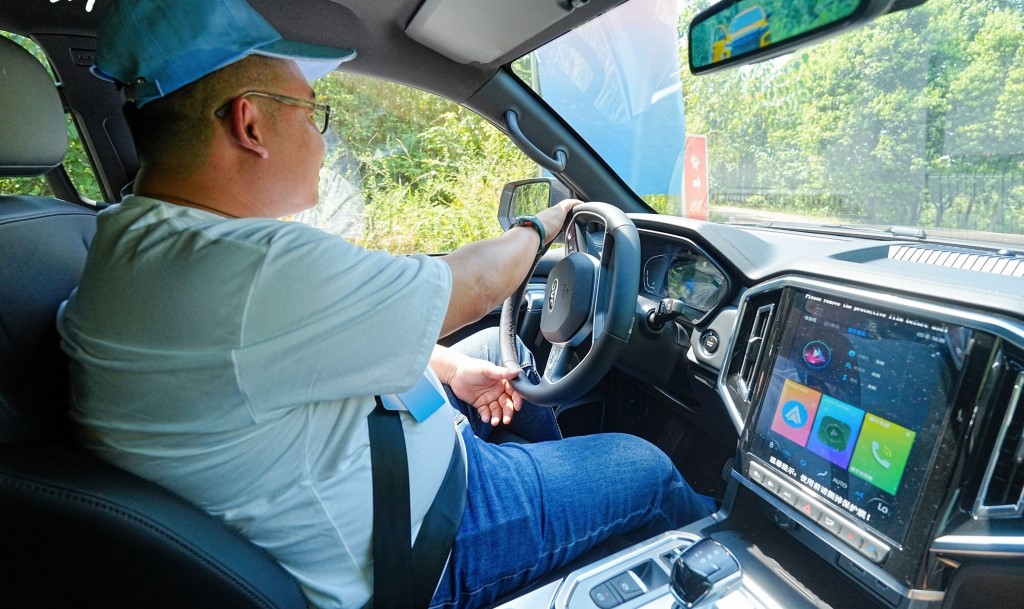
The enclosed body gives it more visual mass, so it feels bigger from the driver’s seat.
Its 2.0-litre turbo engine produces 165kW/221hp and 390Nm.
It coped well with hard-packed surfaces and light off-roading, but on narrow, tightly curved sections and steeper slopes, we became much more conscious of its size.
The JS9 is of limited relevance to Malaysia for now, but it shows how JAC can turn the T9 architecture into a more passenger-oriented three-row vehicle.
Wider range
Of the other passenger models showcased at a separate venue, the JS8 Pro is arguably the most interesting for Malaysia should JAC expand beyond pick-up trucks.
The 4,795mm-long front-wheel-drive SUV uses a 135kW/300Nm 1.5-litre turbo-petrol engine with a seven-speed dual-clutch transmission.
The vehicle shown had the available 2+2+2 six-seat layout with second-row captain’s chairs, offered alongside a conventional seven-seat configuration.
That gives buyers a more premium, MPV-like cabin option.
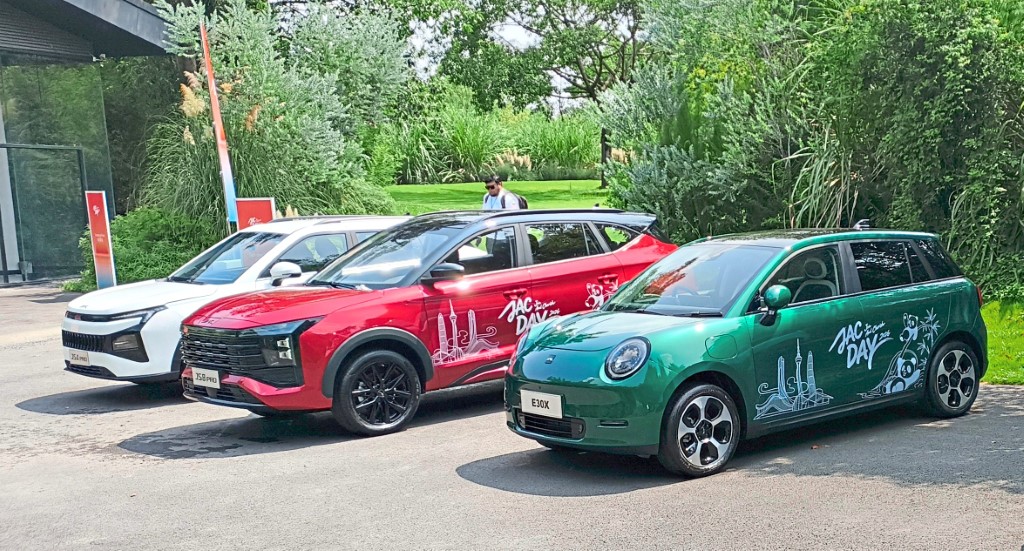
In size and positioning, it would sit broadly alongside the Proton X90 and Chery Tiggo 8 if introduced in Malaysia, although JAC has confirmed no local plans.
The smaller JS4 Pro is a five-seat petrol crossover, while the E30X is a 4.03m-long electric city hatchback with a 100kW motor and 41kWh or 51.5kWh battery.
The JS8 Pro, JS4 Pro and E30X served a broader purpose at JAC Day: to show overseas media that JAC offers more than the pick-up trucks and commercial vehicles for which it is better known in Malaysia.