PETALING JAYA: To help Malaysia meet its goal of achieving carbon neutrality by 2050, the Malaysian Automotive Association (MAA) supports the need for incentives for electrified vehicles such as hybrid electric, battery electric and hydrogen-powered fuel cell electric vehicles.
Also, there is a need for longer-term tax incentives for all forms of EVs (electric vehicles) to enable better business planning and investments.
Meanwhile, an end-of-life vehicle policy can ensure that roadworthy and environmentally friendly vehicles are running on the road.
Also, car prices may eventually be affected if there is no improvement in the issue of higher costs, as a result of the weakened ringgit and increased costs of raw materials.
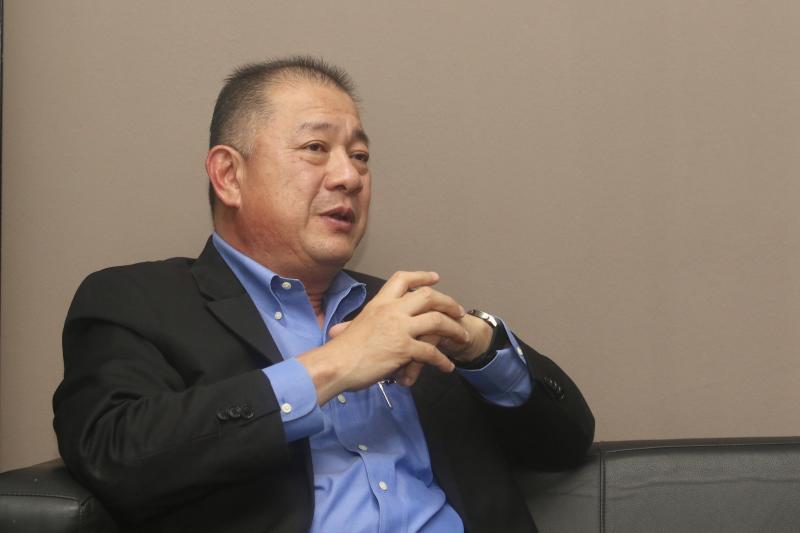
MAA president Mohd Shamsor Mohd Zain talks to StarCarSifu about issues in the domestic automotive industry.
StarCarSifu: In the revised Budget 2023, duty exemptions for fully imported and locally assembled EVs are extended until end-2025 and end-2027 respectively. Import tax exemption for components used in the local assembly of EVs is until the end-2027.
Mohd Shamsor: We have seen how the incentives from the government have aided the acceleration of green technology introductions and adoptions here in Malaysia. At present, the duration of incentives for investors and businesses is rather short.
The automotive industry is very capital-intensive. Business plans are usually very long-term in nature. Most vehicle models have a minimum life span of five to seven years before new models are introduced into the market.
BEV technology is also rapidly changing now. Energy storage capability, cost of technology and production economies of scale are already becoming evident, and the trend will continue to bring down the entry price of BEVs.
There is a need for incentives to focus on the lower, mass end of the scale to speed up adoption in the affordable hybrid electric and BEV segment. Short-term or ad hoc policies make it difficult for companies to draw up plans to evaluate business feasibility, especially in introducing newer technologies and more high-tech vehicle models into the local market. It also may not help to build greater confidence among foreign investors.
The tenure of incentives given to automotive companies should be on a long-term basis and we encourage consultations with stakeholders and MAA. This will enable both the local distributors and their overseas principals to study, prepare and draw up comprehensive long-term investment plans.
Companies will naturally seize the opportunities provided with the right policies and regulations in place.
Also, hybrid electric and fuel cell hydrogen electric vehicles (FCEVs) should also be encouraged in Malaysia. There is no ‘magic switch’ in the future, where we will transition to 100% clean energy usage overnight.
Rather, there will always be a mix of fuel and energy types that are best suited to private and commercial vehicles across varying demographics in our country.
Therefore, a more varied and inclusive incentive structure that extends beyond only BEVs must be considered, which will also eventually see the BEV ecosystem grow.
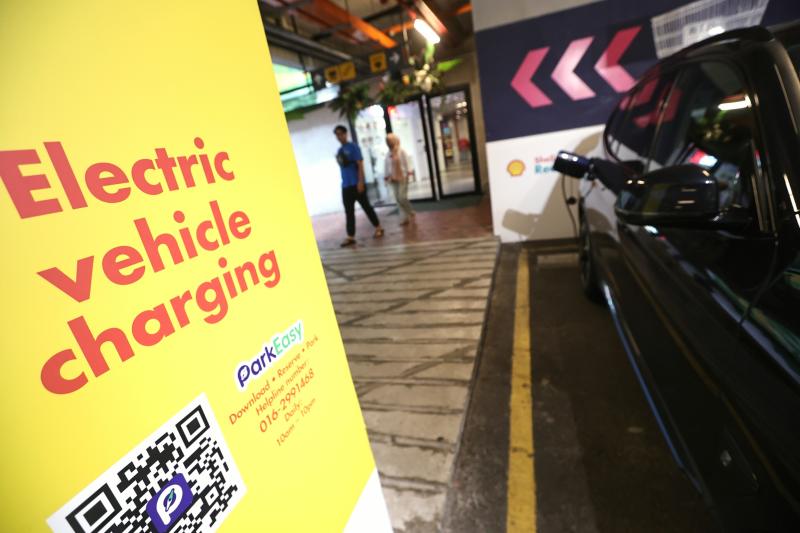
Also, the acceptance of BEVs must be aligned with charging facilities, especially fast chargers. Policies that encourage investments and provide incentives to set-up the charging stations should also be introduced.
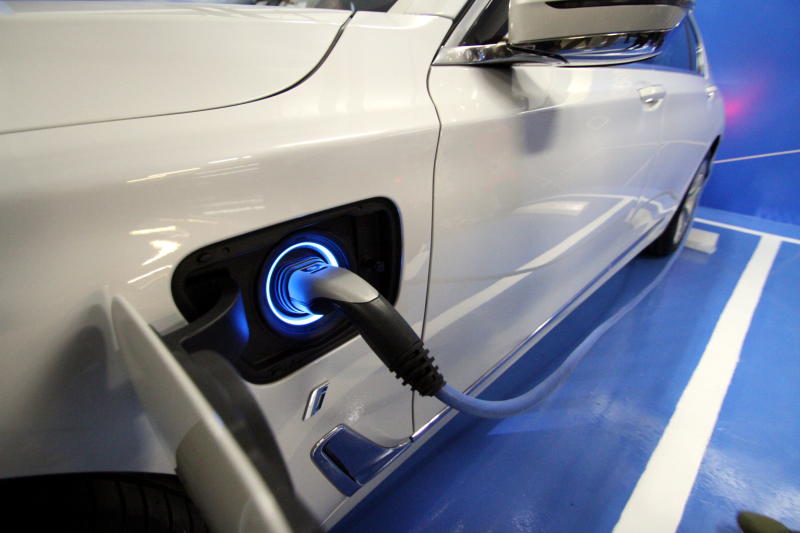
Mohd Shamsor: Currently, the number of public charging facilities is still low and concentrated mainly in the Klang Valley. We understand that the authorities are working hard to expedite the setting up of more public charging facilities nationwide. This will certainly address range anxiety and accelerate EV adoption among consumers.
The existing charging network ranges from AC (alternating current) low-power chargers to 360kW DC (direct current) fast charging. In the future, the charging network will need to be constantly upgraded to keep up with the latest BEVs.
Also, our national grid needs adequate attention and upgrades to be able to provide enough electricity to power the growing network. Another concern is the approval process for setting up electric charging stations. It takes a long time to obtain approval due to the many procedures and agencies involved. We hope the process can be shortened with single agency approval.
MAA also urges the federal and state governments to mandate the setting up of charging stations by municipal councils, to help meet the country’s target of increasing the market share of passenger EVs to 15% by 2030. Also, tariff charges by the charging point operator (CPO) should be reasonable, in order to attract more BEV users.
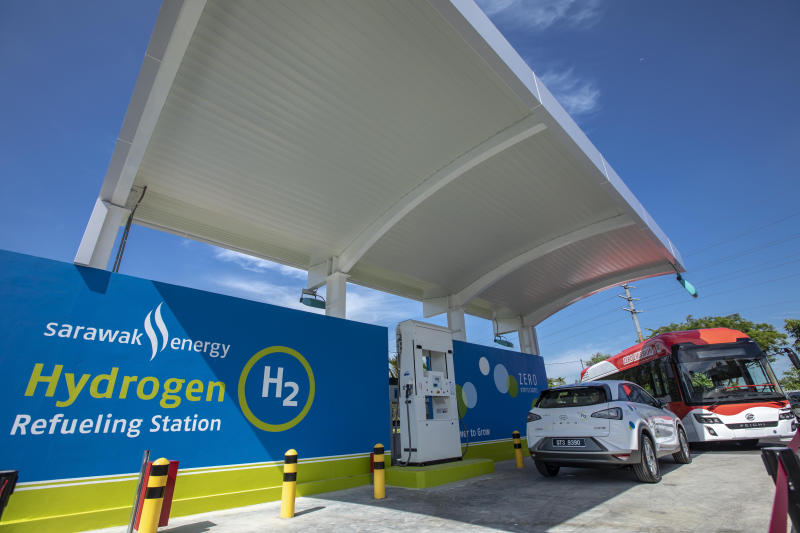
Besides charging stations, MAA also urges the government to look into the development of hydrogen re-fuelling stations for FCEVs as an alternative option for green technology to be introduced in the future.
Mohd Shamsor: MAA has long advocated for an end-of-life vehicle policy (ELV). It should start with mandatory inspection for vehicles after a certain number of years (perhaps 15 years) before we embark on a scrapping policy. This will provide a platform for old cars to exit the ecosystem for safety reasons.
This is to ensure that roadworthy and environmentally friendly vehicles are running on the road, thereby contributing to a safer and cleaner environment.
It is very important that all relevant issues such as logistics (transportation of scrap, stockyard, etc) and documentation (de-registration of vehicle registration card) are ironed out to ensure the ELV scheme can be acceptable to all stakeholders. Also, reasonable compensation for these scrapped vehicles will make the ELV scheme more acceptable to consumers.
A vehicle scrappage scheme should also be harmless to the environment, safety and health.
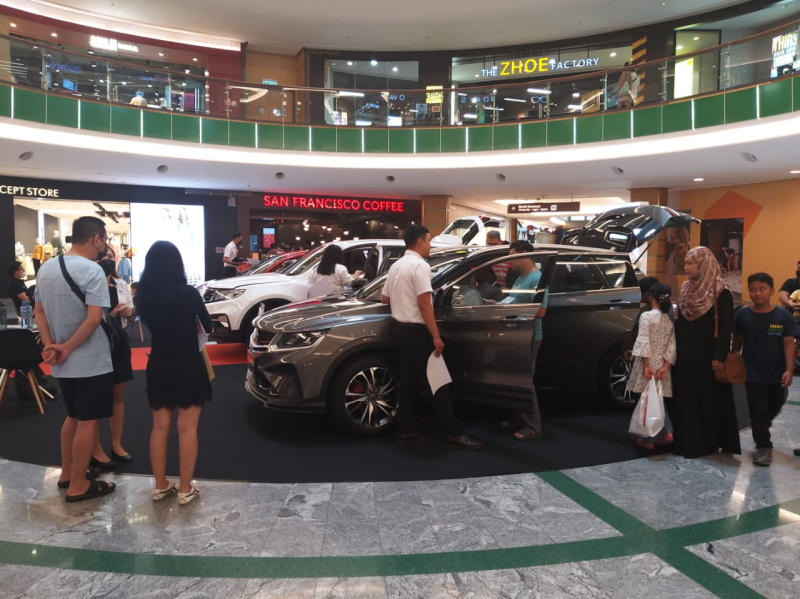
Mohd Shamsor: A majority of consumers will only buy new cars if they can trade in their old vehicles. As such, it is important that car companies help to facilitate the processes. Used car companies are part and parcel of the entire domestic automotive ecosystem.
I see EBCs as another initiative to enhance and smoothen further the processes. Consumers could also enjoy much more competitive re-sale values for their cars.
StarCarSifu: How does the weakened ringgit affect the domestic automotive industry and car prices?
Mohd Shamsor: The weakening of the ringgit against major foreign currencies is hurting almost every sector of the economy, and the automotive industry is not spared. The impact varies from each automaker depending on their level of exposure to the various foreign currencies.
Where possible, car companies try their level best to avoid any price increase, in order to maintain competitiveness. At the same time, there is a limit as to how much car companies can absorb, when it comes to foreign exchange losses.
The weakened ringgit definitely has increased the pressure on raw material and part costs, as well as imported vehicles, including BEV models. The costs of doing business have increased, especially for those who deal with fully imported vehicles and for locally assembled vehicles with very low local content. Even then, some of the completely knock-down (CKD) vehicles with high local content may also be affected if the vendors are importing some of the critical parts.
Still, the foreign exchange issue is not something new. The Malaysian automotive industry has faced such situations in the past. All automotive marques are trying to manage the higher costs internally, but we foresee that car prices will eventually be affected if the situation (ringgit and raw materials cost) does not improve.
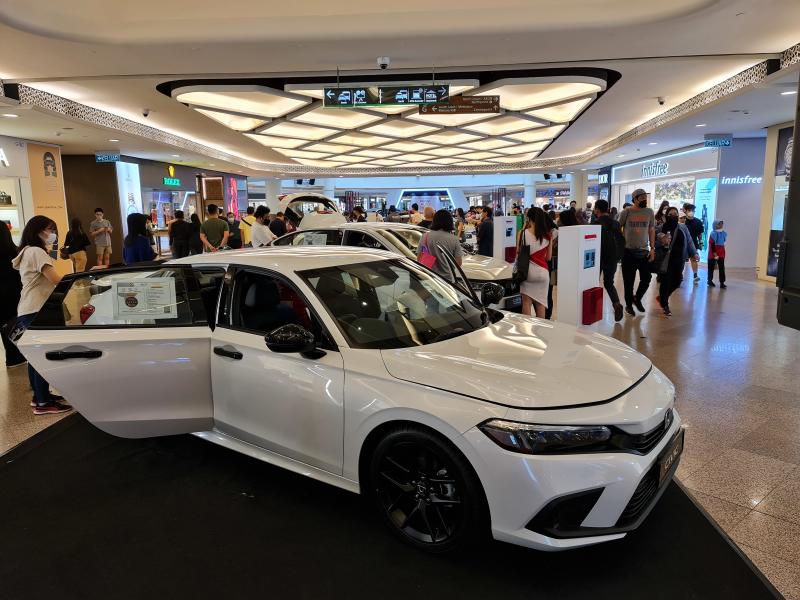
Mohd Shamsor: MAA foresees the 2023 TIV will close at 725,000 units (another record high). The Malaysian economy is projected to expand between 4% and 5% for the full year 2023, driven by domestic demand. New model launches, particularly exciting newer models and very affordable models by national marques have been well received. MAA members have recorded healthy sales orders.
Our members continue to have aggressive pricing and promotional strategies and provide value-added services and more options to customers which improve demand. Also, there is improvement in the automotive industry supply chain environment. The central bank’s recent decision to keep its key interest rate unchanged at 3% is also crucial.
However, consumer spending may soften in the remaining months of 2023, weighed down by worries over rising costs of living, shrinking disposable income, the weakening ringgit against major foreign currencies, and uncertainties about the domestic and global economic environment.
StarCarSifu: It was reported recently that the nation’s automotive industry and its entire ecosystem support over 700,000 workers, accounting for over 4.4% of the Malaysian workforce. Additionally, the sector contributes 4% to 5% to the nation’s GDP (gross domestic product) on average. What are the challenges facing the domestic automotive sector?
Mohd Shamsor: Besides the decline in the value of the ringgit, another challenge is that car ownership in Malaysia is already very high. The lack of mandatory inspection and ultimately scrapping schemes for non-roadworthy vehicles to remove old vehicles from the market will worsen the situation. Every year, at least 1.2 million new vehicles are registered, and 50% of these are private motor cars.
As such, there is a limit to how much more the domestic automotive market can grow. As for BEVs, the challenge faced by the industry is the selling prices.
At present, most BEVs are selling at above RM100,000. As such, it will be a big challenge for MAA members to generate significant BEV sales, compared with internal combustion engine (ICE) cars.
Nevertheless, despite the very challenging times, industry players can still profit if they improve their capabilities and cost competitiveness.
They have plans and measures to improve their products, quality and service levels.
StarCarSifu: A recent report by Kenanga Research noted that in the space of local brands, both Perodua and Proton models have been selling well, being competitively priced against the non-national brands. They also offer improved technological features. However, in the space of non-national brands, automakers are shifting away from the highly competitive low-margin segment and focusing on premium products that will appeal to the middle-income group. How does MAA view this development?
Mohd Shamsor: In the first half of 2023, the national marques have a 68% market share (from 63% a year earlier). Still, all brands, national or non-national, are exploring segments and opportunities beyond their traditional arenas, and BEVs have further broken down traditional brand hierarchies and the premium stronghold of some brands.
This competition results in more choices and better price opportunities for the end consumer. All these are signs of a healthy economic outlook for our industry in the longer term. We believe both national and non-national brands still can exist together, as each brand provides different value to customers, including sales and after-sales experience.