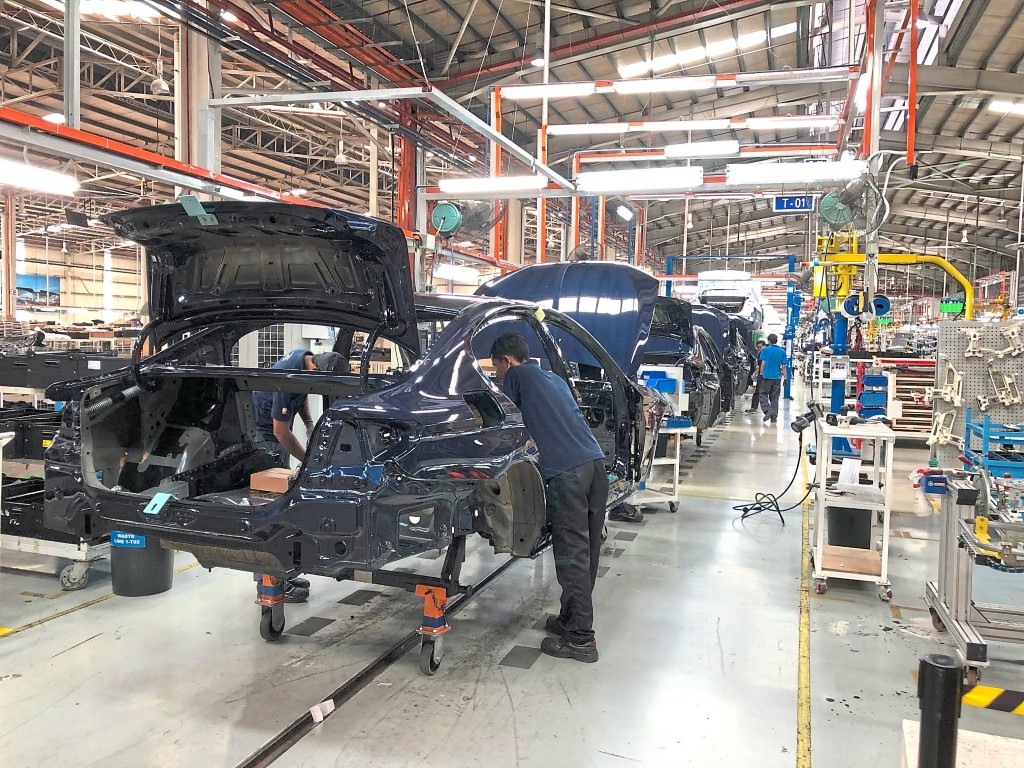
THE Malaysia Automotive, Robotics & IoT Institute (MARii), an agency under the Ministry of Investment, Trade & Industry (MITI), is committed to driving greater synergy between the semiconductor and automotive industries.
MARii CEO Azrul Reza Aziz tells StarCarSifu about issues such as talent gaps in integrated circuit (IC) design and automotive electronics, access to capital and innovation funding, and ensuring Malaysia’s talent pool is future-ready.
StarCarSifu: What can be done to address the lack of horizontal integration between Malaysia’s semiconductor and automotive industries?
Azrul: The level of horizontal integration, specifically, direct collaboration between local semiconductors and automotive players remains limited.
This is partly due to the current business model of automotive original equipment manufacturers (OEMs) where component specifications are set but the selection of specific integrated circuits (ICs) is left to Tier 1 suppliers.
Additionally, many of Malaysia’s semiconductor firms are heavily export-oriented and concentrated in back-end services, creating a natural disconnect from the needs of domestic automotive manufacturers.
MARii has already taken strategic steps to address this challenge.
Under the mid-term review of the National Automotive Policy (NAP 2020), we have initiated collaborations with local semiconductor companies and identified three automotive vendors to pilot a programme that integrates locally designed ICs into automotive components.
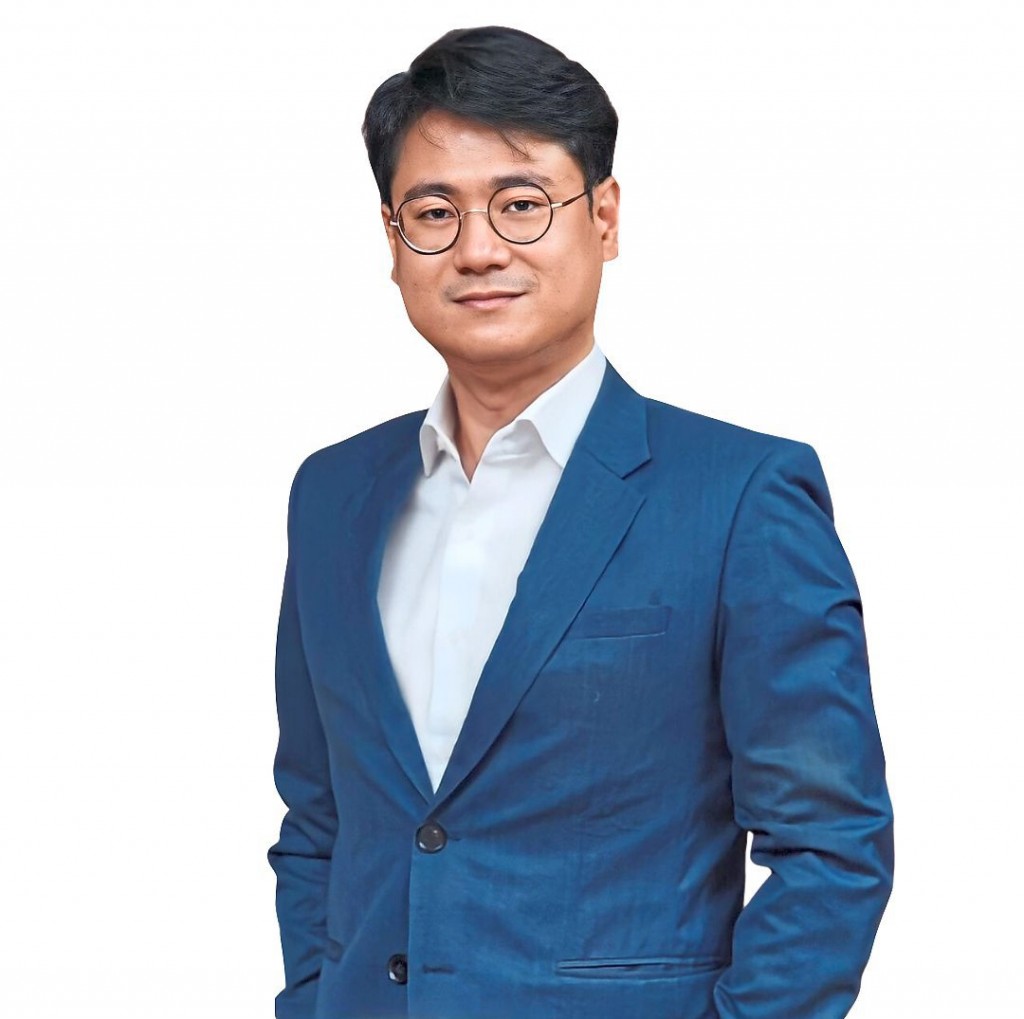
MARii CEO Azrul Reza Aziz
Azrul: MARii proposes a cross-sector integration strategy anchored on three key national policies:
• NAP 2020, which promotes technology development, local value creation, and talent enhancement,
• National Industrial Master Plan 2030 (NIMP 2030), which encourages industrial ecosystem clustering and deeper value chain participation,
• National Semiconductor Strategy (NSS), which seeks to elevate Malaysia’s role in front-end IC design, R&D, and innovation.
MARii is working closely with the automotive OEMs, Tier 1 suppliers and IC design firm to develop a locally produced component as a proof-of-concept for broader integration.
MARii had engaged three local automotive suppliers, such as Multi-Code Electronics Industries, Betamek Electronics and Delloyd Industries, that are keen to venture into this sector.
To support this national agenda, several mechanisms are key:
• Incentivising collaboration between semiconductor and automotive players under national policy frameworks
• Strengthening localisation programmes that encourage the use of Malaysian-made ICs in mobility applications
• Upskilling initiatives tailored to IC and system-level design in the automotive space
• Creating integrated clusters that physically co-locate relevant industry players
• Establishing structured public-private engagement platforms to shape long-term roadmaps and standards.
What are the biggest challenges to fostering collaboration between Malaysia’s semiconductor and automotive sectors?
Azrul: Aligning both sectors for deeper integration especially in advanced mobility and electronics applications, requires overcoming the following key barriers:
• Misalignment of value chains and business models:
Automotive OEMs in Malaysia typically operate through multi-tiered supply chains, where Tier 1 suppliers deliver components based on performance and functional specifications.
OEMs do not usually dictate the specific ICs or chipsets used.
On the other hand, local semiconductor companies, especially those focused on back-end services (assembly, packaging, and testing), often cater to international clients and are not directly embedded within the local automotive supply network.
This structural misalignment makes organic collaboration challenging.
• Talent gaps in IC design and automotive electronics:
There is a nationwide shortage of talent equipped with cross- disciplinary skills in IC design, embedded systems and automotive electronics.
According to the Electrical and Electronics Productivity Nexus (EEPN), Malaysia needs at least 50,000 new engineers over the next five years to support the semiconductor sector alone.
• Low domestic volume and commercial viability:
Malaysia’s local automotive market still presents low-volume opportunities for specialised semiconductor applications.
For local semiconductor or chip design companies, the limited scale of local vehicle electronics production makes it difficult to justify the high cost of custom chip development, tooling, and certification.
This discourages investment and delays potential partnerships.
• Limited R&D collaboration platforms:
There is currently a lack of structured, well-funded platforms where players from both industries including OEMs, semiconductor firms, academia, and system integrators can come together to co-develop solutions, share risks, and access joint funding.
Without such collaborative ecosystems, efforts to integrate technologies like EV power electronics, ADAS (advanced driver assistance systems), or connected car systems remain fragmented.
• Access to capital and innovation funding:
Many small and medium enterprises (SMEs) and local design houses in both sectors face challenges in securing financing to support collaborative R&D or to scale their technologies for commercialisation.
Semiconductor development particularly front-end design is capital-intensive and long-term in nature.
• Global Competition and Strategic Focus:
Malaysia is competing with regional neighbours such as Singapore, Vietnam, and Thailand all of which are actively positioning themselves as semiconductor or EV hubs.
To foster strong local collaboration, Malaysia must align national strengths such as back-end semiconductor services with high-potential automotive applications.
At MARii, we believe these challenges can be addressed through integrated, policy-driven approaches.
Our current initiatives including expanded IC design training, and pilot projects involving local vendors are designed to lay the groundwork for deeper, more sustainable cross-sector collaboration.
How prepared is Malaysia’s workforce to support this convergence of mobility and microelectronics?
Azrul: The government has committed RM25bil (US$5.3bil) in fiscal incentives over the next decade to support ecosystem development, including talent enhancement for semiconductor design and manufacturing.
A “skilled multilingual workforce” is a fundamental pillar in realising Malaysia’s ambition to ascend the global semiconductor value chain.
There is an urgent need to reskill and upskill workers specifically for mobility-electronics convergence.
Skills in embedded software, functional safety design, chip packaging for harsh environments, and systems integration are still in short supply.
Our focus is on long-term talent development, not just producing more graduates but producing the right kind of engineers and technicians.
What steps is MARii taking to develop high-skilled talent in areas like automotive-grade chip design, embedded systems, and mobility software?
Azrul: MARii has prioritised the development of technical talent through structured, industry-aligned programmes that focus on real-world applications.
The programme is expanding its modules to include semiconductor manufacturing and electronics systems.
We are also working closely with the identified supplier and a local IC design firm to develop a locally produced component as a proof-of-concept for the automotive application.
Beyond training, MARii is cultivating future talent through industry immersion, co-development projects with Petronas, and real-world pilot programmes like the deployment of predictive vehicle analytics (ADaPTiV) and embedded intelligence systems in partnership with major industry players.