Mercedes amps up renewable energy switch with Iberdrola wind deal
By REUTERS | 31 March 2023
BERLIN: Mercedes-Benz said on Thursday it had signed a power purchase agreement (PPA) with Spain's Iberdrola for 140 megawatts (MW) of wind energy from a Baltic Sea wind park, part of automakers' push to make production costs more predictable.
Production chief Joerg Burzer said Mercedes was focusing on securing wind capacity in northern Germany and installing solar capacity in the south of the country, which gets more sunshine but is less windy.
The Iberdrola deal, in which Mercedes will invest a three-digit million euro figure, means the carmaker has solar, onshore and offshore wind PPAs for capacity equivalent to half of its electricity demand in Germany by 2025, Burzer said in an interview.
PPAs are long-term contracts to buy electricity directly from a generator at a pre-negotiated price, providing producers with guaranteed financing. Big companies, including carmakers, are increasingly signing such deals to better control production costs and cut CO2 emissions.
The contract is one of the largest ever signed with a car company, Iberdrola said in a statement, but also did not disclose its value.
Iberdrola said the Baltic Sea Windanker project will have 315 megawatts of capacity and will fully operate in 2027. The Spanish power utility already operates the 350-MW Wikinger wind farm also in the Baltic Sea and is building the 476-MW Baltic Eagle in the same area.
Mercedes aims for 70% of its energy demand from vehicle production to be covered by renewable sources by 2030. It said on Thursday it has reached its target of a 50% reduction in carbon dioxide emissions from 2018 levels by 2030 early, and so is raising that target to 80%.
Burzer said he was confident that battery storage would develop to the point of enabling consistent renewable power supply, and that hydrogen would play a role in providing baseload energy.
"Of course there are periods where the sun doesn't shine and the wind doesn't blow, but these are not so common in Europe. Hydrogen can secure the remaining part," he said.
"It is the last few percentage points that are the hardest... there is still a lot to do on the technology side," Burzer added.
Renewable energy accounted for 46.9% of German power consumption in 2022, with the rest coming from coal, nuclear, and natural gas. In Europe, the latest available figures from 2021 show around 22% renewable energy consumption.
Plans to fuel industry via hydrogen in Germany are still in their infancy, with the construction of the first hydrogen pipeline network approved last December.
Tags
Kia Carnival 2.2 facelift: More style, tech, comfort
Nissan Serena e-Power Shiro Premium Highway Star is one brig...
Land Rover Defender D350 facelift: Rugged brawn
8.2
Royal Alloy Gran Turismo 160S: Impressive composure, retro b...
7.5
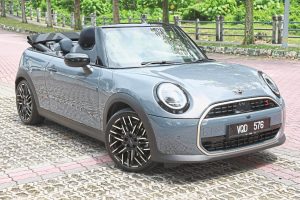
MINI Cooper S Cabrio: Open for business
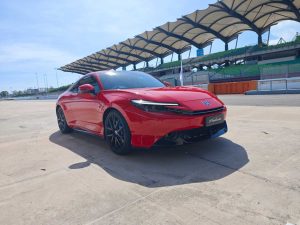
Honda Prelude: Glide across the sky
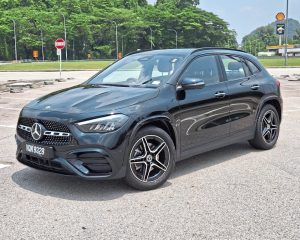
Mercedes-Benz GLA Nightfall Edition: Compact but lively
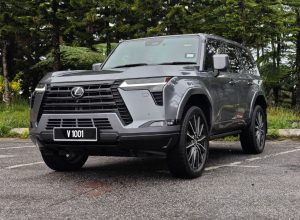
Lexus GX 550: Grand and rugged

BYD Atto2's rotating centre display

Free & Easy Media Test: Latest Proton X50 Flagship to Kuanta...

Zeekr Space Sunway City Video
