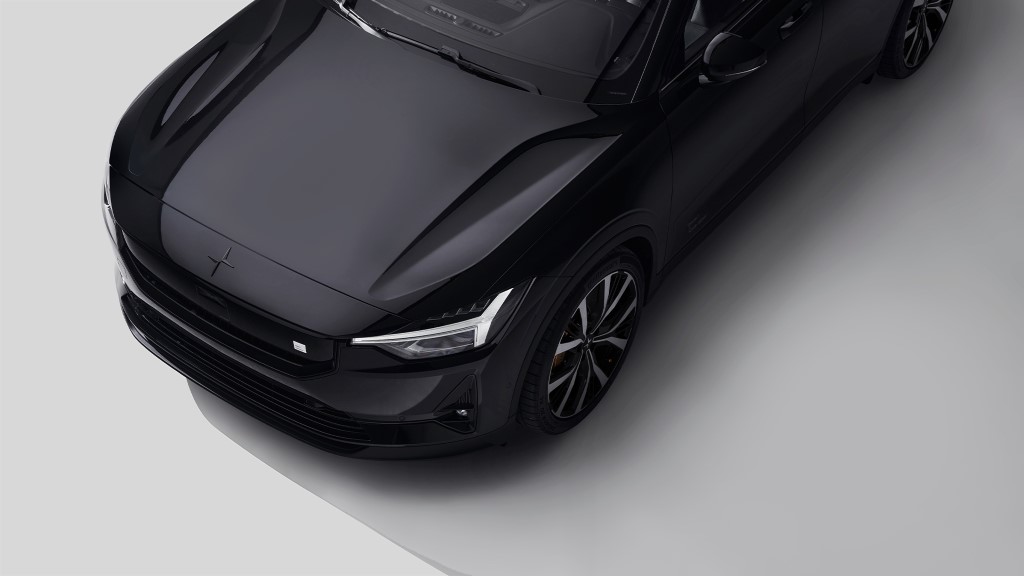
GOTHENBURG: Batteries in the Polestar 2 and Polestar 3 now include at least 50% recycled cobalt.
The Swedish electric performance car brand says the milestone reflects a broader strategy to reduce reliance on virgin materials, increase visibility across the value chain and keep resources in use for longer.
Polestar added that a key focus is to extend battery life and retain the battery’s value for as long as possible.
Polestar partners with Volvo Cars battery centres to refurbish high-voltage batteries.
At these facilities, Polestar 2 and Polestar 3 vehicles that require a battery replacement receive a refurbished battery.
Customers receive refurbished replacement batteries with an equivalent state-of-health, improving battery value retention while reducing overall environmental impact.
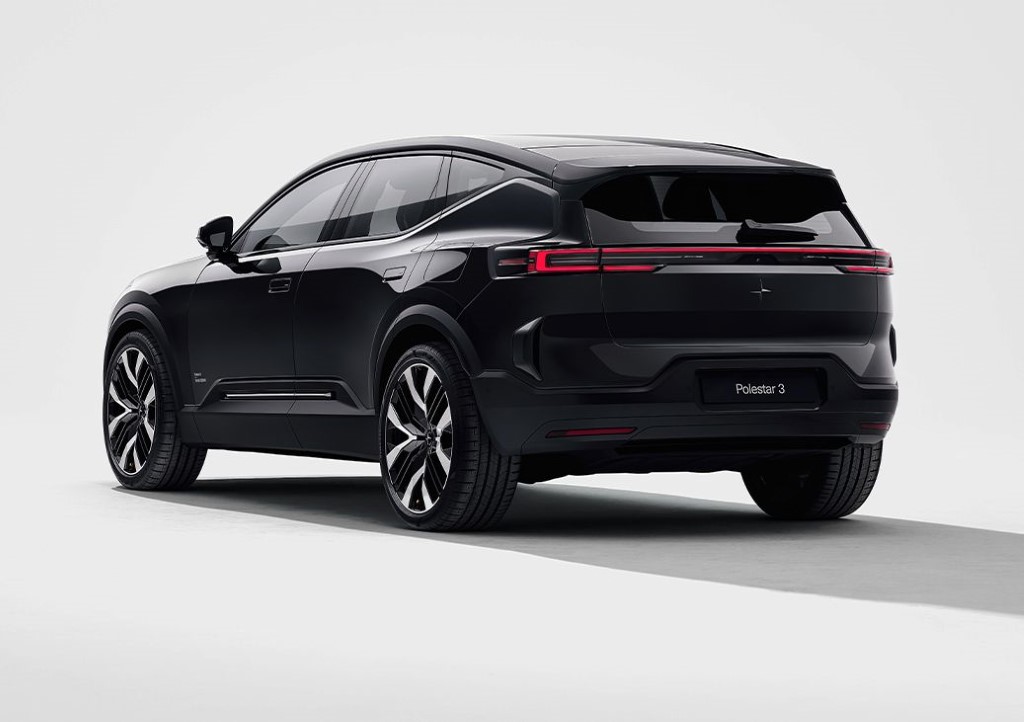
Polestar is also establishing recycling partnerships across all its markets.
Polestar head of sustainability Fredrika Klarén says, "Electrification, powered by renewable energy and enabled by circular battery materials, points to a new kind of system: one where resources stay in use and abundance replaces depletion.”
Polestar aims to design premium electric performance cars that favours circular material choices with lower impact across its models, some examples being recycled aluminium and steel, base carpets and inlay carpets based on ECONYL polyamide, and yarn made from PET (polyethylene terephthalate) waste.
Since 2020, Polestar has pushed for greater climate transparency in the automotive industry, publishing Life Cycle Assessments for every model and openly reporting carbon dioxide equivalents (CO 2 e) emissions across its value chain.
Polestar 2 was the first car to feature blockchain-traced cobalt, setting a new benchmark for supply chain accountability.
These initiatives are part of Polestar’s broader sustainability strategy, which sees electrification as only the starting point.