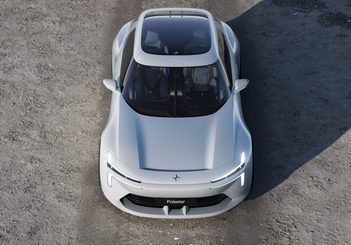
GOTHENBURG: Polestar, the Swedish electric performance car brand, recently previewed its future design direction with the reveal of the Formula 2030 concept car.
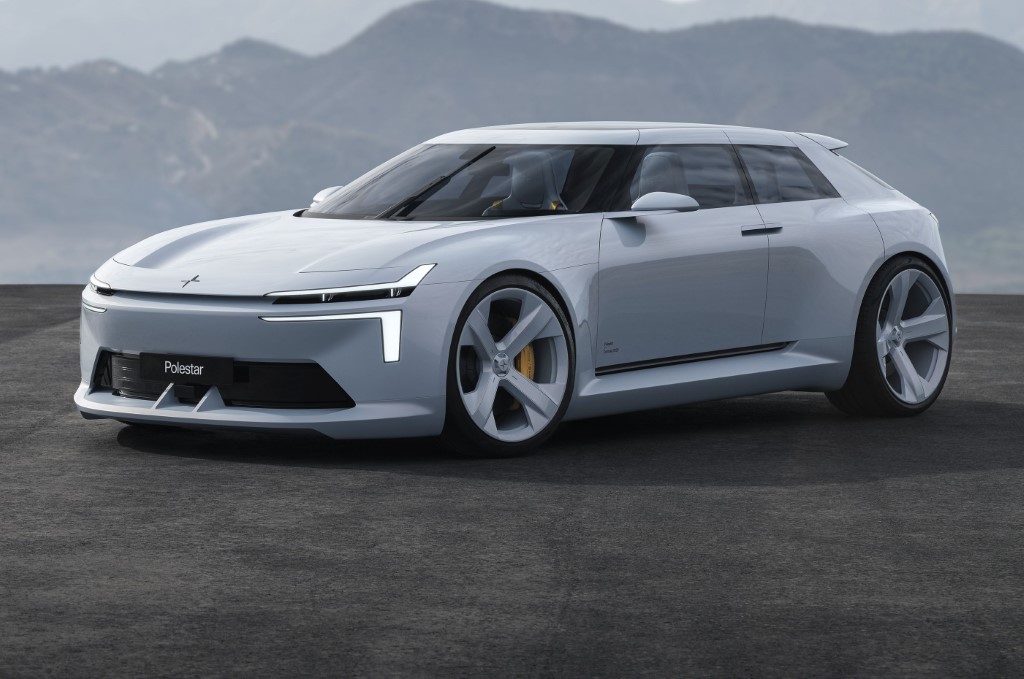
The Formula 2030 concept car is a compact, low, practical sportscar with a performance-focused exterior, driver-focused mechatronic interior layout and next-generation materials and finishes in tone-in-tone colours.
Various design attributes from the Formula 2030 concept car are confirmed to appear in the production next-generation Polestar 2 and forthcoming Polestar 7.
The Formula 2030 concept is the first showcar created under the leadership of head of design Philipp Römers.
Römers says, “Design should always reflect the values and mission of a brand and that is exactly what we did with Polestar Formula 2030 concept."
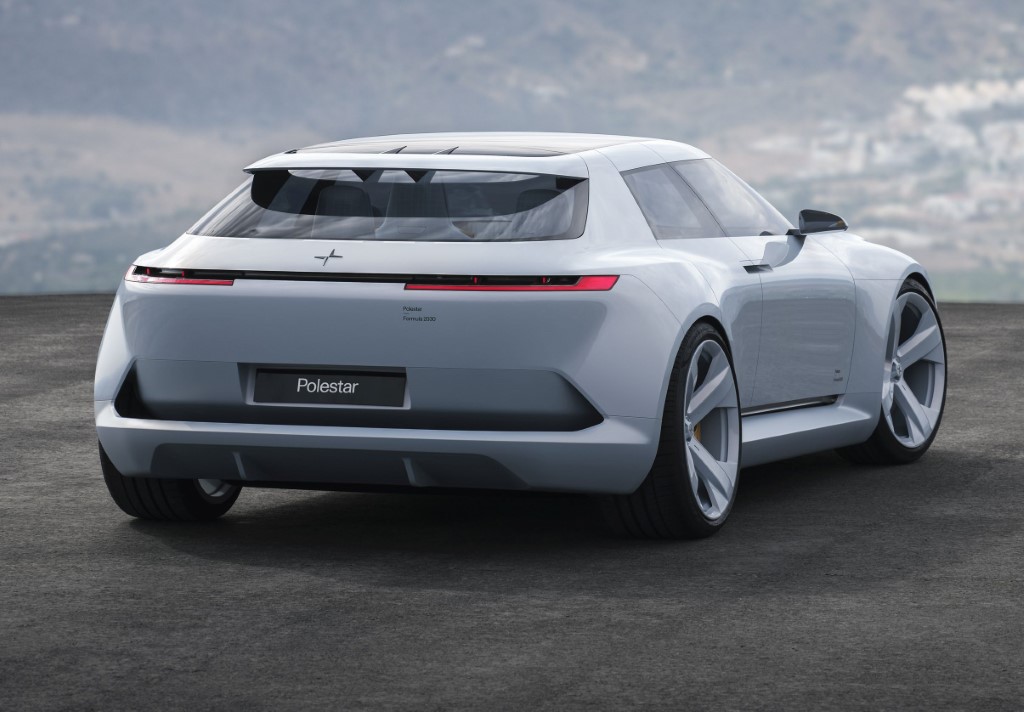
The compact practical four-door sports car sits within its own segment, 4,680mm long, 2,021mm wide with a 2,780mm wheelbase, and roof height just 1,350mm from the ground – even lower than the Polestar 5 Grand Tourer.
That positions the car somewhere between the forthcoming Polestar 2 and Polestar 7 dimensionally, and takes inspiration from the recently launched Polestar 4 SUV (sport utility vehicle) for its hint towards low-slung practicality.
The long bonnet, short overhangs and 22-inch wheels continue the expression.
Its signature Dual Blade headlights provide the Formula 2030 with an instantly recognisable Polestar character, previewing the face of the next-generation Polestar 2 planned for 2027.
With inspiration from the Polestar 3, the Dual Blades are neatly integrated into a front aero wing.
Continuing through the central spine is an individual, vertically orientated windscreen wiper, aping motorsport cars old and new, mounted on a visor-like wraparound windscreen that pays homage to the first generation Polestar 2.
A concealed LiDAR unit, hidden beneath an aerodynamic shroud when not in use, reveals itself when the driver is making use of the Formula 2030 concept car’s autonomous drive capabilities.
Behind sits the familiar guiding star symbol projected into the panoramic glass roof.
At the UFO-esque rear, Formula 2030 ushers in a new era of lighting signature, with the now ubiquitous lightbar removed and Polestar’s Single Blade rear lights introduced ahead of series production.
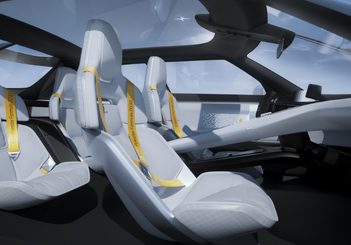
The Formula 2030 concept has a performance-focused cockpit concentrated towards the driver.
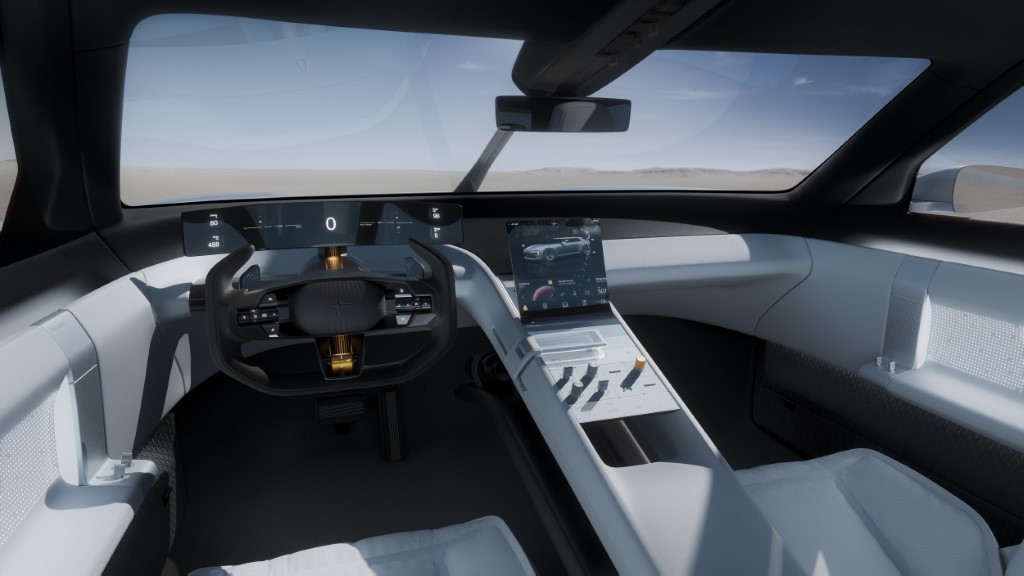
At the centre of attention is the 20-inch HyperDIM, a precisely curved Driver Information Monitor, mounted directly to the steering column.
The 12.2-inch Centre Screen Display (CSD) is integrated into the gently rising centre tunnel.
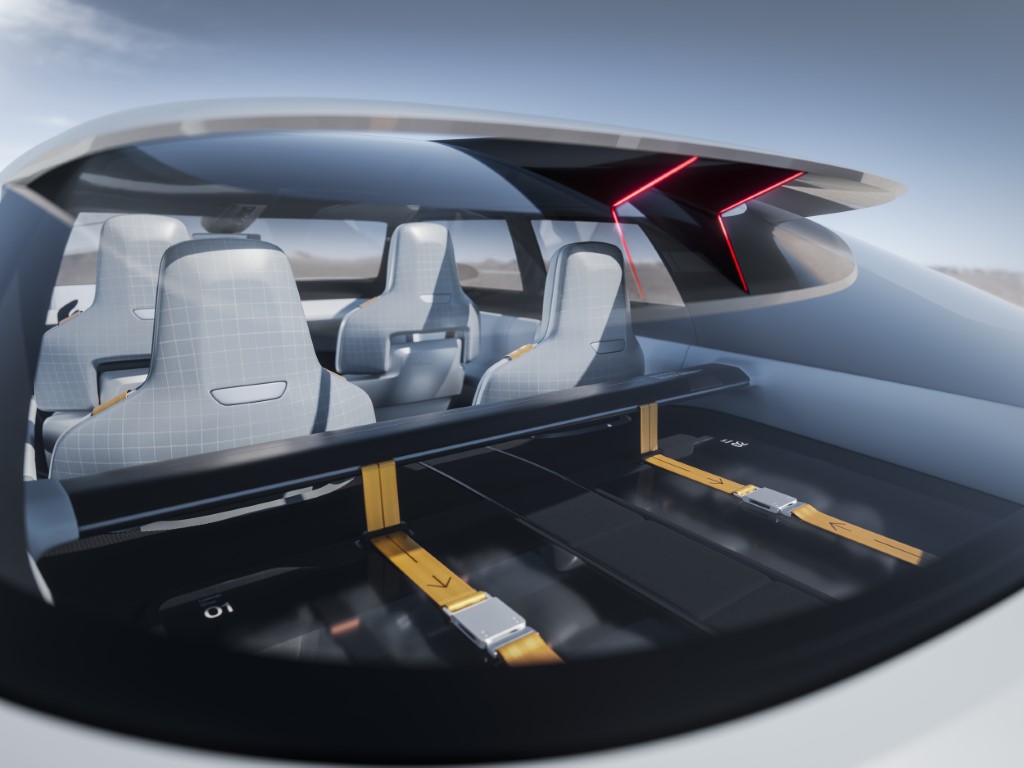
The Air Inflatable bolsters and cushions of the four individual seats mould themselves to each occupant.
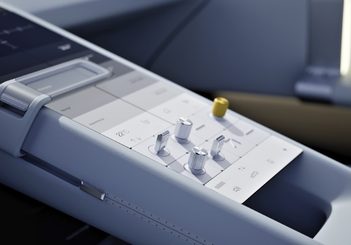
Three different drive modes, Performance, Normal and Autonomous, are selected by sliding the drive mode selector forward through the plane of the centre console.
As with Polestar’s production vehicles, Google Gemini is integrated into Formula 2030 with Google built-in, providing advanced AI for all vehicle occupants through a natural, conversational voice experience.
Formula 2030 showcases a new exterior colour, Nitrogen, which is specific to the concept and designed to react dynamically to natural light.
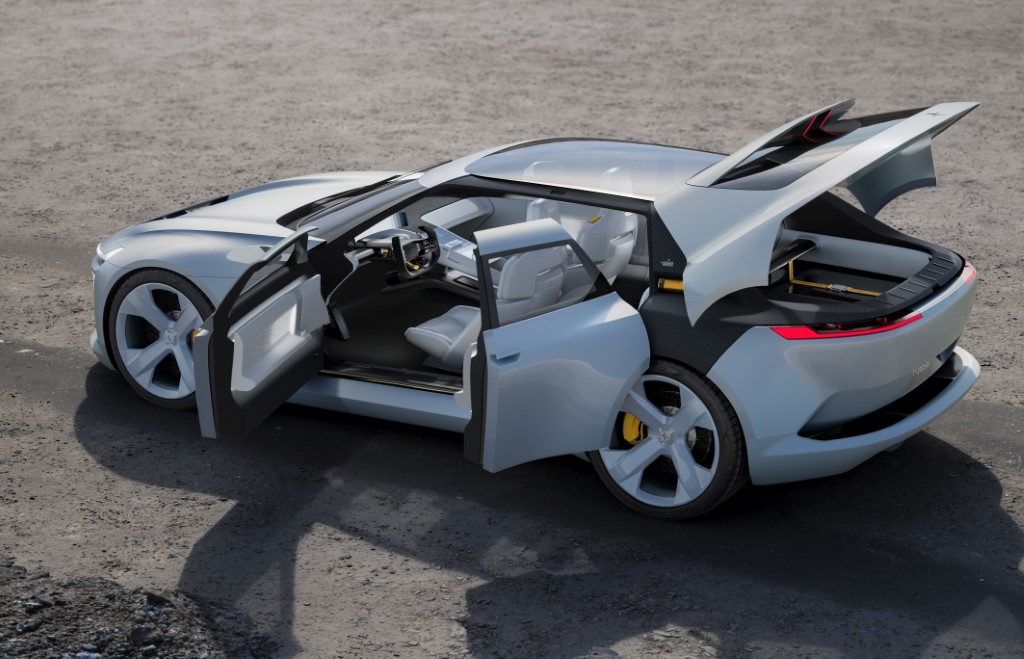
Opposing doors open for pillarless, easy access to the four seats.
Beneath the transparent boot floor, bespoke Polestar bags are secured with Swedish gold luggage straps.
Lifting the rear clamshell for access the luggage area deliberately exposes the body structure, showcasing Bcomp’s natural fibre composite with Polestar’s signature weave.
The concept’s race-inspired Öhlins dampers are also proudly on show, while the front luggage compartment – providing dedicated space for race helmets and a fire extinguisher – is framed by a Swedish gold strut brace.